
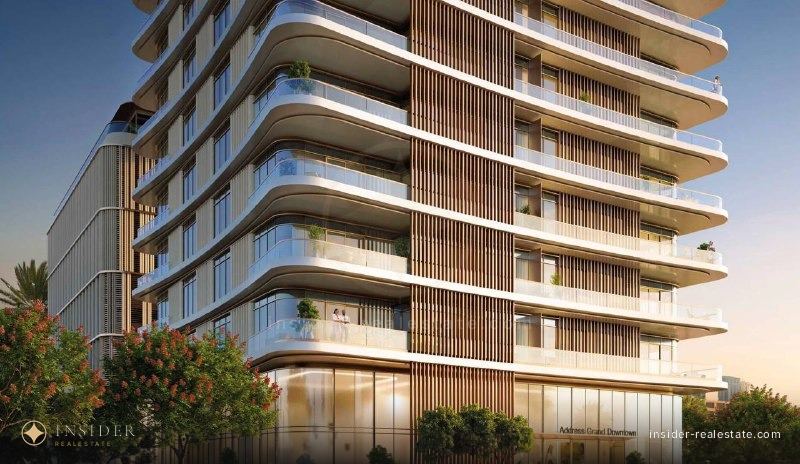
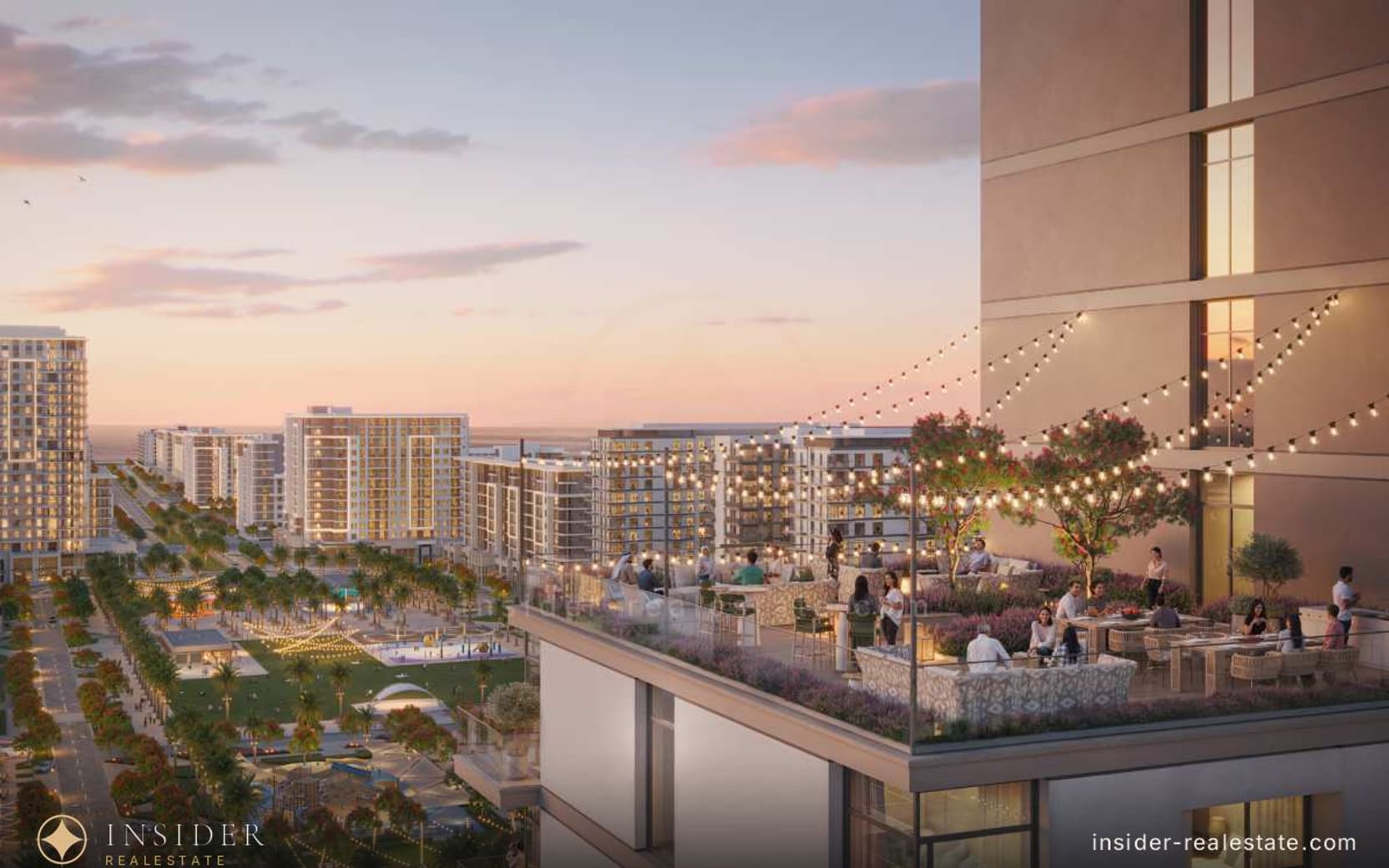
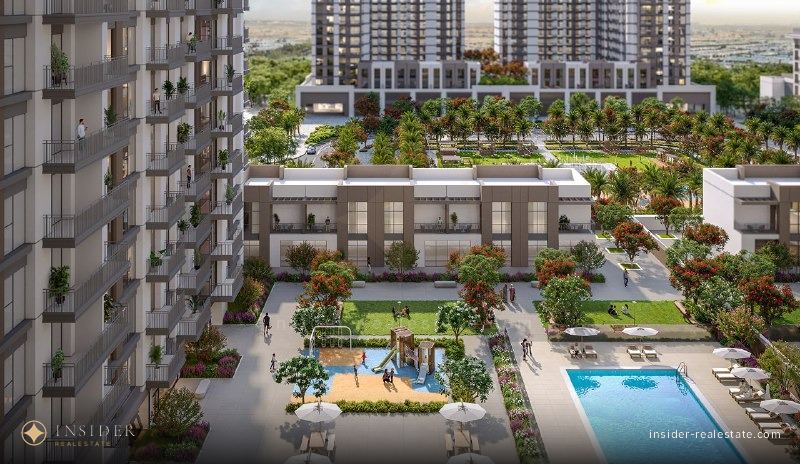
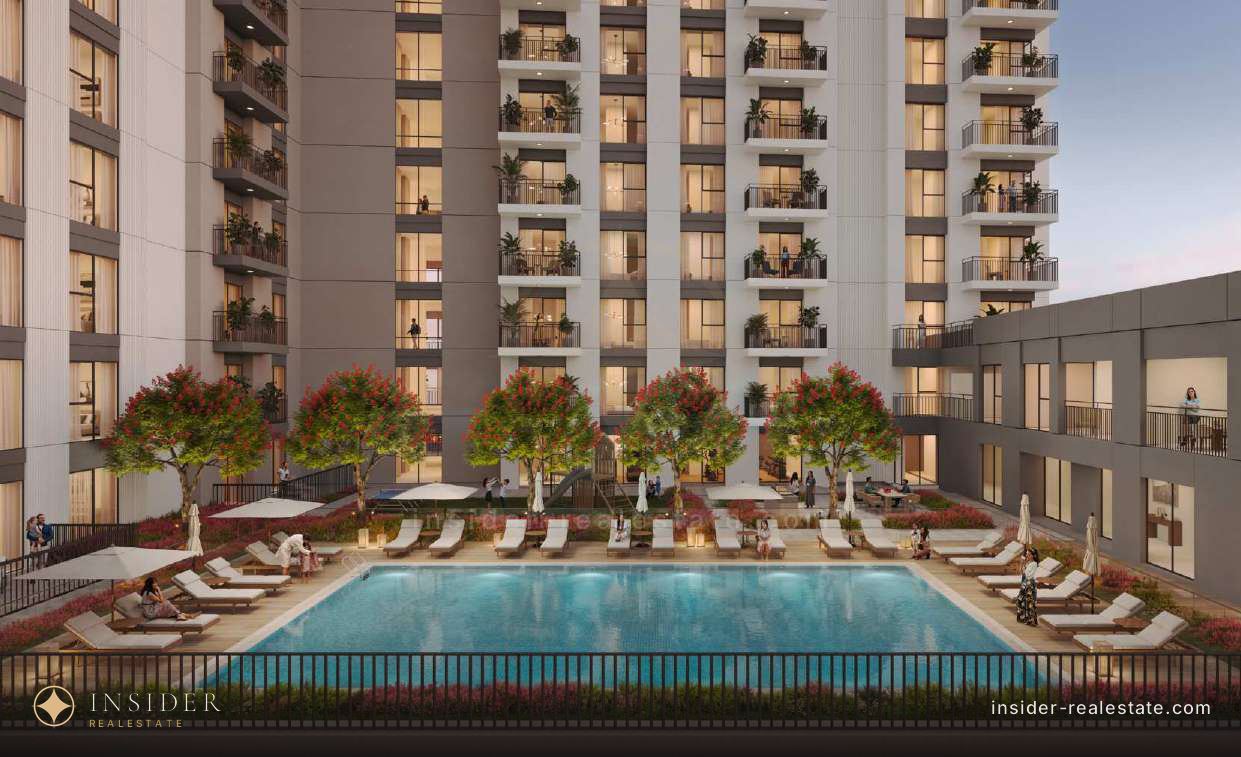
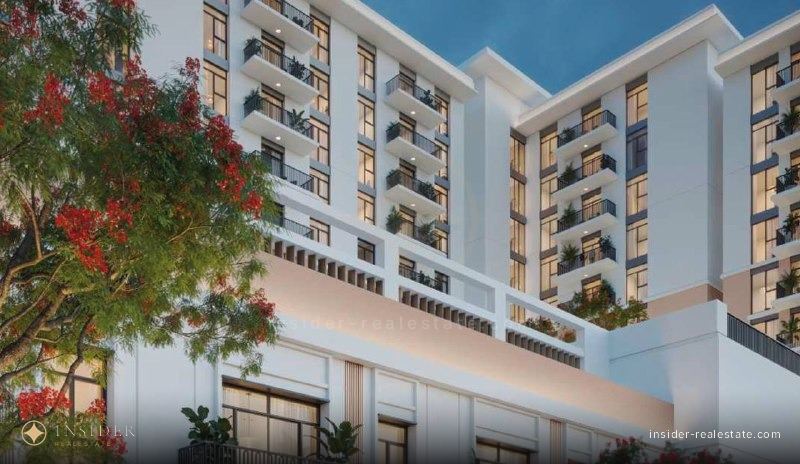
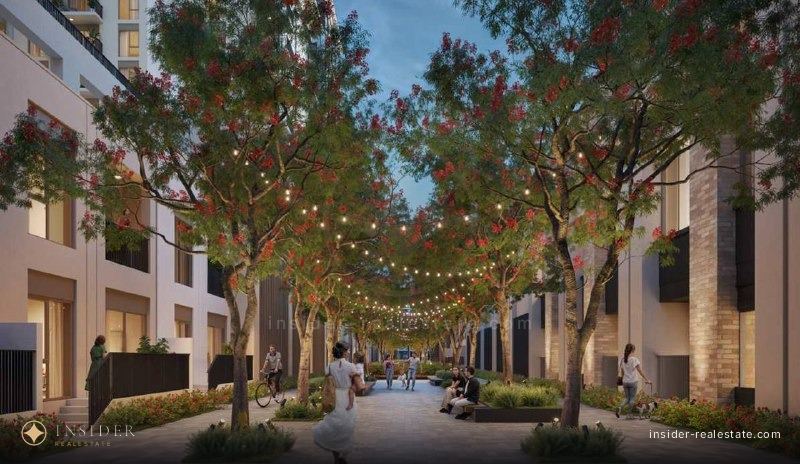
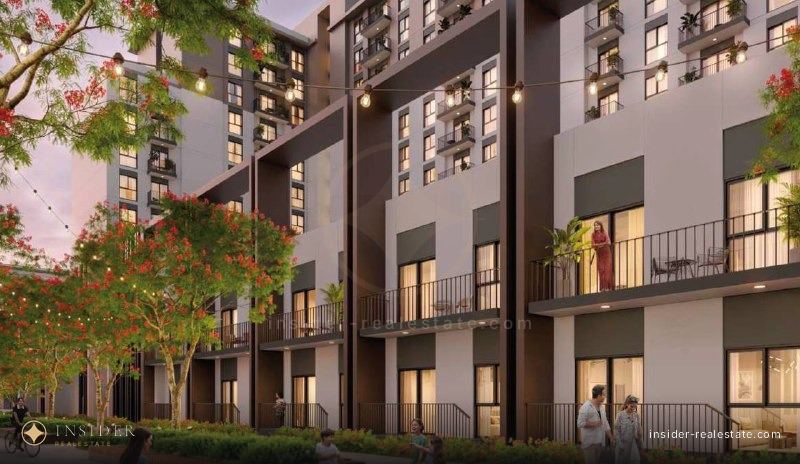
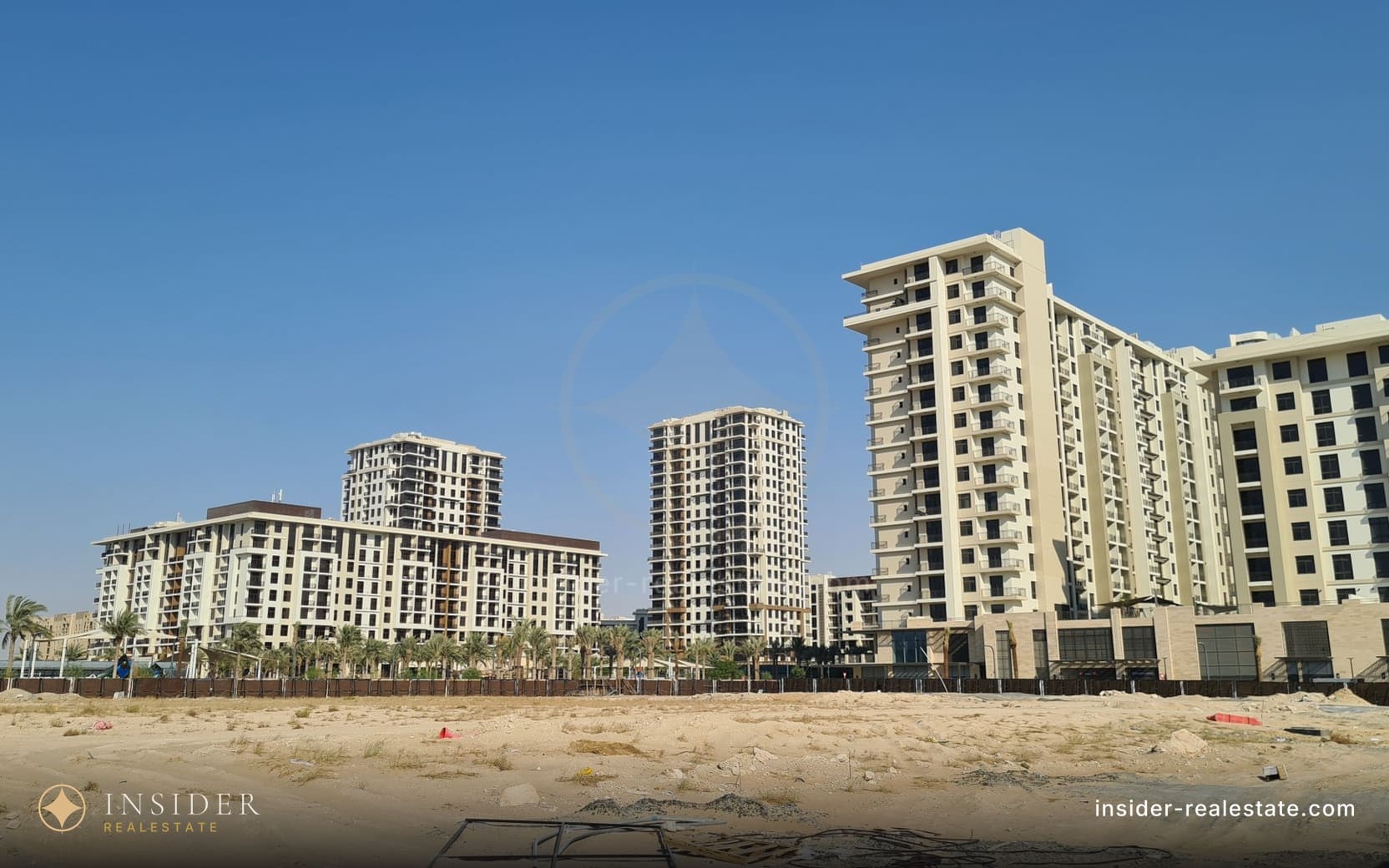
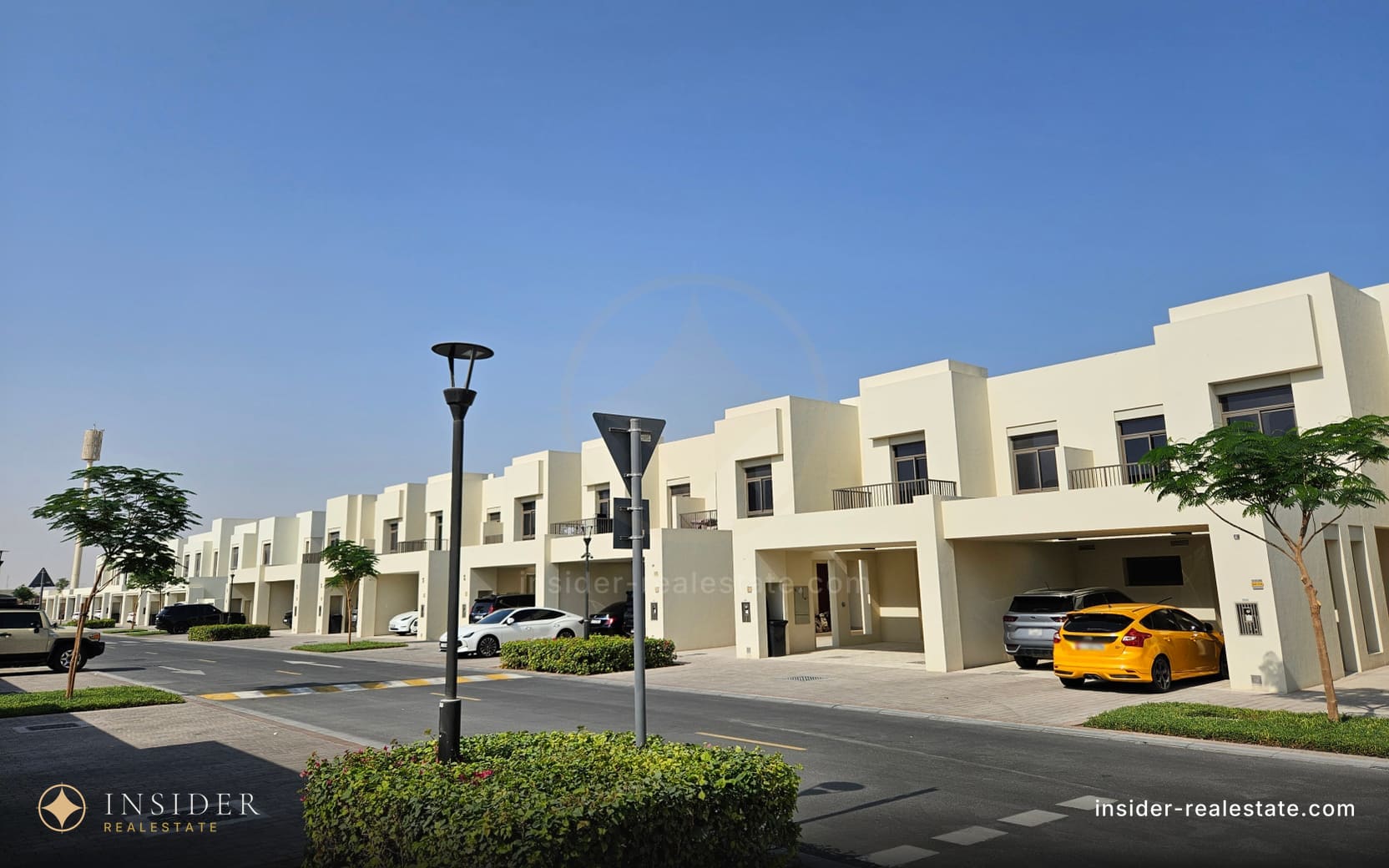
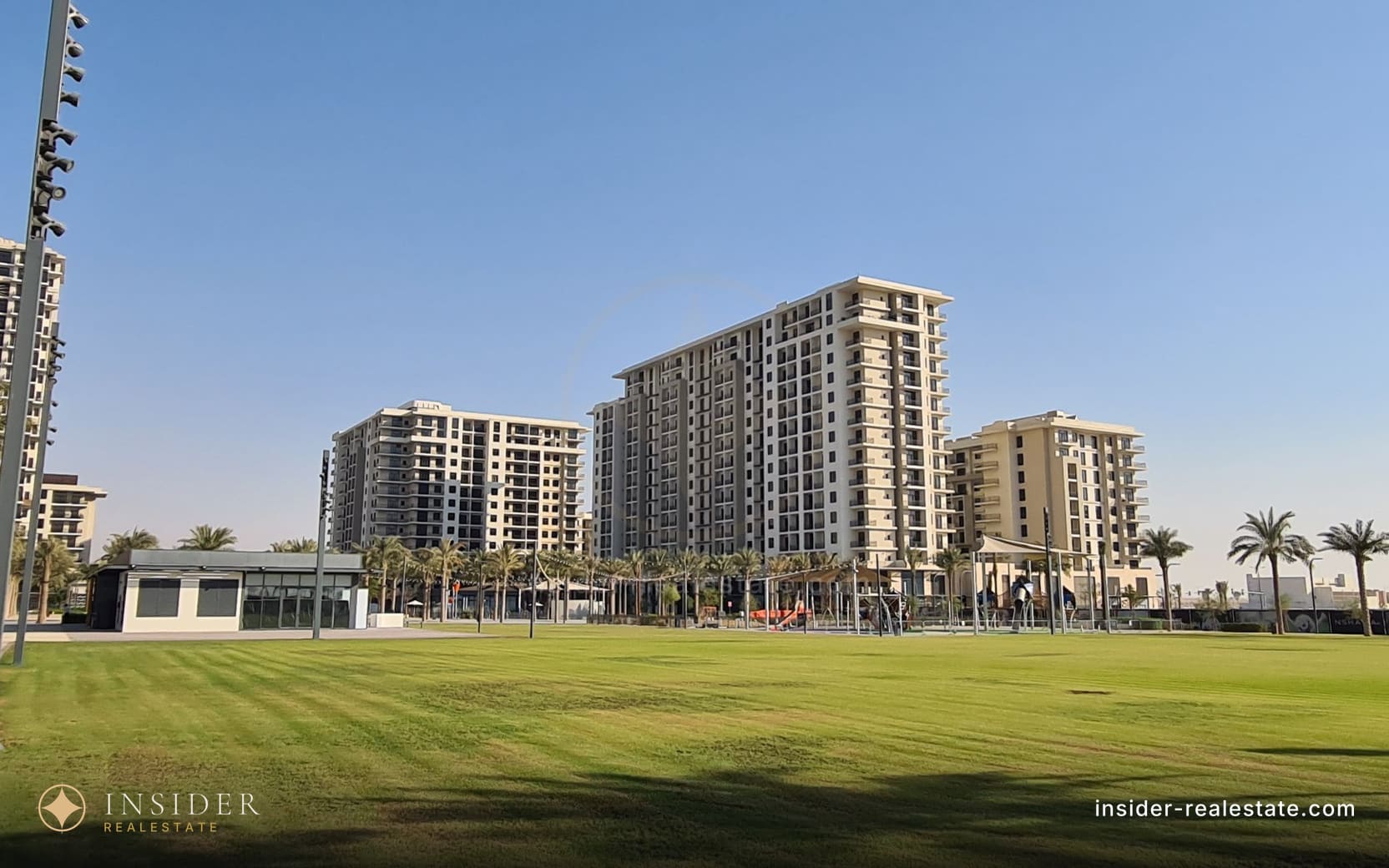
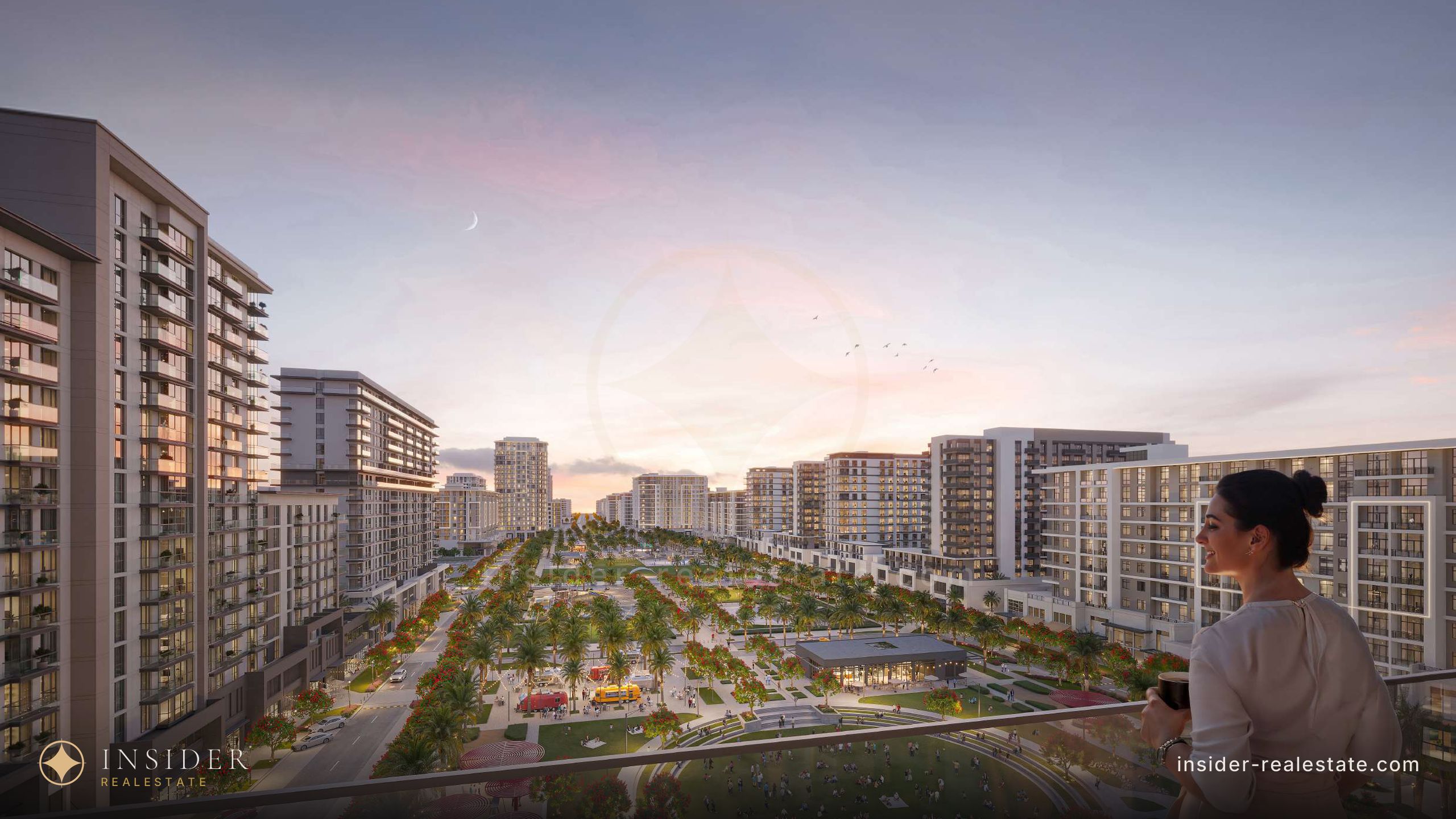
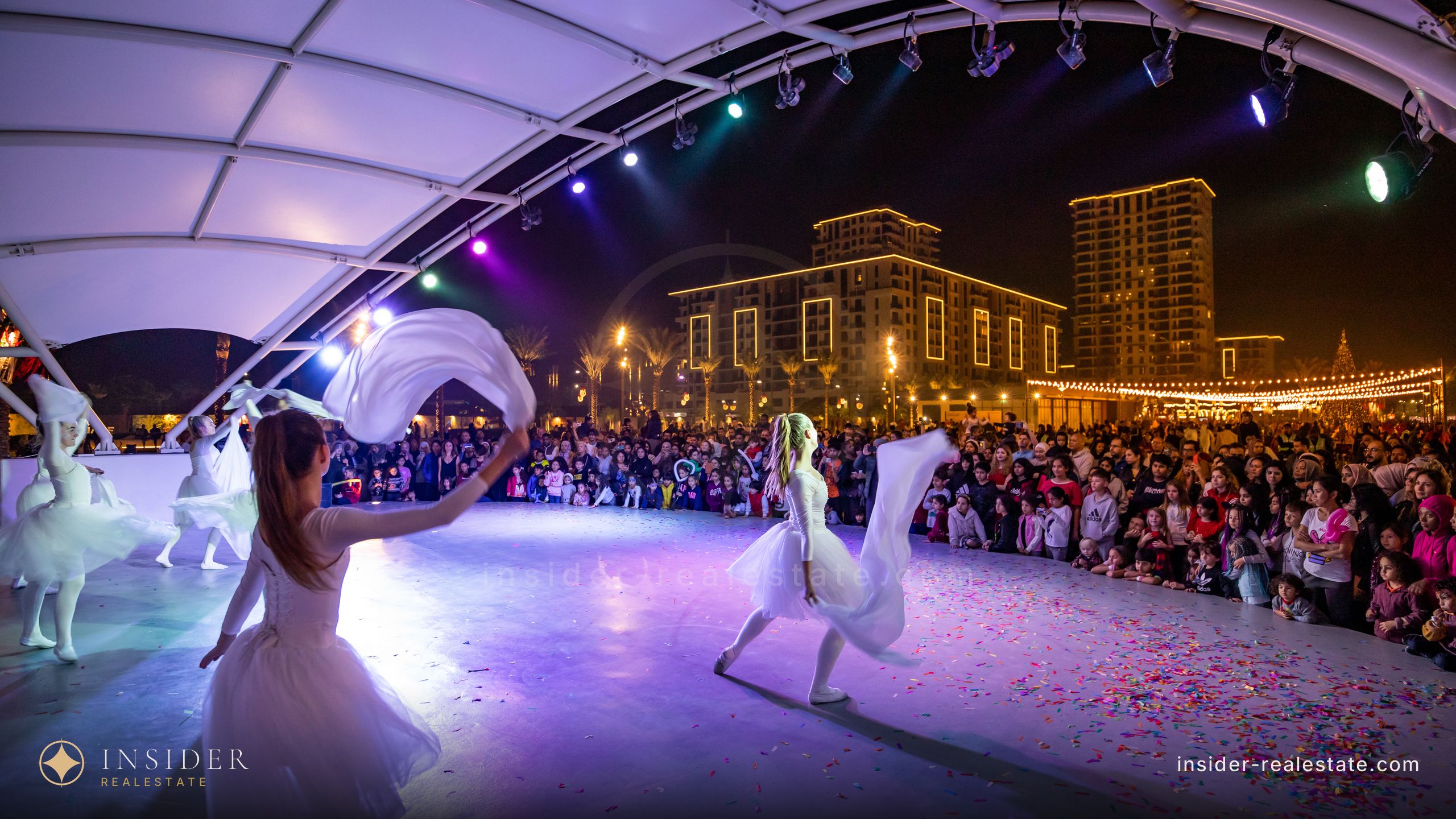
 Photo of the community −7%
 Nshama
A developer whose entire portfolio is, in practical terms, one project: Town Square. That is a deliberate model, not a limitation — its founder spent years running Emaar International's operations behind Dubai Marina, Downtown and the Emirates Living villa communities, and applied the same playbook to a single district instead of a citywide spread.
4 lots in stock across 3 projects. Of the 4 with a known status: 3 ready, 1 under construction. By median price — 95th of 139.
- Families who want a finished park and school on the doorstep
- A townhouse at a price a comparable apartment elsewhere would cost
- Buyers who don't want to pay a brand premium
- A long-term address, not a portfolio play
Median price $393K AED 1 445 000
Entry price $316K AED 1 160 000 — the cheapest lot
Completed stock 75% 4 lots discounted, deepest −7%
Where they build
The districts where this developer has the most lots in our stock.
Town Square 4
The company in brief
Checkable facts about the developer itself. Unlike the figures above, these are not about our stock and do not move with what happens to be listed today.
- Founded
- 2014, by a former senior Emaar International executive who had previously overseen Dubai Marina, Downtown Dubai and Arabian Ranches
- Portfolio
- effectively one masterplan — Town Square, on the city's south-eastern edge
- Format
- low-rise mixed development — townhouses and apartments around a shared park and retail strip
What kind of developer this is
Who they are, and why the whole portfolio is one district
Nshama was founded by a former senior Emaar International executive, and part of the team that had spent years delivering Dubai Marina, Arabian Ranches and the Emirates Living villa communities moved with him. The company deliberately chose not to spread itself across a dozen scattered towers around the city. Instead it picked one piece of land and has been building it out phase by phase, as a single organism rather than a collection of unrelated buildings.
For a buyer that means the whole team's experience and the whole company's reputation sit in one place. The upside is deep familiarity with exactly this kind of development — the low-rise, park-centred layout is repeated and refined phase after phase. The downside is the mirror image of the same choice: a stumble here is not offset by a win somewhere else in the city, because there is no somewhere else.
What they actually build
Their one project is not a tower or a single block but an entire mixed-format district: townhouses, low-rise houses and apartment buildings around a shared park, a retail strip and sports courts. The idea is that the school, the supermarket, the cafes and the playgrounds arrive alongside the housing rather than years after move-in, which is what happens when a developer sells units faster than it builds the services around them.
The price bracket is mid-market, with no premium for a marquee developer name. That is a deliberate position: the company competes not with premium brands for name recognition but with neighbouring districts on price per square foot of living space — a townhouse here typically costs less than a comparably sized villa in a more heavily marketed community.
How it gets built, phase by phase
The district grows in clusters, and a new phase generally launches once the previous one is occupied and its infrastructure is running. That is slower than building out the whole plot at once, but it lowers the risk of moving into a home surrounded by an active construction site with not a single working shop nearby — which is how the first years looked in plenty of new Dubai communities built by other developers.
The flip side of phasing is that clusters from different launches sit at genuinely different distances from the mature part of the district. The early phases today feel lived-in, with a working park and a full retail strip close by; in the newer clusters the infrastructure is still catching up, and the first couple of years there resemble any new community — on the promise that the park and school will arrive the way they already have for the neighbours.
Life after handover
The shared spaces are the district's strongest point: the park, the running paths and the retail strip were designed for daily use, not as a rendering flourish. Years after handover they genuinely function, visible in how many families use them on an ordinary evening rather than only in the marketing photography.
The weak point is that the condition of a specific building depends more on its own owners' association than it would with a developer running a single centralised management company across its whole portfolio. Service-charge discipline — how reliably it is collected and how it is spent — varies between clusters, and that is worth checking building by building rather than trusting the district's overall reputation.
Resale and liquidity
The district is mature enough by now to have a deep transaction history, for both townhouses and apartments, which makes it straightforward to find genuinely comparable sales for a fair valuation. That helps both with negotiating and with knowing the real price per square foot rather than the asking one.
At the same time your home is competing on resale not only with the immediate neighbours but with the newer phases the developer is still selling at launch-stage prices. When the company is simultaneously offering a fresh payment plan on a new cluster, resale sellers from the earlier phases have to compete with that offer, not just with each other.
Who it suits, and who it does not
Town Square is a strong pick for a family that wants a finished community to live in rather than an investment story — a mature park, a school within walking distance and neighbours in a similar income bracket. I recommend it to buyers who want a townhouse at a fair price and are comfortable in a mid-market suburb rather than a landmark-view city centre.
It does not suit buyers counting on a resale premium tied to the developer's name, or anyone looking for diversification through a single brand — by definition there is none, since the whole company sits on one plot of land. Nor does it suit buyers in a hurry: the outer phases haven't grown their infrastructure yet, and that takes more than a season to arrive.
Projects by Nshama
All projects →Nshama listings in stock
All stock →What these numbers mean, and what they do not
There is no “developer” column in the base — a lot is attributed by its project name. The figures on this page speak about our stock, not about the company’s share of the Dubai market: a large developer with a big completed portfolio may appear smaller than one whose units come up for resale more often.
Prices come from listings, not from closed deals. For a particular building I retrieve the registered Land Department sales and show the real closing prices.
Video
Nshama on video
Project breakdowns from the English channel. Every clip has a written version on a page of its own.
 13:04
13:04 Video
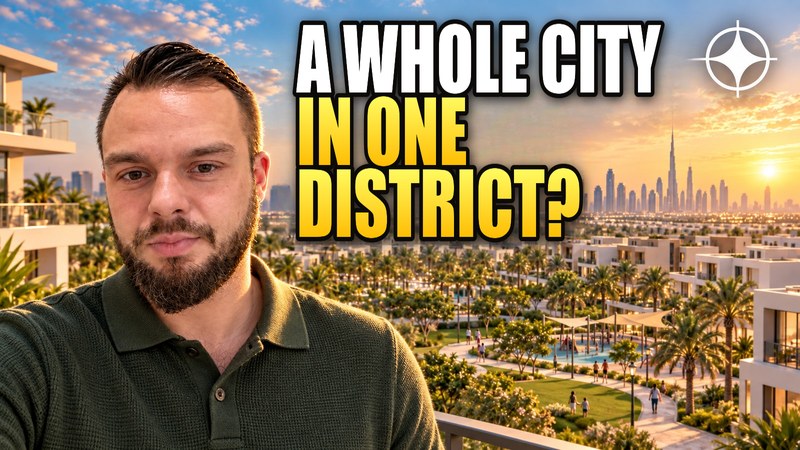
The best townhouses in Dubai under USD 600 000: Nshama Town Square
Better quality than the standard Dubai Hills townhouse clusters, further from the centre, with more varied infrastructure — cafés, restaurants, two schools, nurseries, wake surfing and a huge central park.
WatchIn the news
Nshama: one community, built to be lived in
A developer that put nearly everything into a single town — Town Square. What a single-project company means for a buyer, and how to judge a community that is still filling up.
Other developers
All developers → Questions
Nshama: questions and answers
How much does a Nshama apartment cost?
The median across this developer's lots in our stock is $393K (AED 1 445 000), with entry from $316K. The figures come from asking prices in our base, not from the Nshama price list, and they are recalculated nightly to reflect what is actually for sale today.
Are there discounts on Nshama property?
Right now the base holds 4 lots from this developer priced below the market, with the deepest cut at 7%. The discount comes from the seller on a resale or an assignment, not from the developer: they have their own reason to exit quickly. The size of the cut is computed against comparable property by an algorithm, not typed in by a broker.
Is Nshama a reliable developer?
Founded: 2014, by a former senior Emaar International executive who had previously overseen Dubai Marina, Downtown Dubai and Arabian Ranches. Delivered: effectively one masterplan — Town Square, on the city's south-eastern edge. A developer is checked against the Land Department’s open register rather than a brochure: it shows the licence status, the construction progress of each project and the registered escrow account. On off-plan the buyer’s money goes into that account under RERA supervision and is released against verified milestones. The full dossier is in the write-up above.
What projects is Nshama building?
The site catalogue covers 12 projects by Nshama, each with a building passport — storeys, units, handover date and bedroom mix. They are listed above, and the “Where they build” block shows the districts with the most of its lots. Any lots on sale appear directly beneath their project.
Should I buy from Nshama direct or through a broker?
The price is the same: on off-plan the developer pays the broker’s commission, not the buyer, so going straight to the sales office saves nothing. The difference is elsewhere — a developer’s sales office shows its own projects only, and will not tell you that the same thing next door is cheaper or that this project is running later than advertised. On resale and assignment the commission is the standard 2% plus VAT.
Is Nshama worth buying
It depends what you are buying and why. Send me your budget and the job it has to do — I will tell you which of this developer's projects make sense right now and which I would walk past.
Ask on WhatsAppAsk a question
Telegram is the fastest way — I answer personally.
Message on Telegram