
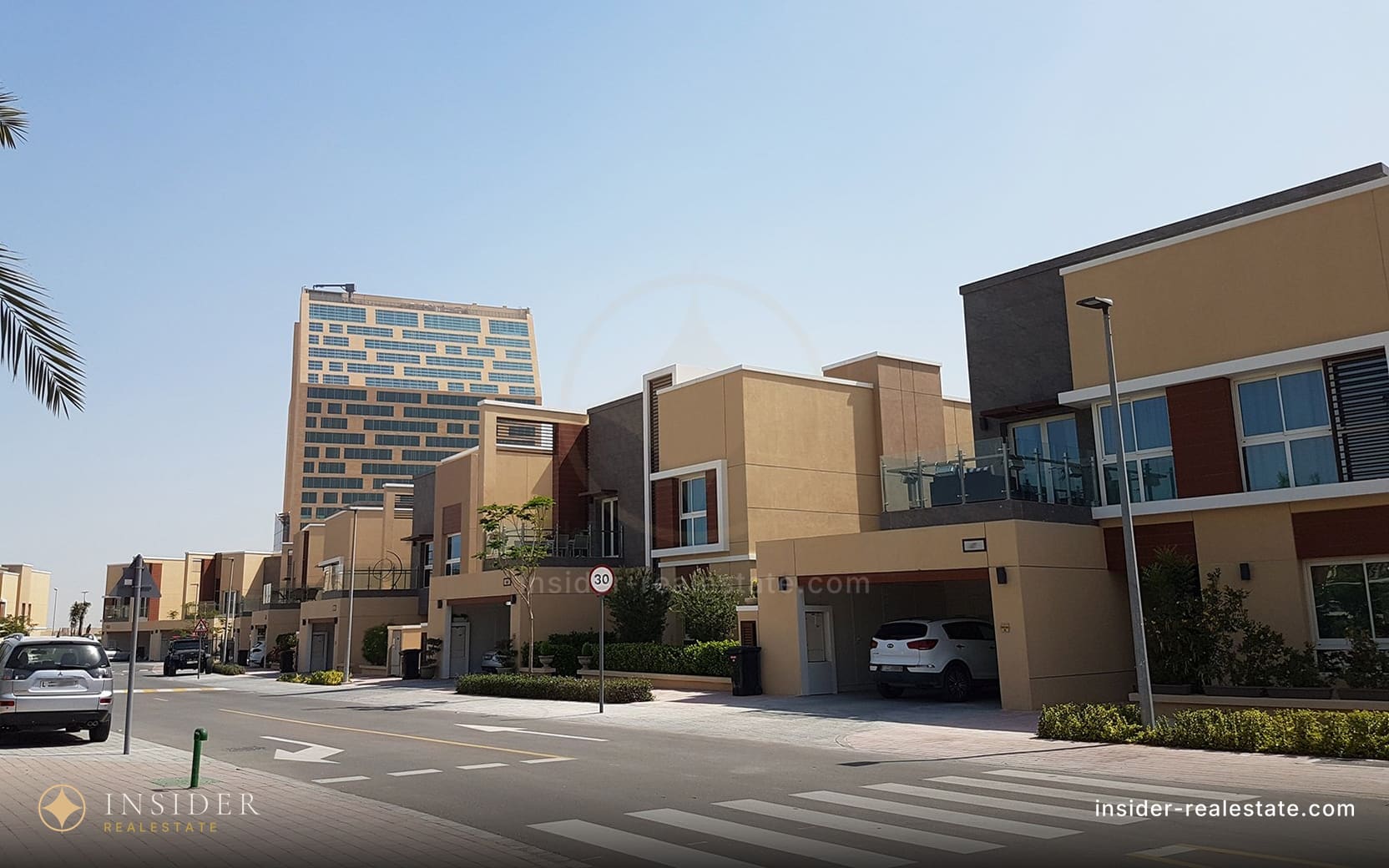
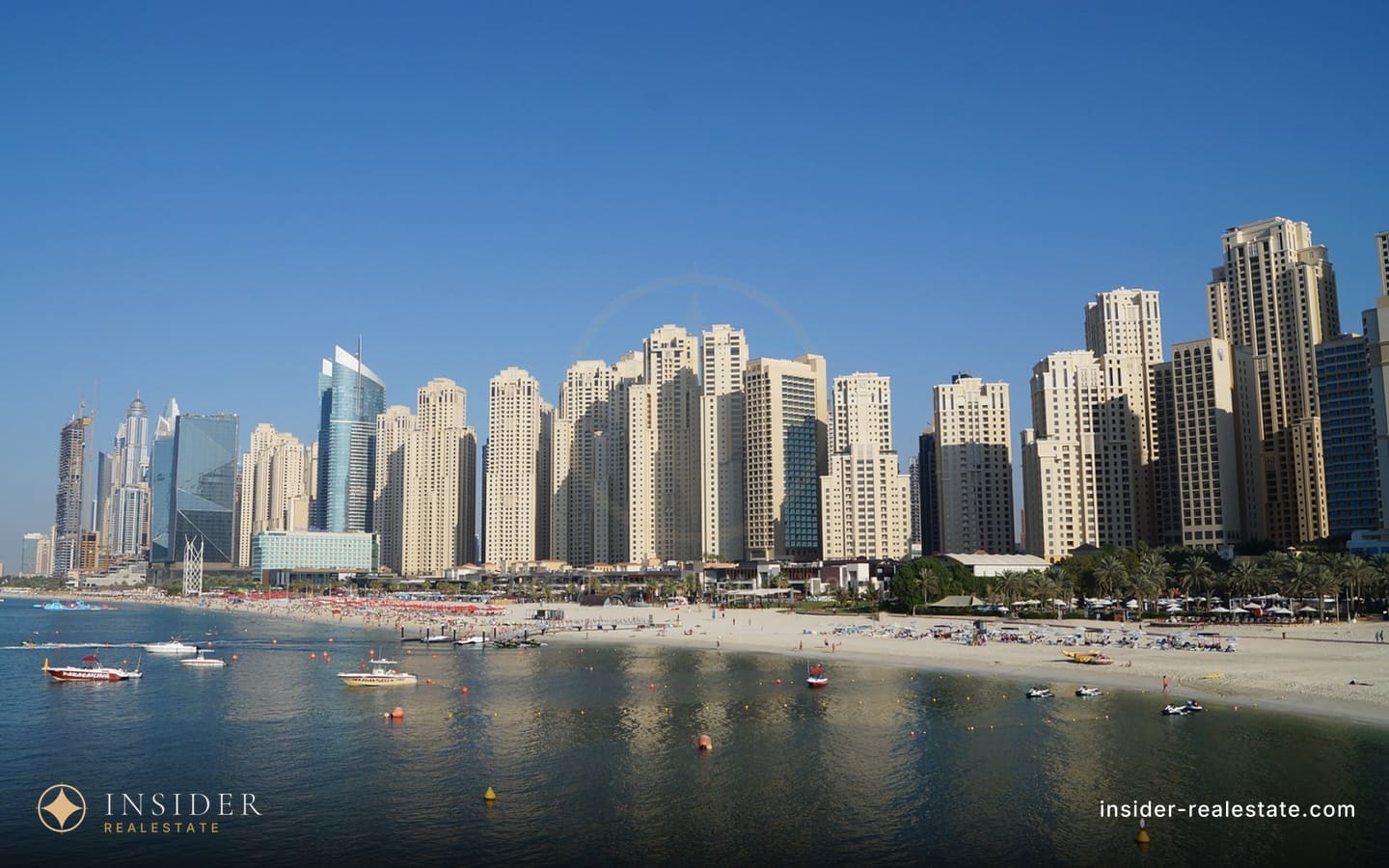
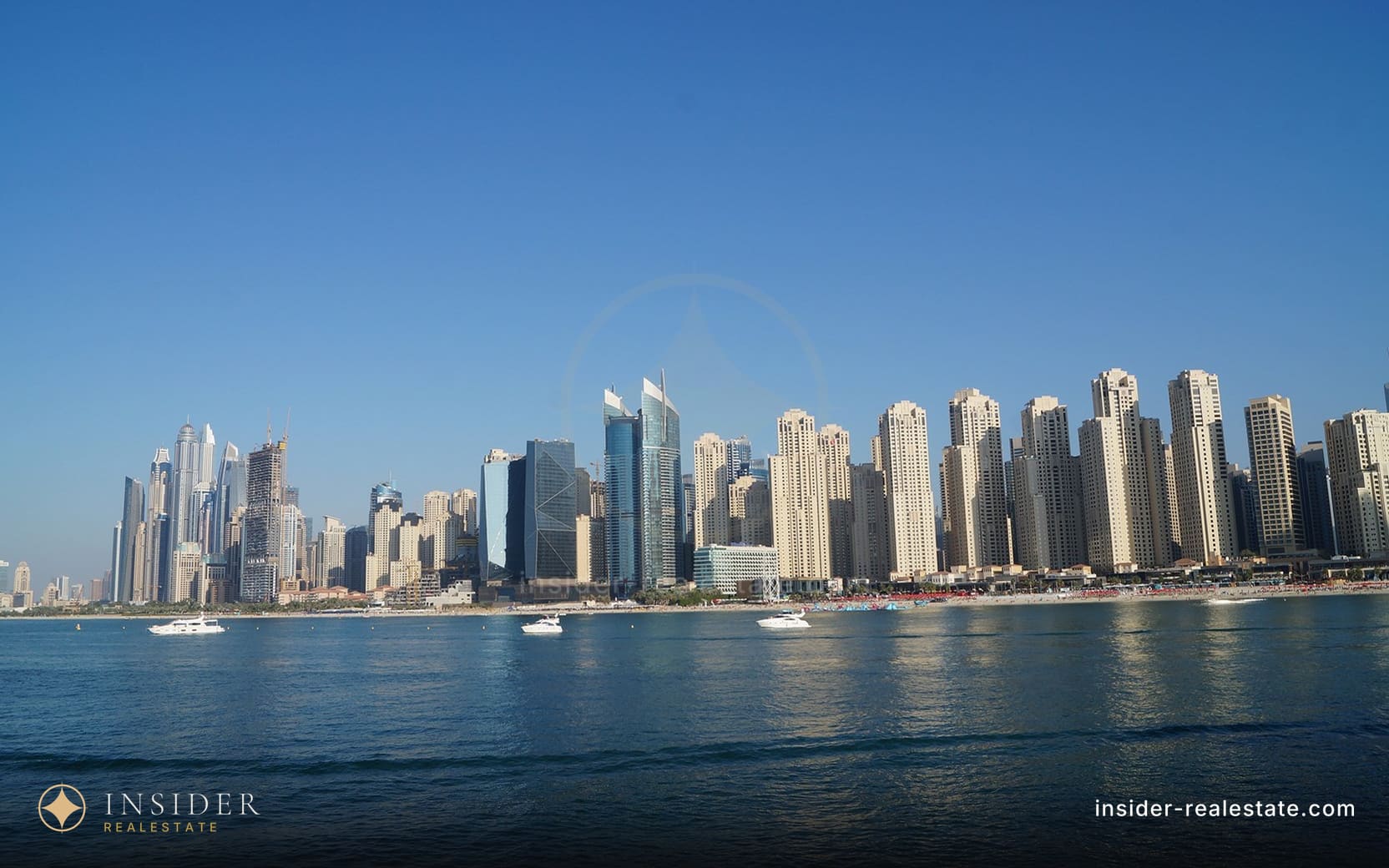
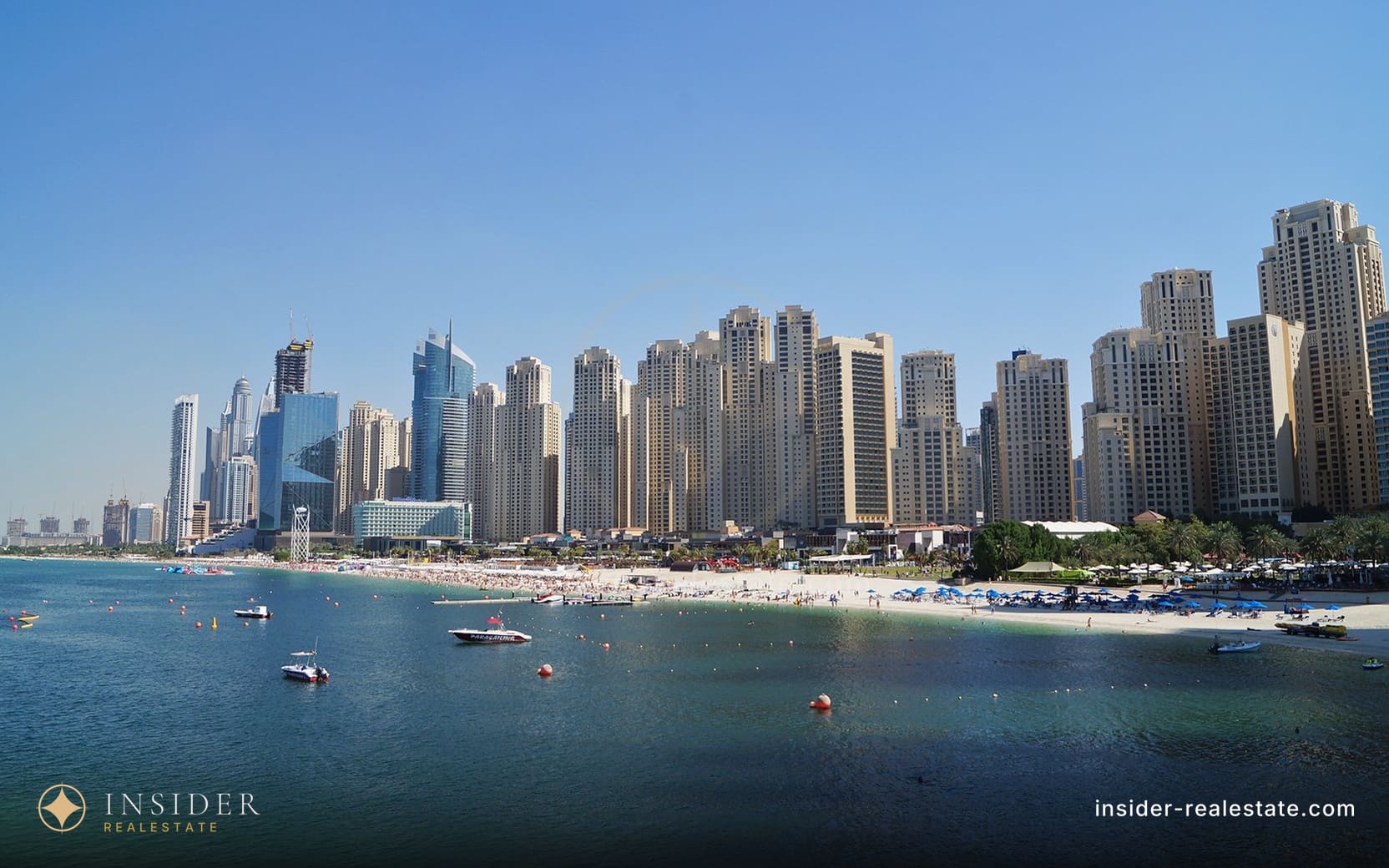
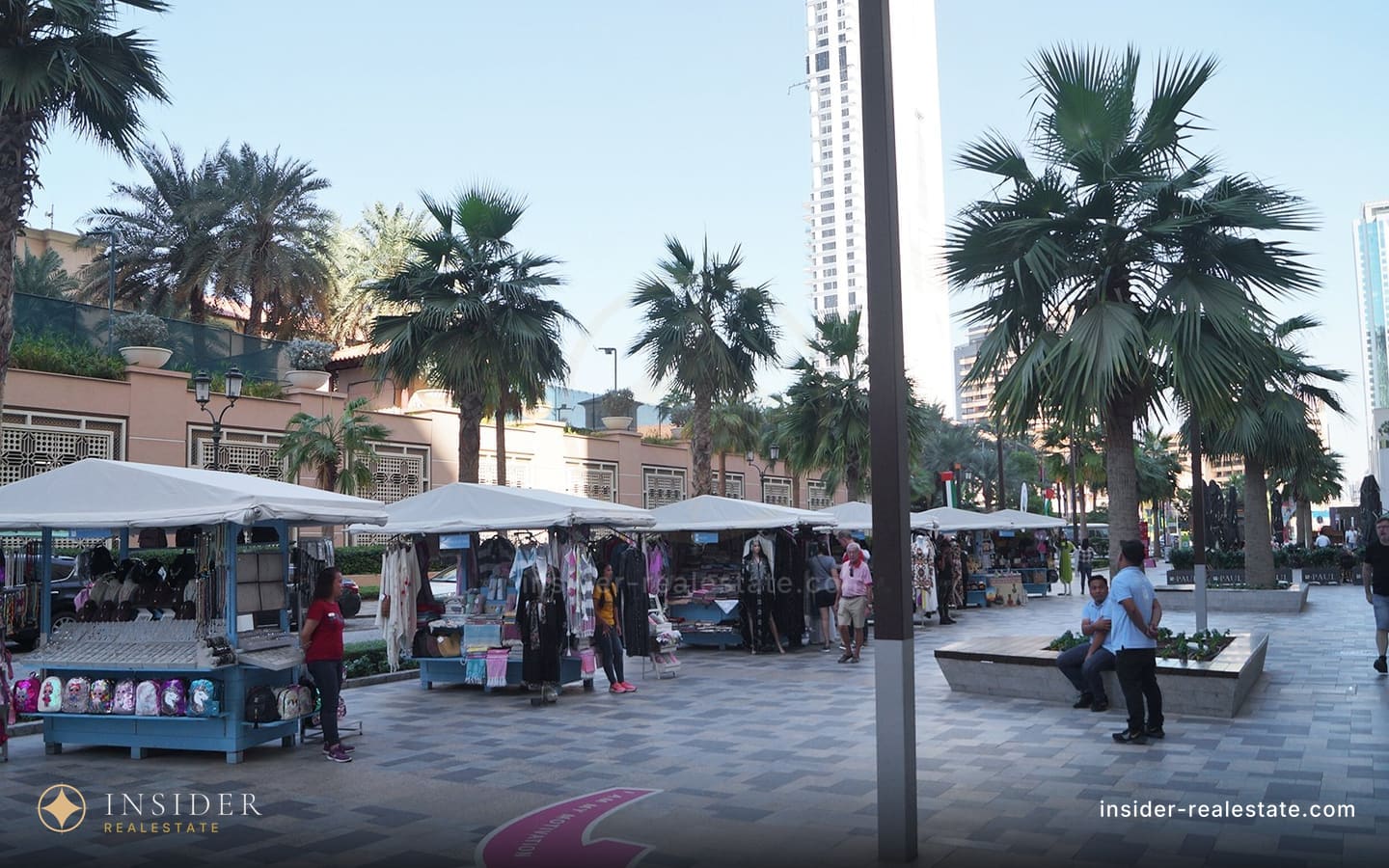
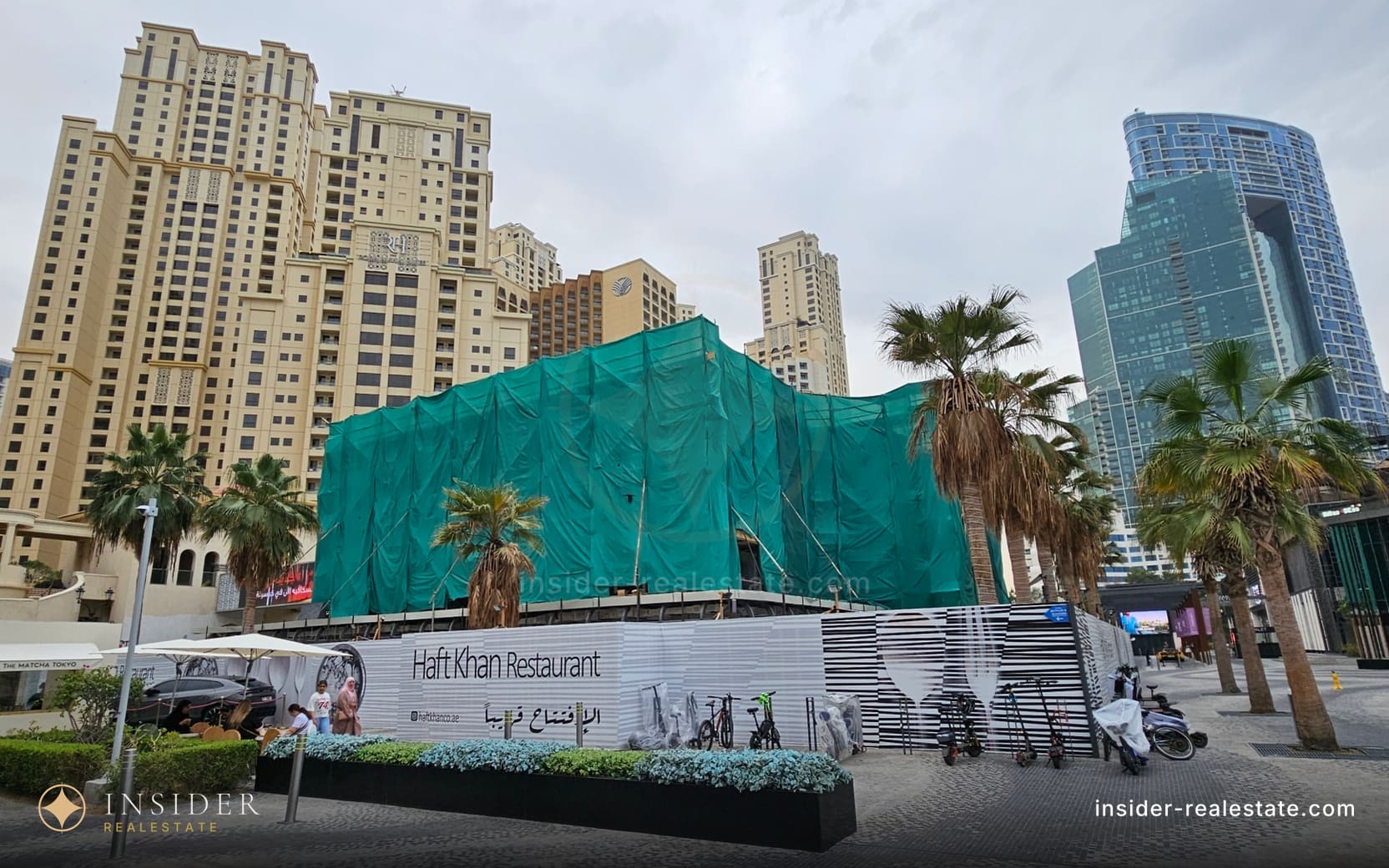
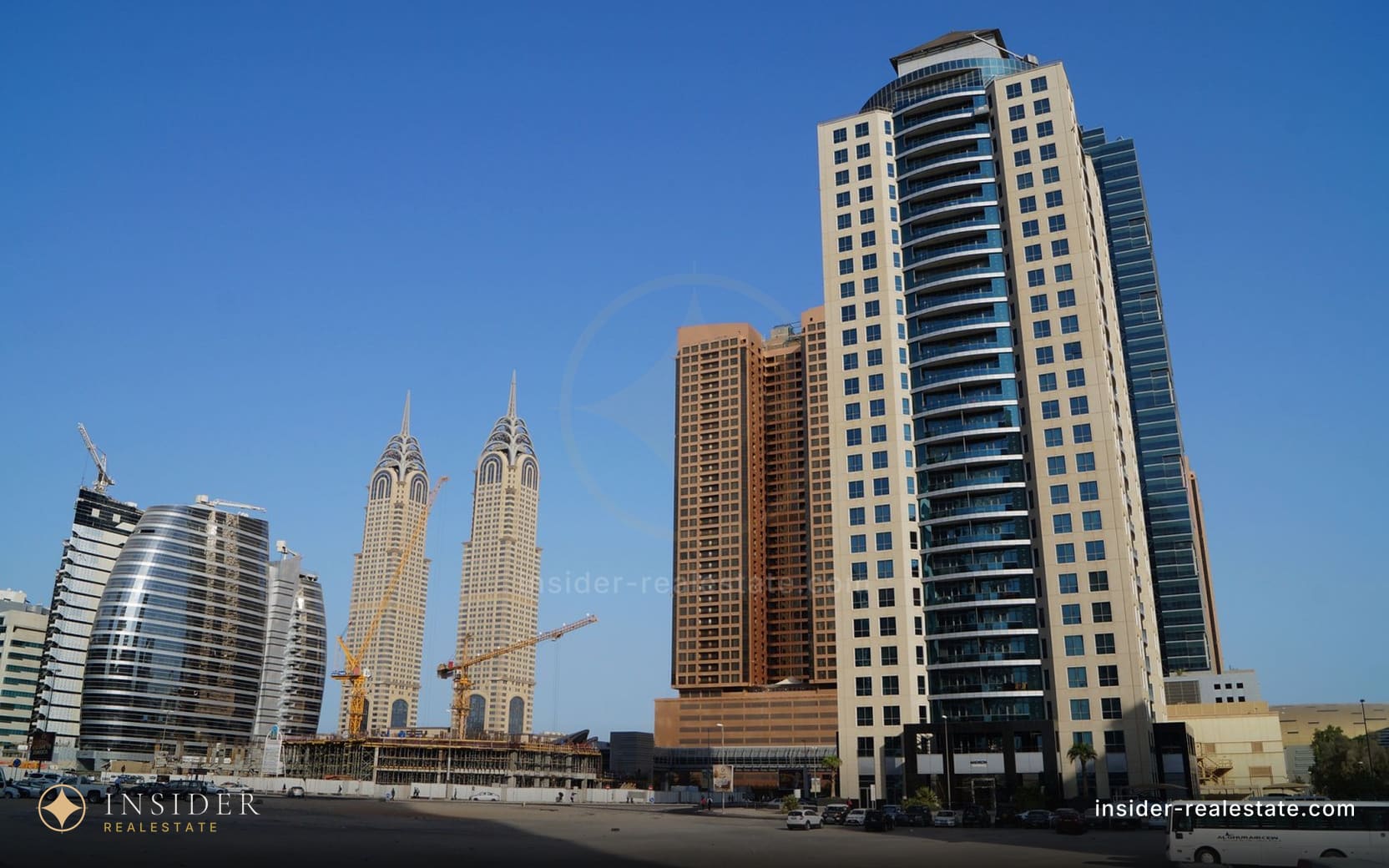
 Photo of the community
 TECOM Group
A listed company that owns and runs Dubai's business free zones — Internet City, Media City, Design District and seven more clusters — leasing office space to multinational tenants; residential product like Villa Lantana is a side line, not the core business.
7 lots in stock across 1 project. Of the 7 with a known status: 0 ready, 7 under construction. By median price — 81st of 139.
- Long-term letting to a tenant from the same cluster
- Demand you can verify through public disclosure
- Anyone who works inside one of the free zones themselves
- Not for a family wanting an ordinary residential district
Median price $485K AED 1 780 000
Entry price $354K AED 1 300 000 — the cheapest lot
Per square foot $692 AED 2 540 / sq.ft, median
Completed stock 0% no discounted lots right now
Where they build
The districts where this developer has the most lots in our stock.
Barsha Heights / TECOM 4 Business Bay 3
The company in brief
Checkable facts about the developer itself. Unlike the figures above, these are not about our stock and do not move with what happens to be listed today.
- Listing
- IPO on the Dubai Financial Market (DFM) in July 2022 — one of the most heavily oversubscribed listings in the exchange's history
- Parent
- Dubai Holding, the Dubai government conglomerate, retained a controlling stake after the IPO
- Track record
- developing Dubai's business districts since 1999
- Portfolio
- ten business districts, including Dubai Internet City, Dubai Media City, Dubai Design District, Dubai Science Park and Dubai Studio City
- Tenants
- cluster occupants include Meta, Google, Visa, BBC, CNN, Unilever and Dior
What kind of developer this is
Who this is, and why it is not an ordinary developer
TECOM Group is not primarily a homebuilder but a commercial-property operator: it owns land and buildings across Dubai's business free zones and earns its income from the rent paid by companies operating there. Its public-company status works differently from a residential developer like Emaar's — investors care about office occupancy and commercial income, not the pace of apartment sales, and those are the figures the company is required to disclose under exchange rules.
For a buyer of housing inside one of its districts, that is an unusual advantage — a publicly available leading indicator of demand. Occupancy for the free zone your building sits in shows up in the company's disclosures before it shows up in the neighbourhood's rental rate, and that is worth more than any forecast from a sales office.
An owner-operator model
The company holds assets rather than selling and walking away: income comes from decades of rent paid by the same corporate tenants, which gives it a direct financial reason to keep the district in good order — a poorly maintained cluster loses tenants faster than a poorly maintained residential building loses buyers. Infrastructure in these districts is designed around business needs — connectivity, parking, meeting space, food options for staff — not around residential community requirements.
Housing inside these clusters is a secondary product, and most of what carries the TECOM address was actually built and sold by other companies operating on free-zone land terms. Villa Lantana in Dubai Science Park is a rare case where TECOM itself is the developer of record, but that is closer to an exception than the rule across its portfolio.
What that means for a tenant or buyer
Demand for housing inside a free zone is tied to whether companies in that specific cluster are hiring, not to citywide dynamics. Employment growing at Dubai Internet City lifts demand for apartments nearby; hiring slowing in a specific industry drags demand down with it, regardless of what the city average is doing. This is concentrated demand, not diversified demand, and it should be assessed separately from citywide trends.
The rhythm of these districts is a working-week rhythm — busy during office hours, quiet at weekends. That is a deliberate business-first design choice rather than a planning flaw, but it is worth knowing before moving in rather than after. The upside is a short commute for anyone who works in the same cluster: letting to a tenant from the neighbouring office needs neither a car nor the metro.
Ownership structure is question one
Dubai's free zones and mainland districts are structured differently in law, and that is the first question when buying inside a TECOM cluster, not a footnote. A non-national's right to own the specific building, the terms of any underlying land lease, and which registration rules apply should all be obtained in writing before comparing price per square foot with an ordinary Dubai district nearby.
It is also worth establishing who the actual seller of record is — the free zone's name and signage often do not match the legal entity that developed the specific building, and that entity, not TECOM, is who any claim over quality or timing would be made against. TECOM's role in that chain is usually as landowner and infrastructure provider, not as the counterparty on a sale and purchase agreement.
Liquidity and the resale market
The pool of buyers and tenants inside TECOM's business clusters is consistently narrower than in an average Dubai residential district — mostly employees of companies in the zone itself and investors deliberately targeting this niche. For a long-term let, that is an advantage: the tenant is legible and verifiable through the cluster's published occupancy; for a quick resale, it is more of a drawback, since none of the broad, spontaneous demand that a district like Dubai Marina or JVC attracts is present here.
Villa Lantana, as the company's own residential project, sits apart from the commercial portfolio and is better assessed as an ordinary residential asset in Dubai Science Park — with the caveat that even there, tenants are more likely to come from neighbouring labs and offices than from elsewhere in the city.
How I work with its projects
I start with ownership structure and who the actual seller of record is — for anything inside a free zone that settles the question before the floor plan does. Next I check the target cluster's published occupancy over the most recent reporting periods: it is the one genuinely verifiable indicator of future rental demand nearby, available without a visit to the sales office.
I also price out the service charge and whether there is a separate free-zone district levy on top of the ordinary building fee — business infrastructure costs more to run than a typical residential quarter. And for a long-term let specifically, I discuss with the client who the realistic tenant for that address actually is: an employee of a company in the same cluster tends to pay more reliably and stay longer than a tenant with no connection to the zone.
Projects by TECOM Group
All projects →TECOM Group listings in stock
All stock →
What these numbers mean, and what they do not
There is no “developer” column in the base — a lot is attributed by its project name. The figures on this page speak about our stock, not about the company’s share of the Dubai market: a large developer with a big completed portfolio may appear smaller than one whose units come up for resale more often.
Prices come from listings, not from closed deals. For a particular building I retrieve the registered Land Department sales and show the real closing prices.
In the news

TECOM Group: the landlord of the free zones, and why that shapes the housing
A listed company that owns and leases Dubai’s business districts rather than selling them. What it means to buy a home inside a district whose owner’s business is commercial rent.
Other developers
All developers → Questions
TECOM Group: questions and answers
How much does a TECOM Group apartment cost?
The median across this developer's lots in our stock is $485K (AED 1 780 000), with entry from $354K. The median per square foot is $692. These are asking prices out of our own base, recalculated every night; they follow what the developer and its sellers actually have on the market, not the price list on a corporate site.
Is TECOM Group a reliable developer?
Delivered: ten business districts, including Dubai Internet City, Dubai Media City, Dubai Design District, Dubai Science Park and Dubai Studio City. The register of the Land Department is the source that matters, not the brochure: it lists the licence, each project’s progress in per cent and the escrow account. On off-plan the buyer’s money sits in that account under RERA control and is paid out as construction stages are verified. The complete dossier is in the write-up above.
What projects is TECOM Group building?
The site catalogue covers 8 projects by TECOM Group, each with a building passport — storeys, units, handover date and bedroom mix. They are listed above, and the “Where they build” block shows the districts with the most of its lots. Any lots on sale appear directly beneath their project.
Should I buy from TECOM Group direct or through a broker?
Money-wise there is no difference: on off-plan the broker is paid by TECOM Group, not by you, so calling the sales office direct saves nothing. What differs is the view — the developer’s sales team sells only its own buildings and will not mention that the same unit costs less next door or that this project hands over later. On resale and assignment the commission is the usual 2% plus VAT.
Is TECOM Group worth buying
It depends what you are buying and why. Send me your budget and the job it has to do — I will tell you which of this developer's projects make sense right now and which I would walk past.
Ask on WhatsAppAsk a question
Telegram is the fastest way — I answer personally.
Message on Telegram