TECOM Group: the landlord of the free zones, and why that shapes the housing
A listed company that owns and leases Dubai’s business districts rather than selling them. What it means to buy a home inside a district whose owner’s business is commercial rent.

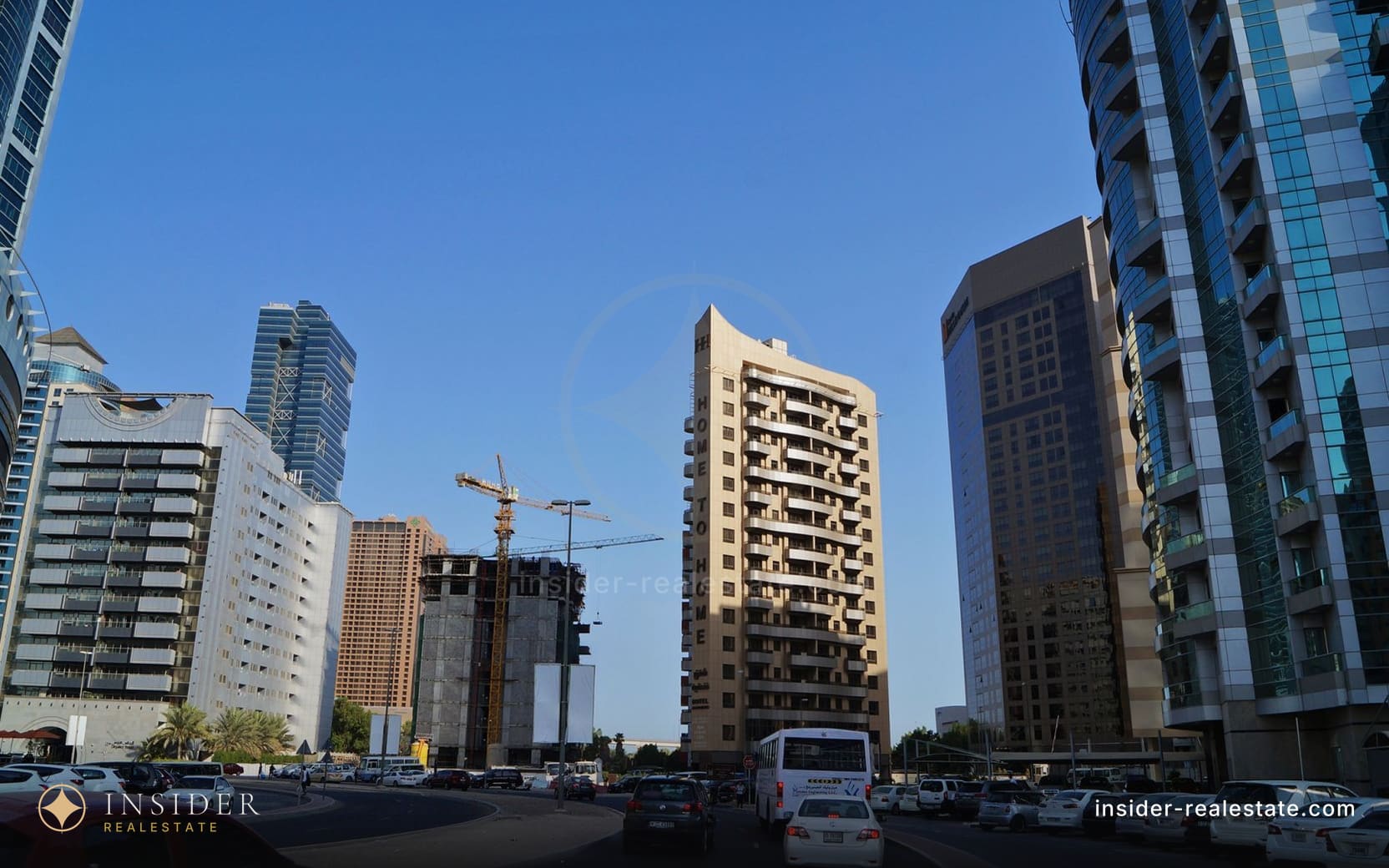
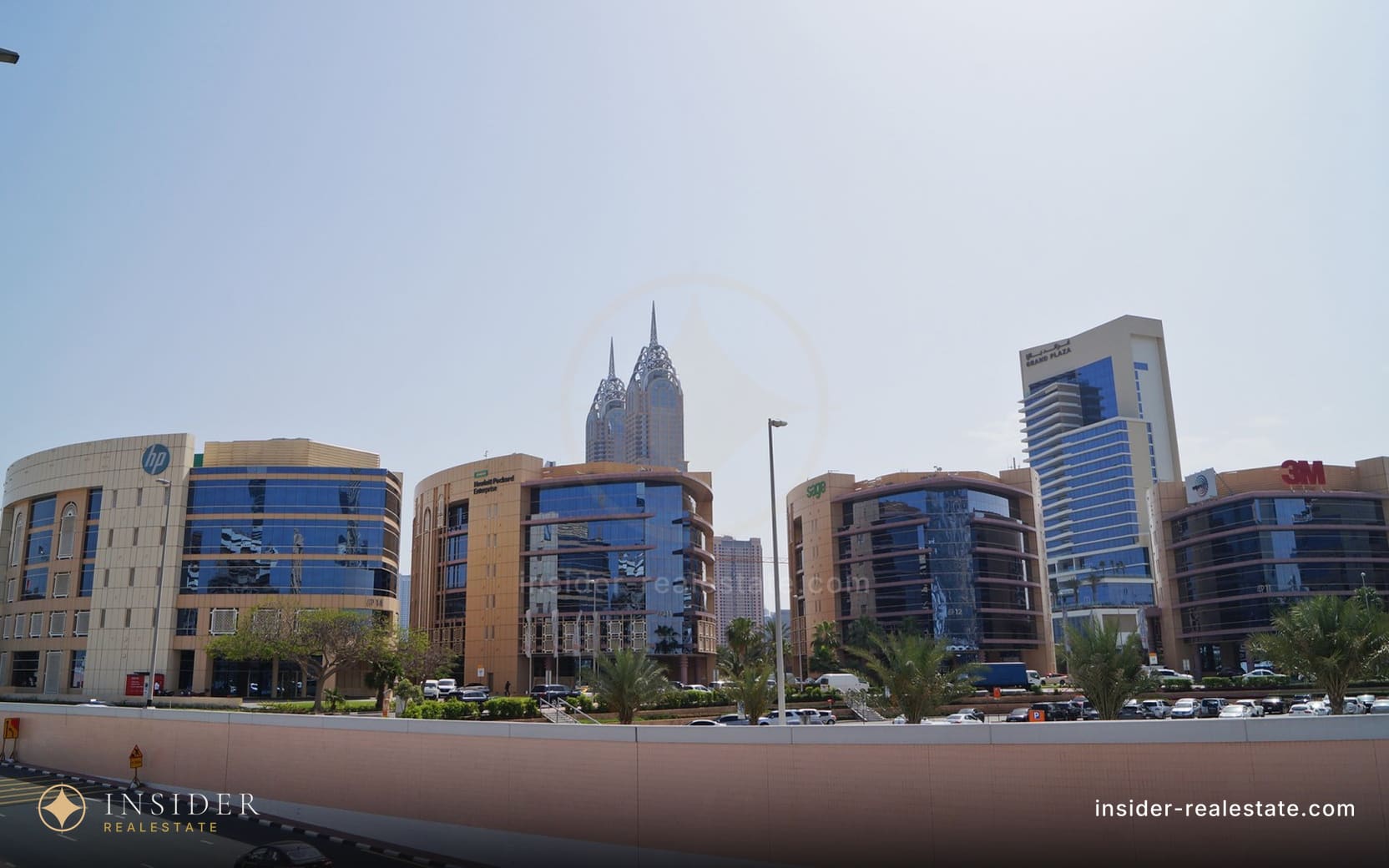
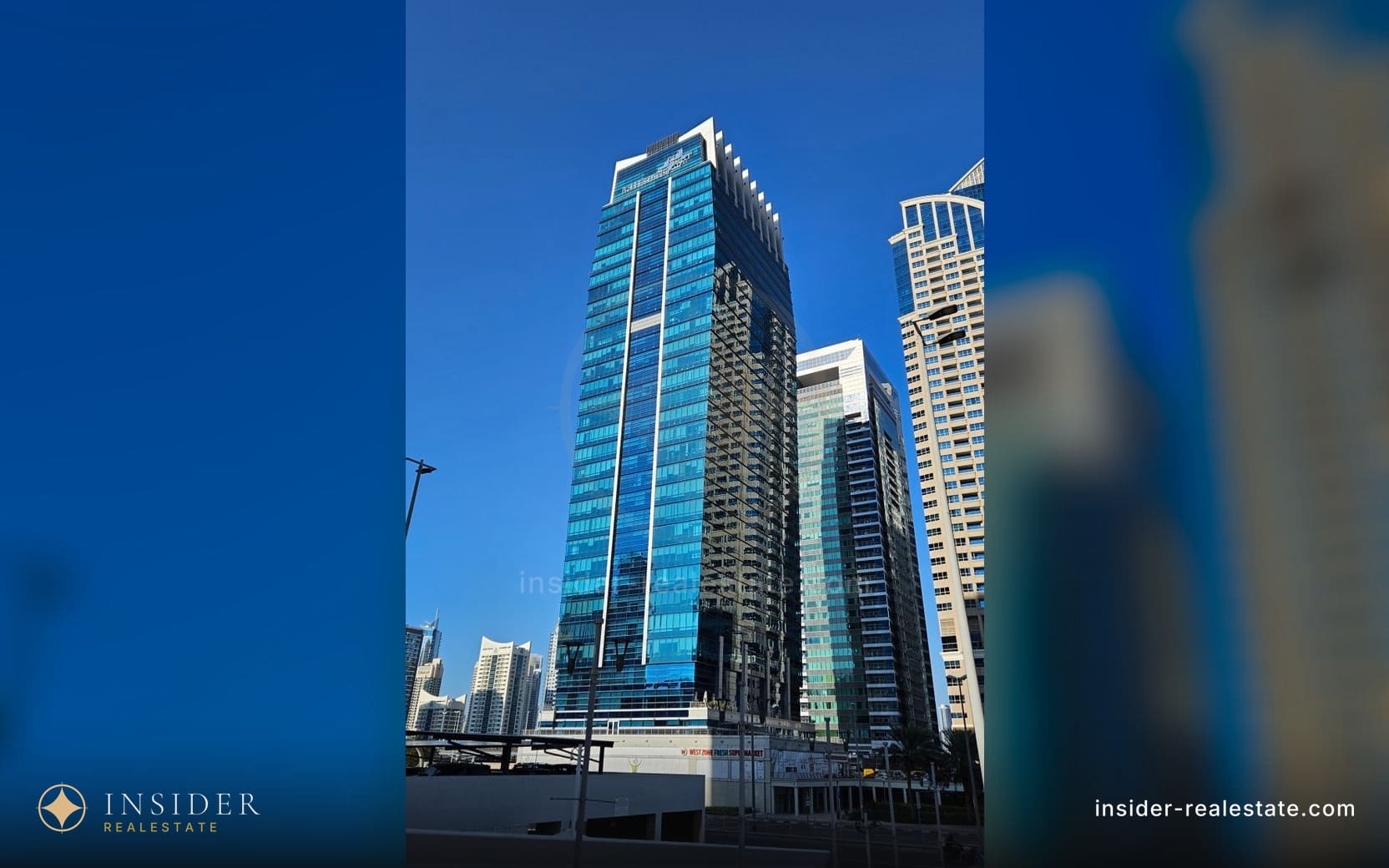
TECOM Group is not primarily a housebuilder. It owns and operates the business districts that host Dubai's media, technology, design, science and education free zones, and its income is commercial rent. Housing appears inside those districts as a supporting element.
Why an owner-operator behaves differently
- It holds rather than sells. A company whose income is rent from tenants it will still have in twenty years has direct reasons to maintain the district well.
- Its customer is the employer. The districts are shaped around what businesses need — connectivity, parking, meeting space, food — and residents benefit from that indirectly.
- It is listed, so occupancy rates and rental income are published. For a buyer, district occupancy is unusually visible here, and occupancy is what drives residential demand next door.
- Residential is not the core. The volume of homes it sells is small, so most housing inside these districts was built and is sold by other companies.
What that means for a buyer
The practical effect is that you are buying into an employment cluster rather than a residential community. That has clear consequences:
- Tenant demand is tied to the free zone. When the cluster's companies hire, rental demand rises; when they do not, it does not. Check the published occupancy.
- Weekday rhythm. These districts are busy at office hours and quiet at weekends — the opposite of a residential neighbourhood, and a preference rather than a fault.
- Short commutes for the right tenant. A home inside the cluster where the tenant works is a strong long-let proposition, which is exactly the niche.
- Freehold status varies by location. Establish the ownership form for the specific plot before anything else — free-zone and mainland districts are not uniform.
What to check
- Ownership form and foreign-buyer eligibility for that exact building.
- Who developed and who sells the unit, since it is frequently not TECOM.
- Published district occupancy, which is a real leading indicator for your rent.
- Service charge and any district-level charge.
- Parking, which in business districts is a genuine constraint.
- Achieved residential rents inside the cluster, not the wider area average.
Who it suits
- Long-let investors targeting people who work in the cluster — a defined, checkable tenant pool.
- Buyers who work there themselves.
- Not a family wanting a residential neighbourhood, and not a buyer who has skipped the ownership-form question.
Based on the company's published reporting and the Dubai Land Department register.
Talk to a licensed broker: 📲 +971 50 120 32 64 on WhatsApp, @dubai_oleg on Telegram
Video on this topic
The same subject on the English channel — each clip has a written version of its own.
 19:45
19:45 Oceano on Al Marjan Island: the Luxe Developers project and the island being built around it
A walkthrough of Al Marjan Island as it is being built: current infrastructure, the resort plots still under construction, and the architectural vision for the hotels going up around Oceano.
WatchIn the news
Other write-ups on the site about the same thing.
Union Properties: a listed developer, and how to actually read its accounts
A long-established Dubai company listed on the local exchange, and the creator of Motor City. What a smaller listed developer’s reporting tells a buyer, and which lines matter.

Dar Global: a London-listed developer selling branded homes across several countries
The international arm of a Saudi developer, listed in London. What a listing gives you, and what changes when the property you buy sits outside the UAE.
Deyaar: a listed developer that also manages what it builds
A public company with a long delivery record and an in-house property management arm. Why the second part changes the ownership experience, and what to check in the buildings it runs.
Emaar: what a listed developer changes for a foreign buyer
The largest developer in Dubai is a public company with audited accounts. What that gives you that a private developer cannot, how its master-planned communities work, and what to read in the sale agreement.
Free zone plus mainland: UAE free zone companies can now open onshore branches
Since 1 January 2026, a company registered in a UAE free zone can officially open a mainland branch — serving the local market while keeping free zone benefits. How the hybrid works and what it means for business structures and the office market.
Dubai free zones soften terms: what the DIEZ relief package really signals
The DIEZ authority — covering Dubai Airport Freezone, Dubai Silicon Oasis and Dubai CommerCity — froze rents on renewal, waived part of its fees and penalties and allowed monthly payment. What that says about office occupancy.
Below market in Barsha Heights / TECOM right now
From the daily off-market feed. Availability and price are confirmed on request.
All below-market listings →