
 Illustrative photo −13%
 Modon Properties
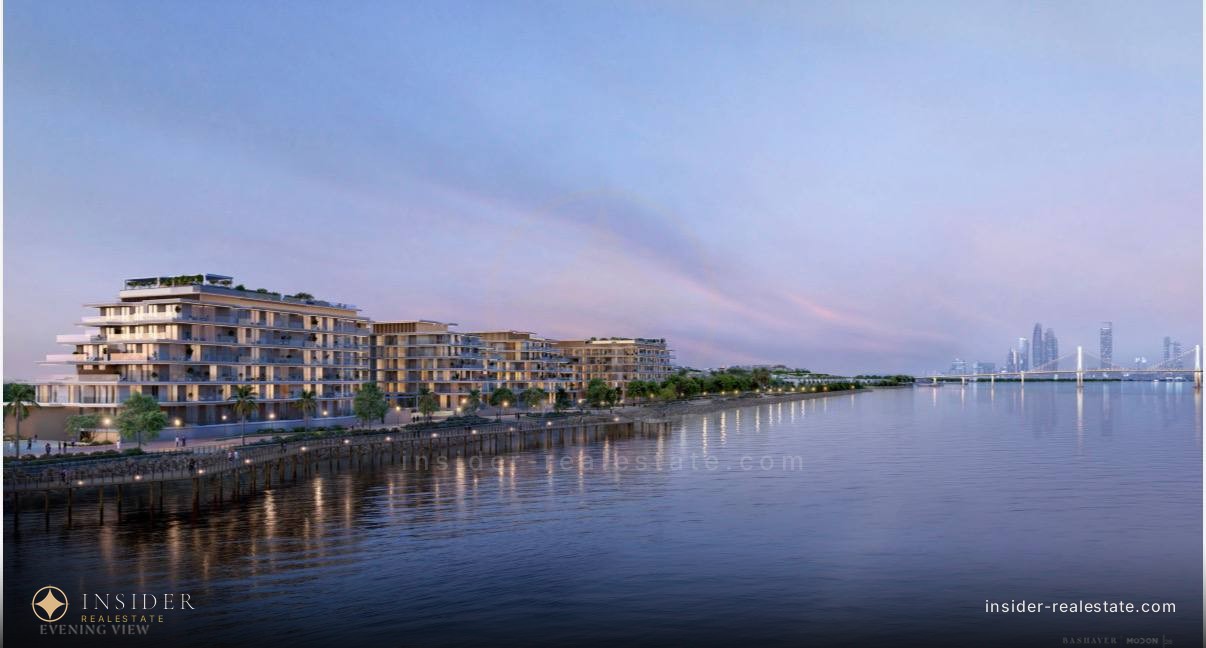
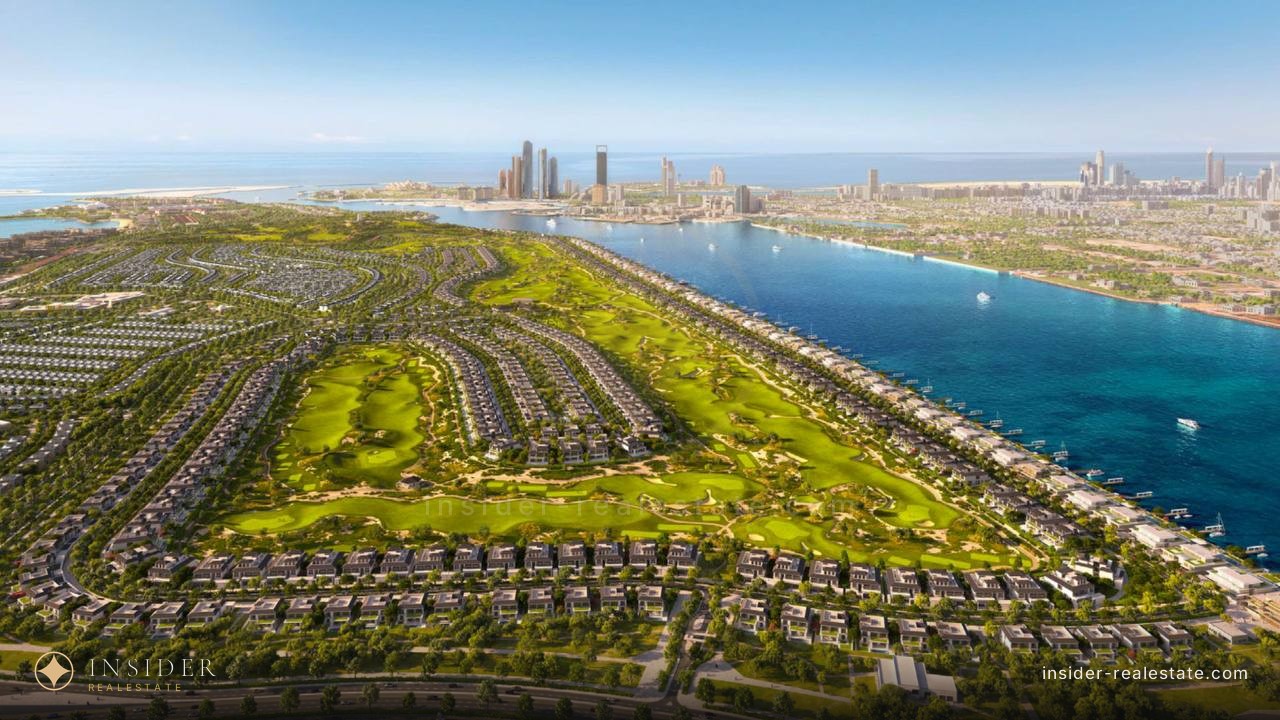
Abu Dhabi's state-backed developer, which was handed almost the whole of Hudayriyat Island and is building not individual towers but a sport-and-wellness lifestyle for the emirate — cycling tracks, beaches and a golf course rather than the usual grid of high-rises.
37 lots in stock across 10 projects. Of the 37 with a known status: 0 ready, 37 under construction. By median price — 20th of 139.
- An Abu Dhabi allocation rather than Dubai
- Sport and beach infrastructure on the doorstep
- Government-backed developer reliability
- A long hold on an island still being built out
Median price $2.18M AED 8 000 000
Entry price $381K AED 1 400 000 — the cheapest lot
Completed stock 0% 37 lots discounted, deepest −13%
The company in brief
Checkable facts about the developer itself. Unlike the figures above, these are not about our stock and do not move with what happens to be listed today.
- Parent group
- Modon Holding, listed on the Abu Dhabi Securities Exchange (ADX)
- Controlling shareholder
- since October 2025, L'imad Holding Company, wholly owned by the Abu Dhabi government (roughly 84.75% of Modon Holding)
- Group history
- the current structure was formed in February 2024 from the renamed Q Holding, previously backed by the ADQ sovereign wealth fund
- Flagship site
- Hudayriyat Island — roughly 3,000 hectares on Abu Dhabi's southern edge
- Sales pace
- the Bashayer community on Hudayriyat Island sold out in roughly a day when it launched in December 2025
What kind of developer this is
Who this is and who stands behind it
Modon Properties is the development arm of Modon Holding, a group now controlled by a structure wholly owned by the Abu Dhabi government. On paper this is a young configuration — today's Modon Holding was assembled from the renamed Q Holding, itself previously backed by the emirate's sovereign wealth fund, and direct government ownership only became formal recently. Behind the rebrand, though, sits not a startup but a state development institution operating on the same logic as Aldar elsewhere in Abu Dhabi: build an asset the city will still be showing off in decades, not squeeze the maximum out of one sales cycle.
For a buyer this carries the same practical consequence as buying from a listed Dubai developer: a delayed launch or a paused phase is not a quiet internal call but an event visible to shareholders and the exchange regulator. The flip side is that decisions here sit inside a state-level strategy for the emirate rather than inside a single project, and that strategy has recently turned toward sport and tourism infrastructure — which is exactly what is being built on Hudayriyat Island.
One island, one company
Hudayriyat is not a quarter inside an existing district but an entire island, and Modon is simultaneously its master developer and the builder of most of the buildings on it. That is an unusual setup for this market: on most Dubai master plans, one entity runs the infrastructure while a dozen different companies build the actual buildings, and a complaint about a specific unit does not land with whoever is responsible for the roads and landscaping. On Hudayriyat that split is mostly removed — accountability for the island and for the building both sit with the same name.
The practical upshot is a smaller gap between what the master plan promises and what actually shows up at your entrance. Infrastructure and the specific building develop on the same timeline rather than with the multi-year lag typical of a master plan built out by many independent developers running at their own pace.
What the product actually is
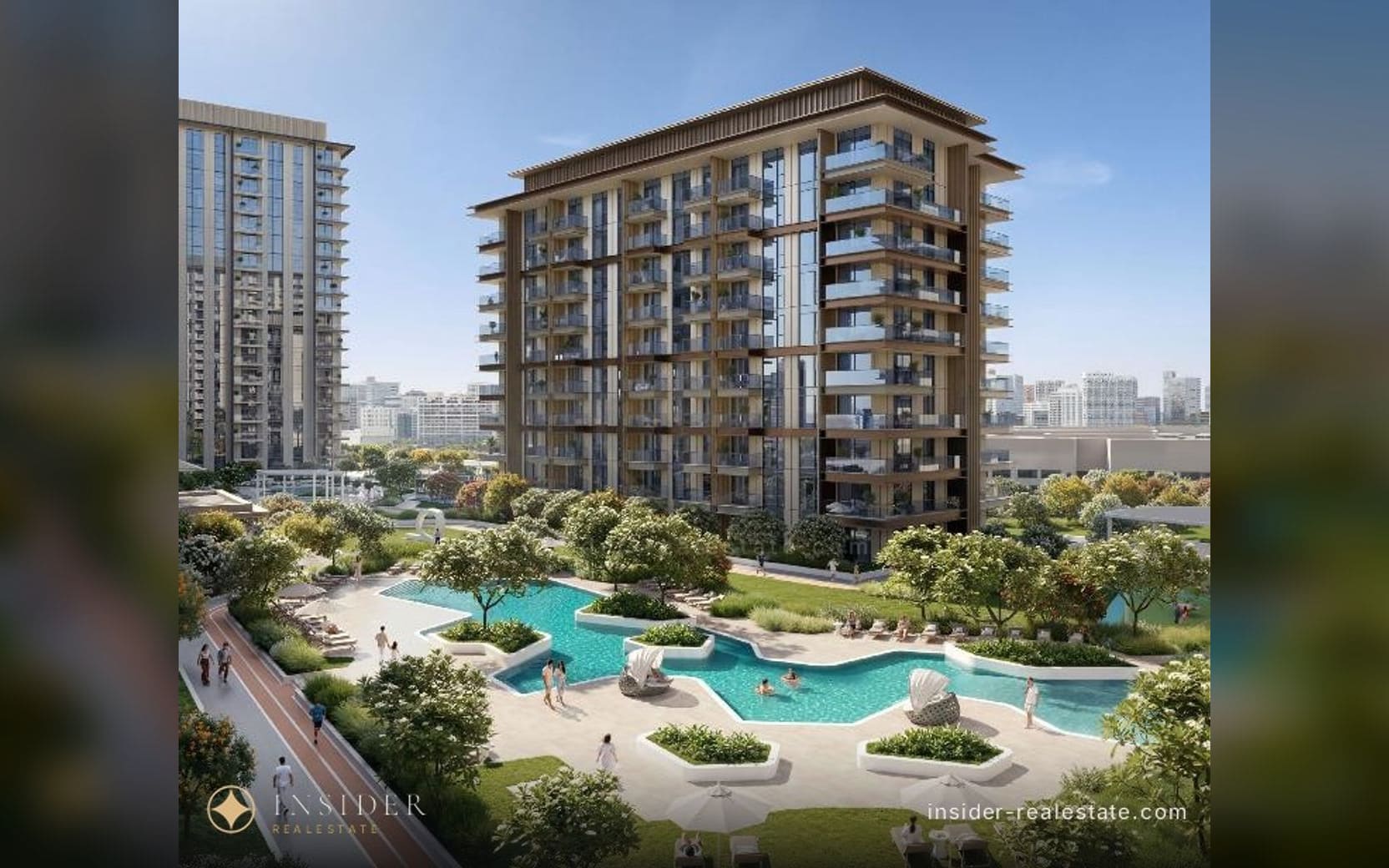
Modon's product on Hudayriyat is not a typical Dubai tower with a rooftop pool but low-rise communities and villas woven into the island's sport infrastructure — cycling and running tracks, beaches, a golf course, parks built for active use. The company is selling a lifestyle built around the outdoors rather than square footage, an unusual positioning on a market where most developers compete on interior finishes and bathroom-fixture branding.
That narrows the buyer pool deliberately: a home on Hudayriyat suits someone for whom running, cycling and beach access within walking distance matter, and interests a buyer chasing a central business address and maximum rental liquidity far less. Further from the water and the track the product turns more conventional, but the sport-focused core is the reason to pick this location over a comparable villa in an established Dubai district.
Abu Dhabi is not Dubai, and the rules differ
The most common mistake a buyer who only knows Dubai makes is carrying Dubai habits over automatically. The registering authority is different, foreign-ownership rules vary by zone, and not every district of the emirate is open to non-UAE-national ownership on the same terms as the Palm or Downtown. Before comparing price per square foot with a Dubai comparable, establish the specific building's foreign-ownership status explicitly — on a new island that is the first question, not a formality.
The second difference is the nature of demand itself. Abu Dhabi's rental and resale market is smaller and slower than Dubai's — fewer buyers and tenants in absolute terms, lower turnover, and a correspondingly longer time to exit a position. That is not an argument against buying; it is an argument for measuring the hold period in years rather than in quarters.
Liquidity on an island still being built
Most quarters of Hudayriyat simply have no resale history yet — homes are either still under construction or recently handed to first owners. That means price is set by the developer at each new release rather than by trades between private owners, and a buyer has nothing to anchor to beyond their own read of the island's trajectory. A fast speculative flip works less well here than in an established district: exiting before an independent secondary market exists means selling to the same pool of buyers the developer is still selling to.
On the other hand, the speed at which new phases sell out is itself a genuine demand signal rather than pure marketing — a community that clears in a matter of days means there is already a waiting list for the next phase. Worth keeping in mind: several more such phases are still to come, so supply on the island will keep growing alongside demand rather than lagging behind it.
How I work with its projects
With Modon projects the first conversation is not about the floor plan but about ownership zoning — whether a specific building actually works for a non-UAE-national buyer and on what terms, because that question settles the deal before the facade does. Next comes the island's actual build-out pace: which phases are already occupied and what genuinely serves residents today, rather than what is only planned on paper, because that is what determines daily life in the first year after moving in.
Separately, I always price out running costs — a new island with expensive beach and sport infrastructure almost always carries a district charge on top of the ordinary building service fee, and it is better to know that figure in advance than to meet it on the first bill. For anyone treating the purchase as an investment rather than only a home, I also walk through what else is launching across Abu Dhabi's other island projects at the same time: competition for the same tenant and buyer is not shaped by one developer alone.
Projects by Modon Properties
All projects →Modon Properties listings in stock
All stock → Illustrative photo −13% Illustrative photo −10%  Illustrative photo −9%
  Illustrative photo −8%
 Nawayef Park Views Al Hudayriat Island · 2 BR · Apartment 3 220 000 AED 3 500 000
Ask about lot NP12-407529
 Illustrative photo −8%
 Bashayer Residence 4 Bashayer by Modon · 2 BR · Apartment 3 848 000 AED 4 160 000
Ask about lot NP12-424488
Illustrative photo −8% Bashayer Residences Bashayer by Modon · 2 BR · Apartment 4 200 000 AED 4 590 000
Ask about lot NP12-432918
 Illustrative photo −8% Illustrative photo −8% Illustrative photo −7%
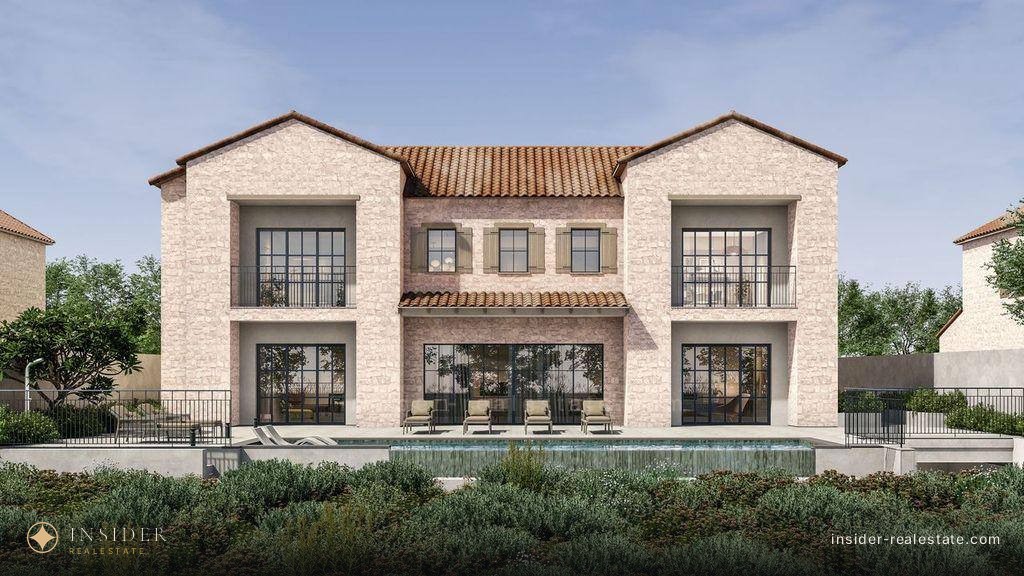
 Bashayer by Modon Bashayer by Modon · 5 BR · Villa 12 100 000 AED 13 000 000
Ask about lot NP12-439173
Illustrative photo −7% Illustrative photo −7% Illustrative photo −6% Nawayef Park Views Al Hudayriat Island · 2 BR · Apartment 3 400 000 AED 3 600 000
Ask about lot NP12-449656
What these numbers mean, and what they do not
Lots are matched to Modon Properties by project name, since the base has no developer field. The numbers above therefore describe our stock rather than the company’s market share: a developer with a large completed portfolio can show fewer lots than one whose buildings are resold more often.
All prices are asking prices, not sales. For the building you pick I pull the registered Land Department transactions and show the prices deals really closed at.
Other developers
All developers → Questions
Modon Properties: questions and answers
How much does a Modon Properties apartment cost?
The median across this developer's lots in our stock is $2.18M (AED 8 000 000), with entry from $381K. They are drawn from asking prices in our own base and refreshed every night — a picture of current supply rather than of the official price list.
Are there discounts on Modon Properties property?
Right now the base holds 37 lots from this developer priced below the market, with the deepest cut at 13%. This is not a Modon Properties promotion: below-market prices come from private sellers on resale or assignment who need a quick exit. An algorithm sets the size of the discount against comparable property; no broker types it in by hand.
What projects is Modon Properties building?
The site catalogue covers 4 projects by Modon Properties, each with a building passport — storeys, units, handover date and bedroom mix. They are listed above. Any lots on sale appear directly beneath their project.
Should I buy from Modon Properties direct or through a broker?
Money-wise there is no difference: on off-plan the broker is paid by Modon Properties, not by you, so calling the sales office direct saves nothing. What differs is the view — the developer’s sales team sells only its own buildings and will not mention that the same unit costs less next door or that this project hands over later. On resale and assignment the commission is the usual 2% plus VAT.
Is Modon Properties worth buying
That depends on what you buy and why. Describe the budget and the aim — I will point out which of this developer’s buildings are justified today and which are better left alone.
Ask on WhatsAppAsk a question
Telegram is the fastest way — I answer personally.
Message on Telegram