
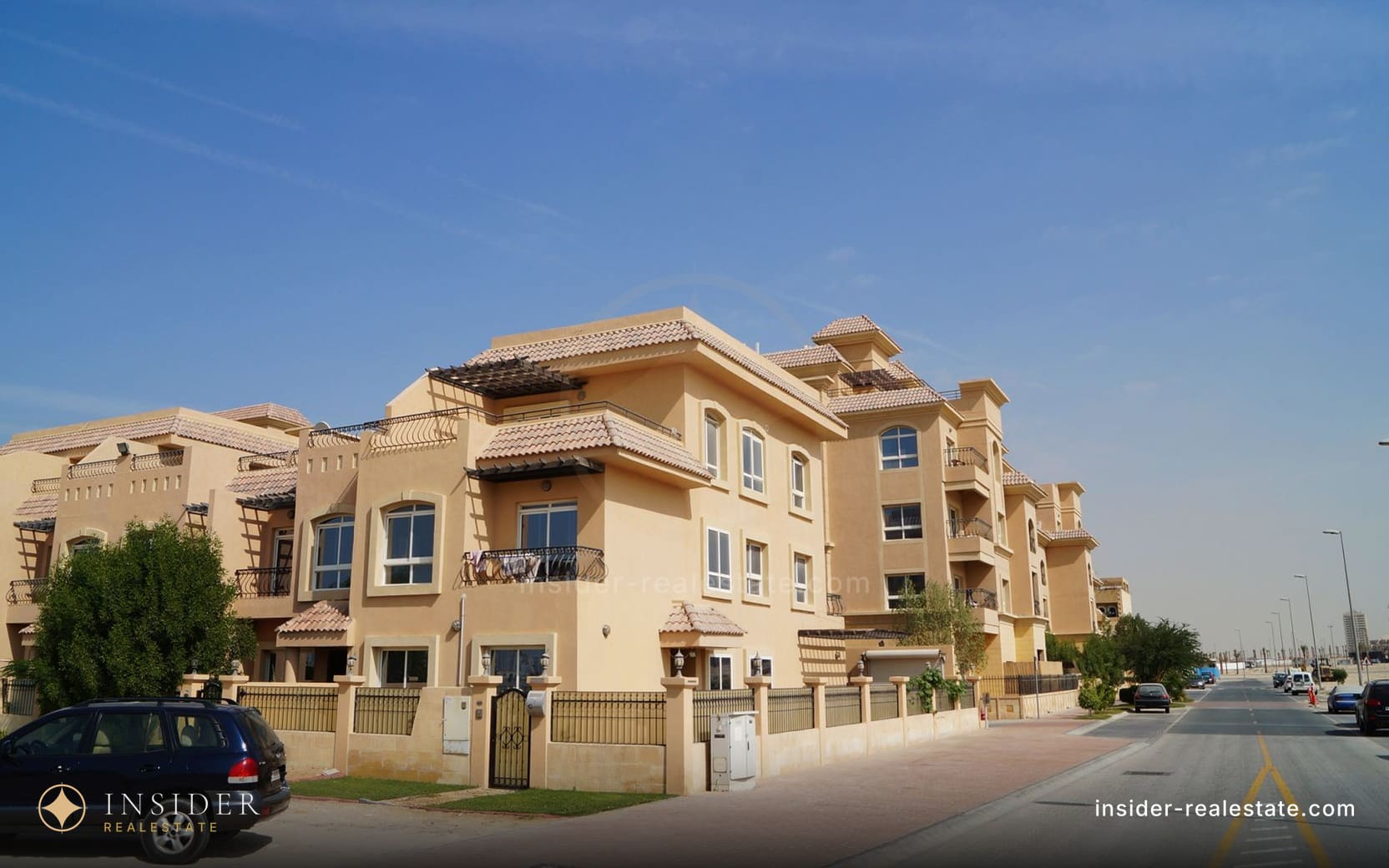
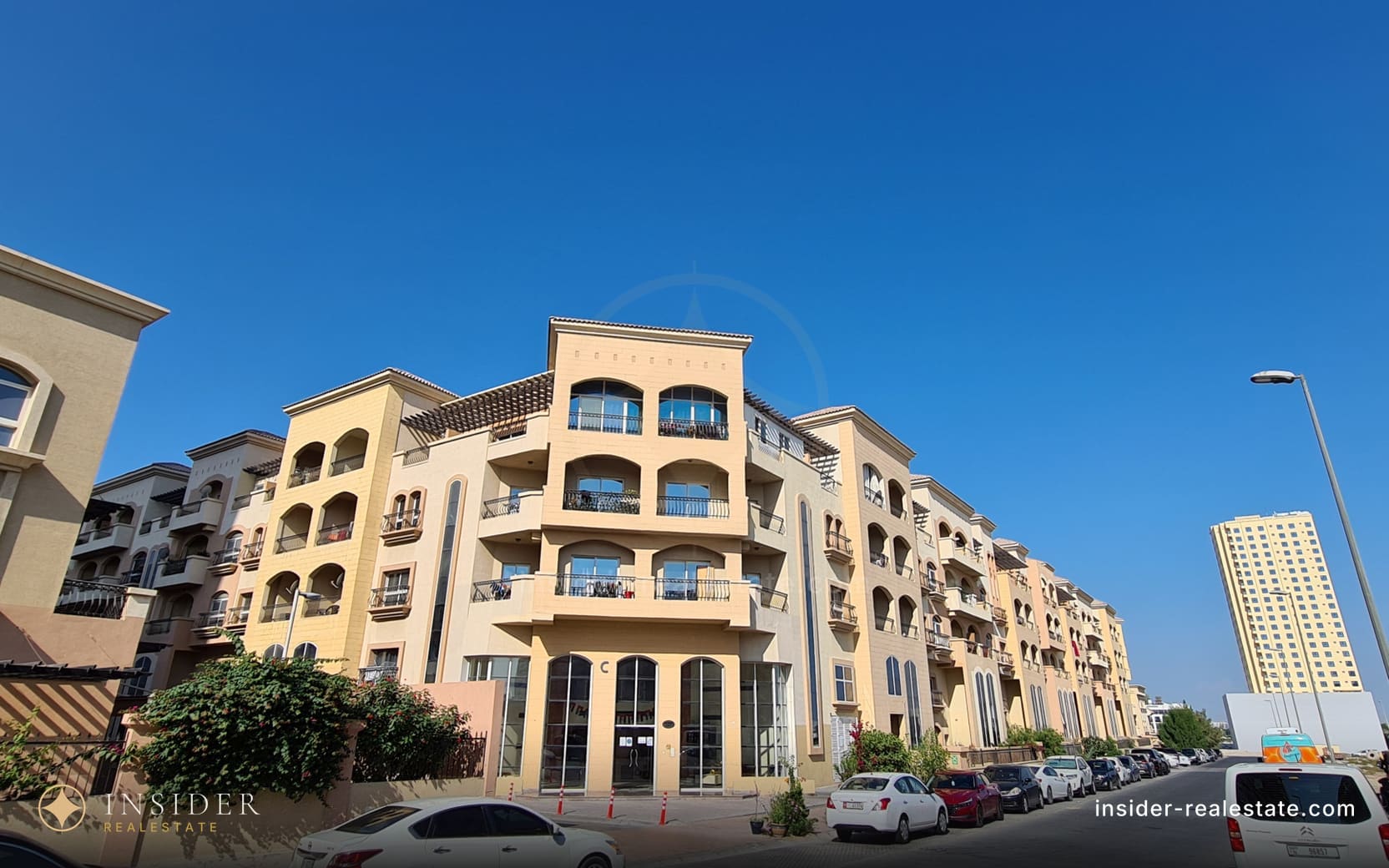
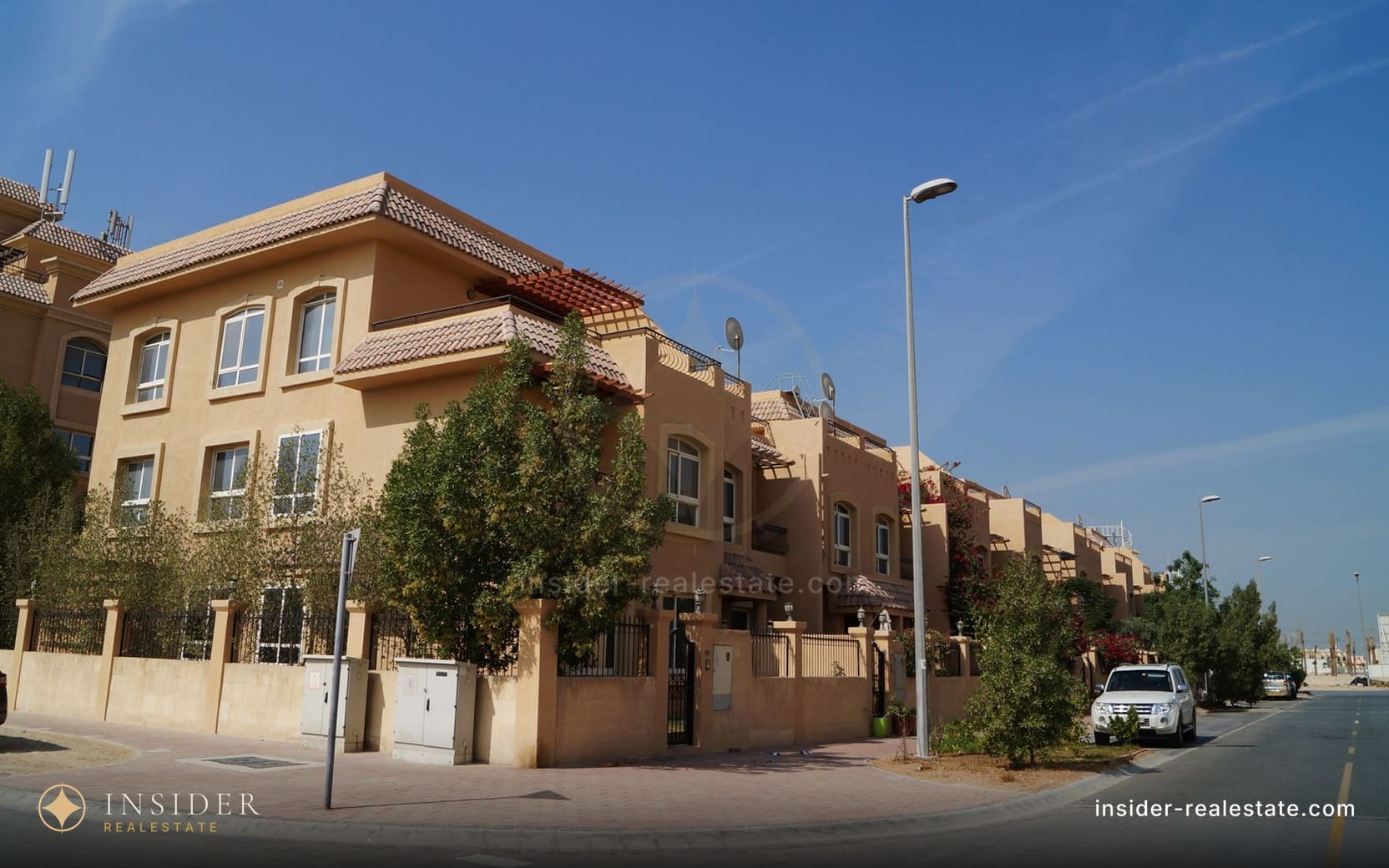
 Photo of the community
 TownX
A Jumeirah Village Circle specialist that does not build one project but a numbered series of buildings, back to back, in the same district — Easy, then Luma — refining one product instead of spreading itself across the city.
4 lots in stock across 3 projects. Of the 3 with a known status: 3 ready, 0 under construction. By median price — 108th of 139.
- A yield-driven investor in JVC
- Off-plan with a fast delivery track record
- Buyers who can compare against an already-built sibling
- A mid-range entry budget
Median price $347K AED 1 275 000
Entry price $185K AED 680 000 — the cheapest lot
Per square foot $426 AED 1 563 / sq.ft, median
Completed stock 100% no discounted lots right now
Where they build
The districts where this developer has the most lots in our stock.
JVC 4
The company in brief
Checkable facts about the developer itself. Unlike the figures above, these are not about our stock and do not move with what happens to be listed today.
- Founded
- 2017, private company
- Scale
- a stated portfolio above AED 4 billion, a team of roughly 350
- Delivered
- over 900 units across the Easy and Luma series in JVC
- Engineering partner
- POE Engineering Consultants recurs across several towers in the series
What kind of developer this is
What it is, and the strategy behind it
TownX is a relatively young company that made a deliberate bet on depth rather than breadth from the start: one district, JVC, and one architectural line of buildings that it reproduces and refines, tower after tower, adding a new one almost every year. A few years into that strategy, its portfolio has grown to a scale notable for the mid-market segment, and delivered units have passed nine hundred.
That is a fundamentally different growth model from developers who expand into several districts at once — this company grows deep into one place rather than wide across the map. The practical consequence for a buyer: the longer it operates in JVC, the more accumulated experience it has with this specific ground, these contractors and this infrastructure, and the fewer surprises the next phase should hold.
What a serial approach in one district gives you
A repeating architectural line and the same engineering contractor from project to project is not just an aesthetic choice — it is a practical way of not repeating mistakes: whatever did not work in one tower of the series, the company has the chance to fix in the next one, because it is building it with the same team essentially across the street. For an off-plan buyer that is a rare thing — you get to judge not a render, but the real behaviour of an already-finished product by the same architect and the same engineer a couple of blocks away.
The flip side of the same strategy is that the company competes with itself. Every new tower in the series lands on the same rental and resale market as the ones before it, and a tenant or buyer compares them against each other first, before comparing against other developers in the district. That is not a flaw, it is a feature of the model, and it belongs in your yield calculation as its own line item.
Track record on timelines and quality
The company already has a public track record: the series delivers on a steady rhythm, with a new phase landing almost every year — unusual for a developer this young, when most young companies either stretch a first project over many years or never reach a second phase at all. That steady pace is itself indirect evidence that its financing structure and contractor chain run predictably.
Judging quality from a single tower would be pointless here — the whole point of a series is that you can and should compare several delivered buildings side by side: how the common areas age, how the facade holds up after a couple of Dubai summers, whether finishes differ between an earlier and a later phase. One building gives you a random data point; the series gives you a real answer.
Resale market and liquidity
Paradoxically, the same thing that creates competition with its own earlier buildings also makes the series' resale market more transparent than most small developers manage: comparable sales are plentiful and happen regularly, making an independent valuation easier than for a boutique building of a few dozen units. Comparison data is abundant here, not scarce, and that is worth using at the negotiating table.
The price of that transparency is predictable but real competition on sale: a resale buyer compares your unit not only against neighbouring developers but against TownX's own newer phase two blocks away, and that newer phase nearly always wins on condition at a comparable price.
What to check specifically with this developer
First: how many more towers of the series are scheduled nearby in the coming years — not an abstract district question but a concrete pipeline question about one company, and you can get an honest answer straight from the developer. Second: the service-charge history in already-delivered towers of the series over several years, not just the current figure — a mature series already has that history, and it shows whether running costs climb predictably or in jumps.
Third: the specific unit's position within the cluster, not just within the building — walking distance to the supermarket, the gym and the bus stop matters more in JVC than the tower's name, and across a series of several buildings that position varies noticeably from tower to tower.
How I work with its properties
For a new TownX phase, I always start with a visit to the earliest already-delivered tower in the series — a few minutes' walk thanks to how compact the district is, and the most honest way to see what a render turns into after a couple of years of real life. From there I pull that building's service-charge history and compare it against what is stated for the new phase.
And separately I look at the pipeline: how many more towers in the series the company plans nearby and when, because that directly determines who your unit will be competing with for a tenant two or three years after handover.
Projects by TownX
All projects →TownX listings in stock
All stock →What these numbers mean, and what they do not
Lots are matched to TownX by project name, since the base has no developer field. The numbers above therefore describe our stock rather than the company’s market share: a developer with a large completed portfolio can show fewer lots than one whose buildings are resold more often.
All prices are asking prices, not sales. For the building you pick I pull the registered Land Department transactions and show the prices deals really closed at.
In the news
TownX: when a developer builds four similar towers in one district
A developer with a numbered series of buildings in Jumeirah Village Circle. A series in one cluster has a specific consequence that is rarely mentioned at the sales table.
Other developers
All developers → Questions
TownX: questions and answers
How much does a TownX apartment cost?
The median across this developer's lots in our stock is $347K (AED 1 275 000), with entry from $185K. The median per square foot is $426. These are asking prices out of our own base, recalculated every night; they follow what the developer and its sellers actually have on the market, not the price list on a corporate site.
Is TownX a reliable developer?
Founded: 2017, private company. Delivered: over 900 units across the Easy and Luma series in JVC. A developer is checked against the Land Department’s open register rather than a brochure: it shows the licence status, the construction progress of each project and the registered escrow account. On off-plan the buyer’s money goes into that account under RERA supervision and is released against verified milestones. The full dossier is in the write-up above.
What projects is TownX building?
Our catalogue holds 3 projects by this developer, each with a building passport: storeys, unit count, handover date, the mix of bedrooms. The list is on this page, and the districts where the developer has the most lots in stock are in the “Where they build” block. Under each project sit the lots on sale, where there are any.
Should I buy from TownX direct or through a broker?
For an off-plan buyer the price is identical, because the developer covers the broker’s commission. Going straight to TownX is therefore no cheaper, and the choice there is limited to its own projects — you will not get a comparison with neighbouring buildings or a candid read on handover dates. On resale and assignment the commission is standard: 2% plus VAT.
Is TownX worth buying
That depends on what you buy and why. Describe the budget and the aim — I will point out which of this developer’s buildings are justified today and which are better left alone.
Ask on WhatsAppAsk a question
Telegram is the fastest way — I answer personally.
Message on Telegram