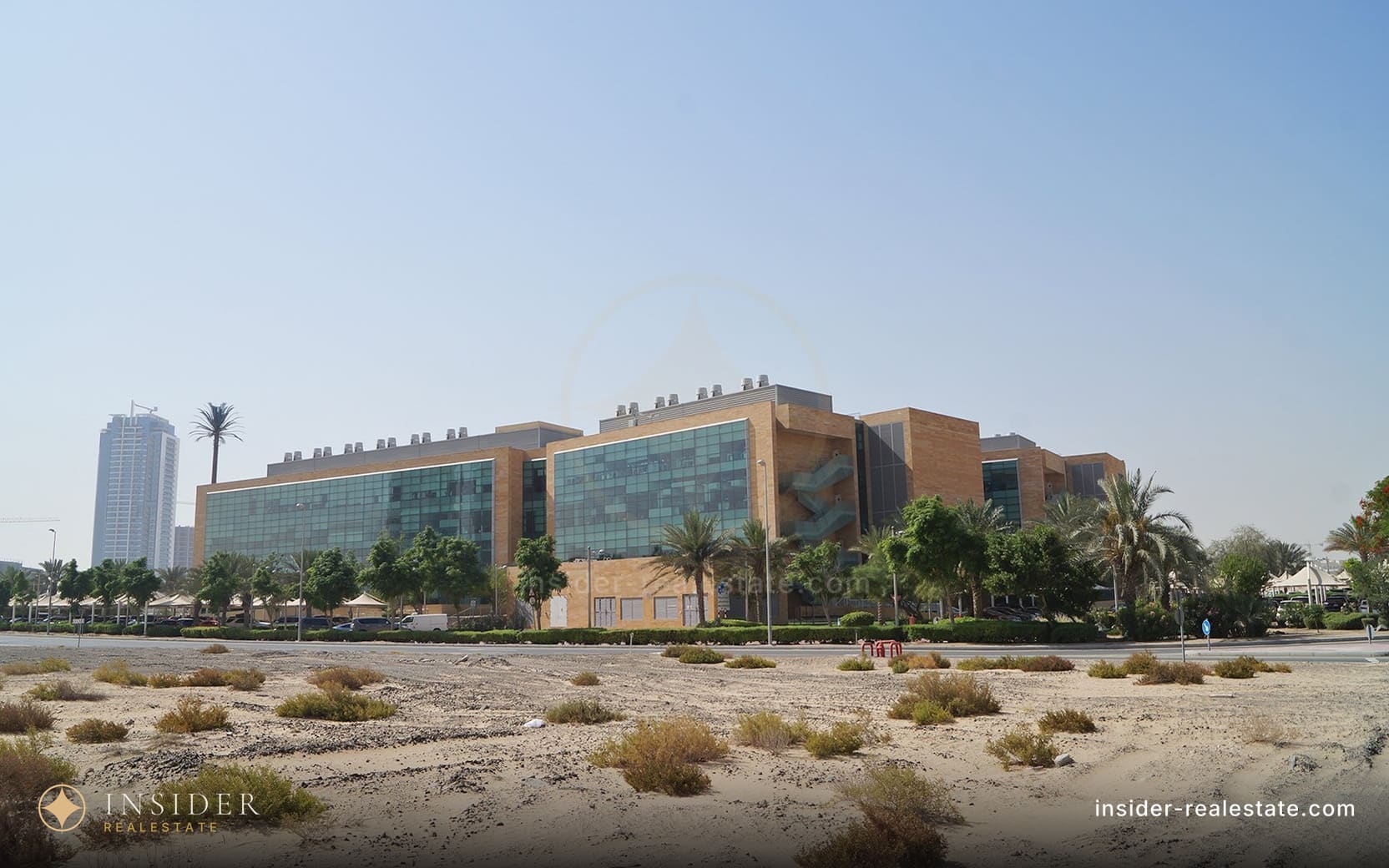
 Photo of the community −5%
 Skyhills Residences Tower 2 Dubai Science Park · 2 BR · Apartment 2 088 888 AED 2 188 888
Ask about lot NP4-451089
A developer with a long track record in Dubai that has chosen an unusual strategy for this market — rather than inventing a new name for every project, it has built several buildings in a row across different districts under one recognisable brand.
6 lots in stock across 5 projects. Of the 6 with a known status: 1 ready, 5 under construction. By median price — 90th of 139.
The districts where this developer has the most lots in our stock.
Checkable facts about the developer itself. Unlike the figures above, these are not about our stock and do not move with what happens to be listed today.
The company has been active in the Dubai market for years, and its founder still runs the business personally rather than having handed it to hired management. Over that long history the developer settled on a strategy that stands out against Dubai's usual practice: instead of inventing a fresh, catchy name for every new project, it has built several buildings in a row under the same recognisable brand name, across different districts of the city.
The logic is straightforward: a repeating name works as a mark of quality accumulated from earlier projects in the series, and a buyer doesn't need to research an unfamiliar company from scratch for every new building — the impression left by an earlier, already-occupied building under the same brand does the work instead.
The company's flagship product is a series of mid-market, slightly above-average residential towers, already built and under construction under one brand name in several districts: the first version in one of the city's tech-focused clusters, the second and third in one of the densely built low-rise-turned-apartment districts. Format and finish level are broadly similar across them, though the specific specification and layouts differ building by building.
Beyond the flagship series, the developer also has separate projects under their own unique names elsewhere in the city — one in a district built around a themed masterplan, another in an outlying residential complex on the way into the city. These are more one-off assets outside the main series, and should be judged on their own merits rather than by the flagship brand's reputation.
Building several buildings under one name is a deliberate marketing and reputational move: the developer invests in the recognisability of a specific product name rather than the company's own name, which an average buyer finds harder to remember. It's similar to how some Dubai developers run a whole line of buildings sharing a common design language, except here the line is built around one specific brand rather than a general house style.
For a buyer this approach is convenient because it lets you lean on the track record of already-delivered buildings in the series when judging a new one: if the previous building under the brand is ageing well, that's a reasonable signal for the next. But it only works if the buildings in the series are genuinely comparable in quality, not merely sharing a name.
The flip side of a repeating name is the risk of mixing up the specific buildings in the series. They sit in different districts, with different surrounding infrastructure, different views and different stages of completion, and the only thing linking them is the name on the facade. A buyer relying on the brand name alone risks making a decision without being clear which building in the series is actually being discussed.
The practical takeaway is to confirm, for any specific unit, not just the brand name but the exact district, the building's number within the series and its status — handed over, under construction, or only announced. The gap between those can be larger than the gap between two entirely different developers' brands.
The earlier buildings in the flagship series, already in use for several years, have built up their own track record — you can see how the facade and common areas are genuinely ageing, not just how they looked at the sales stage. That's valuable information when judging newer buildings in the same series, though warranties and quality don't automatically carry across from one building to another.
On resale, brand recognition works in the buyer's favour: it's easier to orient around a name you've already heard somewhere than around an unnamed small company's building. But the depth of transaction history for each specific building in the series still needs checking on its own, rather than relying on the brand's overall reputation.
This developer suits buyers who value predictability: it's easier to anchor on an already-familiar finish and layout standard than to research a new developer from zero every time. It also suits buyers looking for the mid-price segment without the premium of a major developer's name, but with an already-accumulated market reputation behind it.
It doesn't suit buyers unwilling to carefully confirm which specific building in the series is being discussed, relying on the brand name alone. Nor does it suit buyers looking for a genuinely unique, one-off project — a branded series is, by definition, built on repetition rather than the uniqueness of each individual building.
Photo of the community −5% 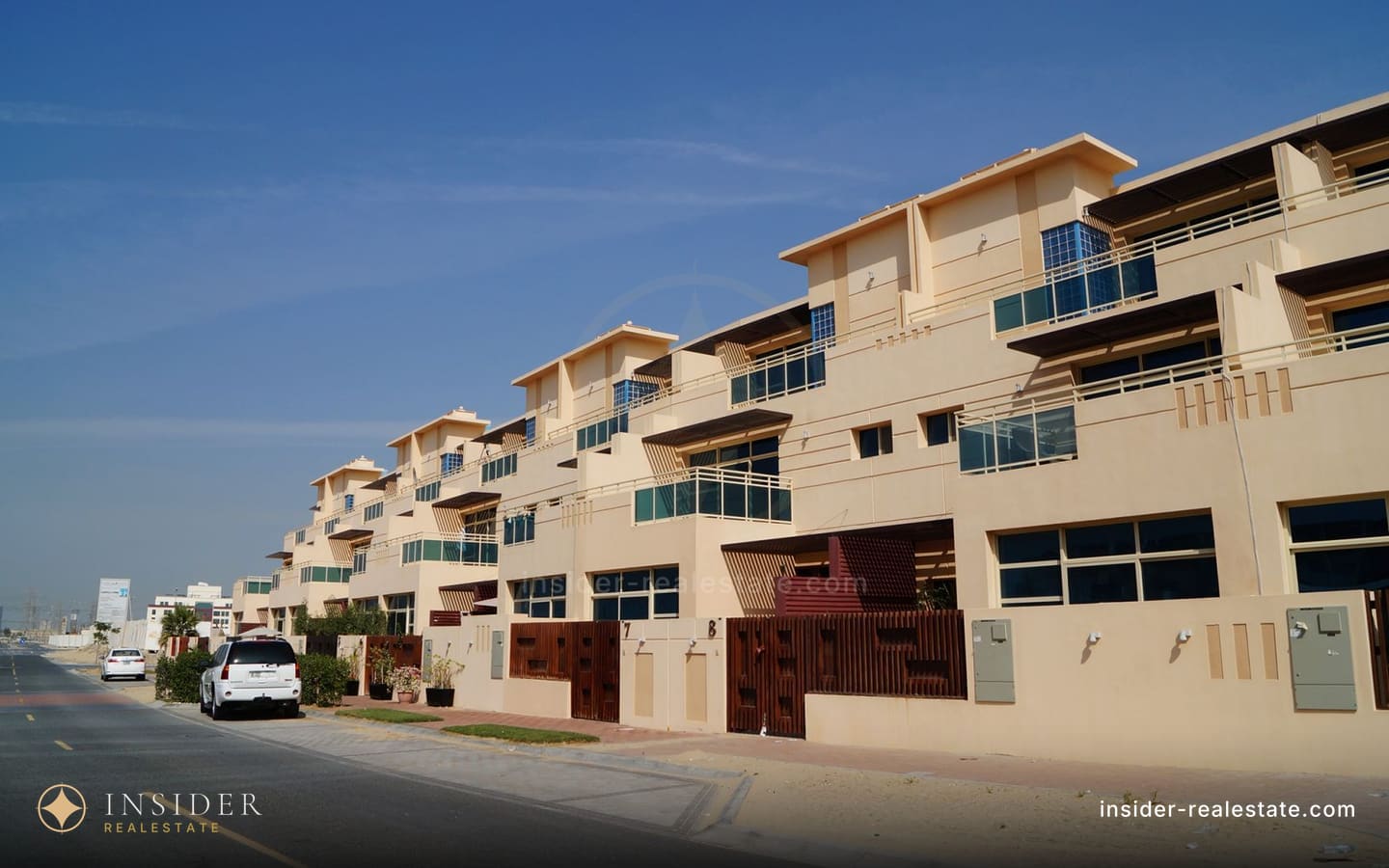 Photo of the community
 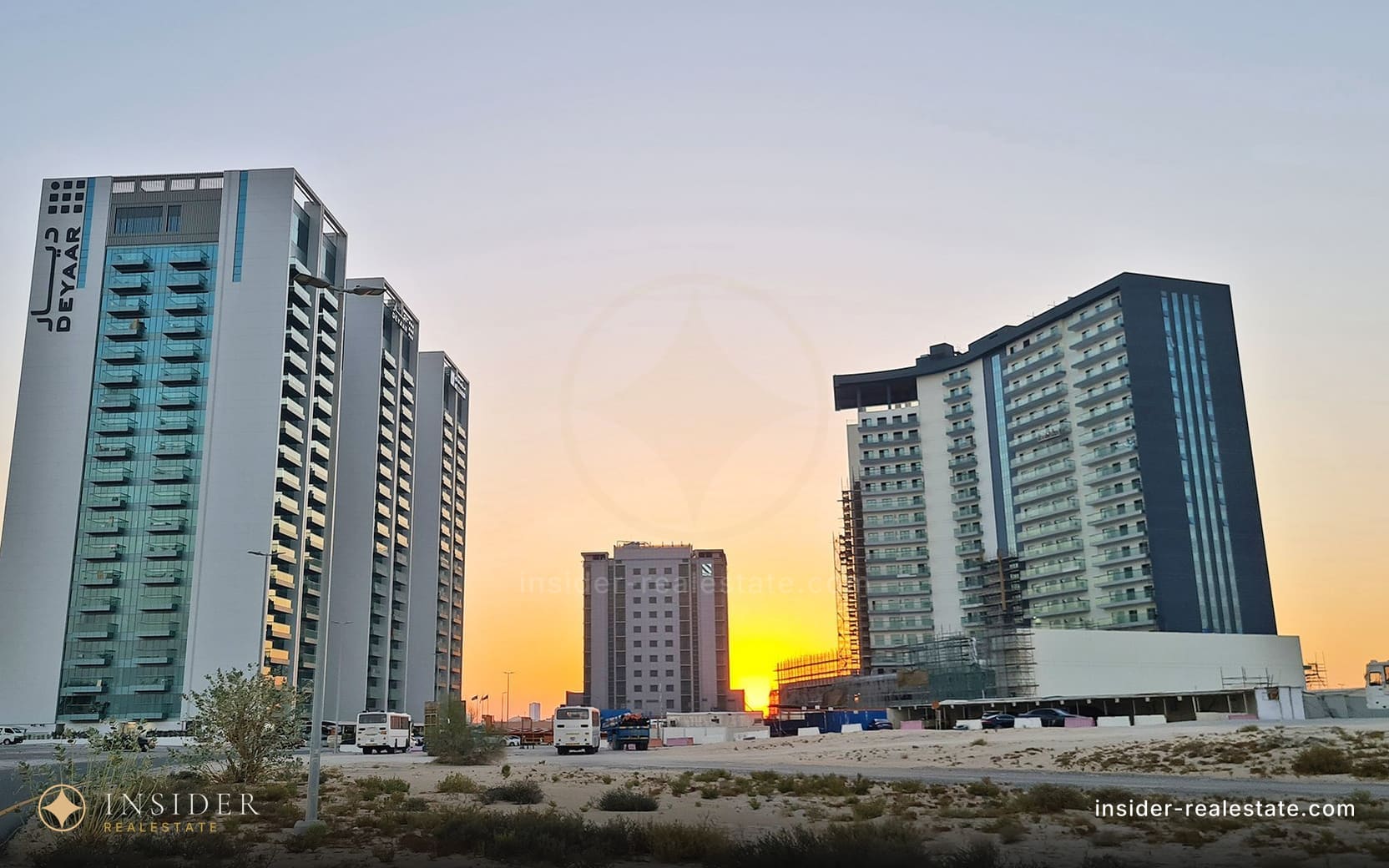 Photo of the community
 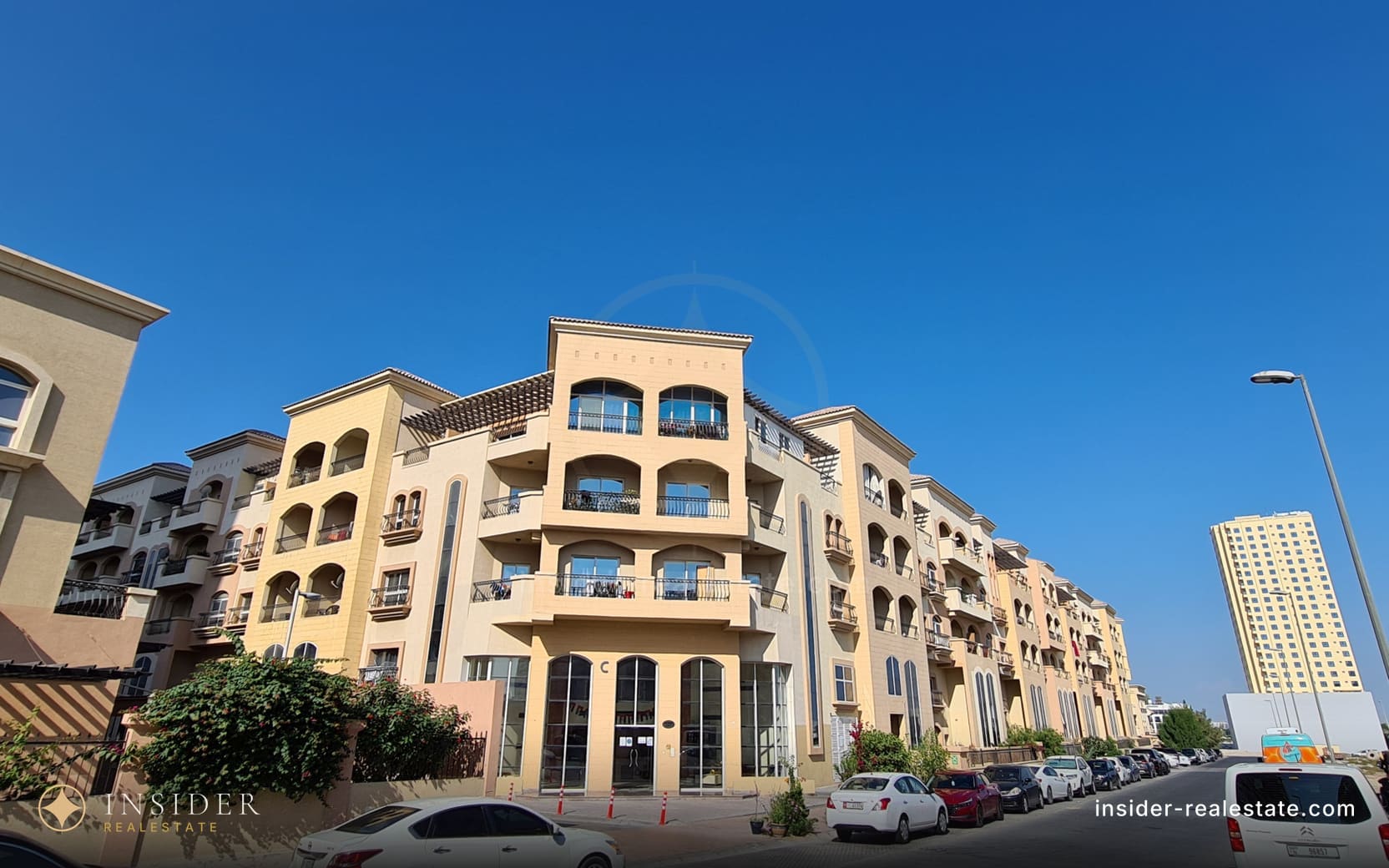 Photo of the community Photo of the community
 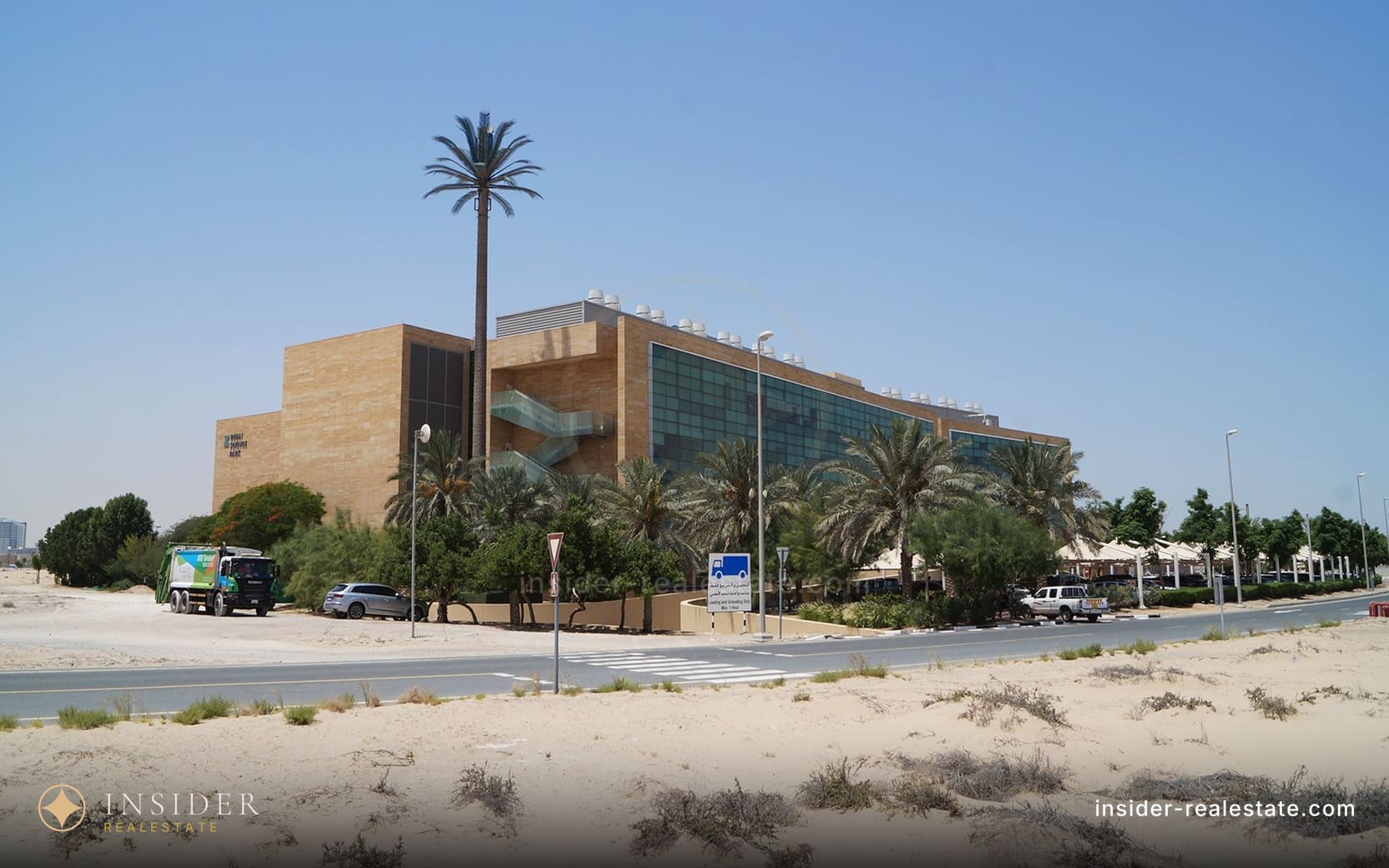 Photo of the community
 Lots are matched to Hijazi Real Estate Development by project name, since the base has no developer field. The numbers above therefore describe our stock rather than the company’s market share: a developer with a large completed portfolio can show fewer lots than one whose buildings are resold more often.
All prices are asking prices, not sales. For the building you pick I pull the registered Land Department transactions and show the prices deals really closed at.
A developer running a single branded residential series in Dubai Science Park and JVC. Why the same product name in two districts means two different investments.
The median across this developer's lots in our stock is $418K (AED 1 536 250), with entry from $221K. The median per square foot is $536. The figures come from asking prices in our base, not from the Hijazi Real Estate Development price list, and they are recalculated nightly to reflect what is actually for sale today.
Right now the base holds 1 lot from this developer priced below the market, with the deepest cut at 5%. The discount comes from the seller on a resale or an assignment, not from the developer: they have their own reason to exit quickly. The size of the cut is computed against comparable property by an algorithm, not typed in by a broker.
Founded: 2003, still run by its founder and chairman personally. Delivered: besides the flagship brand, separate projects under their own names in other districts. The register of the Land Department is the source that matters, not the brochure: it lists the licence, each project’s progress in per cent and the escrow account. On off-plan the buyer’s money sits in that account under RERA control and is paid out as construction stages are verified. The complete dossier is in the write-up above.
Our catalogue holds 5 projects by this developer, each with a building passport: storeys, unit count, handover date, the mix of bedrooms. The list is on this page, and the districts where the developer has the most lots in stock are in the “Where they build” block. Under each project sit the lots on sale, where there are any.
The price is the same: on off-plan the developer pays the broker’s commission, not the buyer, so going straight to the sales office saves nothing. The difference is elsewhere — a developer’s sales office shows its own projects only, and will not tell you that the same thing next door is cheaper or that this project is running later than advertised. On resale and assignment the commission is the standard 2% plus VAT.
That depends on what you buy and why. Describe the budget and the aim — I will point out which of this developer’s buildings are justified today and which are better left alone.
Ask on WhatsAppTelegram is the fastest way — I answer personally.
Message on Telegram