
Cashless Dubai: 90% of transactions to be cashless by the end of 2026
Dubai has unveiled the Cashless Dubai strategy: by the end of 2026 up to 90% of financial transactions in both public and private sectors should be cashless. Cash stays legal tender but leaves everyday circulation.
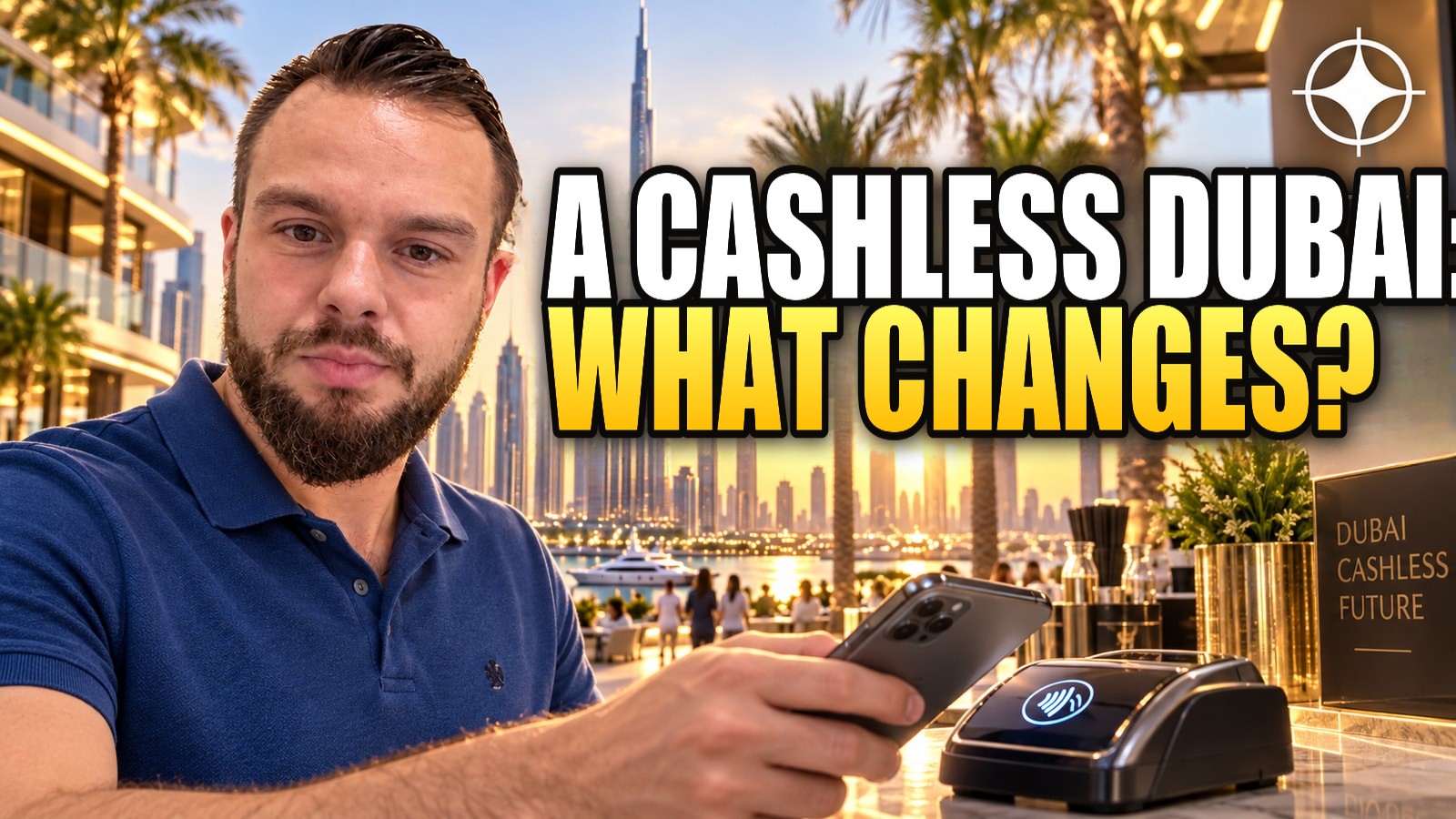
Dubai has unveiled the Cashless Dubai strategy: by the end of 2026, up to 90% of all financial transactions — across both government services and the private sector — should take place without cash. Cash remains legal tender: this is about displacement from everyday circulation, not prohibition.
What the strategy contains
- Primary payment methods — banking apps, cards, contactless and digital solutions.
- Tooling development: AI-enabled solutions, contactless payments and new fintech platforms.
- Government services and visa fees moving progressively into digital form.
- Dedicated initiatives with major airlines so that cashless payment becomes routine for tourists too.
- The goal — a place among the world's top five cashless cities.
Estimates suggest a mass shift to cashless payments could add several billion dirhams to the emirate's economy annually through efficiency gains and fintech sector growth.
What it means for a property owner
The most practical consequence is transparency in rental settlements. Rent in Dubai has historically been paid by cheque, and the cheque carried its own layer of risk: it must be physically collected, taken to a bank, and hoped not to bounce. Moving settlements into digital form removes that layer and makes a tenant's payment history verifiable.
Talk to a licensed broker: 📲 +971 50 120 32 64 on WhatsApp, @dubai_oleg on Telegram
The second consequence is for short-term landlords. The tourist segment runs on payment convenience, and the city is deliberately taking it to a point where cash is not needed at all. That removes friction which previously cost owners a share of their bookings.
Context
Cashless Dubai sits alongside the UAE Central Bank's biometric payment pilot, crypto acceptance in retail and e-invoicing for business. These are one programme seen from different angles: the state is moving monetary circulation into an environment where every transaction is visible and verifiable. For an honest market participant that means lower costs; for the rest, a narrowing space.
Based on official Cashless Dubai strategy materials.
Video on this topic
The same subject on the English channel — each clip has a written version of its own.
 21:45Furnished offices in Business Bay: Rove HQ and the fitted-office model16 October 2025
 10:32Lumena Alta by Omniyat: Dubai’s most luxurious office tower12 October 2025
 28:23Peninsula Four The Plaza by Select Group: what you are actually buying2 March 2025
 22:22Peninsula Five review: buying a ready unit instead of waiting three years14 February 2025


In the news
Other write-ups on the site about the same thing.
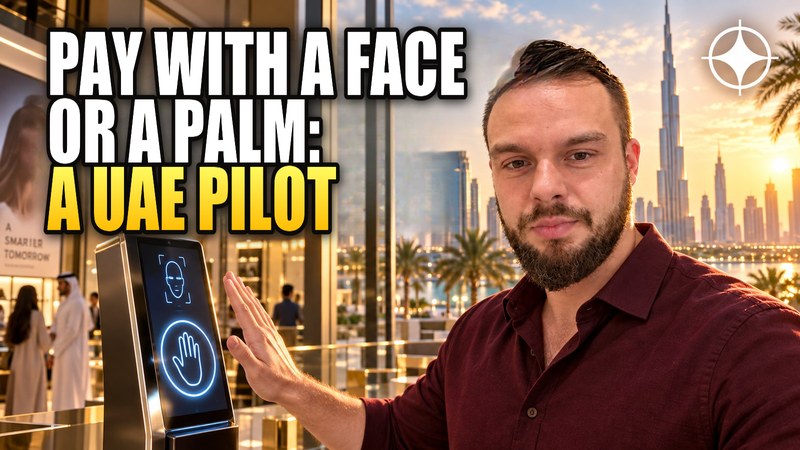
Paying with a face or a palm: the UAE Central Bank launches the region’s first biometric payments pilot
The UAE Central Bank is testing biometric payments: a single profile linked to payment instruments and documents such as Emirates ID and cards. One identifier for paying, passing e-gates and using government services.

Revolut Secures UAE Central Bank Licences, Prepares Local Rollout
The fintech has secured licences from the regulator and is preparing to offer banking services in the UAE, including multi-currency accounts and international transfers. For a non-resident property owner, that’s a practical question, not just fintech news.

Dubai raises the duty-free threshold for online purchases from AED 300 to AED 1 000
The duty-free import threshold for e-commerce parcels in Dubai has more than tripled — from AED 300 to AED 1 000 (tobacco and alcohol excluded). Why the emirate keeps lowering trade friction, and what it signals about the logistics-hub strategy.

Dubai Financial Market passes AED 1 trillion in market capitalisation
DFM capitalisation exceeded AED 1 trillion with the index at 6 115.97. Foreign investors accounted for 54% of trading volume and 79% of new registrations in Q1, while average daily turnover rose 56%. Emaar gained 5.1%.
UAE ranks first in the world for entrepreneurship conditions for a fifth year running
The Emirates again topped the Global Entrepreneurship Monitor, which measures not success stories but the environment for creating a business: finance, regulation, taxes, infrastructure and digitalisation. Five years at number one is a position, not a ranking.

Dubai launches an AED 1bn economic support package
The emirate allocated AED 1 billion to support companies and labour market stability: reducing pressure on business, simplifying procedures and making hiring more flexible. The logic — not to create jobs directly, but conditions in which business creates them.