Paying with a face or a palm: the UAE Central Bank launches the region’s first biometric payments pilot
The UAE Central Bank is testing biometric payments: a single profile linked to payment instruments and documents such as Emirates ID and cards. One identifier for paying, passing e-gates and using government services.
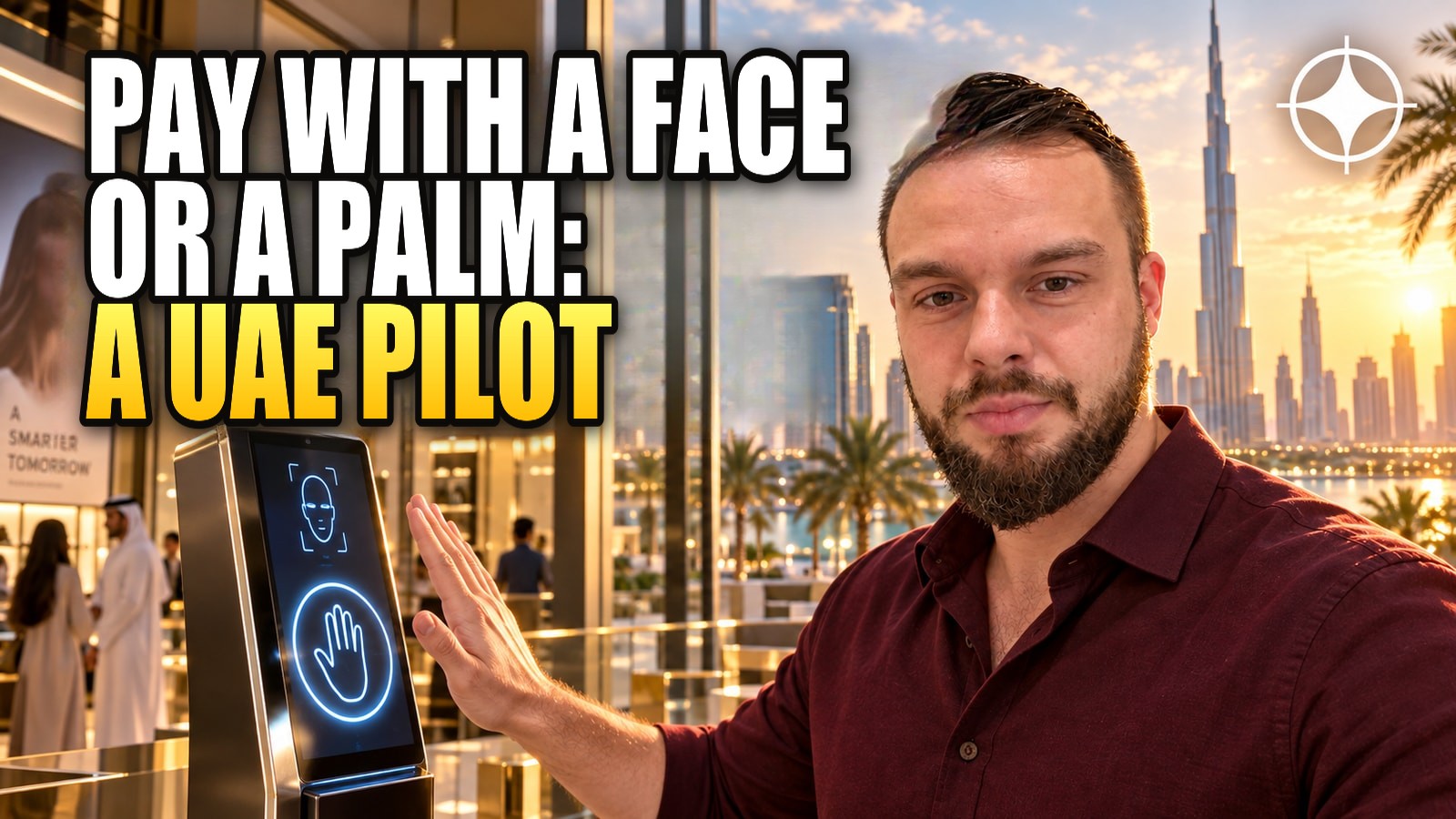
The UAE Central Bank has launched the region's first biometric payments pilot — paying by face or palm. This is not a standalone consumer feature but infrastructure intended in time for residents, expats and visitors alike.
How it is designed
The logic is simple: a single biometric profile is linked to payment instruments and documents — Emirates ID, bank cards. A person then uses one identifier everywhere: paying in a shop, passing airport e-gates, accessing government services.
- For residents and expats this could become the default mode of everyday payment.
- For tourists — optional registration for a trip: payment at airports, hotels and malls.
An identity-based payments market is taking shape, where the identifier is the person rather than a carrier — a card or a phone.
Talk to a licensed broker: 📲 +971 50 120 32 64 on WhatsApp, @dubai_oleg on Telegram
How it fits the wider agenda
The pilot sits alongside the Cashless Dubai strategy (90% of transactions cashless by end-2026), crypto acceptance in retail and e-invoicing for business. The common direction is moving settlements into an environment where a transaction is tied to a verifiable identity.
What follows for a property owner
There is no direct link to apartment prices, and stretching for one would be dishonest. But two practical consequences exist.
First, tenant verifiability. The more tightly a person's payment history attaches to their identifier, the easier it is for a landlord to assess solvency. In a country where a large share of tenants are newcomers with no local credit history, that is a real problem this infrastructure gradually solves.
Second, convenience for non-residents. Part of the difficulty of owning property abroad is mundane: paying bills, utilities and community fees from another country. Every step towards a single digital identifier reduces that friction.
Based on UAE Central Bank announcements.
Video on this topic
The same subject on the English channel — each clip has a written version of its own.
 21:45Furnished offices in Business Bay: Rove HQ and the fitted-office model16 October 2025
 10:32Lumena Alta by Omniyat: Dubai’s most luxurious office tower12 October 2025
 1:35Binghatti Aquarise, Business Bay: the pitch and the reality check12 September 2025
 1:17Skyrise by Binghatti: a landmark tower at mid-market pricing11 September 2025
 28:23Peninsula Four The Plaza by Select Group: what you are actually buying2 March 2025

Related reading
Other write-ups on the site about the same thing.
Cashless Dubai: 90% of transactions to be cashless by the end of 2026
Dubai has unveiled the Cashless Dubai strategy: by the end of 2026 up to 90% of financial transactions in both public and private sectors should be cashless. Cash stays legal tender but leaves everyday circulation.

Revolut Secures UAE Central Bank Licences, Prepares Local Rollout
The fintech has secured licences from the regulator and is preparing to offer banking services in the UAE, including multi-currency accounts and international transfers. For a non-resident property owner, that’s a practical question, not just fintech news.

E-invoicing in the UAE: 1 July is the first deadline for business
The UAE is moving to mandatory electronic invoicing. By 1 July 2026 companies must choose an accredited service provider and prepare their systems; from 1 January 2027 the system becomes mandatory for companies with revenue above AED 50m.
UAE Ministry of Finance launches a unified federal real estate platform
The Federal Government Real Estate Assets Platform is an electronic registry centralising data on federal property and linking it to state financial systems. In parallel, resale of tokenised fractions opened on a regulated secondary market.
UAE ranks first in the world for entrepreneurship conditions for a fifth year running
The Emirates again topped the Global Entrepreneurship Monitor, which measures not success stories but the environment for creating a business: finance, regulation, taxes, infrastructure and digitalisation. Five years at number one is a position, not a ranking.

The entrepreneur route: what is being assessed, and what is not
A long-term visa category for founders exists and is not the same thing as setting up a company. One is an assessment of a venture; the other is a licence you can buy.
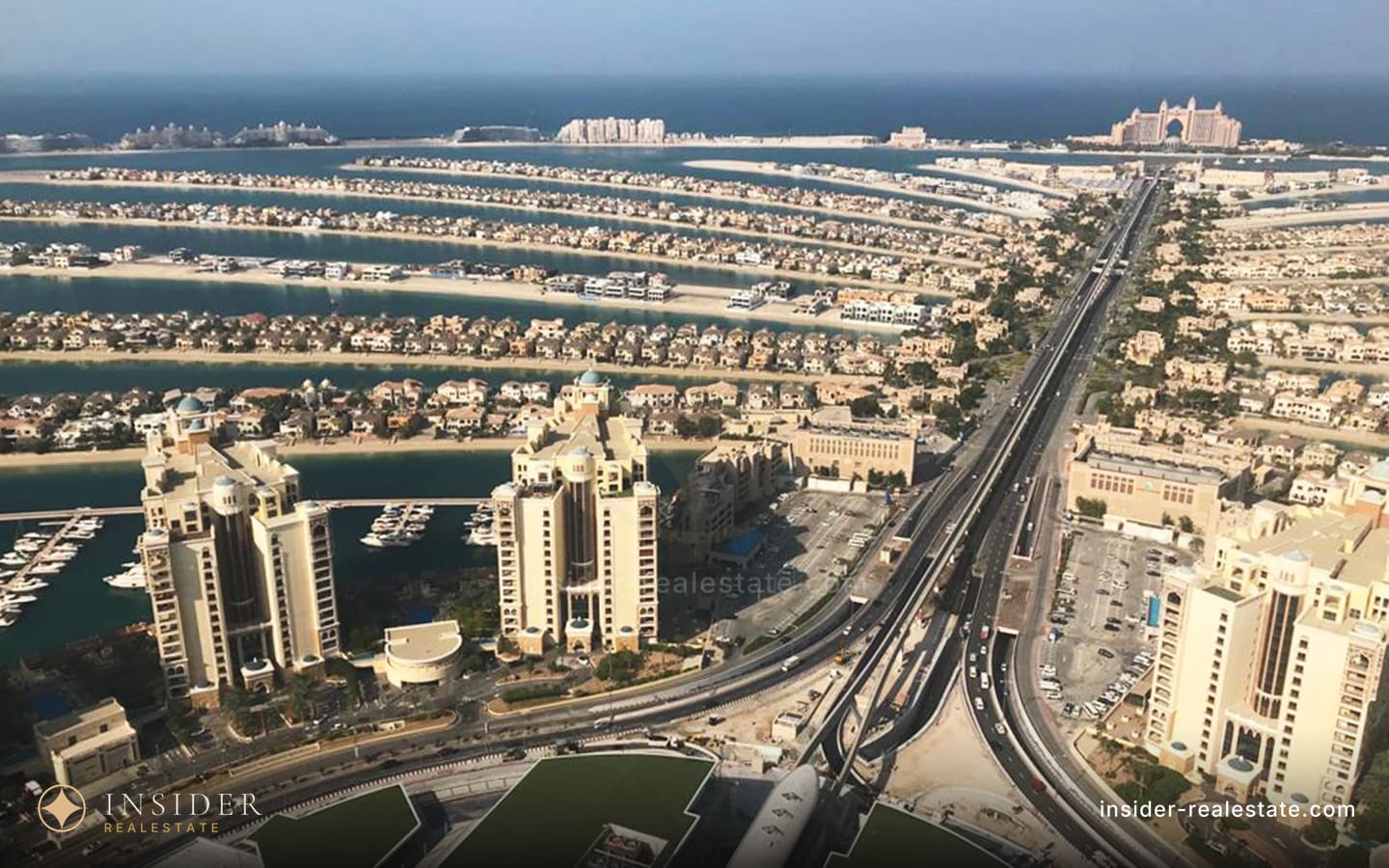
Below market in Palm Jumeirah right now
From the daily off-market feed. Availability and price are confirmed on request.
All below-market listings →