
Dubai raises the duty-free threshold for online purchases from AED 300 to AED 1 000
The duty-free import threshold for e-commerce parcels in Dubai has more than tripled — from AED 300 to AED 1 000 (tobacco and alcohol excluded). Why the emirate keeps lowering trade friction, and what it signals about the logistics-hub strategy.
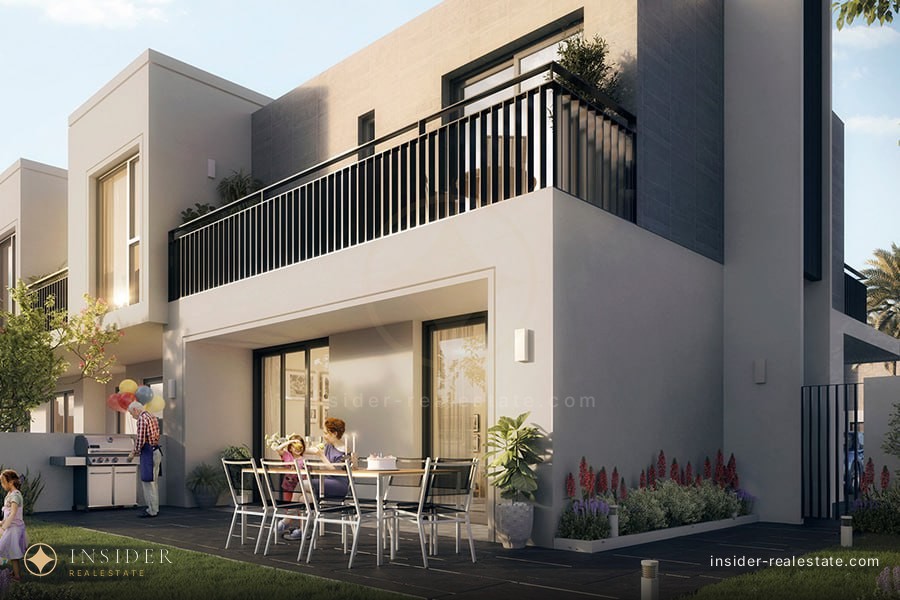
Dubai has raised the duty-free threshold for online purchases from AED 300 to AED 1 000 — parcels worth up to roughly $270 now clear without duty. The standard exclusions apply: tobacco and alcohol get no relief. It looks like consumer trivia, but it slots into a bigger strategy: Dubai keeps stripping friction out of cross-border trade to reinforce its position as a global commerce hub.
What changes for residents
- The threshold more than tripled. Most personal orders from foreign online stores — electronics, clothing, homeware — now pass duty-free and paperwork-free.
- Fewer customs delays. Below-threshold parcels move faster: clearance gets simpler for the carrier, not just cheaper for the recipient.
- For scale: the old AED 300 (~$80) threshold caught even an average basket — practically any pair of sneakers triggered duty.
Why the emirate does it
Duties on personal parcels are not the revenue Dubai exists for: administering small charges is expensive and generates outsized irritation. By removing the barrier, the city doubles down on what it actually earns from — logistics. Every parcel flows through Dubai's warehouses, sorting centres and air hub, and the freer the flow, the fuller that infrastructure.
It is the same policy line as Dubai Customs' relief package, which between March and June supported trade flows worth AED 33.9 billion and released AED 79 million of liquidity to businesses: the rule is simple — trade must be easy.
Talk to a licensed broker: 📲 +971 50 120 32 64 on WhatsApp, @dubai_oleg on Telegram
The indirect property angle
E-commerce means warehouses, fulfilment centres and logistics parks — the industrial property of Dubai South, Jebel Ali and Dubai Industrial City. Growth in online trade converts into demand for those facilities as reliably as company formation converts into office demand. The warehouse segment is hard for a private investor to access directly, but the districts around the logistics nodes — Dubai South first of all — get jobs from this flow, and jobs mean housing tenants.
Based on announcements by Dubai Customs.
Video on this topic
The same subject on the English channel — each clip has a written version of its own.
 30:56Resale in Peninsula: how to buy the best apartment in central Dubai second-hand16 October 2023
 21:45Furnished offices in Business Bay: Rove HQ and the fitted-office model16 October 2025
 10:32Lumena Alta by Omniyat: Dubai’s most luxurious office tower12 October 2025
 28:23Peninsula Four The Plaza by Select Group: what you are actually buying2 March 2025
 22:22Peninsula Five review: buying a ready unit instead of waiting three years14 February 2025

In the news
Other write-ups on the site about the same thing.
The UAE car market: why half the region buys its cars here
A 5% import duty plus 5% VAT with no exceptions made the Emirates one of the world’s largest automotive hubs. A look at the market’s four layers: official dealers, pre-owned showrooms, government auctions and parts yards.
UAE extends small business corporate tax relief to the end of 2029
Companies with annual revenue up to AED 3 million keep their corporate tax exemption until 31 December 2029. SMEs are roughly 94% of all UAE companies and over 60% of non-oil GDP. What the extension means for entrepreneurs — and for the office market.
Free company setup in the UAE: a programme for young entrepreneurs
The Young Entrepreneurs’ Business Setup Program gives young founders a package worth over AED 15 000 free of charge: company registration, a corporate account, tax registration, a virtual office and a year of hosting.
UAE ranks first in the world for entrepreneurship conditions for a fifth year running
The Emirates again topped the Global Entrepreneurship Monitor, which measures not success stories but the environment for creating a business: finance, regulation, taxes, infrastructure and digitalisation. Five years at number one is a position, not a ranking.
Dubai launches an AED 1bn economic support package
The emirate allocated AED 1 billion to support companies and labour market stability: reducing pressure on business, simplifying procedures and making hiring more flexible. The logic — not to create jobs directly, but conditions in which business creates them.
Cashless Dubai: 90% of transactions to be cashless by the end of 2026
Dubai has unveiled the Cashless Dubai strategy: by the end of 2026 up to 90% of financial transactions in both public and private sectors should be cashless. Cash stays legal tender but leaves everyday circulation.