
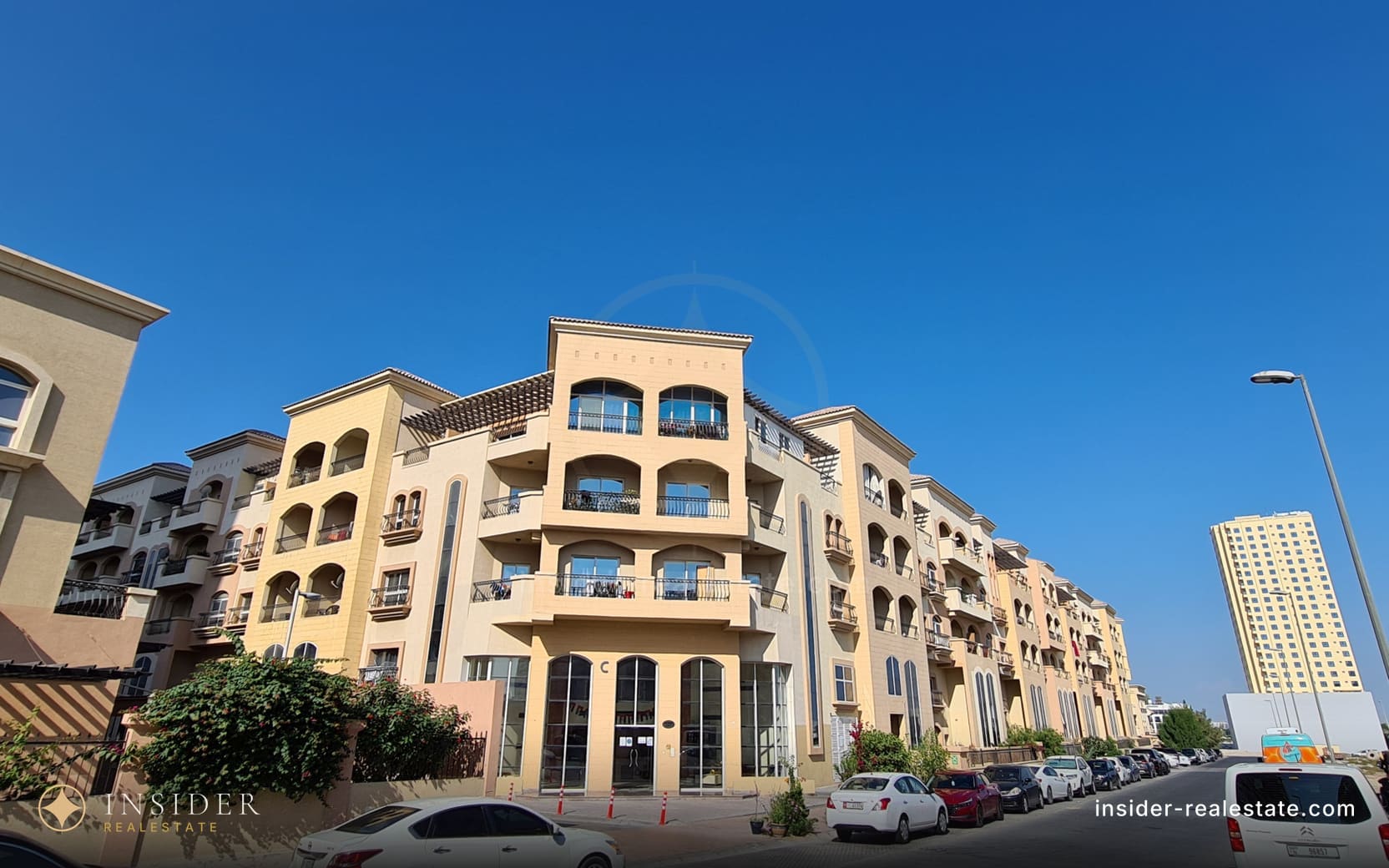
 Photo of the community −5%
 Vitality Residence JVC District 10 · 1 BR · Apartment 950 000 AED 1 005 000
Ask about lot NP1-104449
A family-owned mid-market developer that has built almost exclusively in Jumeirah Village Circle since the mid-1990s — a narrow specialisation rather than the land-grab-across-the-city approach common among small developers.
9 lots in stock across 5 projects. Of the 8 with a known status: 2 ready, 6 under construction. By median price — 124th of 139.
The districts where this developer has the most lots in our stock.
Checkable facts about the developer itself. Unlike the figures above, these are not about our stock and do not move with what happens to be listed today.
Segrex Development is part of a family holding company operating in Dubai since the mid-1990s, and unlike many small developers spreading plots across the city, it has stayed almost entirely within one district — Jumeirah Village Circle. That kind of narrow focus is rarer than it might seem: most mid-market developers try to diversify locations so they are not dependent on a single cluster's fortunes.
A focused strategy has an upside that works in the buyer's favour: a developer that has built in one district for years understands its infrastructure limits, competitive supply and actual tenant demand better than a company entering JVC for a single one-off project.
The company's portfolio is compact mid-market housing — studios and one- to two-bedroom units built for letting rather than status ownership. In this segment, specification wording is exactly what separates two similar-looking buildings, and it is also the vaguest part of any contract: 'finished' does not mean 'furnished', and 'smart home' can mean integrated lighting and climate control or an app controlling two power sockets.
A developer with a delivery history in one district has an advantage a newcomer lacks: its earlier buildings can be checked against what the contract promised versus what actually showed up at handover — and that gap is the central risk of buying in the mid-market segment.
In JVC, competition within the district sets the rental rate, not any one developer's brand: supply density is high, and a unit competes with dozens of similar ones within walking distance. A developer that has worked in one place for years reads that competition more accurately than a company judging the district by citywide statistics — and that should show up in its pricing and its choice of unit formats.
The flip side of concentration is a lack of diversification for the buyer. If you already own another property in JVC, adding a further unit in the same district from the same developer does not reduce your exposure to a single local market — it increases it.
This list applies to any mid-market developer, but it is easier to carry out with a company that has a long history in one district: delivered buildings can be visited in person and compared against what was promised, rather than taken on trust from a render. Look for a named list of appliances in the specification rather than the generic phrase 'finished'; establish exactly what system sits behind the words 'smart home' and who services it after handover.
Also weigh the building's amenity list against the projected service charge: in a mid-market building with modest rents, a long list of pools and rooftop lounges can turn into a drawback for an investor if the charge grows faster than the actual rental rate responds to them.
JVC's secondary market is active enough to lean on registered transactions, but competition among similar units limits a seller's negotiating position: a buyer can almost always choose from several comparable options within walking distance. That is true of any developer's buildings in the district, not just this one, and it should shape expectations around how long a sale takes.
Buildings with a delivery history — Stonehenge Residences and its second phase — offer something off-plan cannot: a checkable rental rate and an actual service charge that has settled after a few years of operation, rather than one projected by a sales office.
For any new project from this developer, I start with its own already-delivered buildings in the same district — with a small portfolio, each one carries a lot of evidence about how the finished product actually compares with what was promised at the sales stage. Next I ask for a named list of appliances and building systems in the specification, and check the escrow account and Oqood registration by the specific project number.
I compare the projected service charge against the developer's own delivered buildings and against comparable projects from other companies in JVC, and I pull rental rates for the cluster from live listings rather than a sales presentation — in this district, live competition, not the developer's name, is what ultimately decides the yield.
Photo of the community −5% 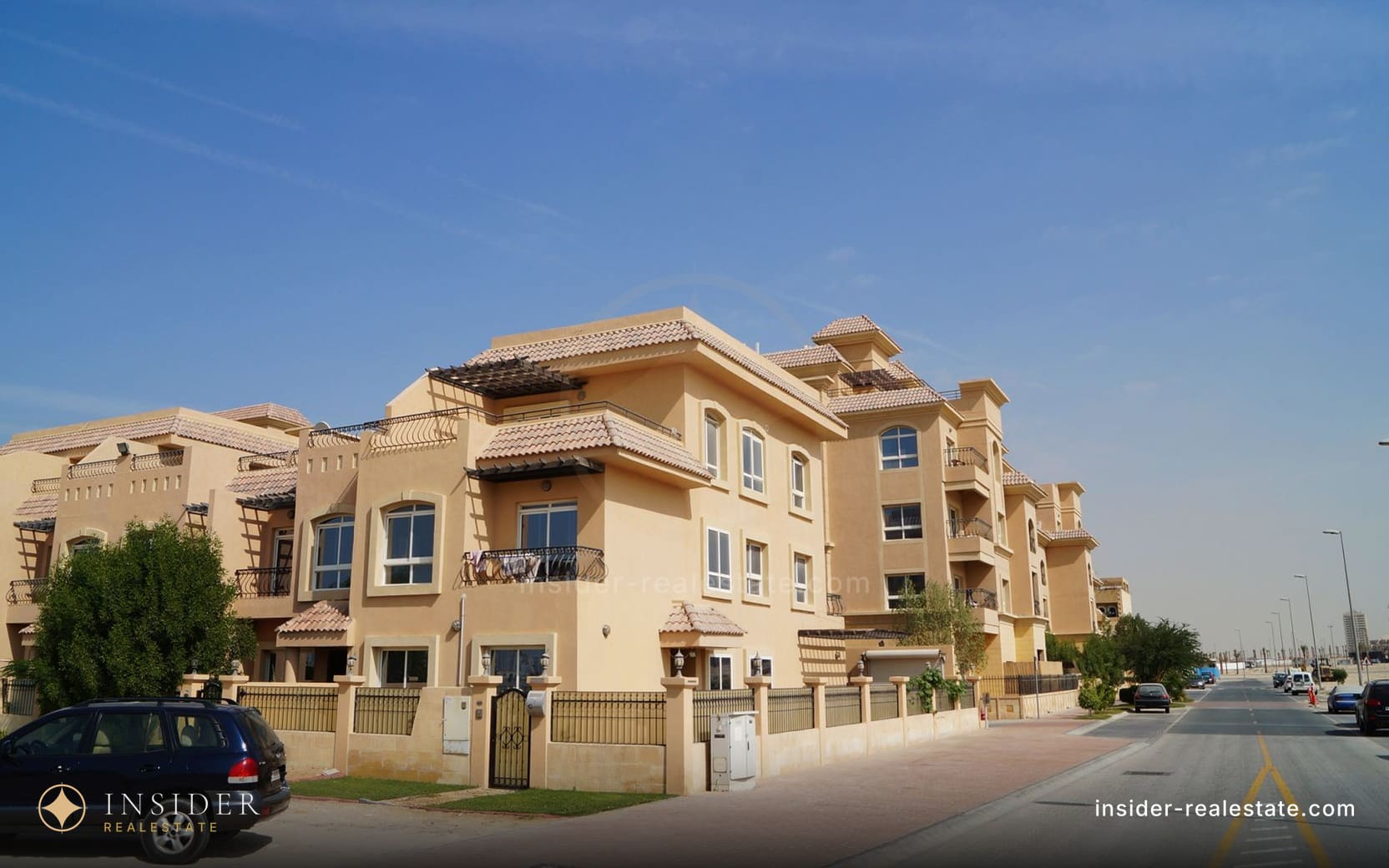 Photo of the community −3%
 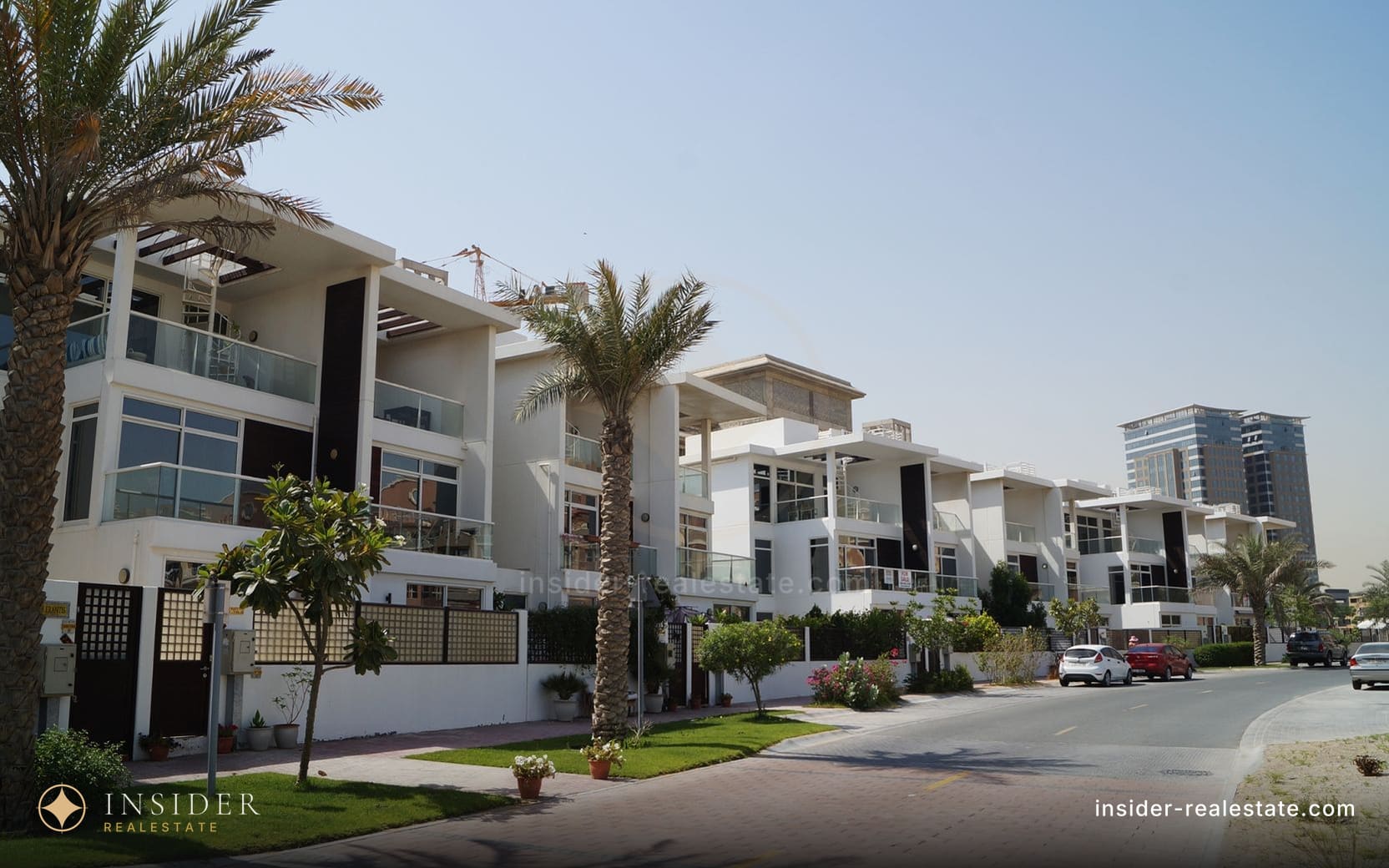 Photo of the community Photo of the community Photo of the community Photo of the community
 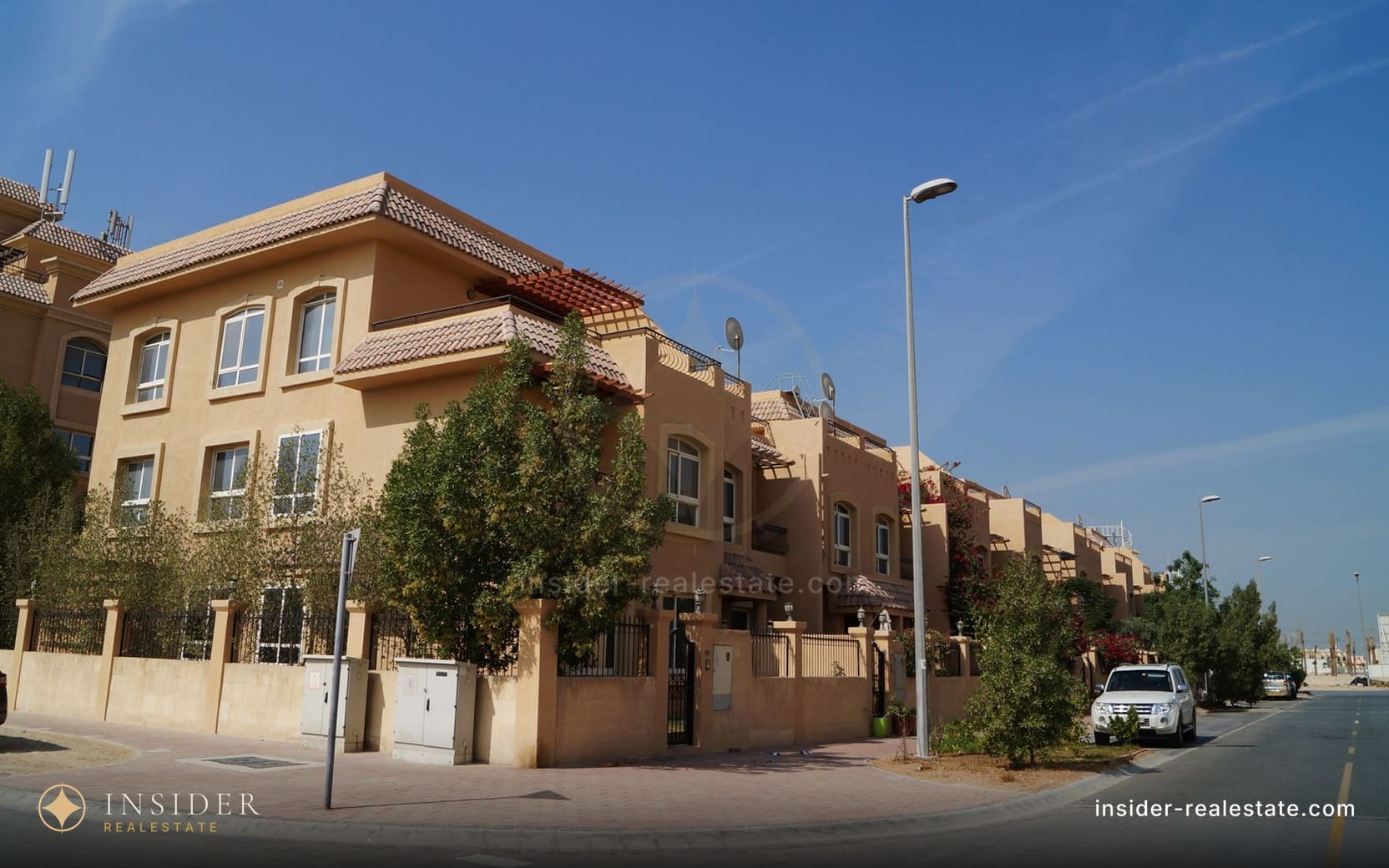 Photo of the community
 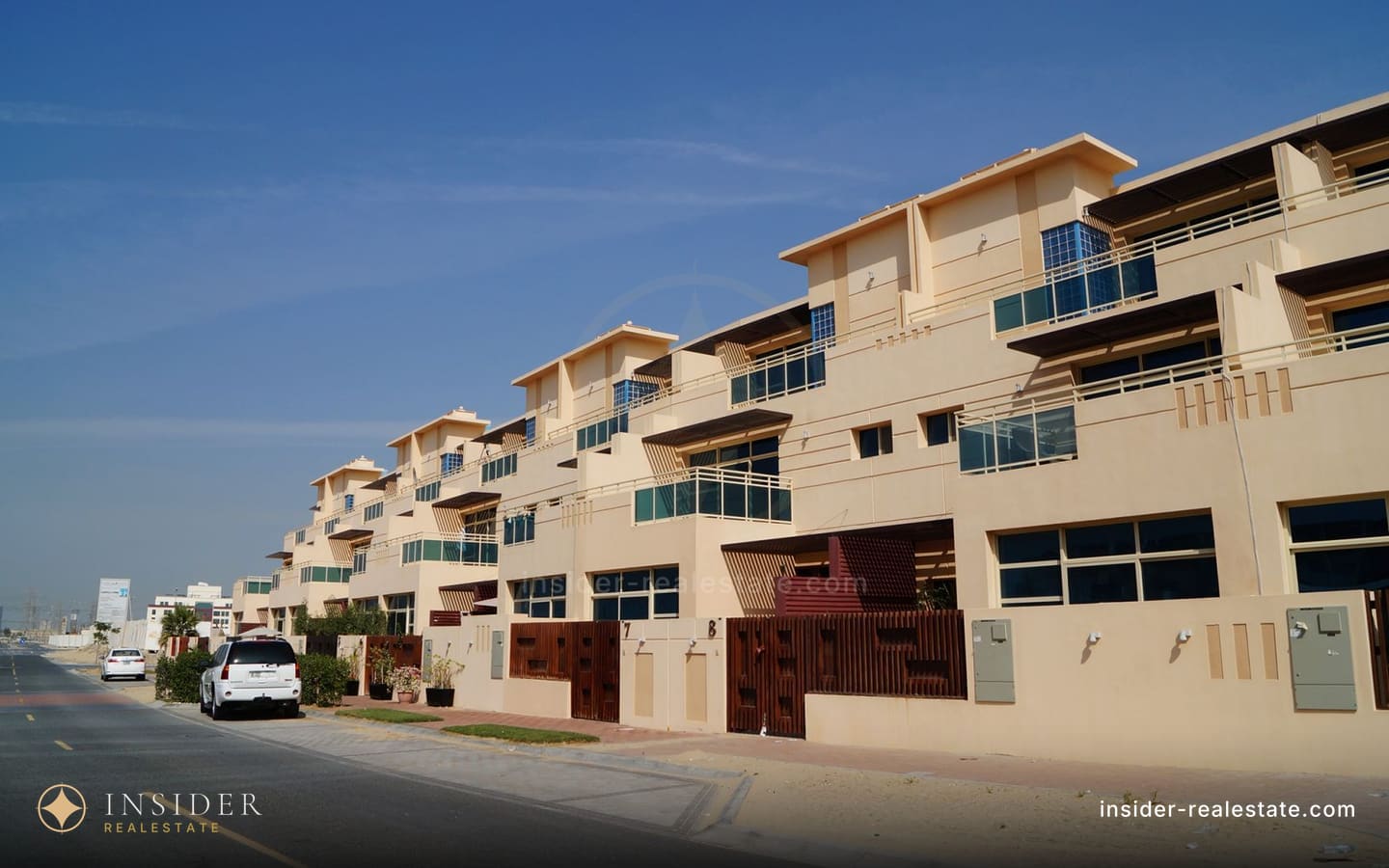 Photo of the community Photo of the community
 The developer is inferred from the project name — there is no developer column in the base. So the figures describe our stock, not the company's share of the Dubai market: a developer sitting on an enormous volume of completed housing can look smaller here than one whose projects reach the resale market more often.
These are asking prices, not closed transactions. For a specific building I pull the registered Land Department sales and show where deals actually closed.
A small developer with residential projects in JVC. Specifications are written to sound generous, and four phrases in particular mean far less than buyers assume.
The median across this developer's lots in our stock is $259K (AED 950 000), with entry from $163K. The median per square foot is $316. The figures come from asking prices in our base, not from the Segrex Development price list, and they are recalculated nightly to reflect what is actually for sale today.
Right now the base holds 2 lots from this developer priced below the market, with the deepest cut at 5%. It is the seller on the secondary market or on an assignment who cuts the price, not the developer — each has a reason to hurry. The discount is calculated by an algorithm relative to comparable property, with no manual broker estimate.
Delivered: Stonehenge Residences, Stonehenge II, Nicholas Residence, Vitality Residence and other JVC projects. A developer is checked against the Land Department’s open register rather than a brochure: it shows the licence status, the construction progress of each project and the registered escrow account. On off-plan the buyer’s money goes into that account under RERA supervision and is released against verified milestones. The full dossier is in the write-up above.
Above on this page: 3 projects by Segrex Development from our catalogue, each with a passport covering floors, units, handover and bedrooms. The districts holding most of its lots are grouped under “Where they build”. Lots on sale, when there are any, sit right under the project.
Money-wise there is no difference: on off-plan the broker is paid by Segrex Development, not by you, so calling the sales office direct saves nothing. What differs is the view — the developer’s sales team sells only its own buildings and will not mention that the same unit costs less next door or that this project hands over later. On resale and assignment the commission is the usual 2% plus VAT.
It depends what you are buying and why. Send me your budget and the job it has to do — I will tell you which of this developer's projects make sense right now and which I would walk past.
Ask on WhatsAppTelegram is the fastest way — I answer personally.
Message on Telegram