
 Photo of the community
 National Bonds
Not a developer in the usual sense but a savings and investment institution — real estate is just one of the ways it places depositors' money alongside sukuk and money-market instruments, and that logic shapes how its handful of buildings get built and run.
4 lots in stock across 2 projects. Of the 2 with a known status: 0 ready, 2 under construction. By median price — 83rd of 139.
- Buyers who value a conservative, non-speculative owner
- A building built to be held, not flipped fast
- Government-linked backing behind the project
- A one-off product, not a mass-market pipeline
Median price $463K AED 1 699 000
Entry price $436K AED 1 600 000 — the cheapest lot
Per square foot $441 AED 1 621 / sq.ft, median
Completed stock 0% no discounted lots right now
Where they build
The districts where this developer has the most lots in our stock.
Dubai Hills Estate 2 Dubai Marina 2
The company in brief
Checkable facts about the developer itself. Unlike the figures above, these are not about our stock and do not move with what happens to be listed today.
- Status
- a savings and investment company, licensed and regulated by the UAE Securities and Commodities Authority, operating on Sharia-compliant principles
- Founded
- 2006, owned by the Dubai government's investment arm
- Scale
- more than a million bondholders, with assets under management in the tens of billions of dirhams
- Model
- depositor funds are invested under a profit-sharing structure across money-market instruments, sukuk and income-generating real estate
What kind of developer this is
Who they are, and why this isn't an ordinary developer
The company is a savings and investment institution owned by the Dubai government's investment arm, not a developer in the conventional sense. Its core business is managing depositor money under a profit-sharing structure, placing it across money-market instruments, sukuk and income-generating real estate. The housing it builds or owns is part of that investment portfolio, not a standalone commercial product meant to be sold as fast and as high as possible.
That difference in motivation shows up in practice. A conventional developer profits from selling units and wants the project to turn over quickly. An institutional real-estate investor earns from stable long-term income off the asset, and that reorders priorities — toward build quality and post-handover manageability, rather than toward selling out fast.
How that logic shows up in the buildings
Buildings linked to this company are built with long-term ownership in mind, not a quick developer resale. That means a more conservative approach to specification: fewer decisions made for a striking render and more attention to the building systems that determine running costs for years afterward — because those are exactly what drive the return an owner planning to hold long-term is chasing.
The flip side of the same logic is less noise and less aggressive marketing around the buildings. The company doesn't compete for buyer attention with flashy launches or chase brand recognition the way developers living off new-phase sales do. For a buyer that means the decision should rest on the building and its location, not on brand pull.
What they have actually built
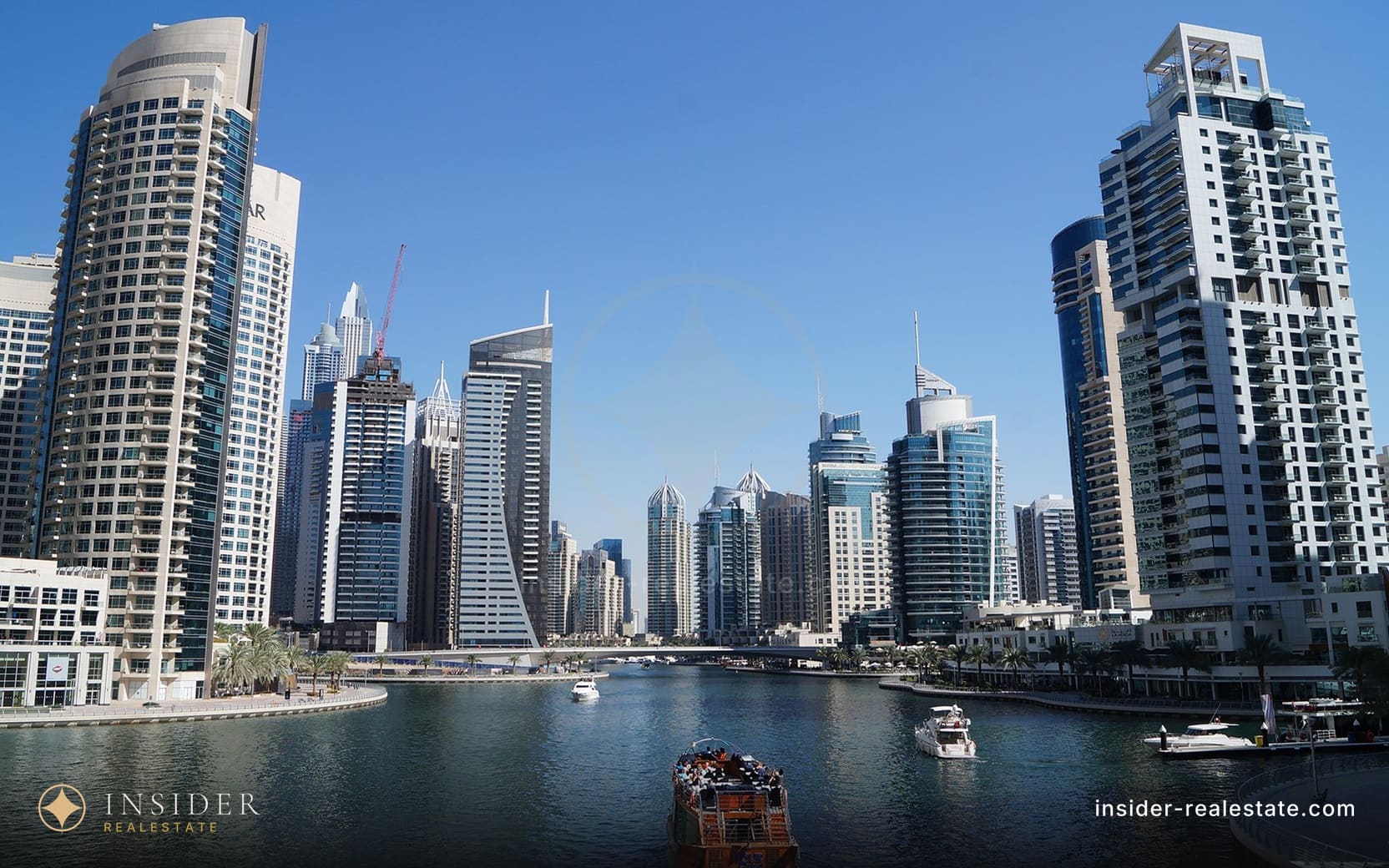
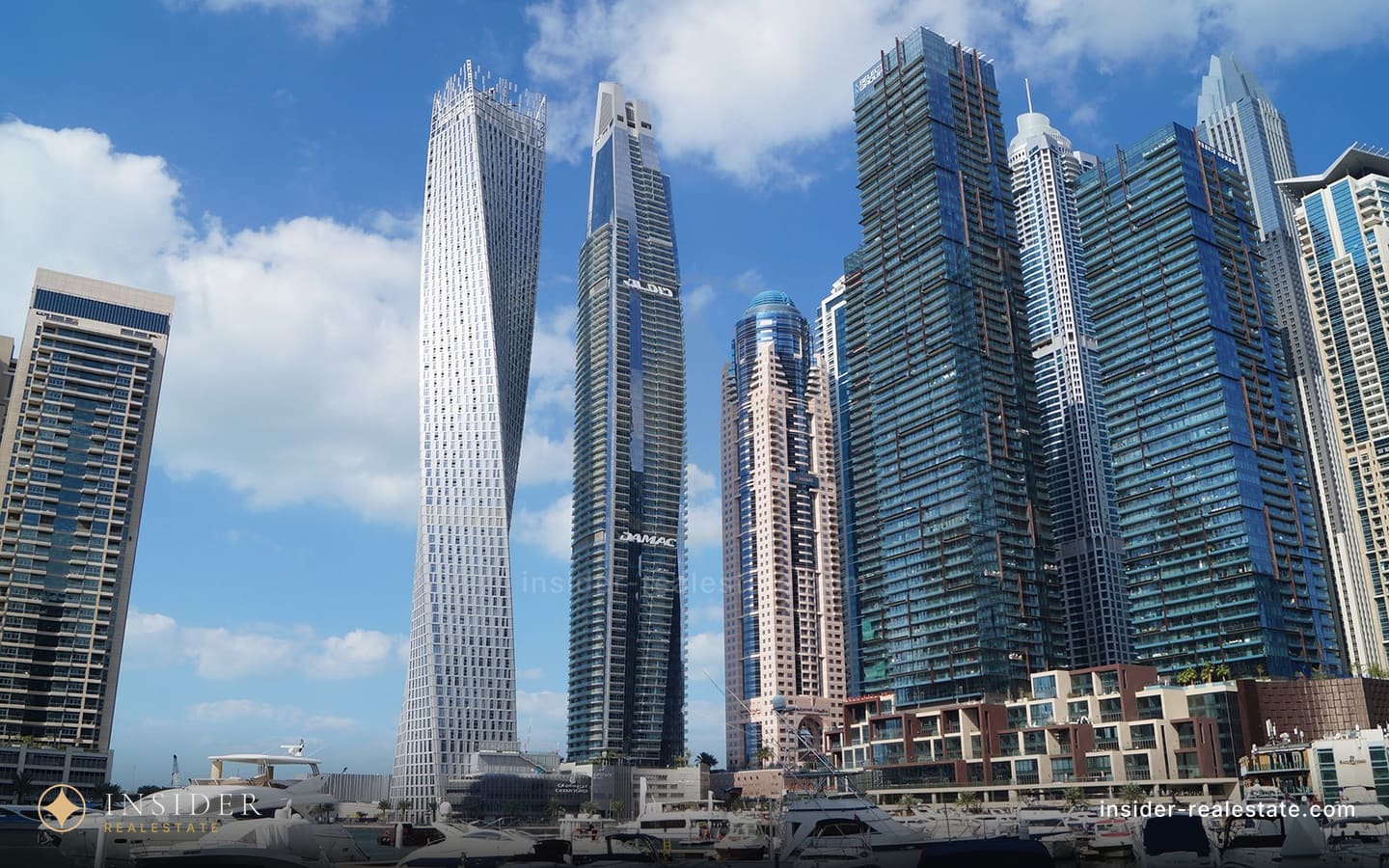
The portfolio is small but sits in prominent locations: a high-rise tower in Dubai Marina, handed over and occupied years ago, and a newer mid-rise project in Dubai Hills Estate, aimed at family living near the park and golf course. This is not a series of near-identical blocks but one-off buildings, each matched to its own location and audience.
That approach follows directly from the company's investment, rather than development, nature: instead of scaling one successful product across the city, it picks specific plots it judges to be good long-term holdings and builds a bespoke response to each.
Life after handover
The long-established Marina tower has built up its own track record over years of use — a real operating history, not just a seller's renders. That lets a resale buyer judge facts rather than promises: how the common areas have actually aged, how the lifts hold up, how disciplined the service-charge collection has been.
The newer Dubai Hills Estate project has no such history yet, and here a buyer is weighing a calculation rather than a record: an institutional owner focused on stable long-term income should, in principle, pay closer attention to post-handover management quality than a developer for whom the building is simply one more closed deal.
Resale market and liquidity
The Marina tower has a deep transaction history — a prestigious, high-demand location with constant turnover that makes valuation and resale straightforward: there are enough comparable sales to know the real market price rather than guess from the asking one.
The new Dubai Hills Estate project has no resale history of its own yet, and its liquidity will largely track the reputation of the location itself — and Dubai Hills Estate has, over recent years, established itself as one of the city's most sought-after family districts, which lowers the risk of an illiquid asset within its boundaries.
Who it suits, and who it does not
This kind of developer suits a buyer who values a conservative, time-tested ownership logic over a loud name on the facade, and who rates a bespoke approach above the production-line scale of the big developers. The government link to the parent institution adds reassurance for buyers wary of young private companies with no long track record.
It doesn't suit buyers looking for a wide choice within one brand, frequent new launches, or the aggressive payment plans that developers living off future-phase sales compete on — none of that exists here, and by the company's very nature it isn't going to.
Projects by National Bonds
All projects →National Bonds listings in stock
All stock → Photo of the community 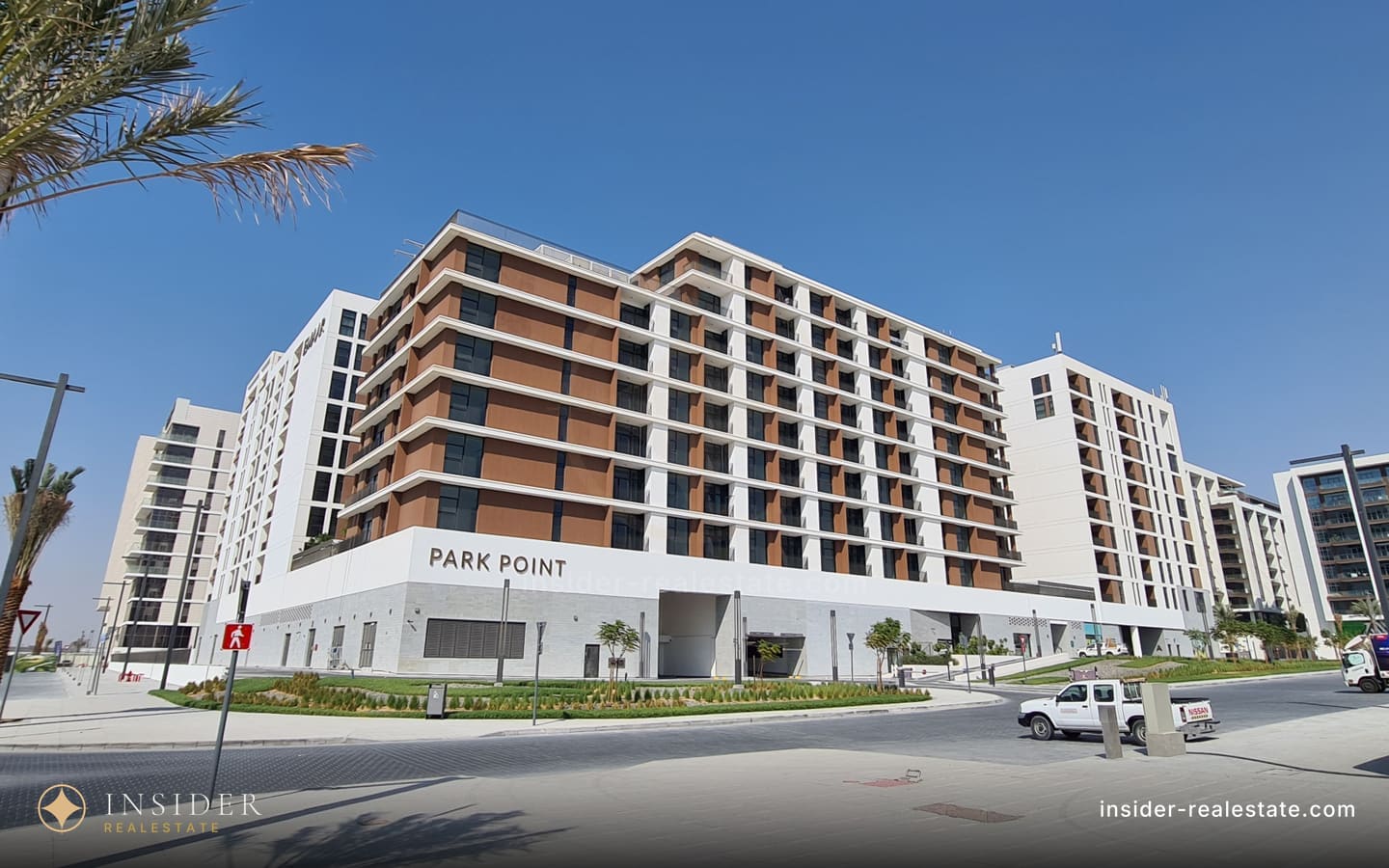 Photo of the community
 399 Hills Park Dubai Hills Estate · 1 BR · Apartment 1 699 000 AED 1 707 000
Ask about lot NP1-104462
Photo of the community Photo of the community What these numbers mean, and what they do not
The developer is inferred from the project name — there is no developer column in the base. So the figures describe our stock, not the company's share of the Dubai market: a developer sitting on an enormous volume of completed housing can look smaller here than one whose projects reach the resale market more often.
These are asking prices, not closed transactions. For a specific building I pull the registered Land Department sales and show where deals actually closed.
In the news
National Bonds: when the developer is a savings institution
A regulated savings company that also develops property. What an institutional balance sheet changes for an off-plan buyer, and where it makes no difference at all.
Other developers
All developers → Questions
National Bonds: questions and answers
How much does a National Bonds apartment cost?
The median across this developer's lots in our stock is $463K (AED 1 699 000), with entry from $436K. The median per square foot is $441. The figures come from asking prices in our base, not from the National Bonds price list, and they are recalculated nightly to reflect what is actually for sale today.
Is National Bonds a reliable developer?
Founded: 2006, owned by the Dubai government's investment arm. A developer is checked against the Land Department’s open register rather than a brochure: it shows the licence status, the construction progress of each project and the registered escrow account. On off-plan the buyer’s money goes into that account under RERA supervision and is released against verified milestones. The full dossier is in the write-up above.
What projects is National Bonds building?
Above on this page: 2 projects by National Bonds from our catalogue, each with a passport covering floors, units, handover and bedrooms. The districts holding most of its lots are grouped under “Where they build”. Lots on sale, when there are any, sit right under the project.
Should I buy from National Bonds direct or through a broker?
For an off-plan buyer the price is identical, because the developer covers the broker’s commission. Going straight to National Bonds is therefore no cheaper, and the choice there is limited to its own projects — you will not get a comparison with neighbouring buildings or a candid read on handover dates. On resale and assignment the commission is standard: 2% plus VAT.
Is National Bonds worth buying
The answer depends on the purpose. Send your budget and goal — I will go through which National Bonds projects are worth considering now and which I would skip.
Ask on WhatsAppAsk a question
Telegram is the fastest way — I answer personally.
Message on Telegram