 Illustrative photo −5%
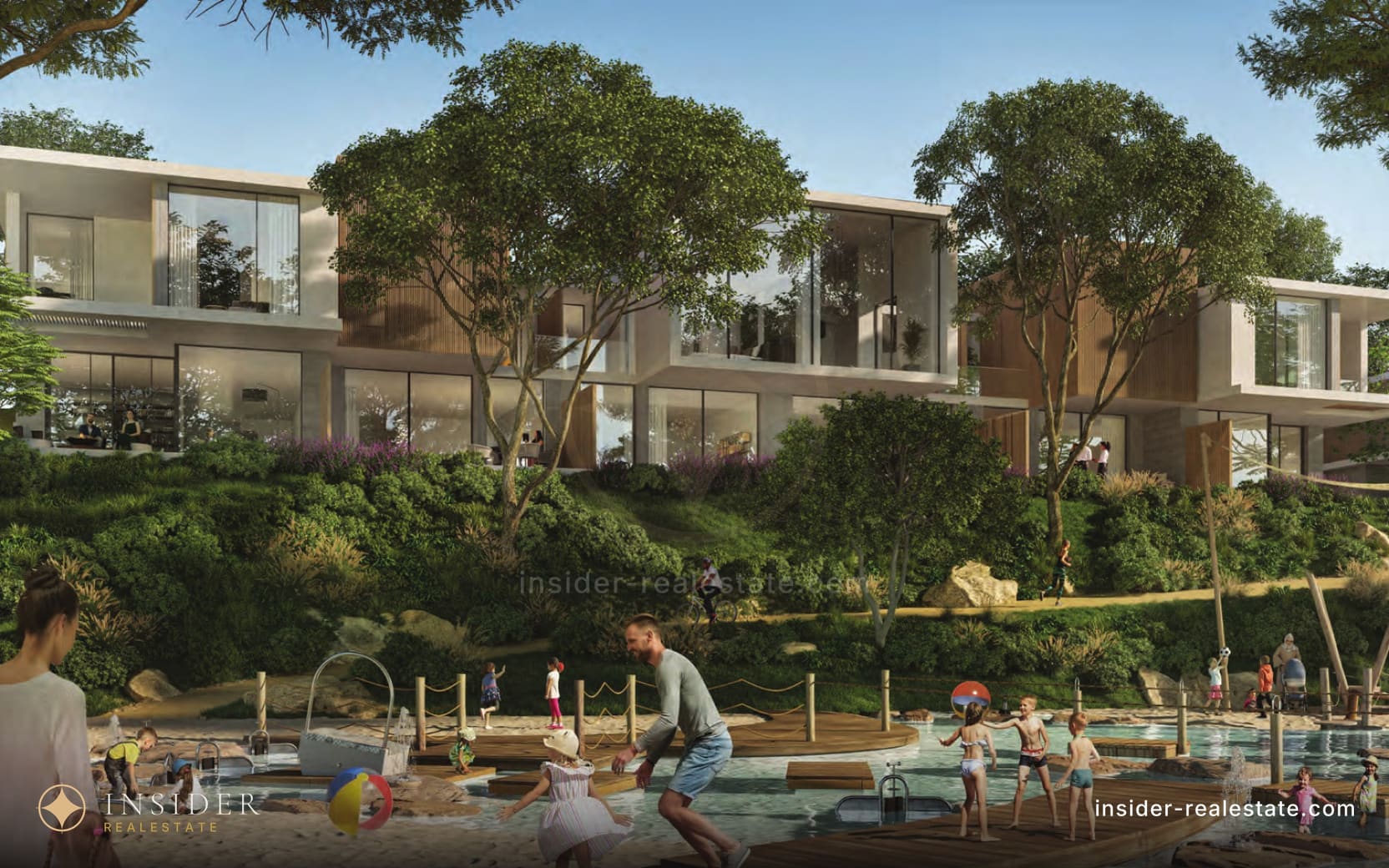
 Expo Golf Villas 6 (Greenviews 3) Expo Golf Villas 6 (Greenviews 3) · 4 BR · Villa 3 750 000 AED 3 949 999
Ask about lot NP4-422494
The authority turning the Expo 2020 World Expo site into a permanent district: the infrastructure and landmark architecture already stand, and the one open question is whether a place designed for day-visitors becomes a place people live in for years.
2 lots in stock across 2 projects. Of the 2 with a known status: 2 ready, 0 under construction. By median price — 44th of 139.
Checkable facts about the developer itself. Unlike the figures above, these are not about our stock and do not move with what happens to be listed today.
Expo City Dubai Authority manages the former Expo 2020 site as a permanent urban district, not as a preserved exhibition ground. That sets it apart from an ordinary master developer starting on empty land: roads, utilities, a metro line, landmark pavilions and public space are already in place — built all at once to host millions of visitors over the exhibition's few months of operation, not phased in to match a sales schedule.
For the district, that is both a head start and a specific challenge. The head start is infrastructure that an ordinary master plan only gets by its fourth phase, present here from day one of the expo. The challenge is that all of it was designed for a different kind of flow — a guest who arrives for a day and leaves — not for a permanent resident with daily practical needs.
The shift from visitor flow to a settled population is the whole story of Expo City, and good infrastructure alone does not resolve it automatically. An exhibition needs showcase retail and one-visit dining; permanent residents need a grocery store, a clinic, a school — and enough neighbours for that grocery store to make economic sense and stay open.
That transition is measured in years, not quarters, and it should be judged by what actually serves residents today rather than what served expo visitors. The mixed-use partnership with Aldar is one signal that major developers are reading this transition as a working bet rather than a one-off experiment.
Expo City has something a typical new district lacks: organisations and offices placed on site as part of the legacy programme rather than attracted through ordinary commercial leasing. That creates a weekday population before most of the residential quarters are even built out — and it is the weekday population, not tourist footfall, that feeds local everyday business and decides whether a supermarket opens nearby.
The generous pedestrian space, designed for expo crowds, turns out to be an unexpected long-term advantage: a city built around an exhibition rather than around the car is rare in Dubai, and for a resident who values being able to walk somewhere, that is a genuine difference from most of the emirate.
On a master-plan site, the counterparty on a sale and purchase agreement is often not the Expo City Dubai Authority but a separate developer that took on a specific plot — the Aldar partnership is one example. That means a building's quality, timing and warranty responsibility rest on that specific developer's own record, not on the expo's history or the master plan's overall appeal.
Before comparing a project on the site with an ordinary residential district, establish explicitly who built the building, how much of the surrounding area is already occupied versus still under construction, and what phases are planned next — because living next to construction for a few more years is part of the deal, not an incidental detail.
Public space designed to host millions of guests over a few months is expensive to maintain permanently — generous pedestrian zones, parks and pavilions do not look after themselves, and that cost has to land somewhere. In practice that means a district charge on top of the ordinary building service fee, comparable to what residents pay in other Dubai master plans with substantial public infrastructure.
While occupancy is still growing, look soberly at actual rental rates from live listings rather than sales-office projections — in a district still filling in, liquidity and rental demand typically catch up with infrastructure with a lag of a few years, not immediately.
For any building on Expo City land, the first thing I establish is who the specific developer is and what exactly they warrant, as distinct from the authority running the site overall — two different legal entities with different liability. Next I look at actual occupancy nearby and what genuinely serves residents today: how many units are occupied, which shops and services are actually open versus only planned.
I also price out both charges — the building's own fee and the site-wide levy — and check the peak-hour commute as it stands today, since the district sits on the city's southern edge and depends on how congested the access roads are. For a client with a long horizon, this is often an interesting bet on turning unique infrastructure into ordinary city life; for someone who needs an established daily routine from day one, an already-settled district is the more honest recommendation.
Illustrative photo −5%  Illustrative photo −3%
 Lots are matched to Expo City Dubai by project name, since the base has no developer field. The numbers above therefore describe our stock rather than the company’s market share: a developer with a large completed portfolio can show fewer lots than one whose buildings are resold more often.
All prices are asking prices, not sales. For the building you pick I pull the registered Land Department transactions and show the prices deals really closed at.
Project breakdowns from the English channel. Every clip has a written version on a page of its own.
 7:15
7:15 The Christmas markets in Dubai: Al Habtoor's Winter Garden, the Madinat Jumeirah market, Expo 2020, the Bluewaters drone show and the Winter District in DIFC. What they are like and when to go.
WatchThe master developer turning the World Expo site into a permanent district. What a legacy site starts with that a normal master plan does not — and the one question that decides it.
Exposition sites usually decay after closing — it is nearly a rule. Dubai converted its into a permanent district, and the reason it is growing is the opposite of the usual Dubai story: the infrastructure came first.
The median across this developer's lots in our stock is $892K (AED 3 275 000), with entry from $762K. These are asking prices out of our own base, recalculated every night; they follow what the developer and its sellers actually have on the market, not the price list on a corporate site.
Right now the base holds 2 lots from this developer priced below the market, with the deepest cut at 5%. This is not a Expo City Dubai promotion: below-market prices come from private sellers on resale or assignment who need a quick exit. An algorithm sets the size of the discount against comparable property; no broker types it in by hand.
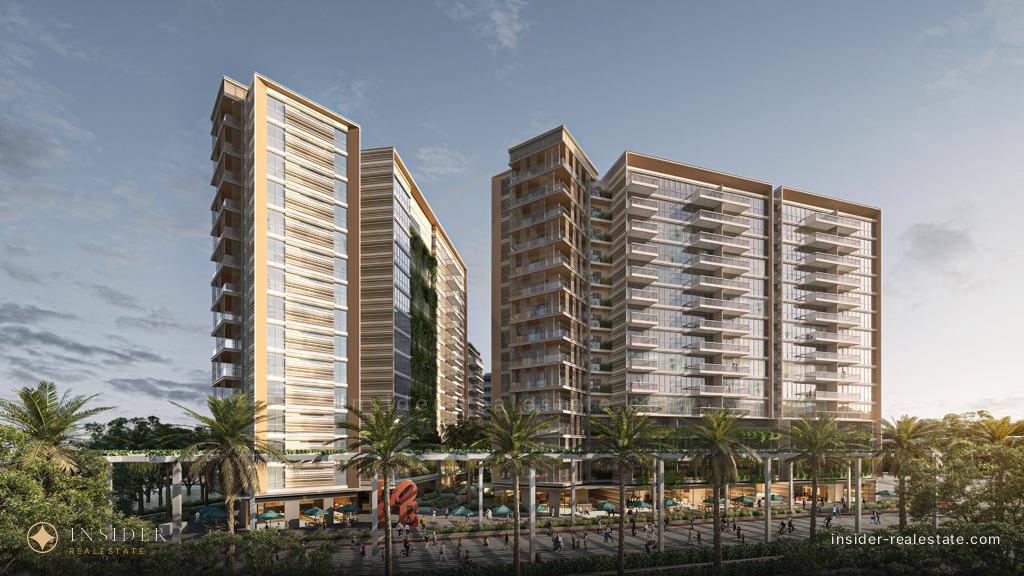
The site catalogue covers 2 projects by Expo City Dubai, each with a building passport — storeys, units, handover date and bedroom mix. They are listed above. Any lots on sale appear directly beneath their project.
The price is the same: on off-plan the developer pays the broker’s commission, not the buyer, so going straight to the sales office saves nothing. The difference is elsewhere — a developer’s sales office shows its own projects only, and will not tell you that the same thing next door is cheaper or that this project is running later than advertised. On resale and assignment the commission is the standard 2% plus VAT.
It depends what you are buying and why. Send me your budget and the job it has to do — I will tell you which of this developer's projects make sense right now and which I would walk past.
Ask on WhatsAppTelegram is the fastest way — I answer personally.
Message on Telegram