
Six of the twenty: Dubai is building a third of the world’s tallest towers
Six of the twenty tallest construction sites on the planet are in Dubai, and the whole UAE top ten is one city. What height means for a buyer is more prosaic than it sounds.
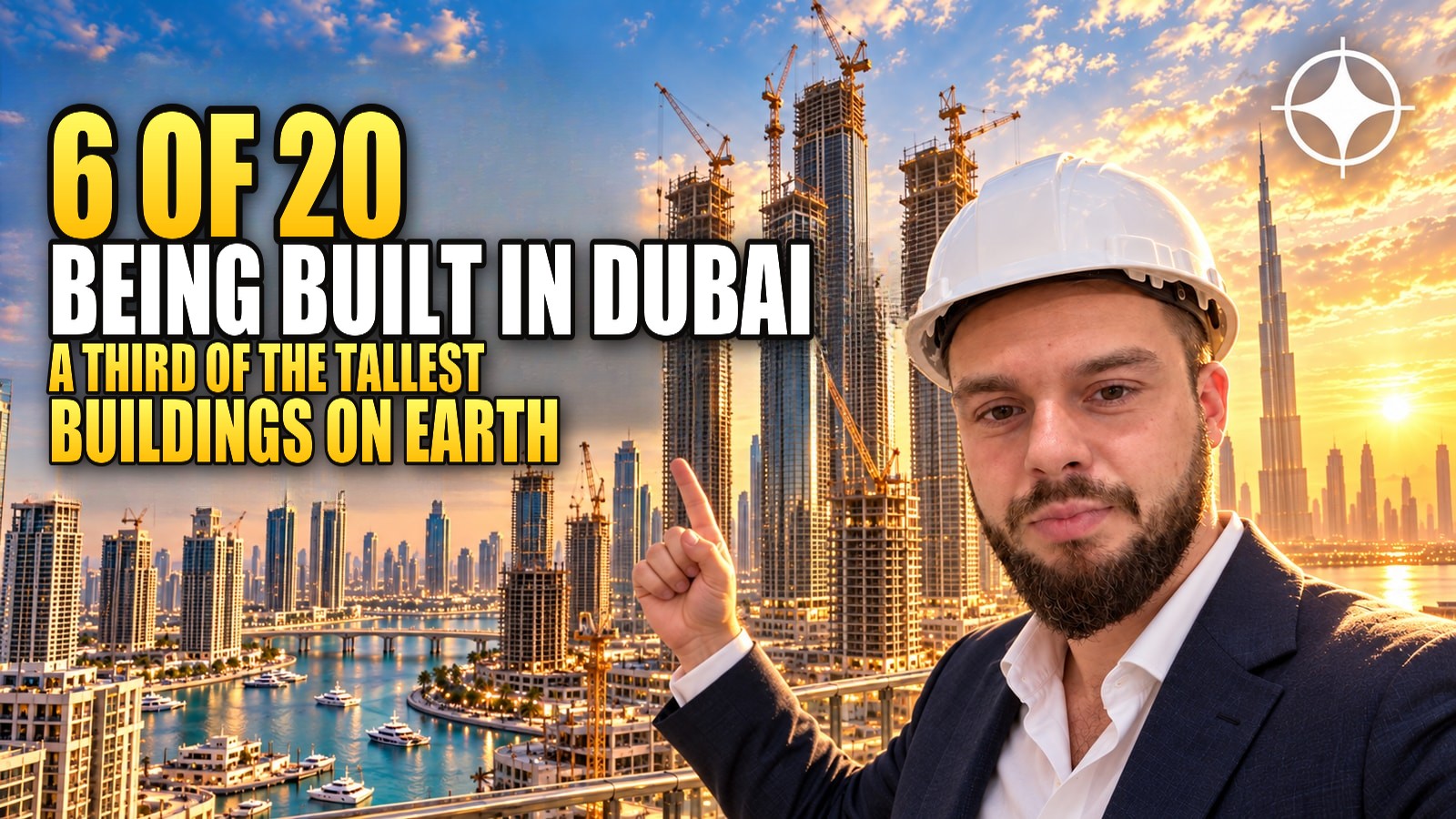
An industry skyscraper database gives the following picture as of mid-2026: six of the twenty tallest construction sites on the planet are in Dubai. And the regional UAE list is occupied in all ten positions by projects in one city.
The range of projects
Heights in the list run from 341 metres to 725. The top position is held by Burj Azizi: 725 metres with a 2028 completion date, after which the tower will be second in height only to Burj Khalifa — and to nothing else in the world.
A notable feature of the current wave is branded partnerships. The list includes projects delivered jointly with houses and marques from watchmaking, automotive and jewellery, and with international development brands.
Talk to a licensed broker: 📲 +971 50 120 32 64 on WhatsApp, @dubai_oleg on Telegram
What height means for a buyer
Less than it seems. Record height is a marketing asset for a building, not a guarantee of return on an apartment in it. The practical consequences of extreme height are rather more prosaic:
- Service charge. A supertall building costs more to run: lifts, facades, services, fire systems. That is an annual line in the owner's costs.
- Construction period. A 700-metre tower takes longer and is more likely to slip than a 30-storey building.
- Price spread inside the building. In a supertall the difference between lower and upper levels is a multiple, and "bought in a famous tower" says nothing about the quality of a specific unit.
- Liquidity. A recognisable address genuinely helps at resale — the one point where height works directly for the owner.
What it says about the market as a whole
A concentration of world records in one city is an indicator of access to capital and to engineering competence. But it is equally a reminder of cyclicality: waves of skyscrapers historically coincide with the peaks of cycles, and buildings like these complete in a different phase of the market.
Video on this topic
The same subject on the English channel — each clip has a written version of its own.


In the news
Other write-ups on the site about the same thing.
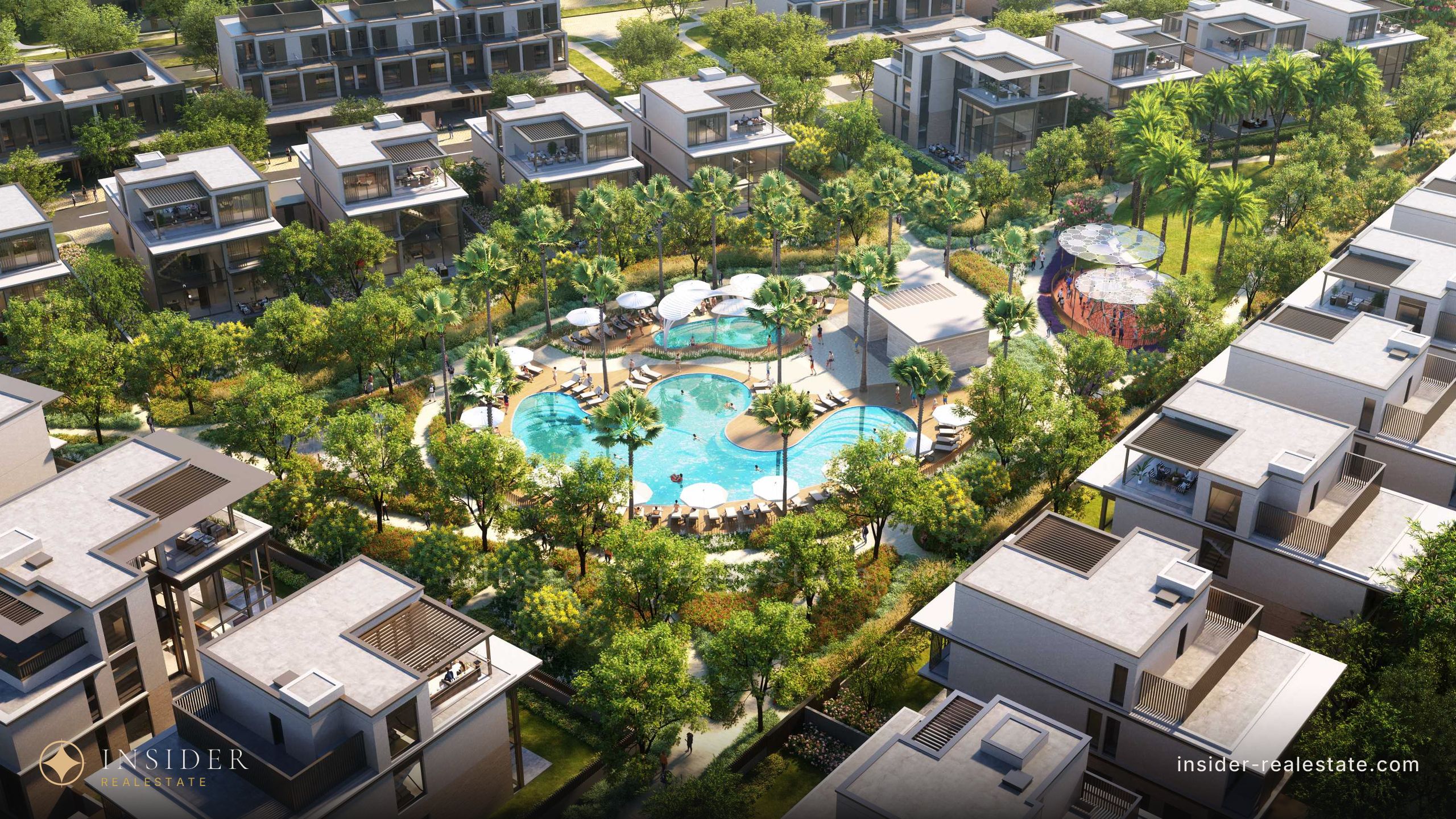
Dubai Municipality now issues villa building permits in minutes — via AI
Dubai Municipality has deployed an AI system that checks villa designs against building codes and issues construction permits in minutes instead of weeks. What it means for plot owners, the villa market and construction timelines.
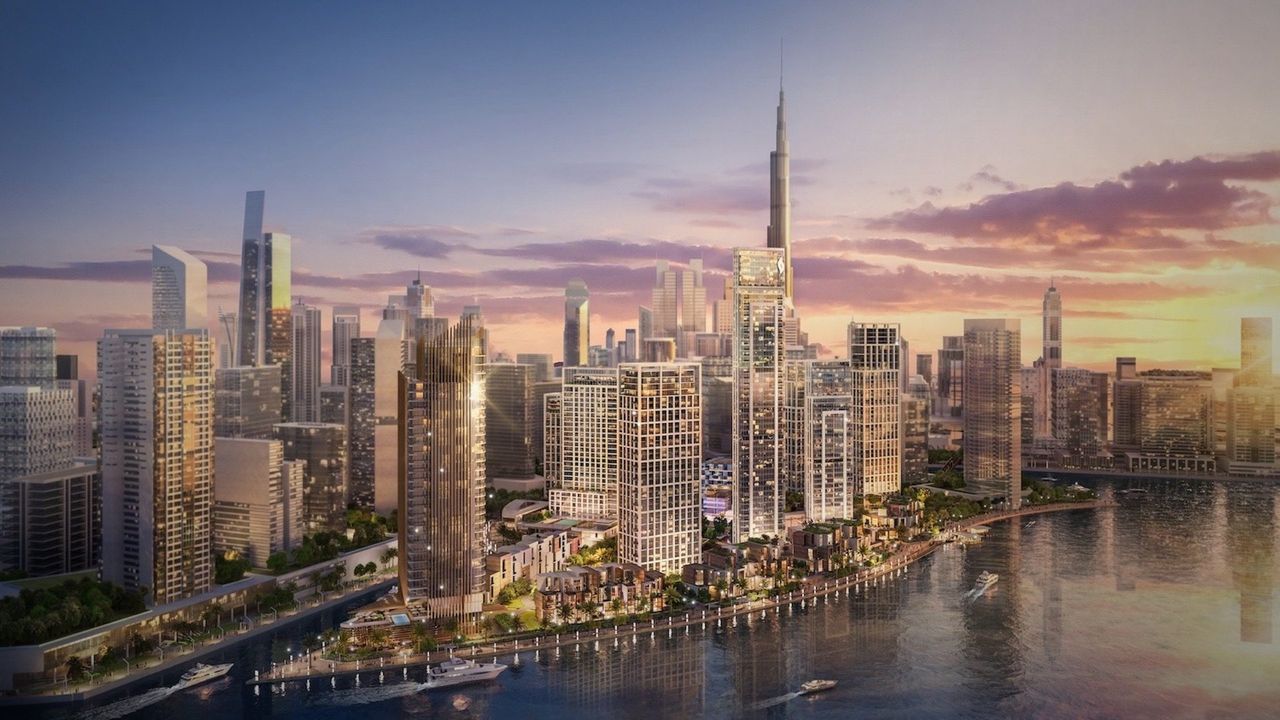
Dubai GDP up 2.4% in Q1 2026: construction +8.2%, real estate +3.1%
Dubai’s economy grew 2.4% in the first quarter of 2026 to $63.2 billion. Healthcare (+17.5%), construction (+8.2%) and transport (+6.5%) led the way. A look at the structure of the growth — and what it says about the property market.
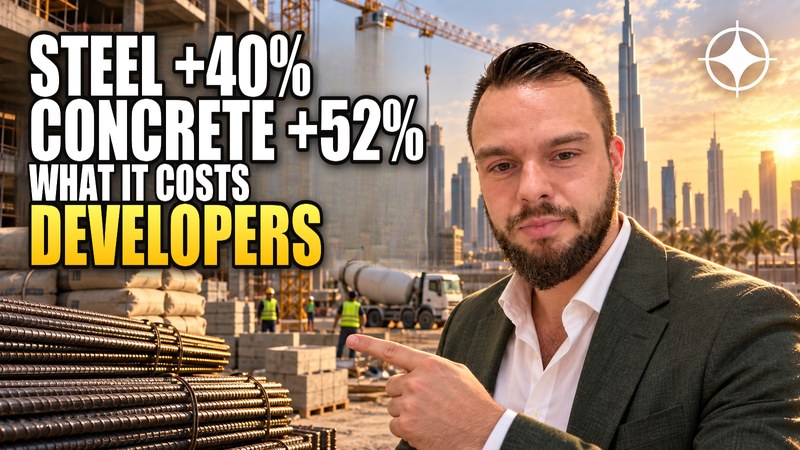
Steel up 40%, concrete up 52%: what building actually costs Dubai developers now
“Prices cannot fall because construction is getting dearer” is heard constantly. The cost figures are real. The conclusion drawn from them is not — and the reason is that land, not materials, drove the market.
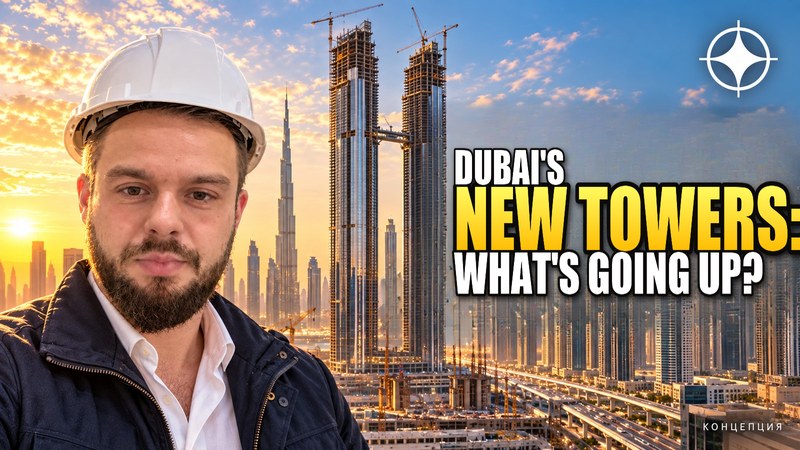
Dubai skyscrapers: Corinthia Dubai above 500 metres and Al Habtoor’s AED 5bn tower in Al Habtoor City
Corinthia Dubai, twin towers above 500 m on Sheikh Zayed Road with a rooftop pool and a Corinthia hotel, is due by 2030. Al Habtoor Group has announced an AED 5bn ($1.36bn) office tower in Al Habtoor City. What the two projects say about the market and who should care.
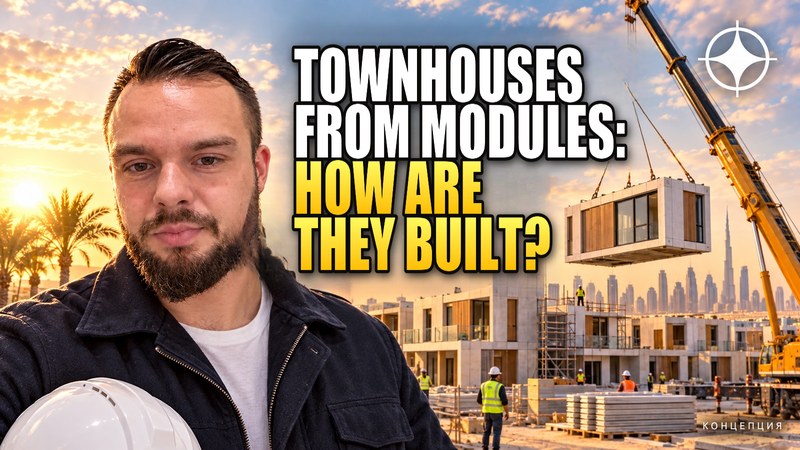
Lantana Hills: Dubai Holding is building 390 modular townhouses in Al Barsha South
Dubai Holding awarded a AED 680m (~$185m) contract to build Lantana Hills, 390 townhouses in Dubai Science Park. The modular method cuts construction waste by 30%; handover is set for the second half of 2027. Not to be confused with the existing Villa Lantana next door.
Construction Week's Top 100 GCC Developers: UAE firms take more than half the list
Construction Week ranks the 100 largest developers in the Gulf by the value of completed and under-construction projects. UAE developers hold more than half the spots — from Emaar and Aldar to DAMAC and Danube. How to read the ranking, and what it tells a buyer.