
Nakheel: the master developer of the islands, and what that title means
The state developer behind Palm Jumeirah and the Dubai Islands. The difference between a master developer and a building developer, and why it matters for what you own.
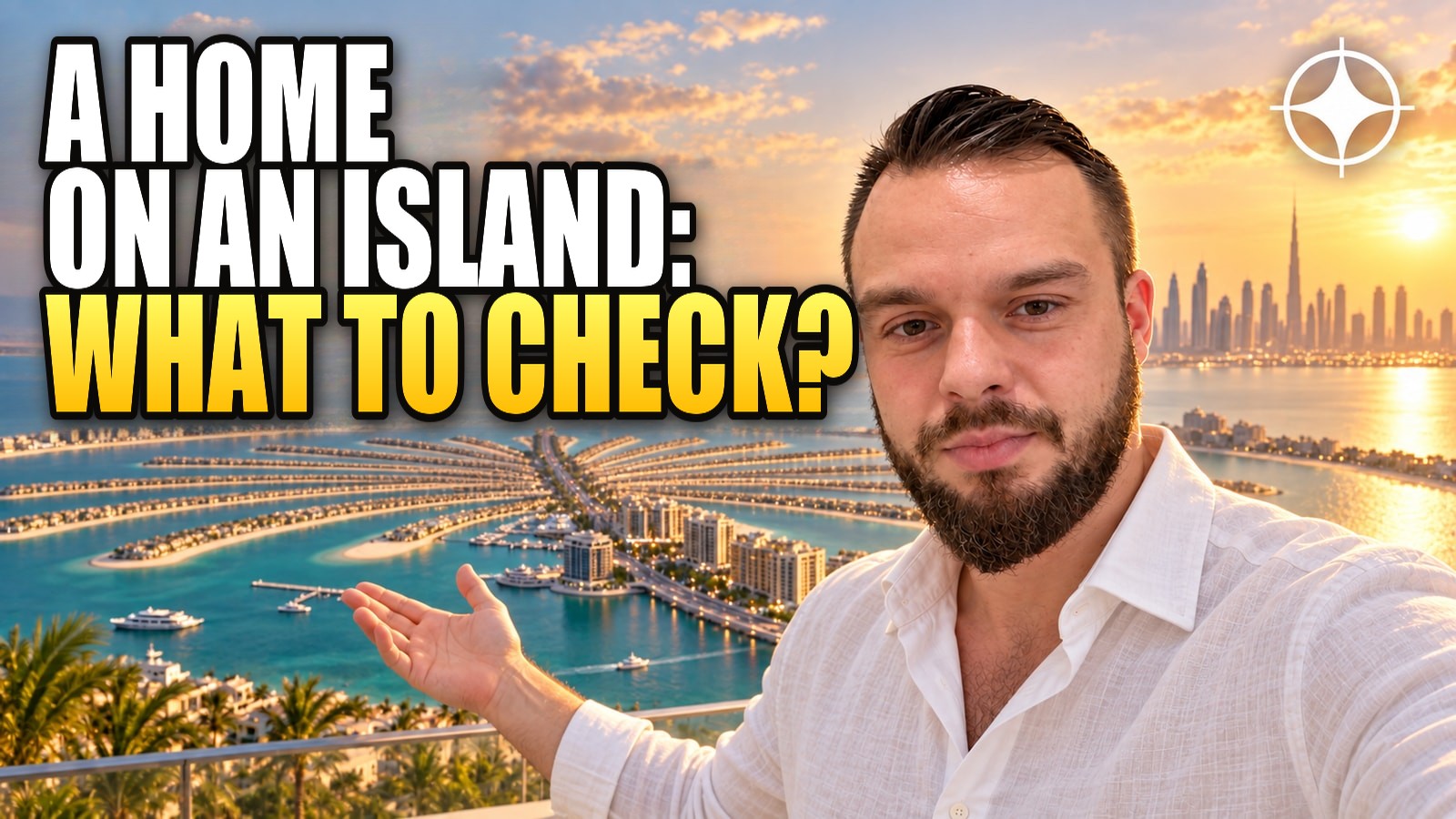
Nakheel is a state developer, and its role differs from that of the companies that sell you a flat. Understanding the distinction changes how you read a Palm Jumeirah transaction.
Master developer versus building developer
Nakheel created the land: it reclaimed the Palm, laid the trunk infrastructure, set the plot boundaries and the rules that govern what can be built on them. Some plots it develops itself; many it sold to other developers, who built the towers and villas that stand on them.
The practical consequences:
Talk to a licensed broker: 📲 +971 50 120 32 64 on WhatsApp, @dubai_oleg on Telegram
- The master developer sets and often collects the community-level charges, separate from your building's own service charge. On the Palm this is a distinct line, and buyers regularly discover it only at handover.
- It governs what may be built next to you, and future development on neighbouring plots follows its master plan rather than your building developer's wishes.
- Beach and shoreline access is defined at master-plan level, not by your building. Which stretch of sand your title actually reaches is worth establishing before you sign.
What it has built
- Palm Jumeirah — the completed island, with a mature secondary market and rental history going back over a decade.
- Dubai Islands — the current large development north of the creek, sold predominantly off-plan.
- Jumeirah Village Circle and Triangle, Discovery Gardens, Jumeirah Park, Al Furjan — mainland communities, some of the largest residential districts in the city.
- Retail and leisure assets it owns and operates, which is why the environment on the Palm is managed as a whole.
Ownership structure matters here
Nakheel sits under Dubai's state holding structure. That carries a lower counterparty risk than a private developer, and a long planning horizon. It also means the master plan can be revised for reasons that have nothing to do with any individual owner.
What to check
- Both service charges — building and community — and their history in the same district.
- Who built the specific building. On the Palm the developer of your tower is frequently not Nakheel; construction quality and delivery record are theirs, not the master developer's.
- What is approved on the neighbouring plots, especially on the Dubai Islands where the plan is still filling in.
- Beach rights and access in the title documents.
- Escrow and Oqood for anything off-plan.
Who it suits
- Buyers of a completed asset on Palm Jumeirah, where a decade of transaction history means the price can be checked against real comparables.
- Off-plan buyers on the Dubai Islands who accept that the surroundings will be a building site for some years.
- Anyone who values a low counterparty risk at the master-plan level.
Based on the Dubai Land Department register and the master-plan structure of the districts named.
Video on this topic
The same subject on the English channel — each clip has a written version of its own.
 13:04Seven Palm on Palm Jumeirah: an infinity pool, a rooftop bar and a hotel underneath8 May 2024
 12:00XXII Carat on Palm Jumeirah: 22 Mediterranean villas compared with Raffles and Zabeel Saray20 September 2023
 19:45Oceano on Al Marjan Island: the Luxe Developers project and the island being built around it14 August 2026
In the news
Other write-ups on the site about the same thing.
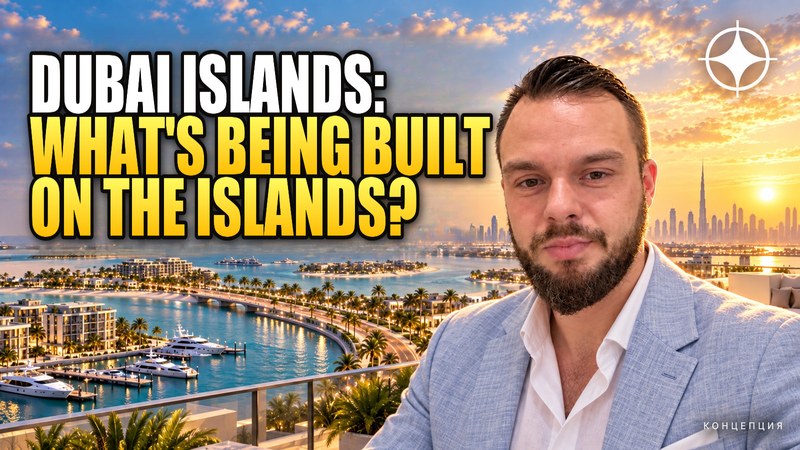
Dubai Islands: JW Marriott Residences by CG Developers, and Nakheel's AED 527m infrastructure contract
CG Developers is building Dubai's first JW Marriott residence, priced from AED 1.72 million with a Q1 2028 handover. In parallel, Nakheel has awarded a AED 527 million contract for Island B's core infrastructure — roads, water and sewage for a future 49 000 homes.
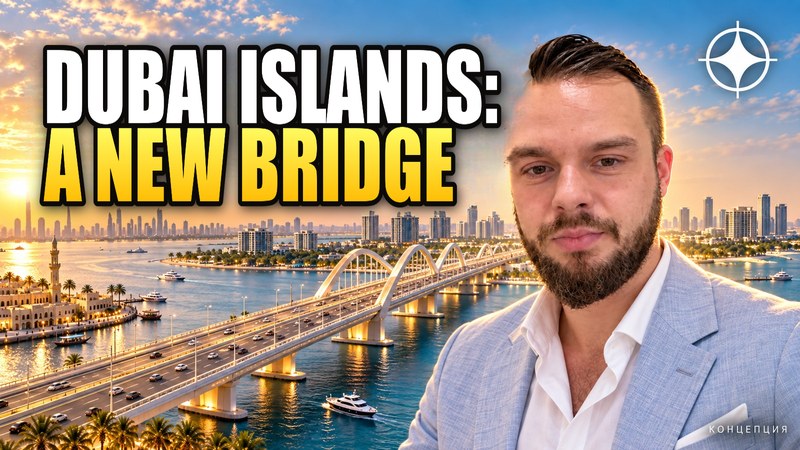
Dubai Islands to Bur Dubai bridge: 1.4 km, eight lanes and a late-2026 opening
A 1 425 m bridge across Dubai Creek will link Dubai Islands directly to Bur Dubai: four lanes each way, 16 000 vehicles an hour, 18.5 m above the water. The AED 786m contract targets completion by the end of 2026. What the bridge changes for the islands and the old city.
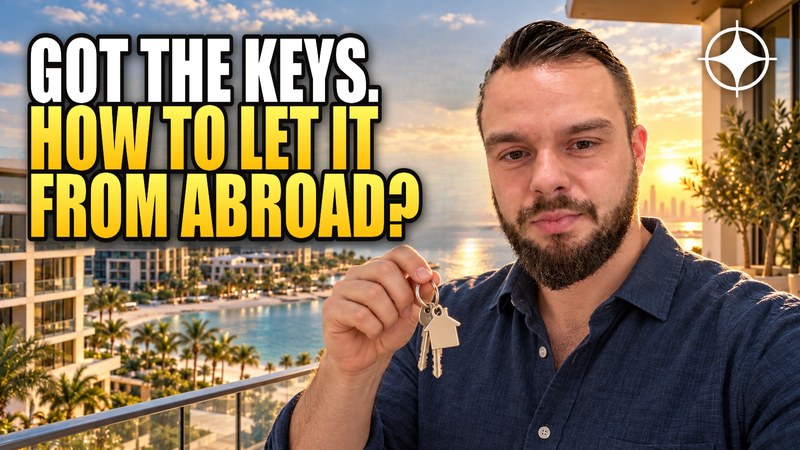
MGS Development: setting up a property you have never visited
A developer building on the Dubai Islands. Between handover and the first tenant there is a list of connections and registrations, and every one of them needs someone on the ground.

Flora Isle Real Estate Development: paying for Dubai property from abroad
A developer building on the Dubai Islands. The dirham’s peg to the dollar shapes the currency risk for every foreign buyer — and the transfer mechanics have costs of their own.
Mr. Eight Development: an off-plan villa on an island still being made
A developer building villas on the Dubai Islands. A house bought off-plan on new land combines two kinds of waiting, and they resolve on different timetables.
Taraf Development: a branded villa is not a branded apartment
A developer building branded homes on the Palm and branded villas in MBR City. Putting a fashion name on a house works differently from putting it on a tower, in three specific ways.