Dubai Islands to Bur Dubai bridge: 1.4 km, eight lanes and a late-2026 opening
A 1 425 m bridge across Dubai Creek will link Dubai Islands directly to Bur Dubai: four lanes each way, 16 000 vehicles an hour, 18.5 m above the water. The AED 786m contract targets completion by the end of 2026. What the bridge changes for the islands and the old city.
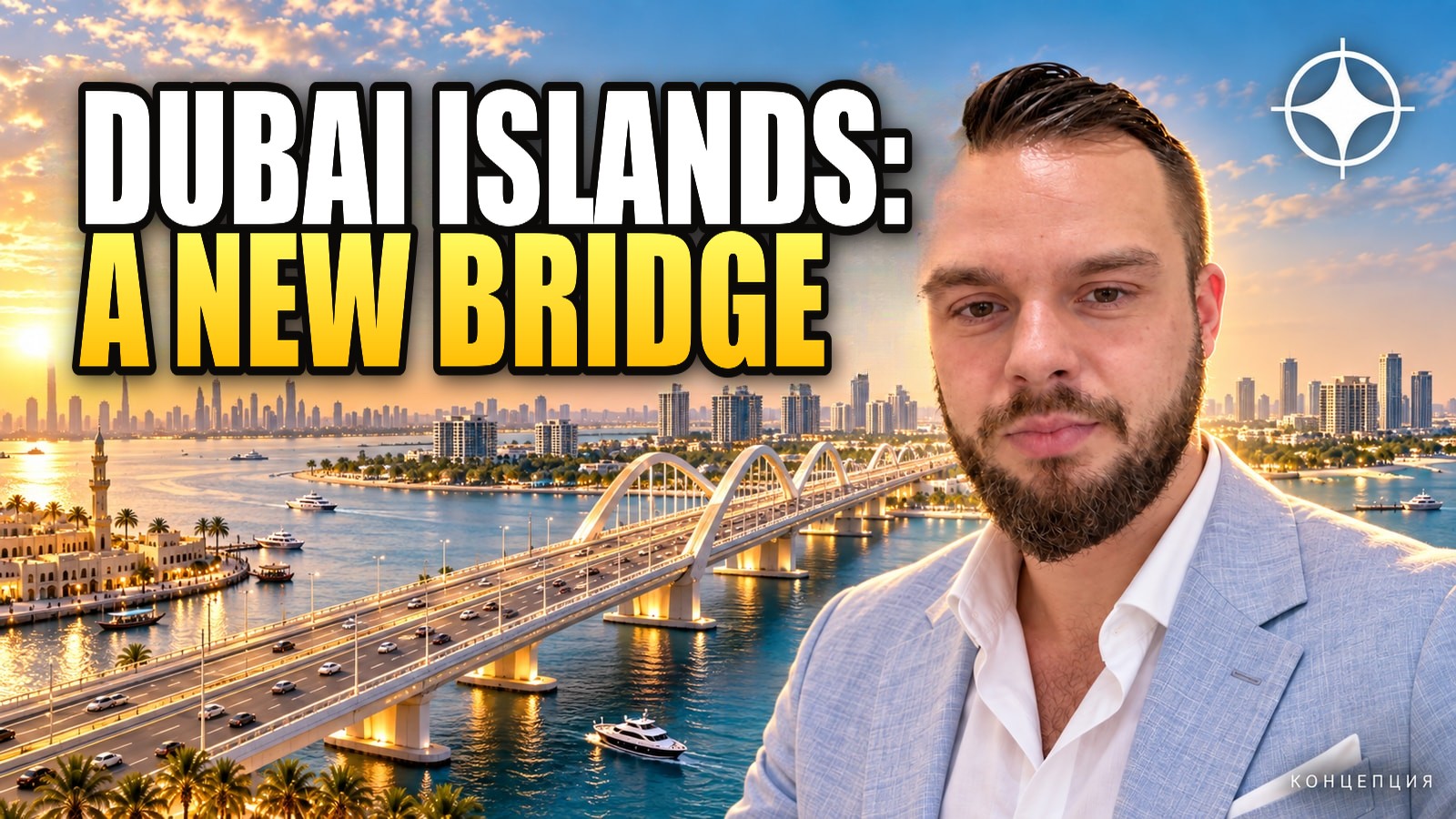
In spring 2025 Dubai’s Roads and Transport Authority (RTA) awarded an AED 786m contract for a bridge linking Dubai Islands directly to Bur Dubai. Eighteen months on the bridge is under construction and the target of completion by the end of 2026 has not moved. A good moment to look at what it will change in practice, and what it will not.
The bridge in numbers
| Item | Figure |
|---|---|
| Length | 1 425 m |
| Lanes | 4 in each direction |
| Capacity | 16 000 vehicles an hour, both directions |
| Clearance | 18.5 m above the water, 75 m navigation channel |
| Location | across Dubai Creek between Infinity Bridge and Port Rashid |
| Contract value | AED 786m |
A dedicated cycling and pedestrian track with lifts at both ends runs along the bridge, and about 2 km of surface roads on each side tie it into the existing network. It is the islands’ second access: the first three bridges, 1.6 km in total, opened in 2020.
Part of a larger corridor
The bridge is one phase of the Al Shindagha Corridor project: 13 km of road, 15 junctions, five phases. The RTA estimates that once the whole corridor is complete, travel time along it falls from 104 minutes to 16, saving about AED 45bn over 20 years. For residents, the islands and the old city stop being a dead end behind Al Maktoum Bridge and the Al Shindagha tunnel.
Talk to a licensed broker: 📲 +971 50 120 32 64 on WhatsApp, @dubai_oleg on Telegram
What changes for Dubai Islands
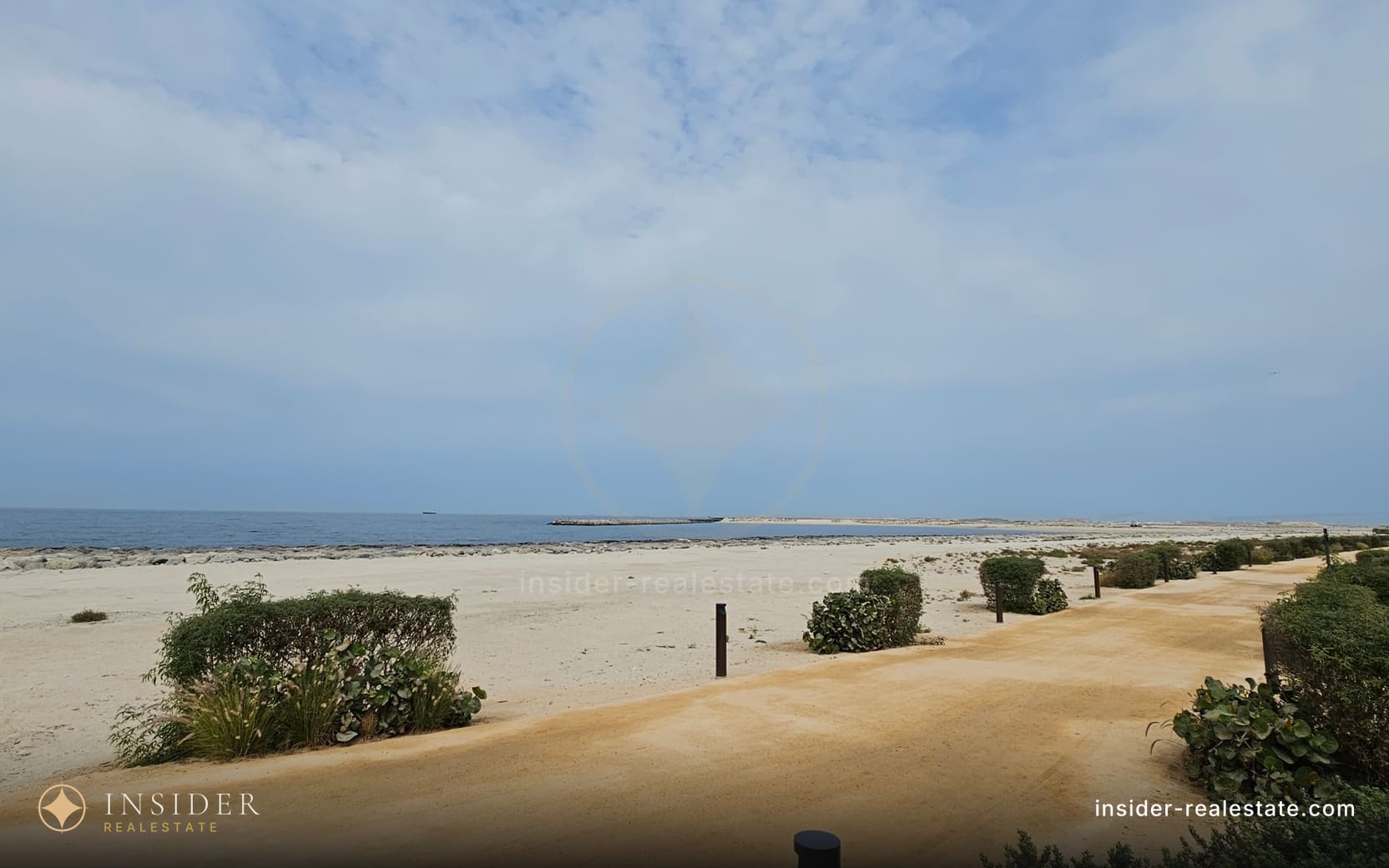
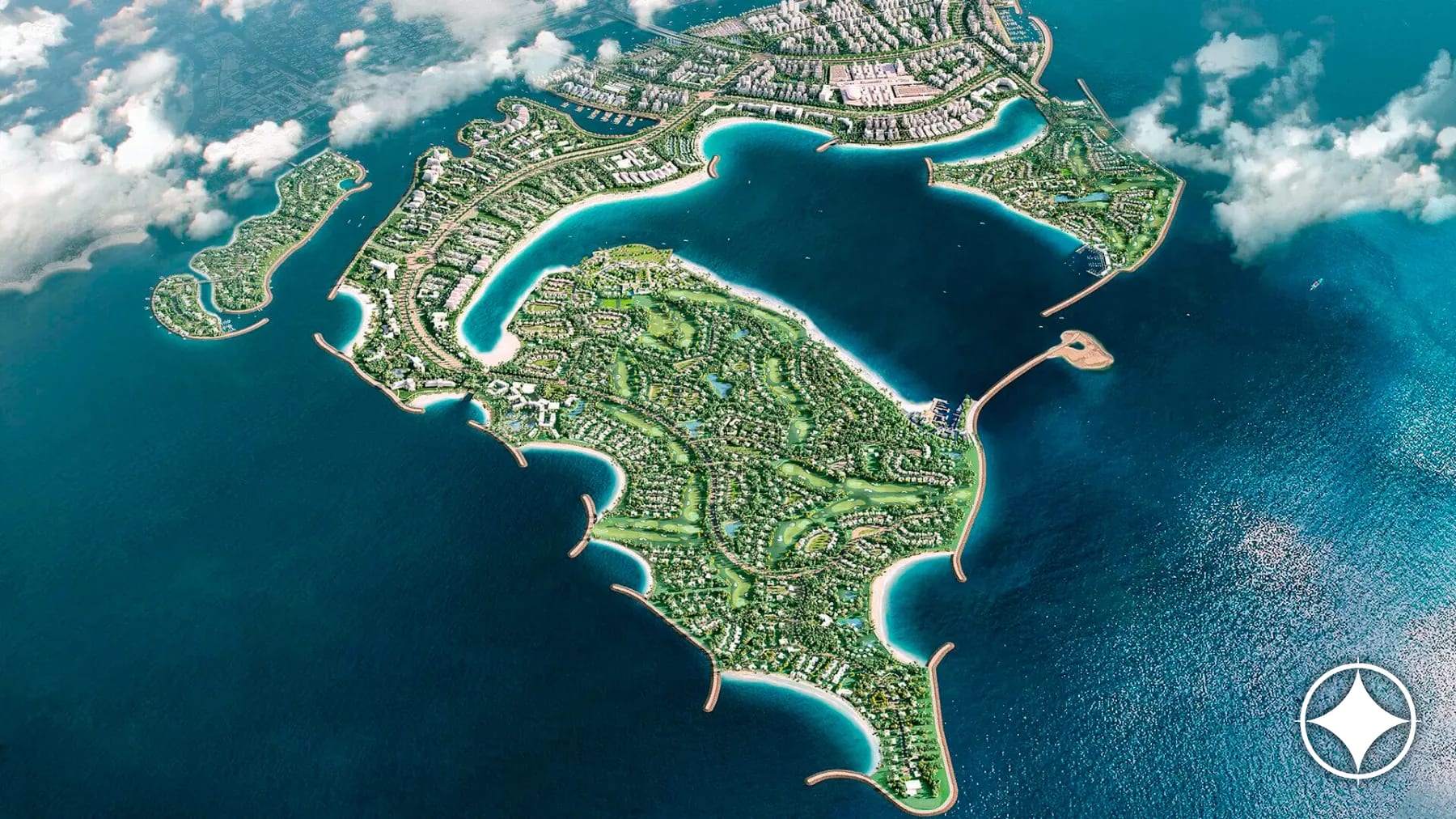
Today, driving from the islands towards the centre means going through Deira and its congested junctions. The new bridge puts traffic straight into Bur Dubai, a short run from Sheikh Zayed Road and Downtown. For a district marketed as the last waterfront land in the city, access is the buyer’s key question: island living is pleasant until the commute becomes an hour in traffic. We cover the district and its pricing in Dubai Islands: the last waterfront land.
- Island residents who commute to the centre gain most, for example future owners in schemes such as Bay Grove Residences.
- Short-let owners benefit because guests coming from the airport and downtown reach the island beaches more easily.
- Bur Dubai and Port Rashid gain direct access to the islands’ beaches and hotels.
What not to expect
The bridge does not make the islands “five minutes from Downtown” at rush hour. Traffic still lands on Bur Dubai’s busy streets, and the full benefit arrives only with the rest of the Al Shindagha corridor. “Completion in 2026” is also a target; large road projects in Dubai tend to open on time more often than residential towers, but the first months after opening usually go on fine-tuning junctions. Island prices move on the bridge together with finished amenities and completed neighbouring buildings, not on the bridge alone. Our Deira and Bur Dubai profile covers the other side of the creek.
If you are considering a waterfront home in the north of the city, start with our Dubai Islands guide: price per square metre, project handover dates and how the new bridge changes the drive into town.
In the news
Other write-ups on the site about the same thing.
Direct Access to Dubai Islands: RTA Signs AED 786 Million Road Contract
Dubai’s Roads and Transport Authority has signed a contract to build a direct entry and exit to Island A of the Dubai Islands archipelago from the Bur Dubai side. Here’s what it changes for buyers on the islands.
Dubai Islands: JW Marriott Residences by CG Developers, and Nakheel's AED 527m infrastructure contract
CG Developers is building Dubai's first JW Marriott residence, priced from AED 1.72 million with a Q1 2028 handover. In parallel, Nakheel has awarded a AED 527 million contract for Island B's core infrastructure — roads, water and sewage for a future 49 000 homes.

Dubai Healthcare City breaks ground on an AED 1.3bn phase one expansion
Dubai Healthcare City has started an AED 1.3bn ($354m) phase one expansion: the 13 000 m² PIXEL office building and the 5 800 m² IBN SINA+ medical complex. Ground was broken on 29 April 2026, with completion planned for 2027. What it means for homes in Al Jaddaf and Healthcare City Phase 2.

Dubai’s car-free Superblock plan: Al Karama, Al Fahidi, Abu Hail and Al Quoz
In February 2025 Dubai announced Superblock: car-free neighbourhoods with pedestrian streets and more greenery. The first areas are Al Karama, Al Fahidi, Abu Hail and Al Quoz Creative Zone. There is still no public timetable. What it means for rental housing in old Dubai.
Deira / Bur Dubai: the oldest rental market in the city
The historic centre on both sides of the creek, where a very large share of Dubai actually lives. What a foreign buyer can own here, and who rents.
Shared occupancy in Deira and Bur Dubai: what it means for a landlord
In Dubai’s dense old centre many apartments are rented by several people at once. For the owner that means a higher rent and faster wear — and there are rules worth knowing first.
Below market in Dubai Islands right now
From the daily off-market feed. Availability and price are confirmed on request.
All below-market listings →