Jumeirah Group: buying onto a resort island that is being built for you
A hotel group creating a new resort destination with residences on it. Purpose-built islands have advantages a normal waterfront does not — and one structural dependency.
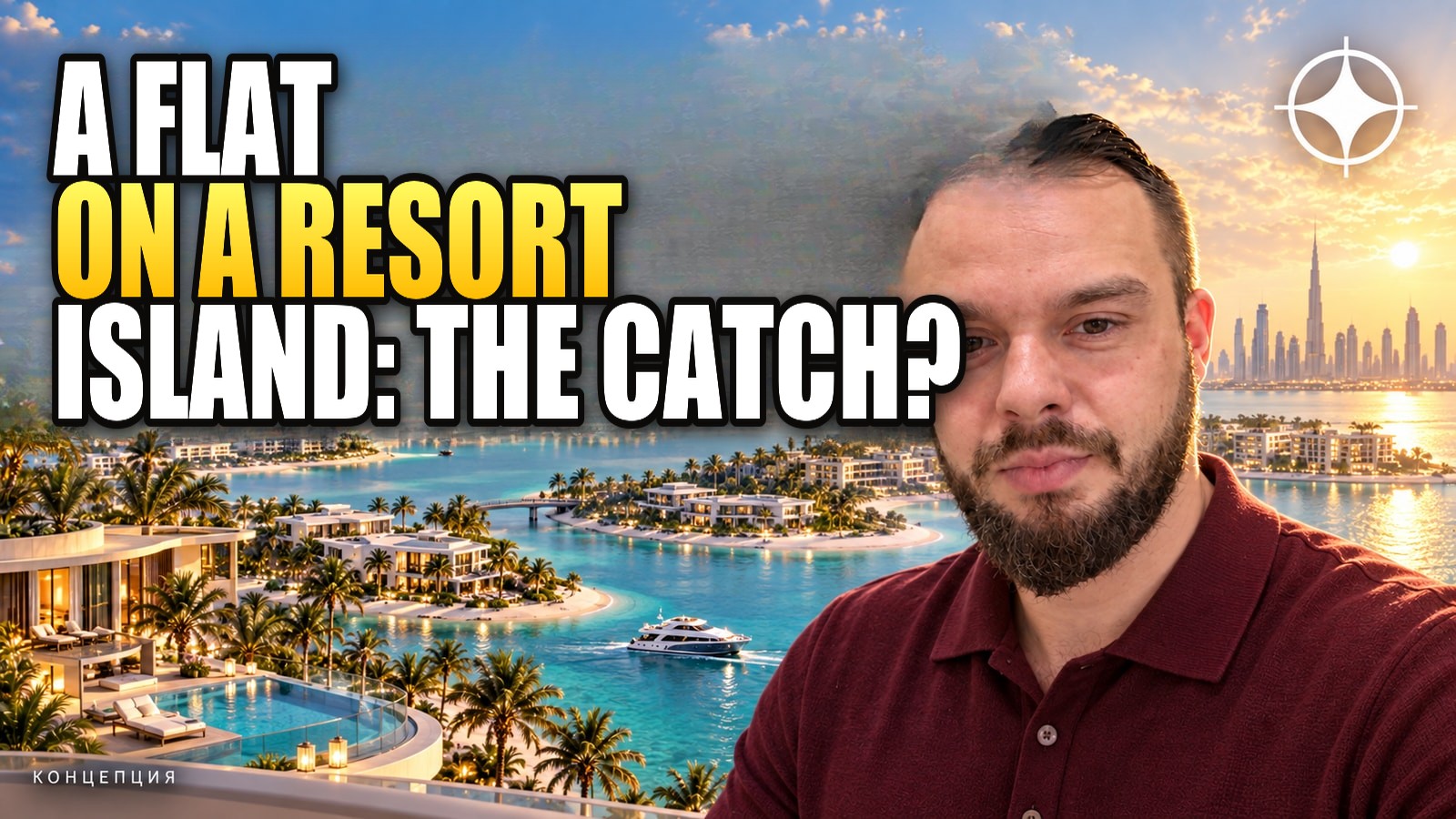
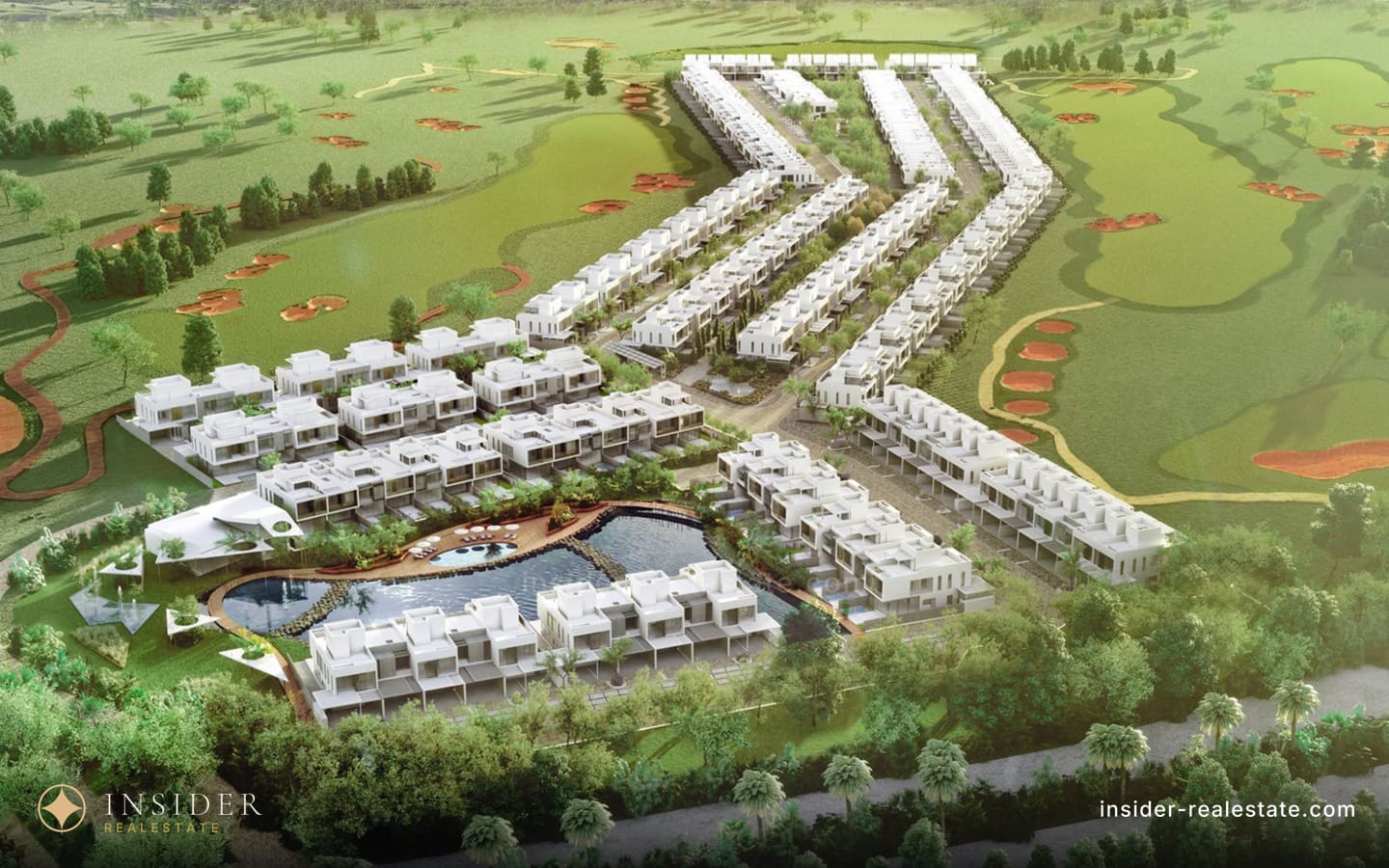
Jumeirah Group is a hotel company, and the residences it builds sit inside resort destinations it creates and then operates. Buying a home on a purpose-built resort island is a specific proposition — with real advantages and one dependency that should be named out loud.
What a purpose-built island gives
- Fixed supply, permanently. The number of homes is set by the master plan and the shoreline. Nothing can be added later, which is the strongest form of scarcity available in this market.
- Controlled surroundings. On a self-contained island there is no neighbouring plot that can be sold to someone with different intentions.
- Resort infrastructure from day one, run by an operator whose core business it is — restaurants, beach, service, security.
- Privacy and access control, which on the mainland waterfront is difficult to achieve at any price.
The dependency
The value of a resort island is largely the operator's presence on it. That is not a criticism — it is the product. But it means:
- The hotel management arrangement has a term. Establish it, and what happens at expiry or on a change of operator.
- The destination's reputation is a shared asset. Your home's value moves with how the resort is run, and you do not control that.
- Access is singular. One causeway or entrance means one point of congestion, one security regime, and a longer journey when you leave.
- Everything is more expensive to maintain on a reclaimed island exposed to sea air, and owners fund it.
What to check
- Both charges — the building's service charge and the destination-level community charge — and what each covers.
- Which resort facilities residents may use, on what terms, and whether that can change. In writing.
- Any rental programme: the split, the term, permitted personal use, and real distributions net of charges.
- Beach and shoreline rights attached to the title.
- The master plan: what remains to be built on the island and when, since early buyers live beside it.
- Escrow and Oqood on anything off-plan.
- Realistic exit assumptions. The buyer pool for resort-island homes is small and international; plan a long sale.
Who it suits
- Buyers who want a serviced home in a controlled setting and will actually use the resort.
- Long-horizon capital that does not need to exit on a timetable.
- Not a yield investor: at these values rent does not keep pace with capital, which is the normal state of the segment.
Based on the Dubai Land Department register and standard resort-residence operating practice.
Talk to a licensed broker: 📲 +971 50 120 32 64 on WhatsApp, @dubai_oleg on Telegram
Video on this topic
The same subject on the English channel — each clip has a written version of its own.
 19:45Oceano on Al Marjan Island: the Luxe Developers project and the island being built around it14 August 2026
 13:04Seven Palm on Palm Jumeirah: an infinity pool, a rooftop bar and a hotel underneath8 May 2024
 37:55A casino in Dubai? The Island by Wasl, with Bellagio, MGM and Aria24 December 2023
 7:15Christmas in Dubai: Al Habtoor Winter Garden, Madinat Jumeirah, Expo and DIFC22 December 2023


In the news
Other write-ups on the site about the same thing.
Al Habtoor Group: living inside a hospitality complex
A long-established conglomerate whose Dubai residential towers sit within its own hotel and leisure complex. What a hospitality-anchored address gives a resident, and what it costs.
IFA Hotels & Resorts: a hospitality company that built homes on the Palm
A resort developer whose Palm Jumeirah buildings sit beside its own hotels. What sharing a site with a hotel means for daily life, service charges and governance.
Al Sufouh area profile: the stretch between Dubai Marina and Jumeirah that almost never comes up for sale
A quiet strip of coast with universities, hotels and low-rise housing. One of the best locations in the city — and very little of it that a buyer can actually purchase.
Cash in Dubai property deals: the AED 55 000 limit and what gets checked
In May 2024 two of Dubai’s biggest master developers, with 30–40% of sales by value, capped cash at AED 55 000 per deal — the rest by bank transfer. The same threshold triggers mandatory broker reports on cash and crypto-funded deals.
Construction Week's Top 100 GCC Developers: UAE firms take more than half the list
Construction Week ranks the 100 largest developers in the Gulf by the value of completed and under-construction projects. UAE developers hold more than half the spots — from Emaar and Aldar to DAMAC and Danube. How to read the ranking, and what it tells a buyer.
Russian developers in Dubai: MERED’s Iconic Tower, Orange Group and Vos’hod — what has been built by 2026
In 2023 Pioneer (trading as MERED), Orange Group and Vos’hod announced UAE entries. By autumn 2026 the 66-storey, 310-unit Iconic Tower had reached level 22 with handover due 2027–28, Orange runs a completed 115-key building in JVC, and Nobu on Al Marjan has slipped to 2028.
Below market in Jumeirah right now
From the daily off-market feed. Availability and price are confirmed on request.
All below-market listings →