
Dubai’s largest budget ever: AED 302.7bn, with almost half going to infrastructure
Dubai approved a AED 302.7bn budget for 2026–2028, with AED 99.5bn for 2026 alone. 48% of the annual budget goes to infrastructure — roads, metro, tunnels, parks and promenades. How public capital spending reaches apartment prices.
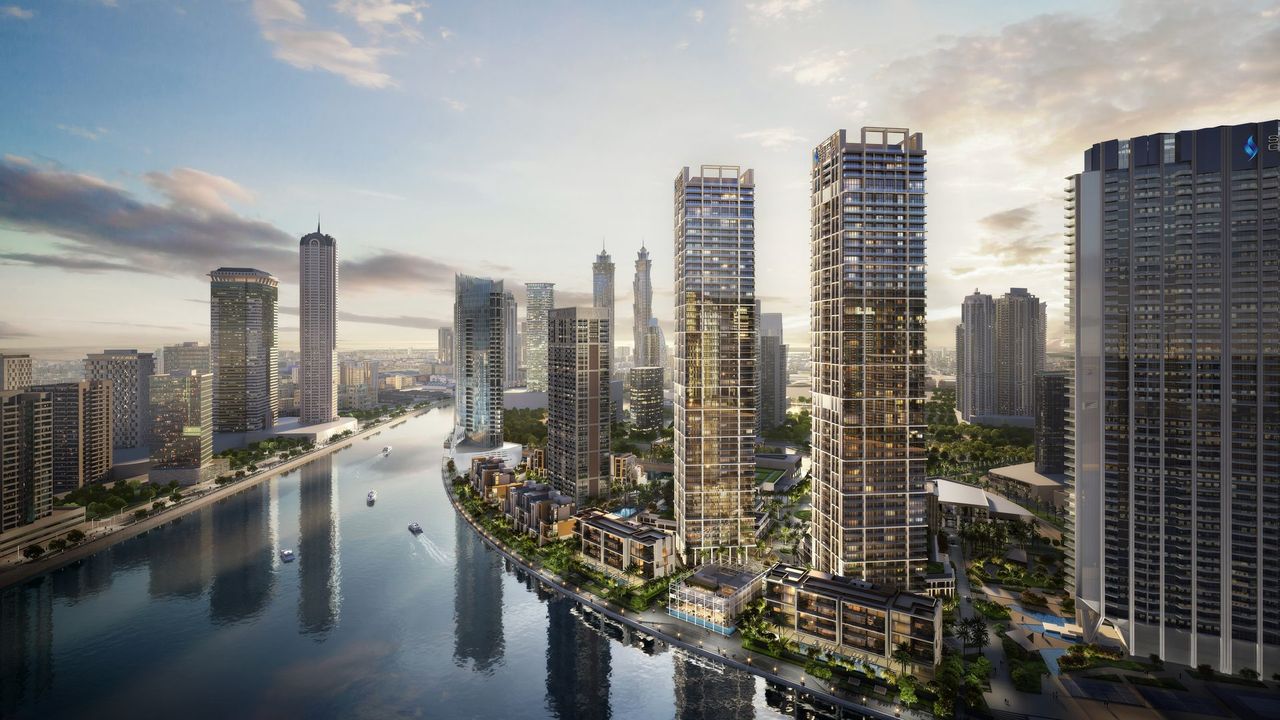
Dubai has approved the largest budget in its history — AED 302.7 billion for the 2026–2028 cycle, of which AED 99.5 billion falls in 2026 alone. For a property owner the headline number matters less than its split: 48% of the annual budget is infrastructure, roughly AED 47.8 billion, or about $13 billion in a single year.
Where the money goes
- Roads, bridges and interchanges — the largest line in the transport block.
- Metro and public transport expansion — track, stations, rolling stock.
- Tunnels, sewerage and stormwater systems — invisible until heavy rain arrives.
- Parks, promenades and pedestrian spaces — the urban environment as its own budget line.
- Environmental systems and waste management, plus new and upgraded government service centres.
This is the largest infrastructure commitment in the emirate's history within a single budget cycle.
Why this is the most practical news of the year for a buyer
The link between a budget and an apartment price is more direct than the link between a price and any market forecast. A road, an interchange or a metro station changes one measurable quantity — time to work, school and the airport. That is what tenants and buyers actually pay for, and it is why districts that receive transport appreciate faster than the market.
Talk to a licensed broker: 📲 +971 50 120 32 64 on WhatsApp, @dubai_oleg on Telegram
A budget has a property no developer brochure has: it is approved and scheduled by year. A promise that "a station will be here" is worth exactly as much as the document recording it. A budget line is the hardest signal about a district's future available to a private buyer.
How to use it
- Read the works map, not the renders. Infrastructure plans are public; buying next to an already-funded stretch is a bet on execution, not on intent.
- Stormwater is not a boring line item. After the heavy rains of recent years, a district's drainage has become something buyers check alongside the view.
- City-built greenery stays off your service charge. What the city builds and maintains does not land on the community budget — unlike a park inside a private development.
Based on Dubai government data on the 2026–2028 budget.
In the news
Other write-ups on the site about the same thing.
DEWA raises the bar: 36% clean energy in Dubai by 2030, up from 25%
Dubai Electricity and Water Authority has revised its target — clean energy will reach 36% of the mix by 2030 instead of the planned 25%. The backbone is the Mohammed bin Rashid solar park, a green hydrogen plant and the Hatta pumped-storage station.
The UAE and Jordan are building a $2.3bn railway
The project is designed to move up to 16 million tonnes of freight a year to the port of Aqaba, as part of a broader regional logistics strategy. Why overland corridors matter to the UAE property market.
Dubai Auto Market: DP World's 22-million-sq-ft car trading hub, and what it means for warehouses and housing
DP World was mandated in 2024 to expand Dubai's car market eightfold; in November 2025 the project was unveiled at 22 million sq ft — 1 500 showrooms, capacity for 800 000 vehicles a year, an auction house and a hotel. Current turnover of AED 6.8bn is expected to double.
Air taxi in Dubai: airport — Downtown — Marina — Palm
Four passengers and a pilot, electric, between the four locations with the heaviest ground traffic and the most expensive property. What it does to prices, and what to treat with caution.
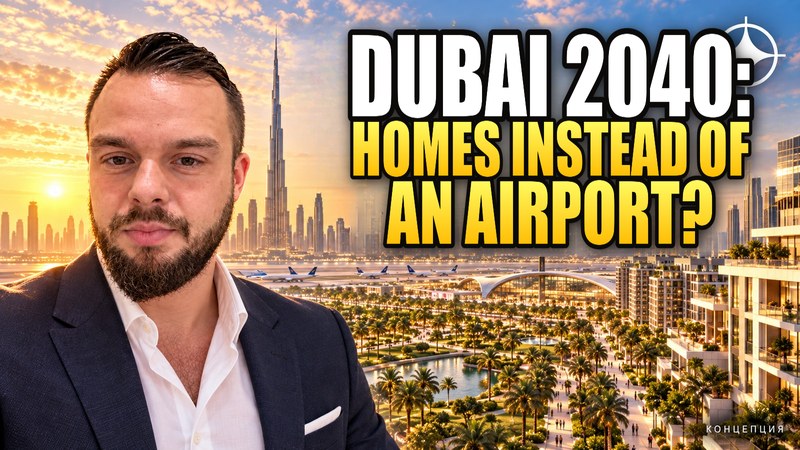
The Dubai 2040 plan is being revised: housing may replace DXB airport
The master plan is a living document. One revision concerns the fate of the existing international airport — and the districts under its flight paths.
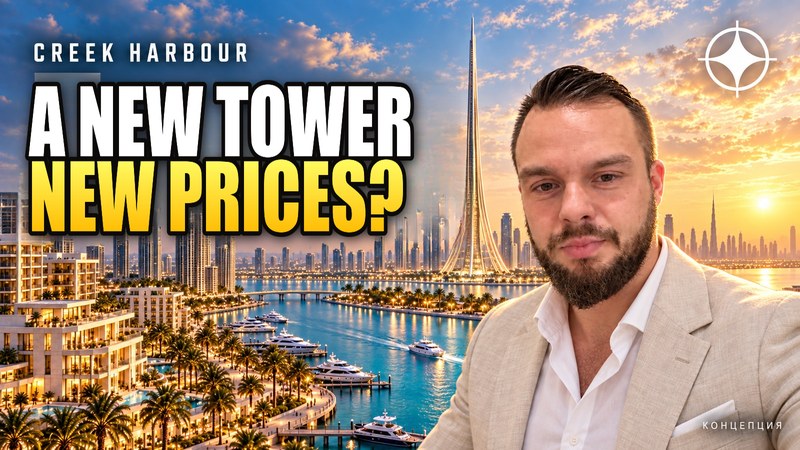
Dubai Creek Tower has been redesigned: what it means for Creek Harbour
The tower the whole master plan was built around went through a design competition and a new concept. Why a landmark matters to a district’s prices, and at what point in construction the market starts pricing it in.