
The Dubai 2040 plan is being revised: housing may replace DXB airport
The master plan is a living document. One revision concerns the fate of the existing international airport — and the districts under its flight paths.
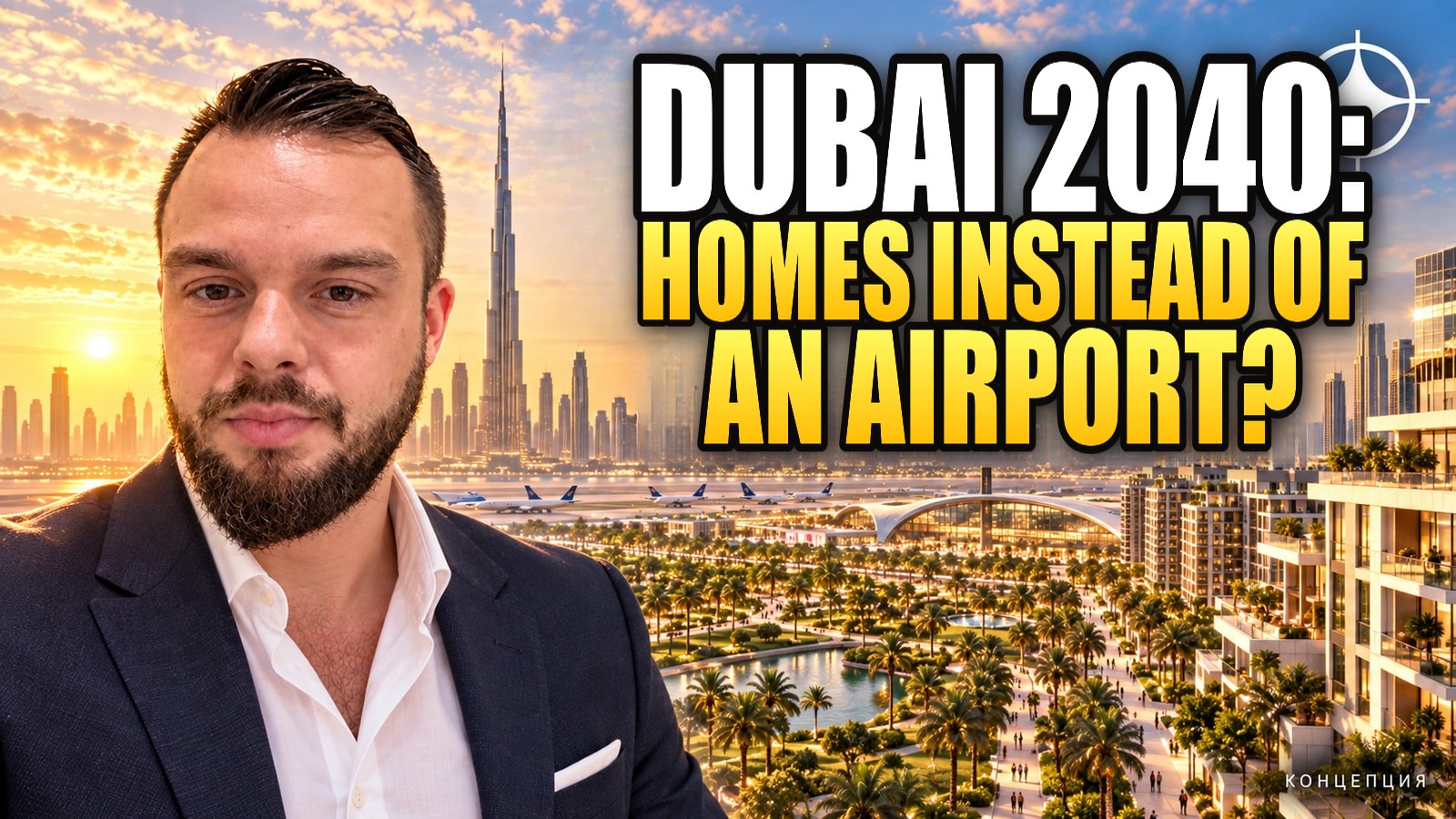
Dubai's master plan to 2040 is a living document and its provisions are refined as it goes. One refinement concerns the fate of DXB international airport.
What changed
The plan's original edition assumed a civil airport would remain on the current DXB site. A different scenario has since been voiced: once the main passenger flow moves to Al Maktoum International, the territory is given over to residential development.
Who it affects directly
First of all Dubai Islands and the coastal part of Deira. Take-off and landing paths currently run over the archipelago and aircraft noise there is noticeable. Moving the airport removes that factor, and for a district positioned as resort and residential premium that is a material improvement to the environment.
Talk to a licensed broker: 📲 +971 50 120 32 64 on WhatsApp, @dubai_oleg on Telegram
The second circle is the neighbourhoods around the airport itself: Al Garhoud, the zones adjacent to Al Quoz, Umm Ramool. A territory the size of a small town, half an hour from Downtown, released for development, would change the supply map of eastern Dubai.
How to treat this when buying
Carefully. Relocating an airport of this scale is a project of a decade and more, phased in a way that is still being refined. The entire history of any megaproject fits between "under discussion" and "done".
The practical rule: buying property for a future infrastructure change only makes sense when the property is good without it. If the single argument for an apartment is "planes will stop flying here", that is a hope, not an investment thesis.
In the news
Other write-ups on the site about the same thing.
Dubai’s car-free Superblock plan: Al Karama, Al Fahidi, Abu Hail and Al Quoz
In February 2025 Dubai announced Superblock: car-free neighbourhoods with pedestrian streets and more greenery. The first areas are Al Karama, Al Fahidi, Abu Hail and Al Quoz Creative Zone. There is still no public timetable. What it means for rental housing in old Dubai.
Therme Dubai in Zabeel Park: a 100-metre, AED 2bn wellness resort due in 2028
Therme Dubai, a 100 m tall wellness resort of about 500 000 sq ft, is planned for Zabeel Park at a cost of AED 2bn (about $545m). It expects 1.7 million visitors a year and is due to open in 2028. What it means for Zabeel, Downtown and the neighbouring districts.
Dubai’s beaches to grow fivefold: from 21 to 105 kilometres by 2040
One of the most-quoted lines in the 2040 master plan. Where the extra 84 kilometres come from — and why more coastline is not unambiguously good news for a waterfront owner.
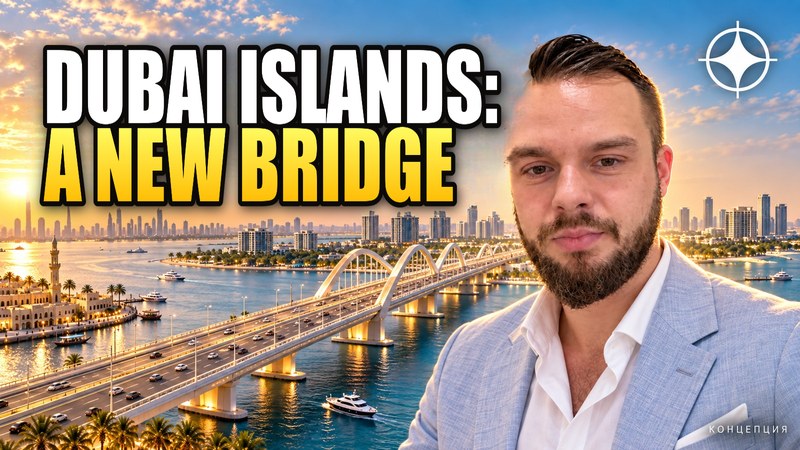
Dubai Islands to Bur Dubai bridge: 1.4 km, eight lanes and a late-2026 opening
A 1 425 m bridge across Dubai Creek will link Dubai Islands directly to Bur Dubai: four lanes each way, 16 000 vehicles an hour, 18.5 m above the water. The AED 786m contract targets completion by the end of 2026. What the bridge changes for the islands and the old city.
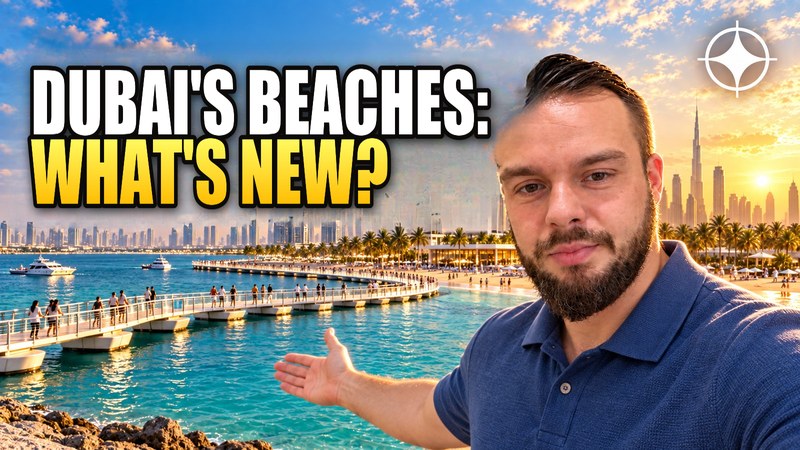
Al Mamzar floating bridge and Jebel Ali Beach: what Dubai has actually built on its coastline by 2026
Khor Al Mamzar Beach reopened in May 2026 after a AED 500m upgrade: the region's first floating pedestrian bridge, a 3.6km swimming line, a 300-metre night beach and 5.5km of trails. The Al Mamzar corniche is still finishing, while the 6.6km Jebel Ali Beach is being delivered in phases.
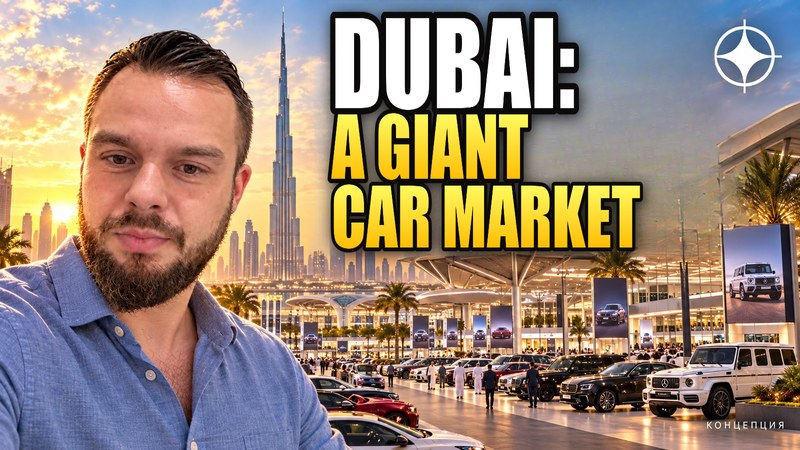
Dubai Auto Market: DP World's 22-million-sq-ft car trading hub, and what it means for warehouses and housing
DP World was mandated in 2024 to expand Dubai's car market eightfold; in November 2025 the project was unveiled at 22 million sq ft — 1 500 showrooms, capacity for 800 000 vehicles a year, an auction house and a hotel. Current turnover of AED 6.8bn is expected to double.