DIFC Authority: buying inside a financial free zone with its own courts
The authority that governs and develops the Dubai International Financial Centre. Property inside DIFC sits under a different legal framework from the rest of the city — and that is the whole story.
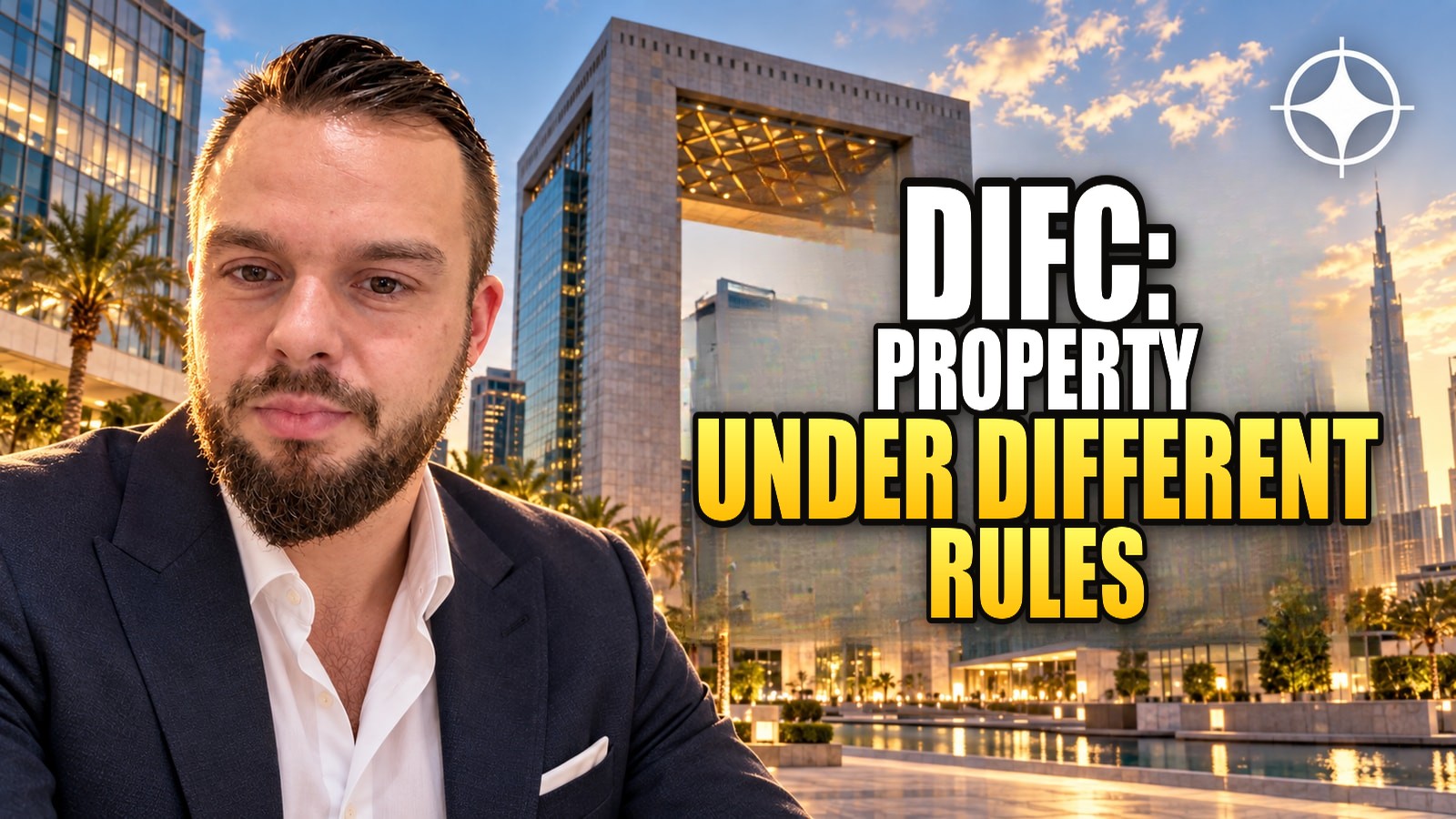
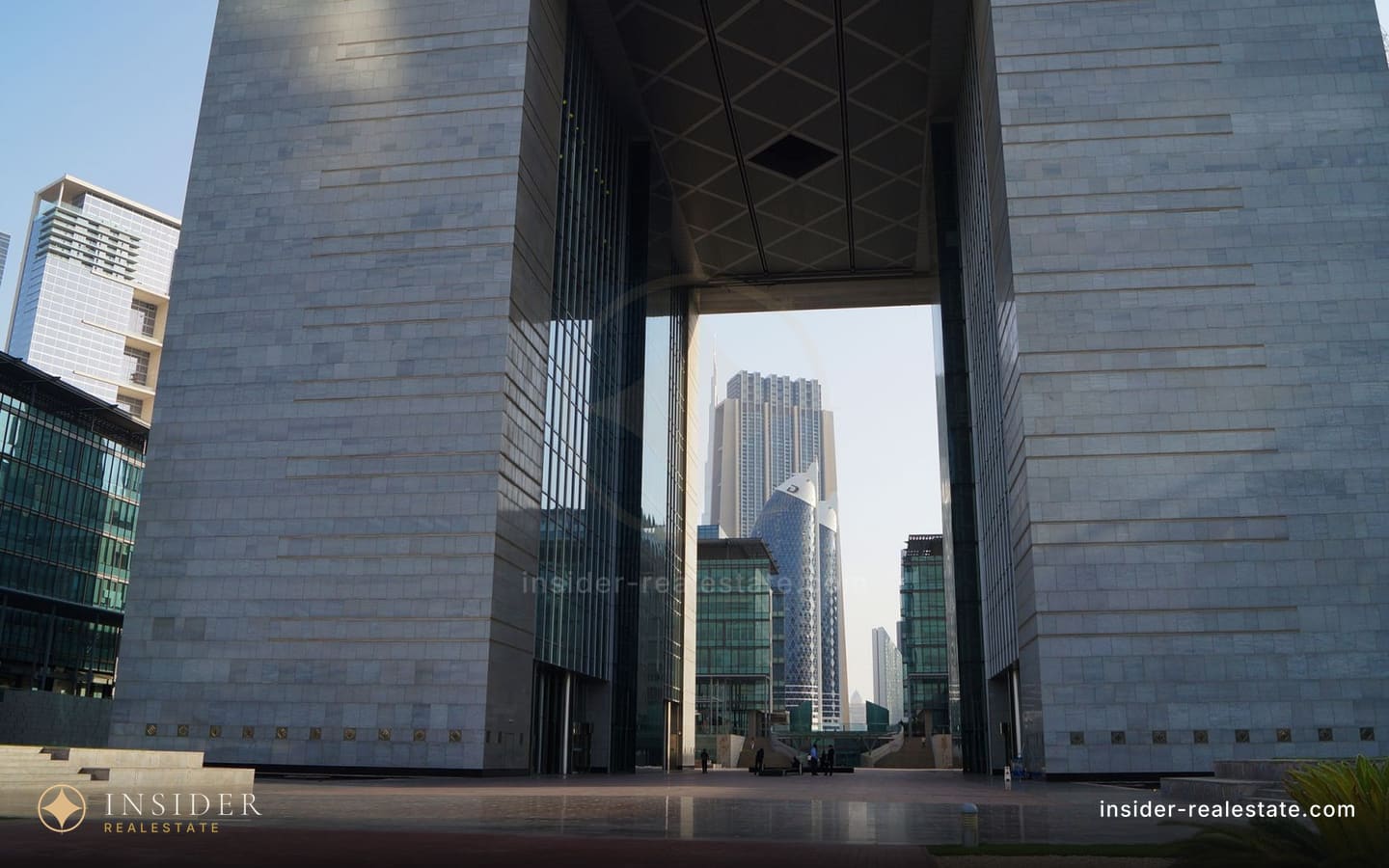
DIFC Authority both governs and develops the Dubai International Financial Centre. That dual role is unusual, and it points at the thing that actually distinguishes property here: the district operates under its own legal framework rather than under the one that covers the rest of Dubai.
What a financial free zone means legally
- DIFC has its own civil and commercial law, modelled on common law rather than on the UAE civil code that applies elsewhere in the emirate.
- It has its own courts, operating in English. A dispute over property inside the zone is heard there, not in the Dubai courts.
- Property is registered with the zone's own registrar, not through the ordinary Dubai Land Department process — a separate register with its own procedure and fees.
- Foreign ownership is permitted within the zone, and the framework was built with international owners in mind.
For a buyer from a common-law country this is often a comfort: familiar concepts, familiar drafting, English-language proceedings. It is also a genuine difference, and it means advice from a lawyer whose experience is mainland Dubai does not automatically transfer. Confirm the current position with the zone's registrar for the specific building before committing — this is not an area to take from a brochure or from an article.
What the district is
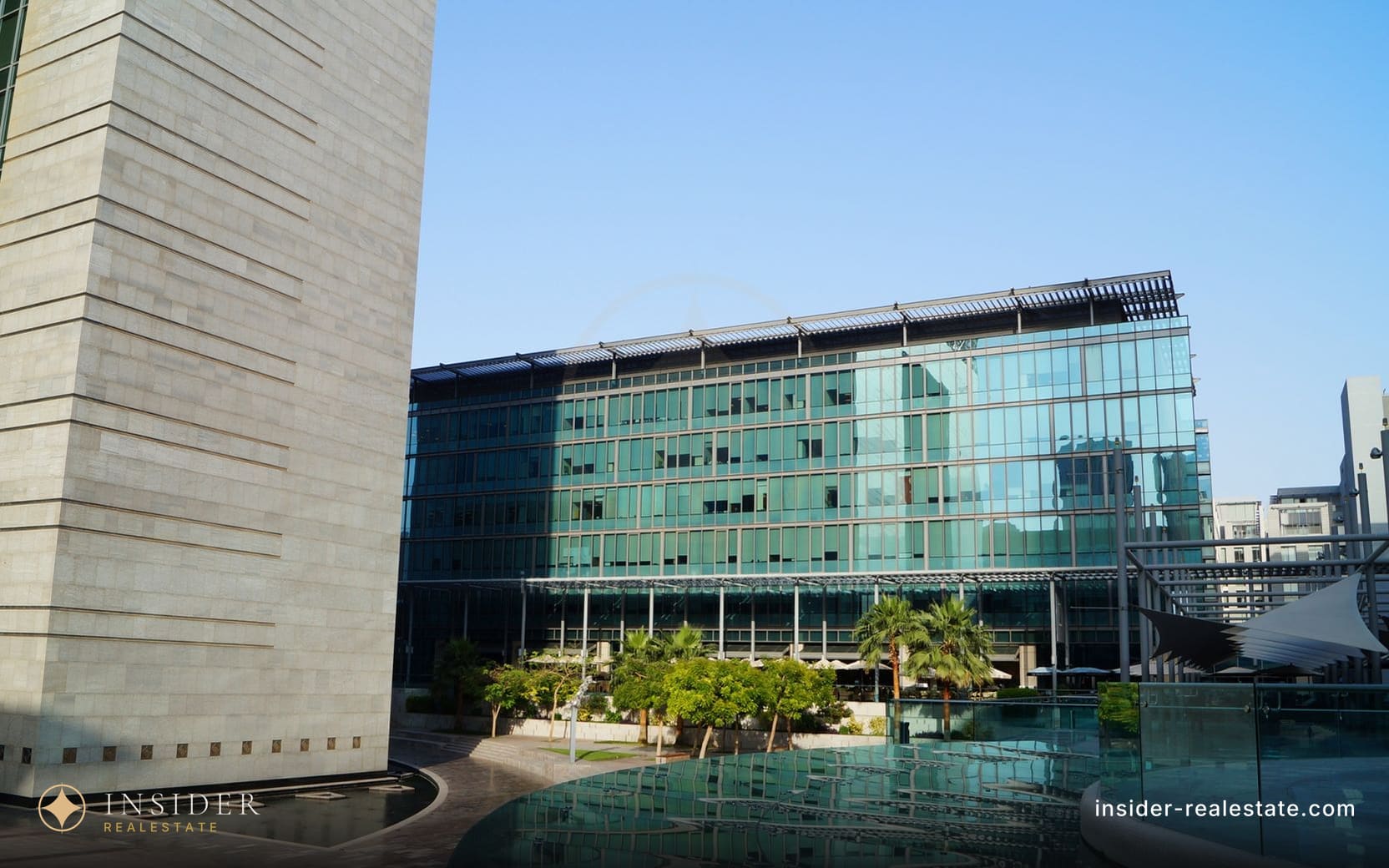
A dense, walkable financial district: offices, the courts, restaurants and a small residential component built among them. It is the opposite of a master-planned suburb — compact, weekday-driven, and physically constrained.
Talk to a licensed broker: 📲 +971 50 120 32 64 on WhatsApp, @dubai_oleg on Telegram
What that does to the housing
- The tenant is defined. Somebody who works inside the zone or nearby, usually on a corporate package, usually on a long let. A narrow pool, but a stable and well-paid one.
- Land is extremely limited, so residential supply cannot expand much — the strongest structural argument for the location.
- Weekday rhythm. Busy at office hours, quiet at weekends. A preference rather than a fault, but know which you want.
- Prices and service charges are at the top of the market, and yield is compressed accordingly.
What to check
- The registration route and the ownership form for the exact building, in writing.
- Which court and which law govern your contract. Read the dispute-resolution clause rather than assuming.
- Who developed the specific building — the authority is not the seller of every home inside the zone.
- Service charge and how it is apportioned in mixed office-and-residential buildings.
- Parking, which in a dense financial district is a real constraint.
- Achieved residential rents inside the zone, which are their own market.
Who it suits
- Buyers who work in or around the zone, and long-let investors targeting exactly that tenant.
- International owners who value a common-law framework and English-language courts.
- Not a family wanting a residential neighbourhood, and not a yield-first investor.
Based on the published framework of the free zone. Verify ownership form, registration and governing law for any specific property with the zone's registrar.
Video on this topic
The same subject on the English channel — each clip has a written version of its own.
 15:01DIFC Living: apartments inside Dubai's financial centre17 September 2023
 7:59Investing in Dubai offices: why the numbers beat apartments20 October 2025
 19:45Oceano on Al Marjan Island: the Luxe Developers project and the island being built around it14 August 2026
 7:15Christmas in Dubai: Al Habtoor Winter Garden, Madinat Jumeirah, Expo and DIFC22 December 2023

In the news
Other write-ups on the site about the same thing.

DIFC apartments: DIFC Living, the Waldorf Astoria residences and what is being built next
DIFC Living — 41 floors and 170 homes sold by the DIFC Authority itself — launched in September 2023 with handover scheduled for Q3 2026; our stock shows units at AED 3.85–5.4m. Next up: Four Seasons (Q1 2027), DIFC Heights (2029) and The Residences DIFC (Q4 2029).

Barsha Heights / TECOM: a business district you can live in
A free-zone cluster of towers mixing offices and homes. The ownership form varies by building, and the tenant is defined by the companies next door.
Me Do Re Properties: building in JLT, a district with its own rules
A developer with a tall tower under construction in Jumeirah Lake Towers. JLT is laid out and governed differently from the rest of Dubai, and that shapes what you own.

Owning a Dubai property jointly: shares, exits and survivorship
Two names on a title deed is a decision about more than the deposit. How the shares are recorded, what happens when one owner wants out and the other does not, what a joint mortgage binds you to, and the arrangement that can only be made while both owners are alive.

What happens to a Dubai apartment when the owner dies
Without a registered will the matter goes to court, and the slowest part is not the property — it is the frozen accounts while the service charge and the mortgage keep running. What a DIFC will does, and what survivorship does that a will alone cannot.

Manam Real Estate Development: what happens to your property if you leave the UAE
A developer building in Dubai South. Ownership and residency are separate things here, and the practical consequences of leaving are smaller than most owners fear — with exceptions.
Below market in DIFC right now
From the daily off-market feed. Availability and price are confirmed on request.
All below-market listings →