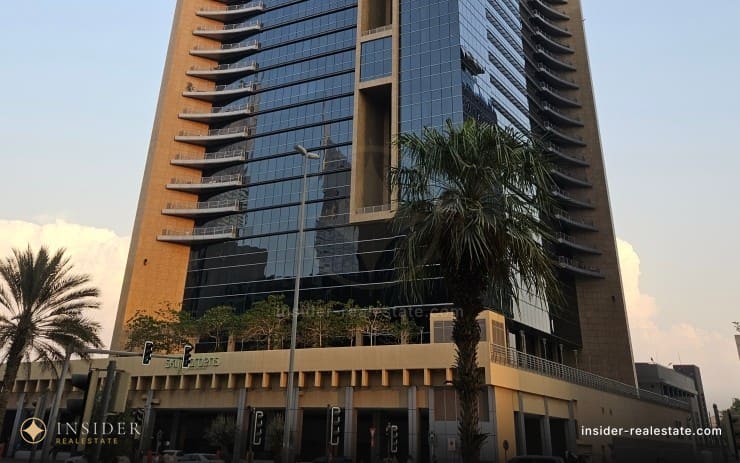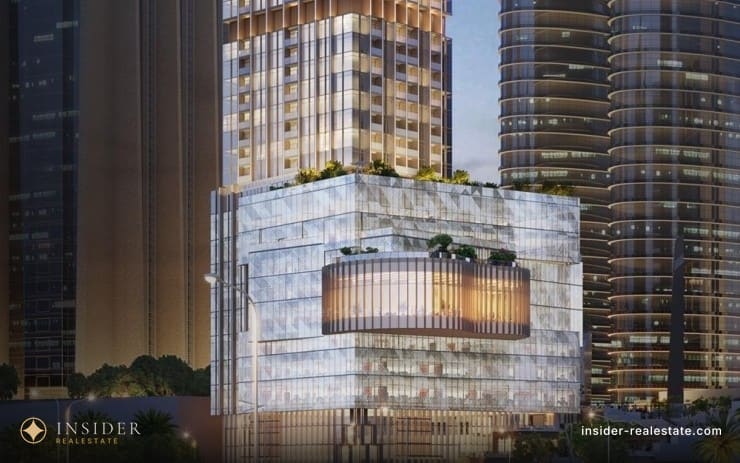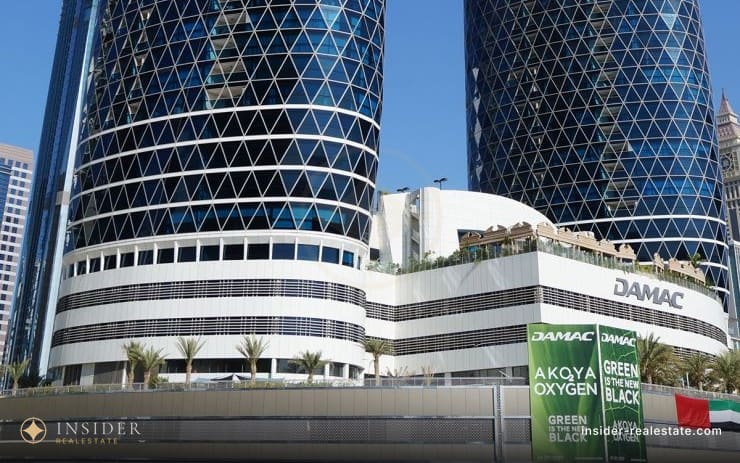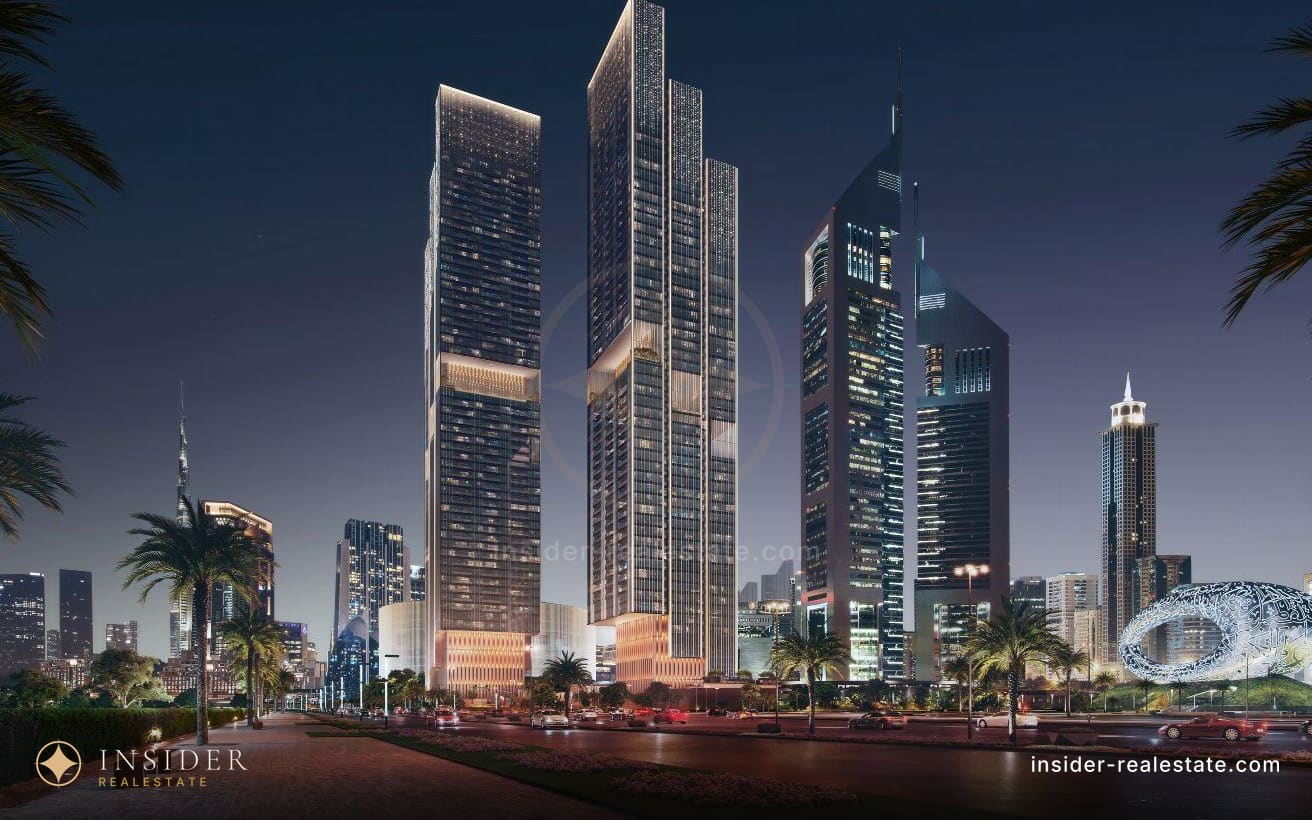
Dubai's Future Loop: Air-Conditioned Elevated Walkways Around Emirates Towers
One of the more immediately practical pieces of Dubai's 2040-era planning is the Dubai Quality of Life Strategy 2033, and specifically a project nicknamed the Future Loop: an elevated, glazed, air-conditioned pedestrian network around Emirates Towers, designed to fix a genuinely awkward walking gap between DIFC and the surrounding office district.
What are the two pedestrian districts?
The Dubai Quality of Life Strategy 2033 centers on two large pedestrian-focused districts. The first is around Al Sukh Al Kabeer, where the plan includes a new waterfront, sun shading structures, and public art installations — a district built around outdoor comfort and walkability at street level.
The second zone is around Emirates Towers, and it takes a different approach: rather than reshaping the ground level, this district's pedestrian project is built above it, through an elevated walkway network given its own name — the Future Loop.
Framing the strategy specifically around "quality of life," rather than purely around transport capacity or commercial output, also signals which metric the plan is actually being measured against — daily usability for the people already working in the district, not just headline capacity figures.
Talk to a licensed broker: WhatsApp +971 50 120 32 64 · Telegram
Why an elevated network here specifically?
The Future Loop exists to solve a concrete, current problem: getting from DIFC to the surrounding office towers on foot is awkward today, and in places there's no direct pedestrian path at all.
That's a notable gap for a district as dense and high-value as DIFC, where a huge number of people move between buildings on a daily basis.
Building the solution above ground, rather than reworking street-level infrastructure, avoids disrupting the existing road network and traffic flow through the area — a practical consideration in a district this built-up and this economically active.
Elevated, climate-controlled pedestrian networks are not a new idea globally — cities in similarly hot or cold climates have built comparable systems specifically to keep people moving on foot through weather that would otherwise push them into cars or taxis for even short distances.
What distinguishes a retrofit like the Future Loop is that it's being layered onto an already dense, already valuable financial district, rather than designed into a new neighborhood from the ground up.
Why are the bridges glazed and air-conditioned?
What sets the Future Loop apart from an ordinary elevated walkway is that the bridges themselves are glazed and climate-controlled.
On a very hot day, the whole stretch can be walked inside the cooled, enclosed section rather than exposed to outdoor heat — a meaningful difference in a city where summer temperatures make extended outdoor walking impractical for much of the year.
That detail is what turns the project from a nice-to-have pedestrian amenity into something closer to genuinely usable year-round infrastructure. A walkway that only works in winter doesn't solve the connectivity problem it's meant to address for most of the calendar year.
How big is the network?
In total the project delivers two kilometres of elevated walkways around Emirates Towers, along with 60,000 square metres of parks and public spaces in the same district.
That turns what is currently a primarily commercial, office-dense area into one with genuine green space and places to spend time outside working hours.
That combination — climate-controlled circulation plus new public green space — reflects a broader shift in how Dubai is approaching its established business districts: not just adding capacity, but retrofitting them with the kind of walkable, livable infrastructure usually associated with newer, purpose-built neighborhoods.
Why is it called the Future Loop?
The project's name comes from its connection to the Museum of the Future: the elevated walkway network includes pedestrian approaches specifically leading to the museum, tying the new circulation network directly to one of Dubai's most recognizable landmarks rather than treating it as an isolated destination reachable only by road.
For anyone working in or visiting DIFC and the Emirates Towers district, the practical outcome of the Future Loop is a district that becomes meaningfully more walkable — connected by a climate-controlled network rather than requiring a car or taxi to move between buildings that are, in reality, close together.
Retrofitting Established Districts, Not Just Building New Ones
Much of Dubai's infrastructure story is about new districts built from scratch — islands, waterfront extensions, entirely new neighborhoods. The Future Loop is a different kind of project: it retrofits an already dense, already valuable district with the connectivity it was missing, rather than starting over somewhere new.
That distinction matters for property values in and around DIFC and Emirates Towers specifically. A retrofit project like this can lift the usability and appeal of an already-established commercial district without requiring years for an entirely new neighborhood to mature around it — a faster path to tangible value than most greenfield developments can offer.
It's a small, specific example of a larger trend worth watching across Dubai's older commercial districts: rather than building an entirely new business hub from scratch, the city is increasingly investing in making its existing ones easier and more pleasant to actually move through on foot.
Frequently asked
What problem is the Future Loop actually solving?
Today, getting from DIFC to the surrounding office towers around Emirates Towers on foot is awkward, and in places there's no direct pedestrian path at all. The Future Loop adds an elevated walkway network to connect the district properly.
What makes the Future Loop's walkways different from a standard elevated bridge?
The bridges are glazed and air-conditioned, so the whole stretch can be walked inside a cooled, enclosed section even on a very hot day — rather than being exposed walkways only usable in cooler months.
How large is the Future Loop project, and what else does it include?
It totals 2 kilometers of elevated walkways around Emirates Towers plus 60,000 square meters of new parks and public space, with pedestrian routes leading to the Museum of the Future — which is where the project's name comes from.
✍️ Message me on WhatsApp for a free consultation — off-market stock, payment plans and honest numbers on any of the projects covered here.
✅ Subscribe on YouTube — investment, property, business and relocation in the UAE and beyond.


Below market right now
From the daily off-market feed. Availability and price are confirmed on request.
All below-market listings →