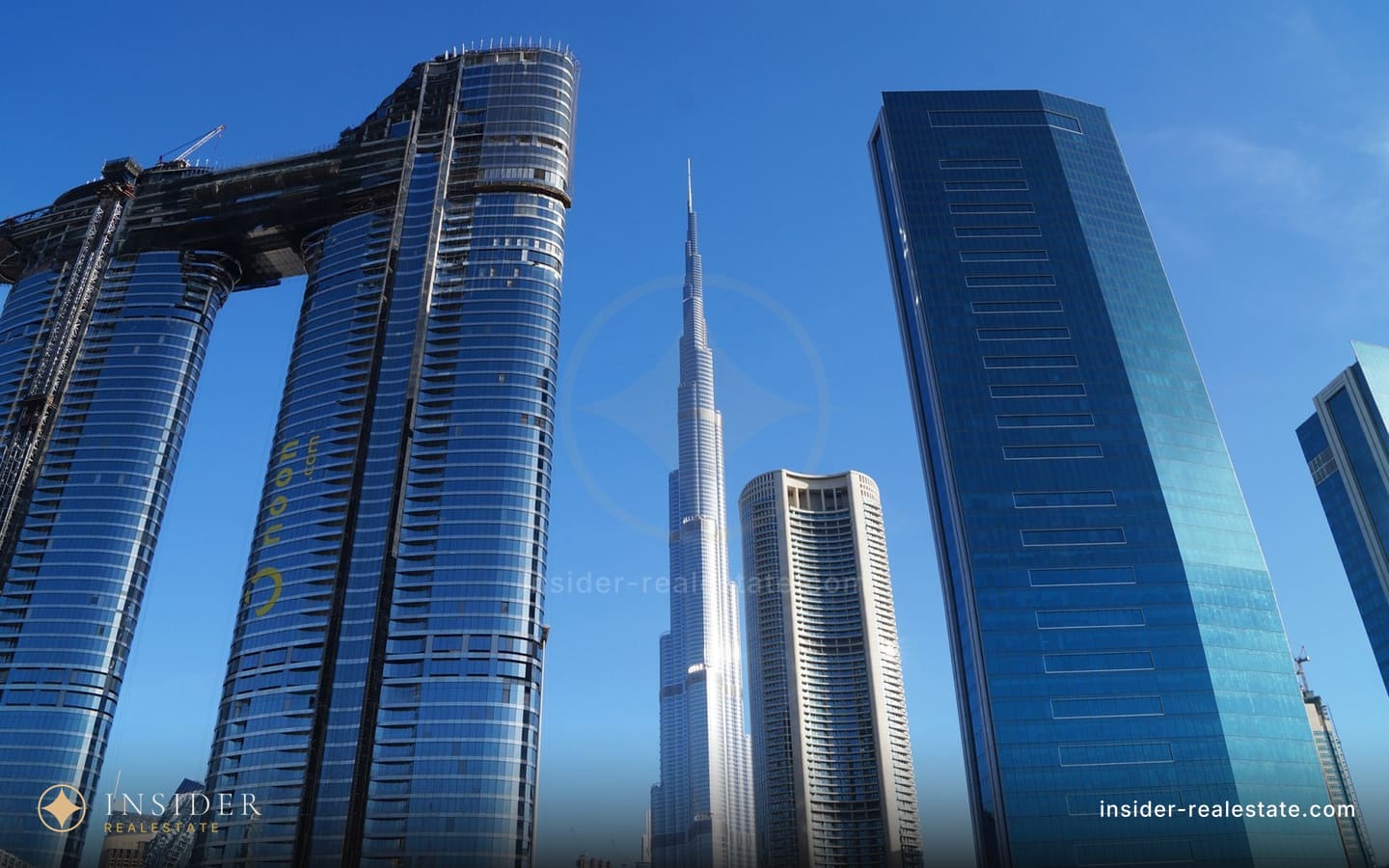
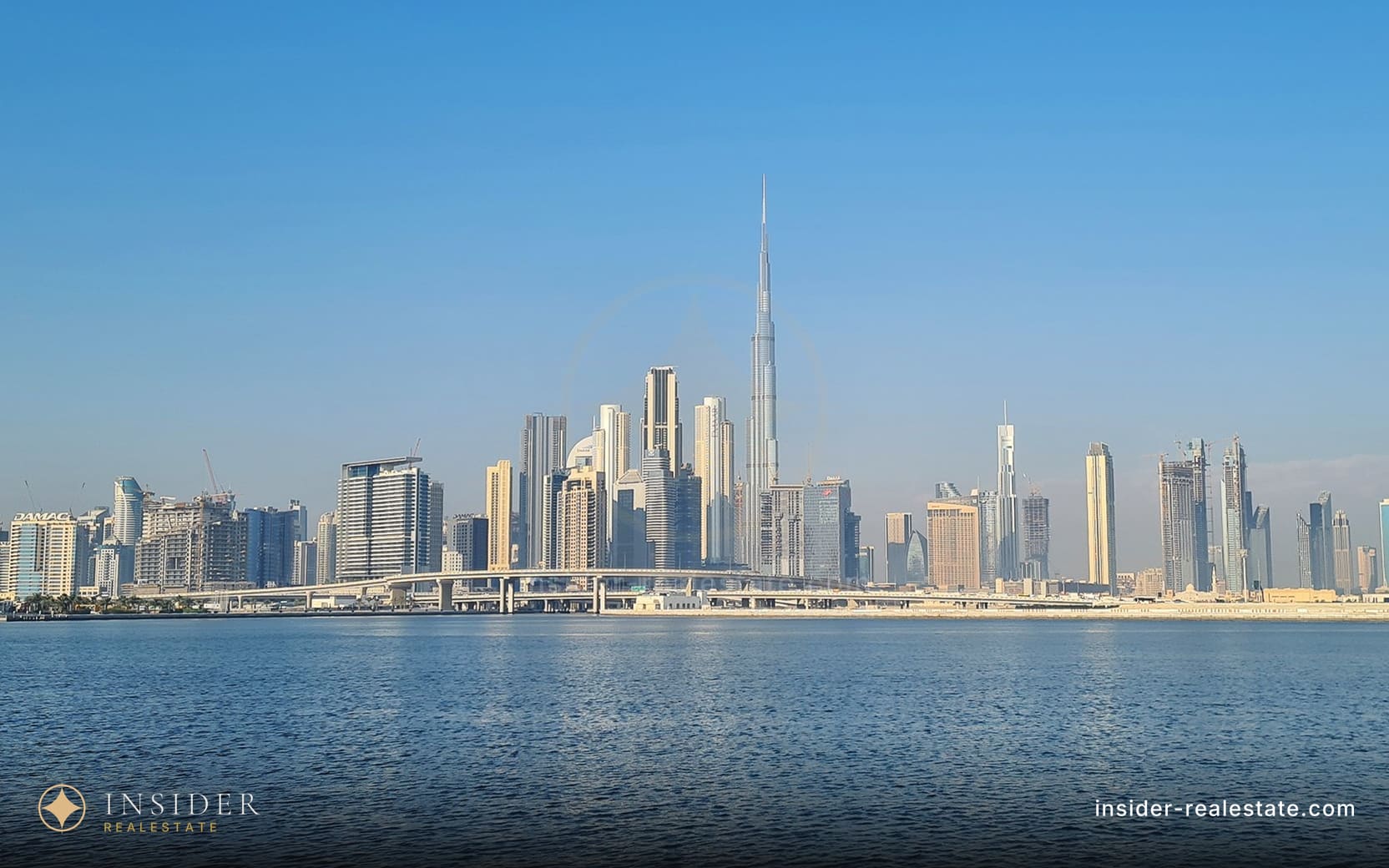
 Photo of the community −4%
 Baccarat Hotel And Residences Downtown Dubai · 3 BR · Apartment 28 900 000 AED 30 000 000
Ask about lot NP4-426742
An investment holding company that doesn't just build homes — it owns and curates the entire Dubai Harbour waterfront, from the marina and cruise terminal to the residential towers on it, and separately steps into the ultra-luxury segment through a partnership with a world-famous luxury house in Downtown Dubai.
15 lots in stock across 3 projects. Of the 15 with a known status: 0 ready, 15 under construction. By median price — 5th of 139.
The districts where this developer has the most lots in our stock.
Checkable facts about the developer itself. Unlike the figures above, these are not about our stock and do not move with what happens to be listed today.
This is not a conventional developer that buys a plot, builds on it and sells units. It's a diversified investment holding company that owns the entire Dubai Harbour waterfront outright — the marina with its berths, the cruise terminal and the land around them. Housing here is part of a larger, curated vision for the territory rather than a standalone commercial product pulled out of context.
That role as curator of the whole territory means the company is thinking not just about one tower but about how the marina, the terminal, the promenade and the residential buildings work together as a single system. In practice that tends to produce a more coherent urban environment than where a developer simply took an available plot and built whatever it judged profitable.
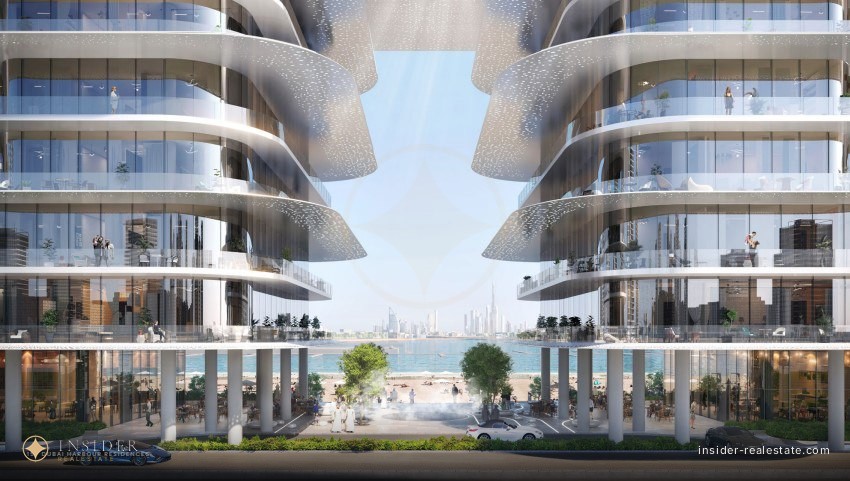
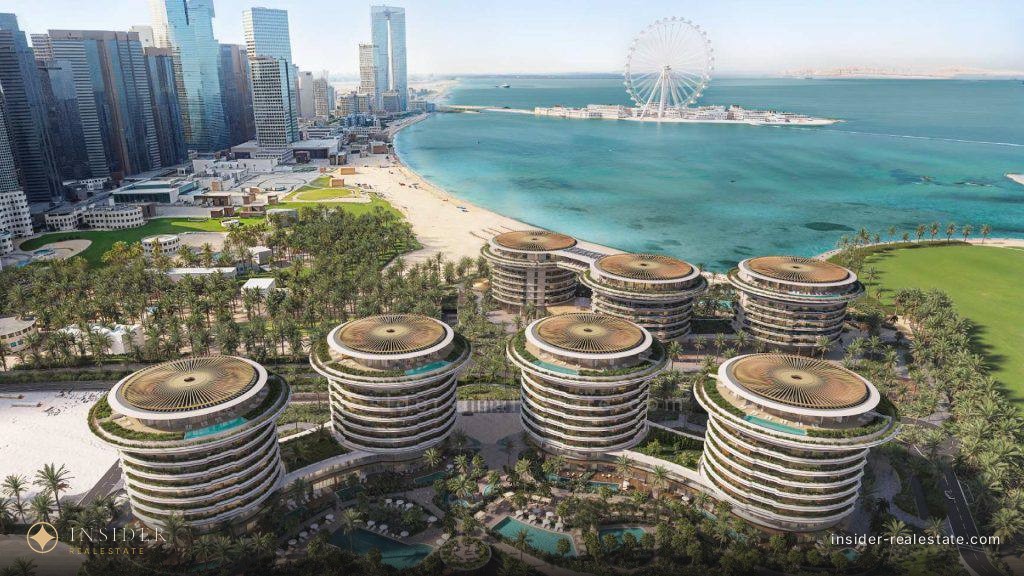
On the Dubai Harbour waterfront the company builds residential towers integrated into the district's overall structure, next to a working marina and cruise terminal rather than sitting in an isolated pocket. Separately, it has a villa-community project away from the waterfront, aimed at family living rather than a resort lifestyle.
Standing apart from both is its move into the ultra-luxury segment — a partnership with a globally recognised luxury house to deliver a hotel and residences in the heart of Downtown Dubai. That's a fundamentally different product from the waterfront: not marina-side resort living but a status address in the city centre, run by a well-known luxury hospitality operator.
Entering the very top price bracket through a partnership with an established luxury house is a deliberate strategy: rather than building brand trust from nothing, the company buys instant buyer confidence from a name that a wealthy international client already recognises, whether or not they know the holding company itself.
For a buyer that means the finish, service and building management on a project like this are set not only by the developer but by the brand partner's own standards — higher and more predictable than the market average. The trade-off is that the entry price for this product is a multiple of ordinary housing on the same holding company's waterfront.
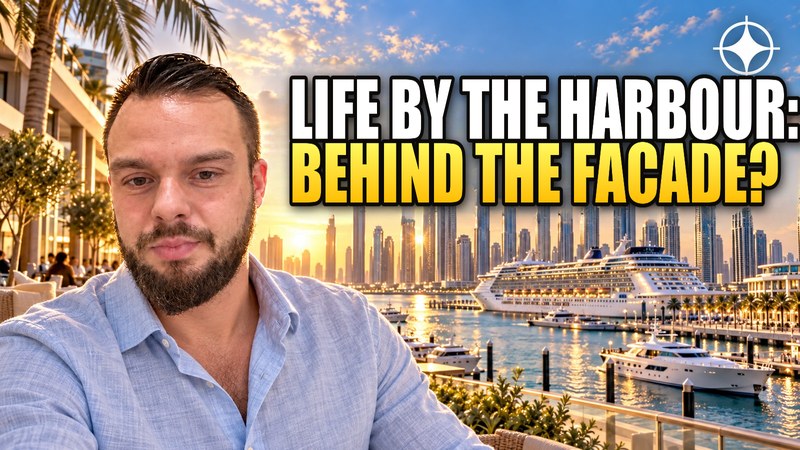
The working marina and cruise terminal aren't decoration — they're active infrastructure, and they shape life in the district more than the architecture of the buildings does. A constant flow of people, restaurants and activity outside residential hours keeps the waterfront lively year-round rather than only in tourist season, which suits buyers looking for an engaged setting rather than a quiet residential shore.
The flip side of the same feature is that cruise days and terminal operations create peak loads on access roads and public spaces at certain hours, and salt air demands more attentive facade maintenance for front-line buildings than districts set back from the water.
Dubai Harbour sits next to the city's established prestige districts, which gives it a reasonably deep pool of comparable sales nearby for a fair valuation, even in spots on the waterfront itself where its own resale history is still thin.
The ultra-luxury Downtown project will operate under different rules on resale: a narrow pool of buyers willing to pay for a branded residence in the city centre, with liquidity driven less by general demand for the district and more by the international reputation of the specific luxury brand attached to it.
This kind of developer suits buyers who want to live in, or invest in, a waterfront with genuine rather than decorative activity, and who value the reputation of the whole territory rather than just one building. For the ultra-luxury segment, it suits buyers who value a globally recognised luxury name and are willing to pay the entry price that comes with it.
It doesn't suit buyers looking for a quiet residential shore without cruise-terminal activity, or anyone unwilling to check in advance exactly which company on the waterfront is building the specific tower they're interested in — the holding company curating the whole territory doesn't mean it's the seller on every building in it.
Photo of the community −4% 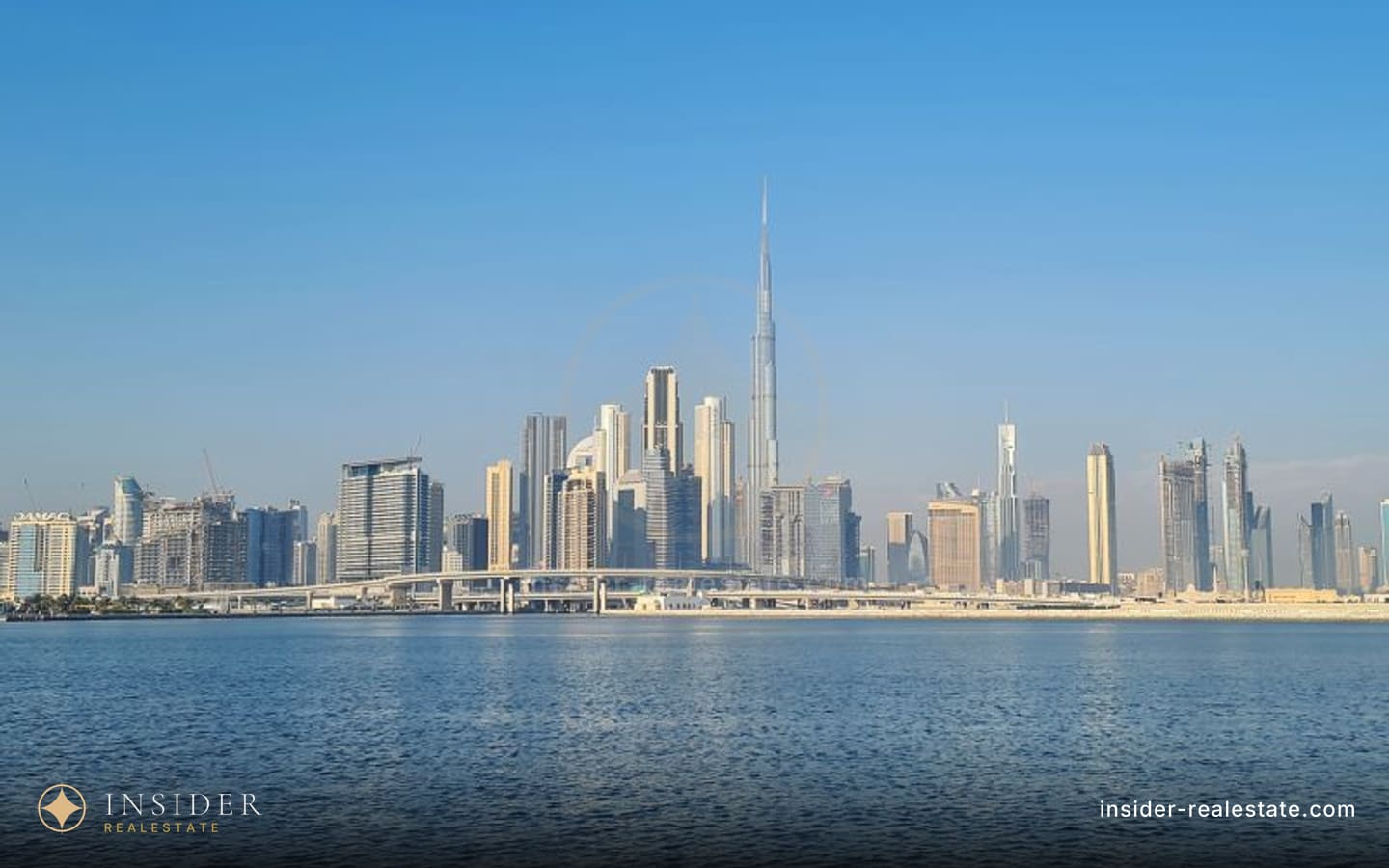 Photo of the community Photo of the community Photo of the community
 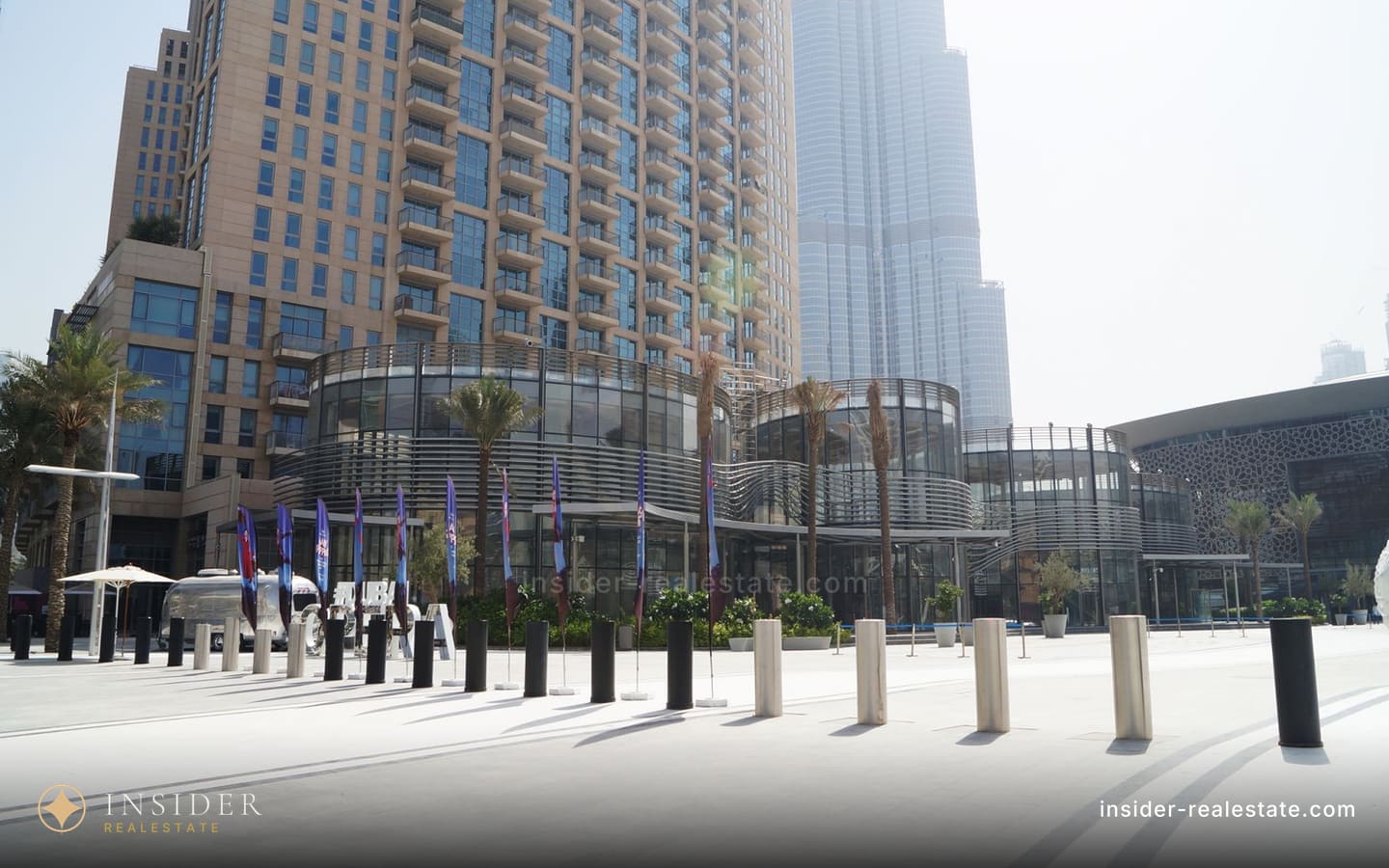 Photo of the community Photo of the community Photo of the community Photo of the community Photo of the community Photo of the community Photo of the community Photo of the community
 The developer is inferred from the project name — there is no developer column in the base. So the figures describe our stock, not the company's share of the Dubai market: a developer sitting on an enormous volume of completed housing can look smaller here than one whose projects reach the resale market more often.
These are asking prices, not closed transactions. For a specific building I pull the registered Land Department sales and show where deals actually closed.
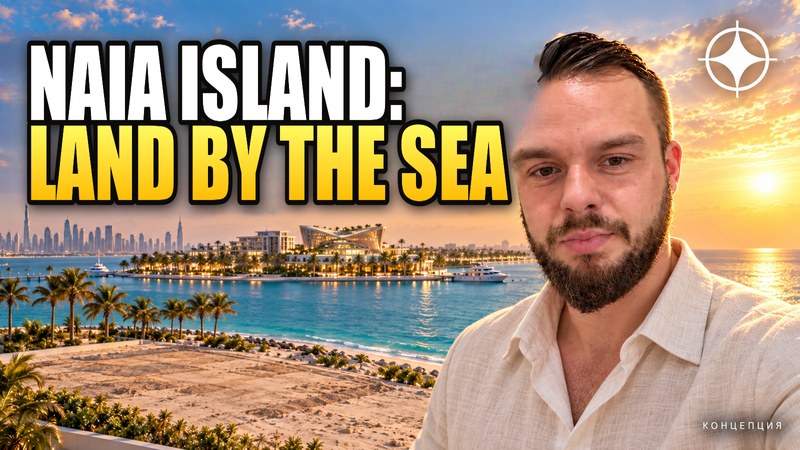
Between April and June 2026 three beachfront plots on Naia Island, off the Jumeirah coast, sold for AED 377m, 560m and 167m — about AED 1.1bn ($300m) in total, all to buyers building their own homes. Shamal Holding is developing the island around the region's first Cheval Blanc Maison.
A holding company developing the Dubai Harbour waterfront. A marina and cruise district is not the same as a residential waterfront, and the difference shows up daily.
The median across this developer's lots in our stock is $11M (AED 40 000 000), with entry from $7.87M. The median per square foot is $2 423. The figures come from asking prices in our base, not from the Shamal Holding price list, and they are recalculated nightly to reflect what is actually for sale today.
Right now the base holds 1 lot from this developer priced below the market, with the deepest cut at 4%. The discount comes from the seller on a resale or an assignment, not from the developer: they have their own reason to exit quickly. The size of the cut is computed against comparable property by an algorithm, not typed in by a broker.
Our catalogue holds 4 projects by this developer, each with a building passport: storeys, unit count, handover date, the mix of bedrooms. The list is on this page, and the districts where the developer has the most lots in stock are in the “Where they build” block. Under each project sit the lots on sale, where there are any.
The price is the same: on off-plan the developer pays the broker’s commission, not the buyer, so going straight to the sales office saves nothing. The difference is elsewhere — a developer’s sales office shows its own projects only, and will not tell you that the same thing next door is cheaper or that this project is running later than advertised. On resale and assignment the commission is the standard 2% plus VAT.
It depends what you are buying and why. Send me your budget and the job it has to do — I will tell you which of this developer's projects make sense right now and which I would walk past.
Ask on WhatsAppTelegram is the fastest way — I answer personally.
Message on Telegram