
 −4%
−4% Q Properties
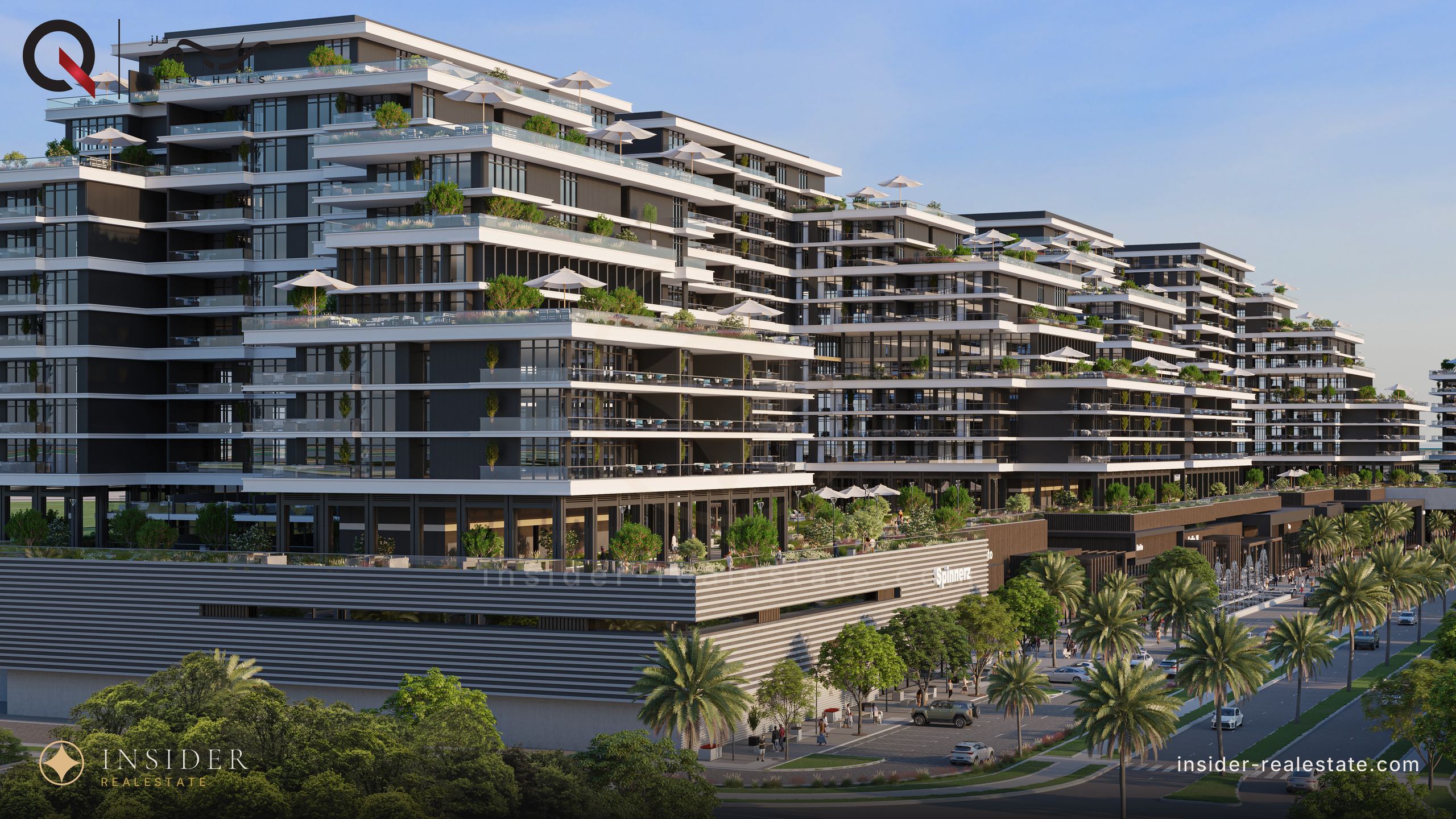
An Abu Dhabi developer backed by a large local investment holding company, whose flagship project is a rare thing for the region: a man-made hill with a canal and villas on Reem Island, rather than the flat waterfront layout most developments here default to.
5 lots in stock across 1 project. Of the 5 with a known status: 0 ready, 5 under construction. By median price — 55th of 139.
- Man-made topography instead of a standard flat layout
- A large investment holding company standing behind the company
- Reem Island with already-established infrastructure
- A one-off architectural gesture rather than a repeated template
Median price $732K AED 2 690 000
Entry price $436K AED 1 600 000 — the cheapest lot
Completed stock 0% 5 lots discounted, deepest −4%
Where they build
The districts where this developer has the most lots in our stock.
Reem 5
The company in brief
Checkable facts about the developer itself. Unlike the figures above, these are not about our stock and do not move with what happens to be listed today.
- Status
- the development arm of a large Abu Dhabi investment holding company
- Flagship project
- a residential complex on an artificially created hill with a canal, on Reem Island in Abu Dhabi
- Format
- villas and apartments organised around man-made topography rather than a standard flat layout
What kind of developer this is
Who they are, and what's unusual about their flagship project
The company is the development arm of a large Abu Dhabi investment holding company, which gives it the financial backing of a larger structure most small private developers don't have. The main asset in the company's portfolio is one large project on Reem Island, but it stands out among the dozens of neighbouring coastal developments through a genuinely unusual architectural choice: a man-made hill cut through by a canal, around which the whole residential development is organised.
That kind of topography is rare for the region, where the overwhelming majority of coastal projects are built on flat reclaimed land. Choosing to build an artificial hill on an otherwise largely flat island is a notable architectural bet — one that either creates a unique location competitors can't replicate, or remains an expensive, maintenance-heavy engineering experiment. Either way it's worth judging soberly, not just by how the render looks.
What was actually built
The project combines villas and apartments organised around the artificial hill and canal — the topography here isn't a decorative detail but the main organising principle of the whole development: homes sit at different heights along the slope, getting different views and different degrees of privacy depending on their position, something a flat layout of a standard community can't offer.
Reem Island, where the project sits, is already a fairly mature island with developed infrastructure, not a territory still taking shape: nearby there are other residential clusters, commercial development and an established rental market. That sets a purchase here apart from investing in a genuinely new, not-yet-populated territory — most of the surrounding infrastructure already works rather than existing only on a masterplan.
The engineering cost of unusual topography
An artificial hill isn't just piled-up earth — it's an engineered structure with retaining walls, a drainage system and measures against slope erosion, and the canal needs its own continuously running water circulation and treatment system. All of that has its own service life and its own maintenance cost, which ultimately lands in the service charge paid by owners of apartments and villas on the site.
Before treating the general charge as sufficient information, it's worth requesting a separate budget line specifically for maintaining the topography and the canal — the same way it's sensible to do for any water feature or unusual landscape element in another developer's project. Unusual architecture almost always means an unusual cost line that gets less airtime at the sales stage than the water views do.
The practical value of man-made topography
The upside of this choice is real: the difference in elevation creates views and a sense of privacy a flat community of the same density couldn't offer, and the hill itself becomes a recognisable visual landmark on the island, which helps the location's appeal in sale and rental listings. It's not only an architectural gesture but a practical competitive distinction from neighbouring projects on the same island.
The flip side is that a villa or apartment at the base of the hill and one at its summit can differ substantially in the actual experience of ownership, despite formally belonging to the same project: different privacy levels, different views, different distance to shared spaces. Specific lots within the project shouldn't be compared through one general description — the topography makes them far less uniform than an ordinary development.
Resale market on Reem Island
Reem Island is already a fairly mature part of Abu Dhabi's property market, and the island as a whole has built up a decent transaction history, which helps value a unit objectively rather than by the seller's asking price alone. For a project with unusual topography specifically, liquidity will depend not only on the island's general trajectory but on how much of a premium buyers are willing to pay for the uniqueness of the topography over standard flat development next door.
The parent investment holding company's financial resilience works in the project's favour for how it's perceived on resale — a large structure standing behind the developer eases buyer concerns about long-term upkeep of the site, including unusual engineering elements like the hill and canal.
Who it suits, and who it does not
This developer suits buyers looking for unusual architecture, willing to value a location's uniqueness above the predictability of standard flat development, as well as those who value the financial backing of a large holding company behind the project. It also suits buyers for whom an island's already-established infrastructure matters more than the potential of a not-yet-populated territory.
It doesn't suit buyers unwilling to ask for a separate budget line covering unusual engineering elements, who risk judging the service charge from the general figure alone. Nor does it suit anyone comparing specific lots within the project only superficially — the topography makes the gap between neighbouring positions inside one complex considerably wider than in an ordinary flat development.
Projects by Q Properties
All projects →Q Properties listings in stock
All stock →What these numbers mean, and what they do not
The developer is inferred from the project name — there is no developer column in the base. So the figures describe our stock, not the company's share of the Dubai market: a developer sitting on an enormous volume of completed housing can look smaller here than one whose projects reach the resale market more often.
These are asking prices, not closed transactions. For a specific building I pull the registered Land Department sales and show where deals actually closed.
Other developers
All developers → Questions
Q Properties: questions and answers
How much does a Q Properties apartment cost?
The median across this developer's lots in our stock is $732K (AED 2 690 000), with entry from $436K. They are drawn from asking prices in our own base and refreshed every night — a picture of current supply rather than of the official price list.
Are there discounts on Q Properties property?
Right now the base holds 5 lots from this developer priced below the market, with the deepest cut at 4%. It is the seller on the secondary market or on an assignment who cuts the price, not the developer — each has a reason to hurry. The discount is calculated by an algorithm relative to comparable property, with no manual broker estimate.
What projects is Q Properties building?
Above on this page: 1 project by Q Properties from our catalogue, each with a passport covering floors, units, handover and bedrooms. The districts holding most of its lots are grouped under “Where they build”. Lots on sale, when there are any, sit right under the project.
Should I buy from Q Properties direct or through a broker?
Money-wise there is no difference: on off-plan the broker is paid by Q Properties, not by you, so calling the sales office direct saves nothing. What differs is the view — the developer’s sales team sells only its own buildings and will not mention that the same unit costs less next door or that this project hands over later. On resale and assignment the commission is the usual 2% plus VAT.
Is Q Properties worth buying
It depends what you are buying and why. Send me your budget and the job it has to do — I will tell you which of this developer's projects make sense right now and which I would walk past.
Ask on WhatsAppAsk a question
Telegram is the fastest way — I answer personally.
Message on Telegram