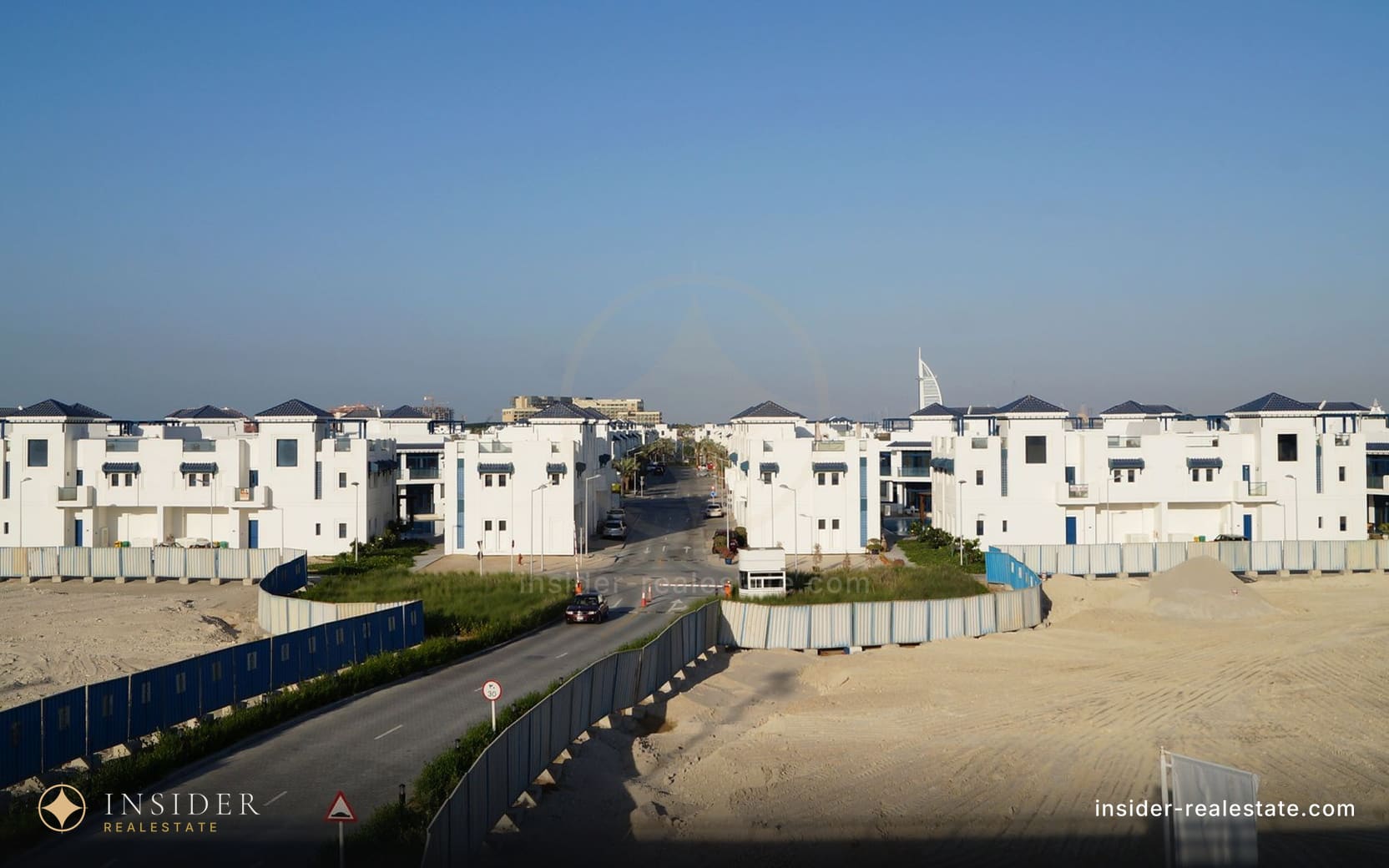
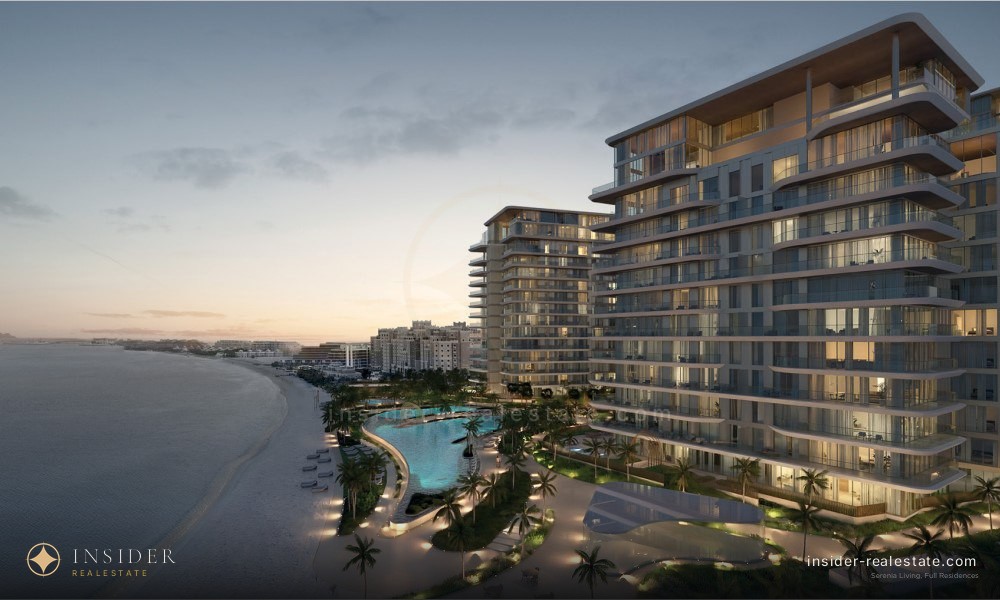
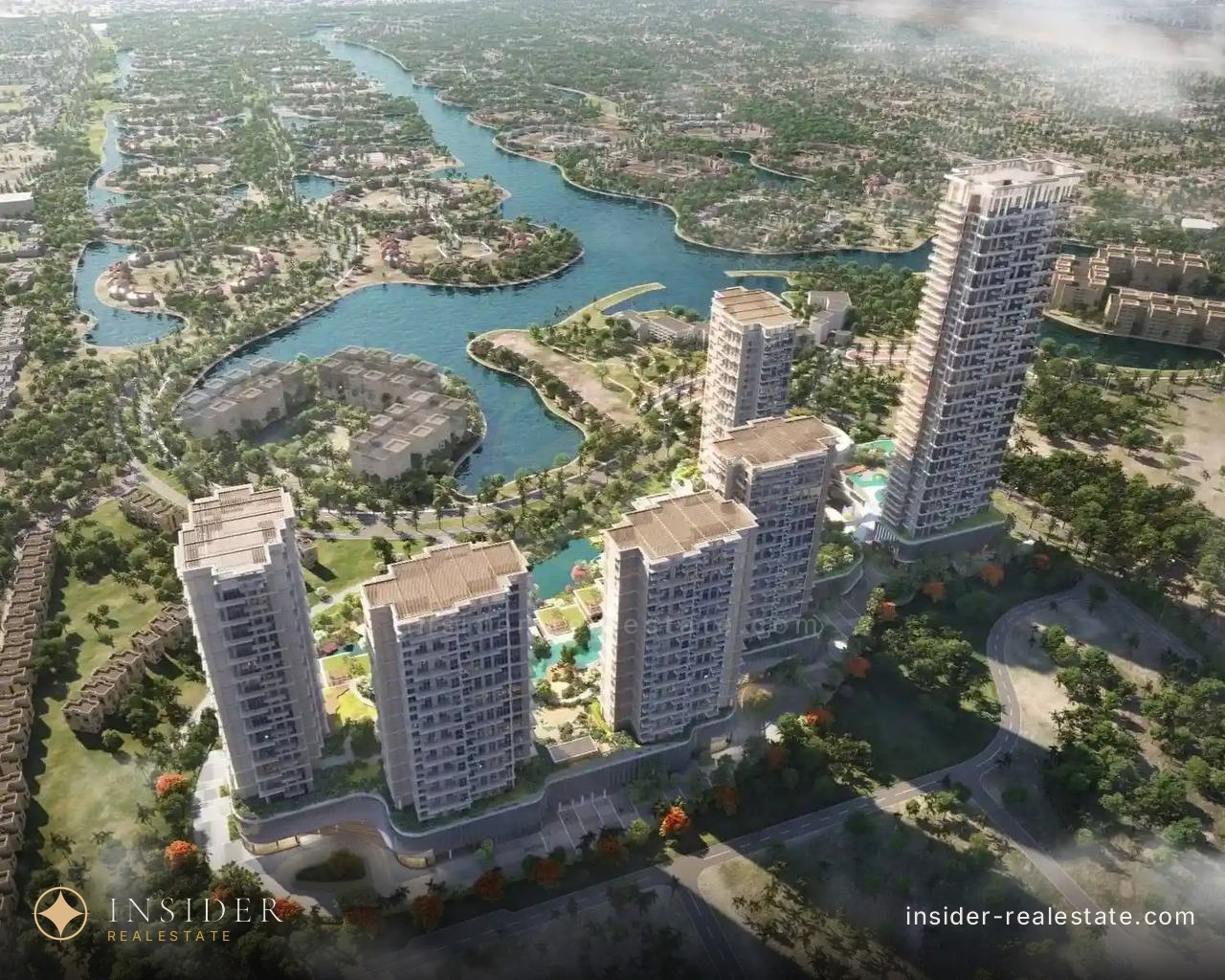
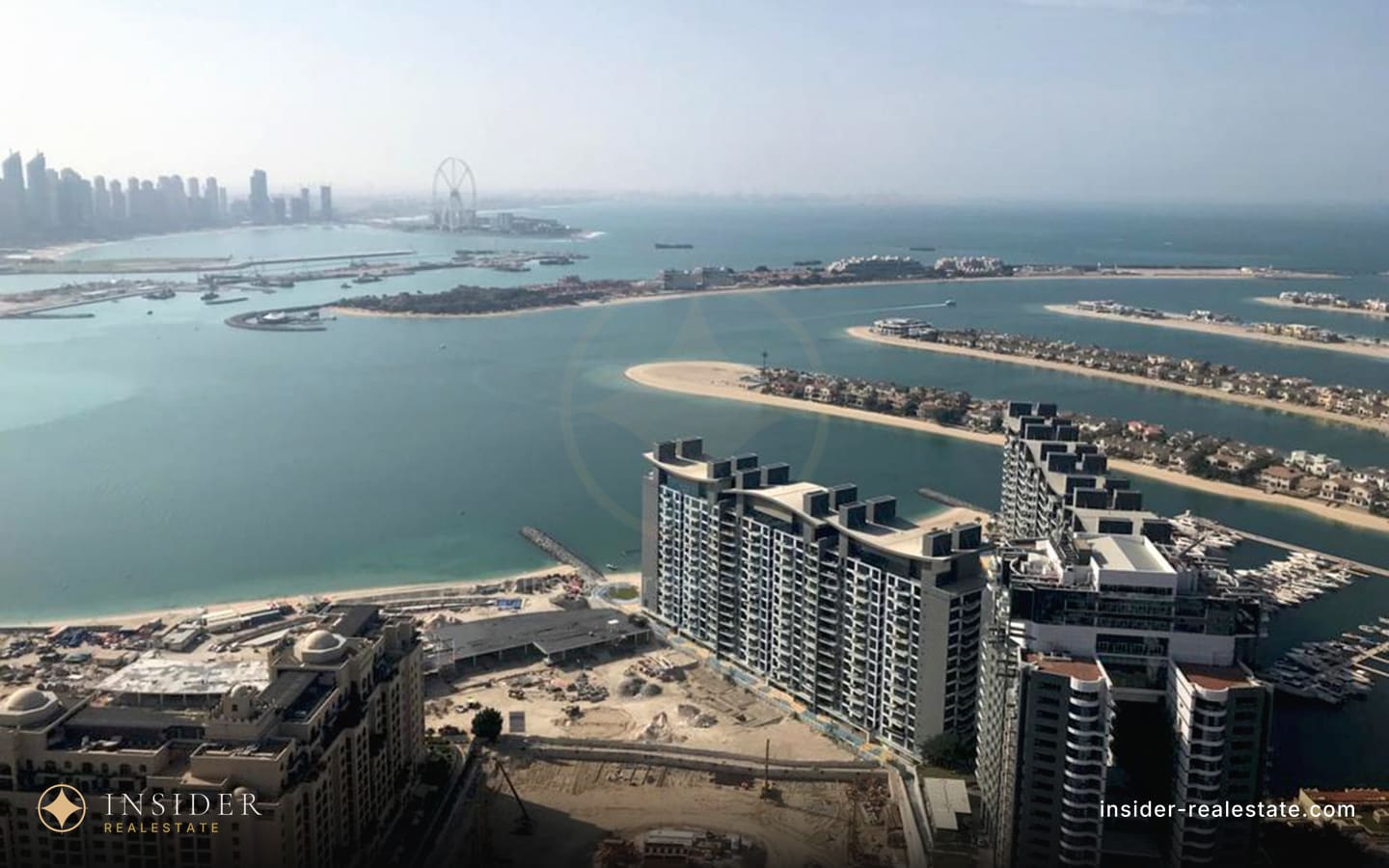
 Photo of the community −12%
 Serenia Residences East Wing Palm Jumeirah · 4 BR · Apartment 57 000 000 AED 65 000 000
Ask about lot NP4-447144
A single-place, single-product specialist: low-rise beachfront residences on Palm Jumeirah under the Serenia name, not a diversified citywide portfolio.
12 lots in stock across 7 projects. Of the 5 with a known status: 5 ready, 0 under construction. By median price — 15th of 139.
The districts where this developer has the most lots in our stock.
Checkable facts about the developer itself. Unlike the figures above, these are not about our stock and do not move with what happens to be listed today.
Palma Holding is not trying to be a developer for every taste: its entire line-up is low-rise waterfront residences under the Serenia name, all sitting either on Palm Jumeirah itself or on the adjacent man-made district. This is a deliberate narrow specialisation, not a portfolio accident — the company sells not square footage but a specific combination of low density, direct water access and an address that physically cannot be replicated elsewhere in the city.
The project carries an architect whose name is attached to one of the city's most photographed skylines — the same practice behind Emirates Towers. For a buyer in the super-prime segment, that is not decorative detail: facade and layout craftsmanship at this level sells almost as hard as the view.
Most developers on and around the Palm push a plot as high as it will go — more floors mean more units sold off the same piece of land. Palma Holding deliberately works against that logic: its buildings are low, and the shoreline is split among dozens of owners rather than hundreds. That is a less efficient model by units sold per hectare, but it is exactly the product being paid for — privacy and direct contact with water that high-rise construction cannot physically offer.
That same narrow specialisation is also the company's main risk. A developer with a diversified portfolio can absorb one project underperforming; for Palma Holding, essentially the entire brand rests on one location, and its reputation as a developer is inseparable from the reputation of Palm Jumeirah as a place. That is worth weighing separately from any single apartment's merits.
The company has steadily scaled up its ambitions: from an earlier, more compact project on the Palm itself to the considerably larger Serenia District complex on the adjacent Jumeirah Islands, with a stated value many times the first phase. That is the typical path of a developer that has found a working niche and is doubling down on it rather than diversifying into new directions.
For a buyer, that growing ambition means later phases are inherently more complex to execute than earlier ones — more contractors, more engineering, more parties to coordinate at once. Judge site progress by how the company's earlier, already-started project is actually going, not by renders of the newest phase.
A low-rise waterfront building has its own maintenance model: fewer lifts and shared technical systems, but expensive shared amenities — landscaping, beach infrastructure, the promenade — split among a small number of owners. That is not a management flaw, it is the direct consequence of the format, and a buyer should budget for it up front rather than being surprised later.
On resale, a product at this level always trades more slowly than mass housing: the buyer pool is objectively narrower, deals are one-off, and there is little comparable sales data for an independent valuation. In exchange, that pool has almost no alternative — no new shoreline is coming to the Palm — which is a structural argument for the asset on a long horizon, not a seasonal one.
The super-prime waterfront segment typically runs a more conservative payment structure than mass housing: a meaningful share is due up front rather than spread across small monthly instalments, which filters out buyers with a small starting capital before they even get to the unit. That is a deliberate audience filter rather than developer rigidity — a developer at this level is not chasing mass demand in the first place.
The buyer pool in a residence like this is international and wealthy by definition, and that is also part of the product: your neighbours are the same demographic that drives rental and future resale demand. For personal use that is a plus; for a narrow rental model, it is a factor to build into your yield expectations.
For off-plan Palma Holding purchases I always check the progress of its earliest phase first — it is furthest along by now and shows more honestly how the company actually delivers than the marketing for a newer one. Separately, I pull exactly what the beach and landscaping fall under in the title deed versus what belongs to the island's master plan and is shared across all residents.
And separately, the condition of the earliest buildings, if already handed over: sea air and constant water contact are demanding on facade and engineering, and a few years after delivery that is visible to the naked eye. For a resale buyer, that is the first check, ahead of the finish inside the apartment.
Photo of the community −12% 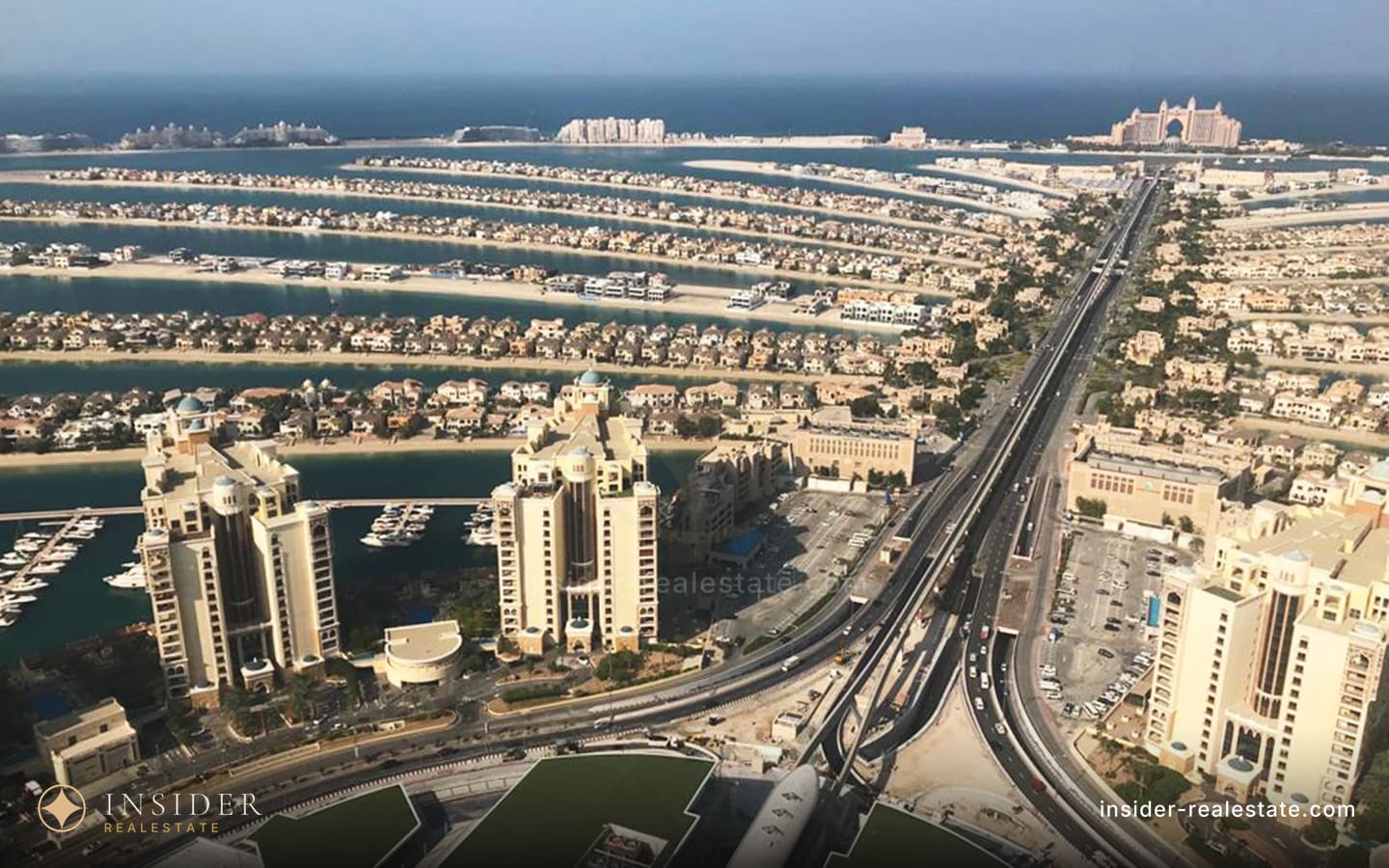 Photo of the community −10% Photo of the community −5%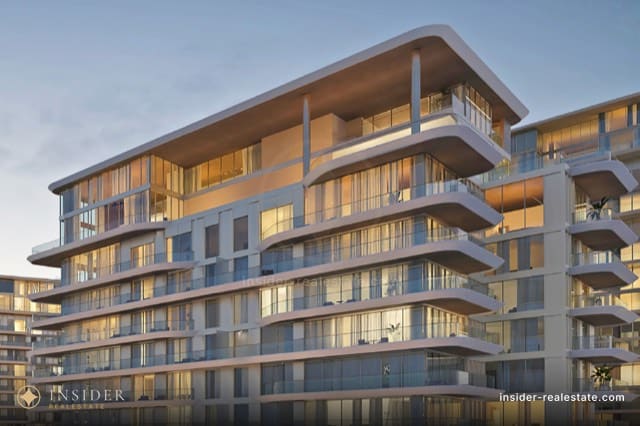
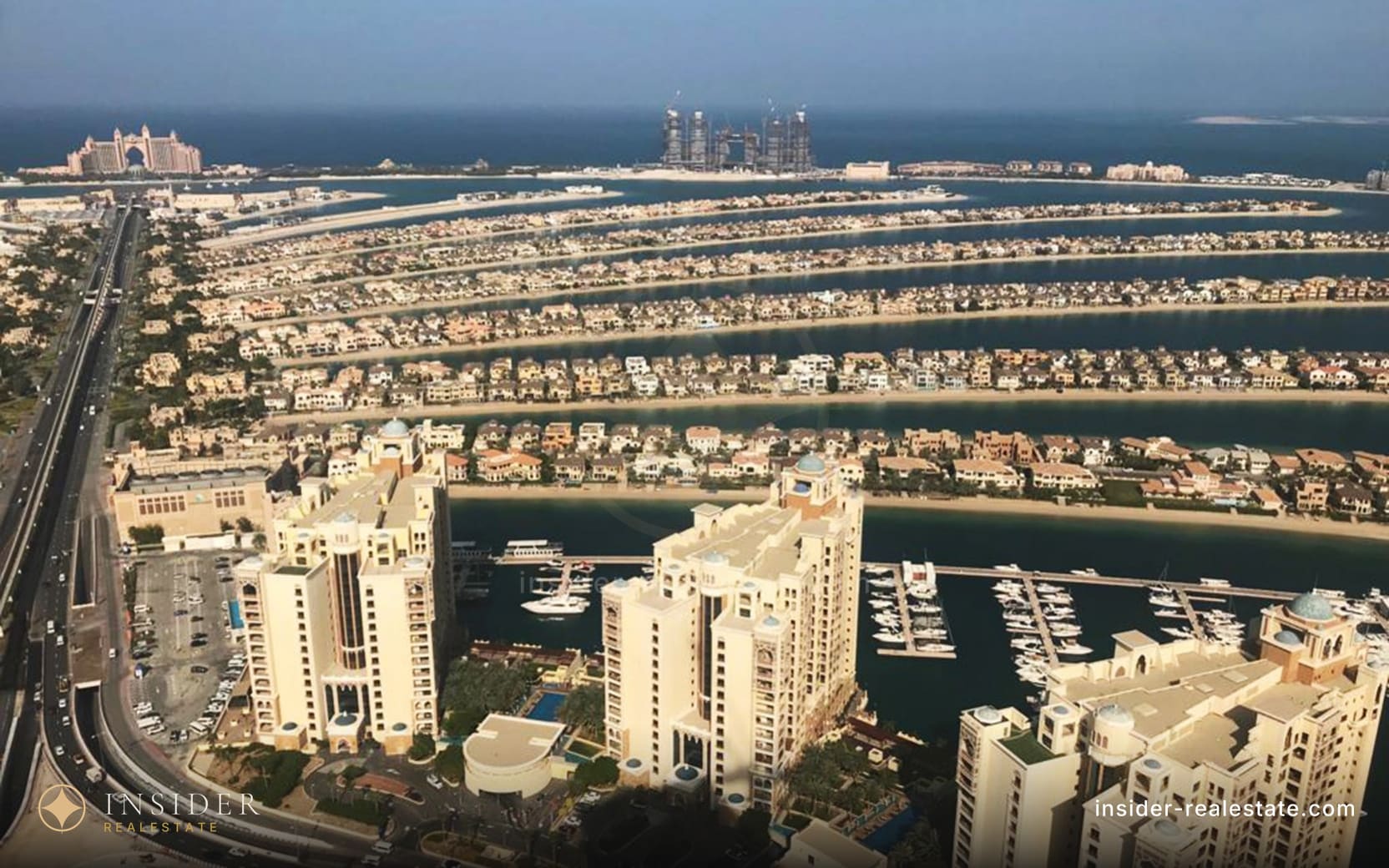 Photo of the community
 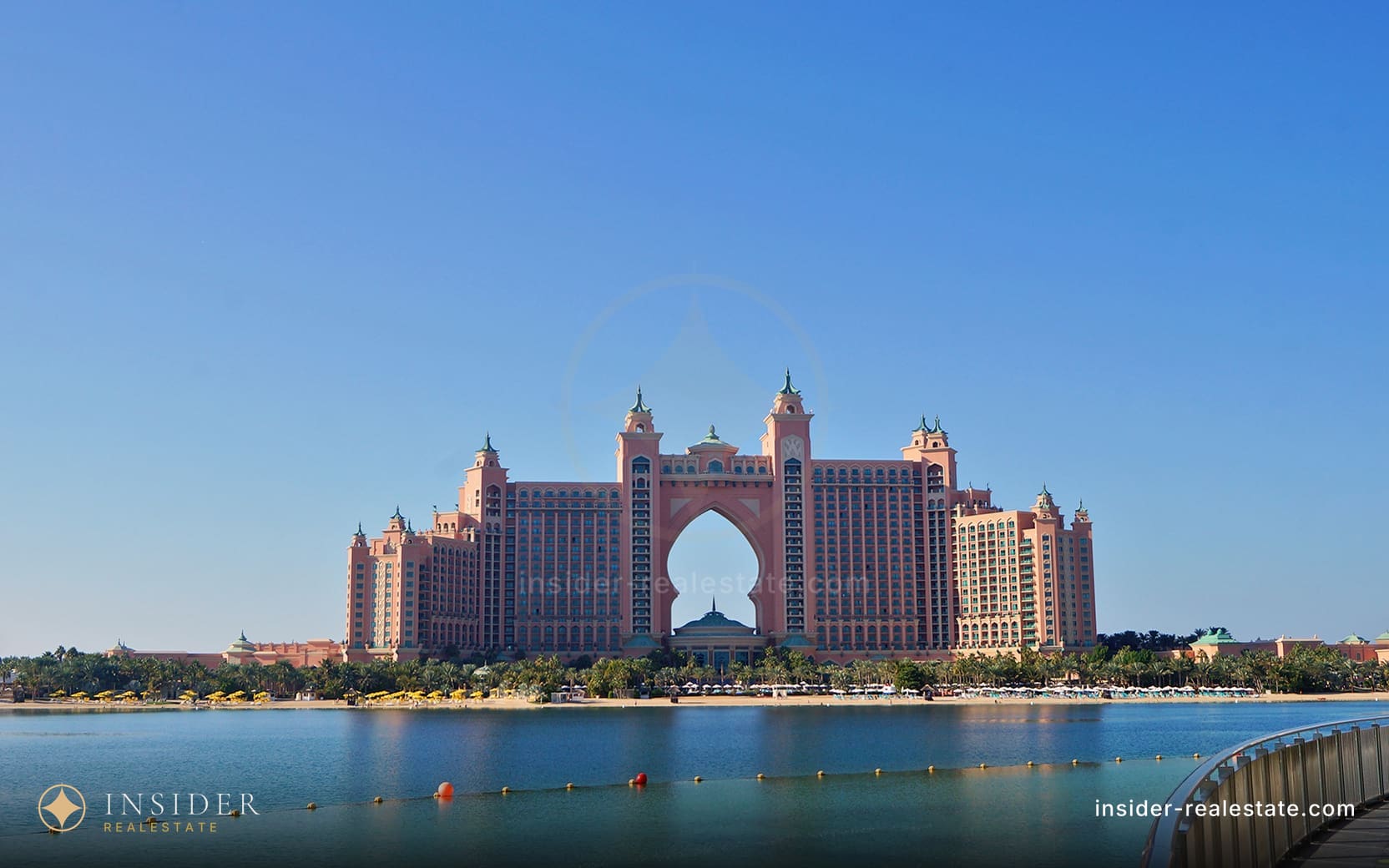 Photo of the community
 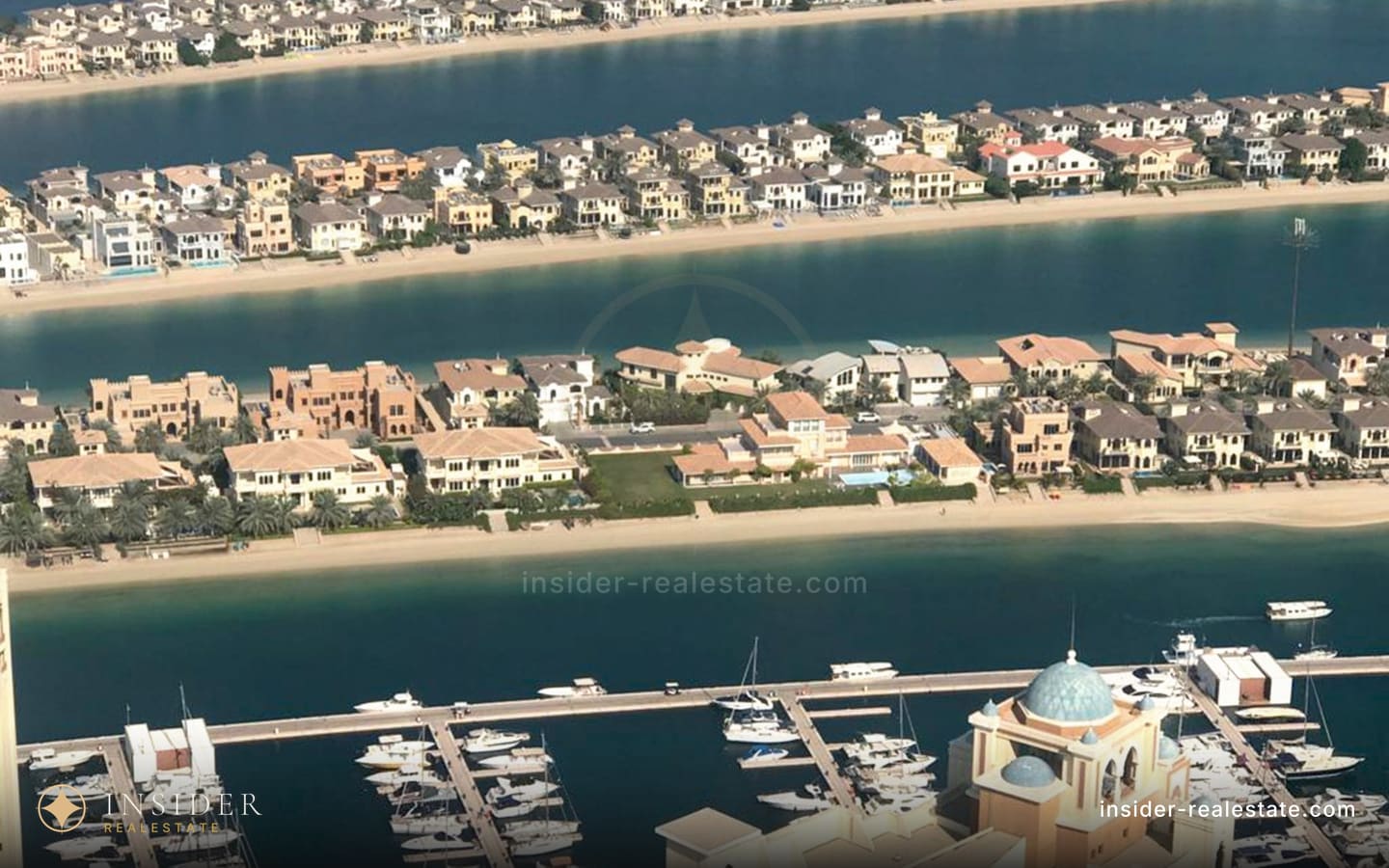 Photo of the community
 Lots are matched to Palma Holding by project name, since the base has no developer field. The numbers above therefore describe our stock rather than the company’s market share: a developer with a large completed portfolio can show fewer lots than one whose buildings are resold more often.
All prices are asking prices, not sales. For the building you pick I pull the registered Land Department transactions and show the prices deals really closed at.
A developer building low-rise beachfront residences on Palm Jumeirah. What separates a low-rise waterfront building from a tower, on cost, tenant profile and resale.
The median across this developer's lots in our stock is $2.79M (AED 10 250 000), with entry from $1.61M. The median per square foot is $1 270. They are drawn from asking prices in our own base and refreshed every night — a picture of current supply rather than of the official price list.
Right now the base holds 3 lots from this developer priced below the market, with the deepest cut at 12%. It is the seller on the secondary market or on an assignment who cuts the price, not the developer — each has a reason to hurry. The discount is calculated by an algorithm relative to comparable property, with no manual broker estimate.
Our catalogue holds 4 projects by this developer, each with a building passport: storeys, unit count, handover date, the mix of bedrooms. The list is on this page, and the districts where the developer has the most lots in stock are in the “Where they build” block. Under each project sit the lots on sale, where there are any.
The price is the same: on off-plan the developer pays the broker’s commission, not the buyer, so going straight to the sales office saves nothing. The difference is elsewhere — a developer’s sales office shows its own projects only, and will not tell you that the same thing next door is cheaper or that this project is running later than advertised. On resale and assignment the commission is the standard 2% plus VAT.
That depends on what you buy and why. Describe the budget and the aim — I will point out which of this developer’s buildings are justified today and which are better left alone.
Ask on WhatsAppTelegram is the fastest way — I answer personally.
Message on Telegram