 −23%
−23% EVERGR1N HOUSE Jumeirah Garden City · 1 BR · Apartment 1 780 000 AED 2 303 794
Ask about lot NP2-331561
Part of an international, vertically integrated group that is its own developer, contractor, financier and management company — building simultaneously in two neighbouring but structurally different districts: JVC and JVT.
3 lots in stock across 3 projects. Of the 3 with a known status: 0 ready, 3 under construction. By median price — 112th of 139.
The districts where this developer has the most lots in our stock.
Checkable facts about the developer itself. Unlike the figures above, these are not about our stock and do not move with what happens to be listed today.
Object One is part of the wider international TSZ Group, which, besides the UAE, has operations in Ukraine and Spain — international experience the company brought to Dubai relatively recently. Unlike many mid-segment developers that grew up purely on the Dubai market, this one carries a background of operating across several jurisdictions with different building codes and different regulatory environments.
The group's distinguishing feature is vertical integration: development, construction, project financing and subsequent servicing all sit inside one structure rather than being split among an independent contractor, a lending bank and a management company, as is typical for most developers. That is an unusual model for the mid segment, more commonly seen at much larger players.
When a developer is its own contractor and financier, a whole layer of coordination risk disappears — there is no need to synchronise an independent main contractor whose lending bank might delay a tranche, and a separate management company that only arrives after handover with no prior experience of this specific building. In theory this should produce more predictable timelines and a smoother handoff from construction to operations.
The flip side of the same model is concentrated risk. A developer with an independent outside contractor can solve a problem at one link in the chain by switching contractors or finding alternative financing. When every link sits inside one group, trouble at any level — construction, financial, managerial — has no outside partner to absorb it and hits the project directly.
The company deliberately builds in two neighbouring but structurally different districts at once — dense, predominantly apartment-based JVC and the more low-rise, family-oriented JVT — rather than concentrating on one. That lets the group apply lessons learned in one district to a project in the other, while also diversifying its portfolio across two different tenant and buyer profiles.
For a buyer, this means the developer already has parallel experience with two different product types — dense apartment construction and a more spacious low-rise format — rather than just one. That is an indirect but real argument for the company's maturity, even though both districts remain relatively new markets for it by Dubai's historical standards.
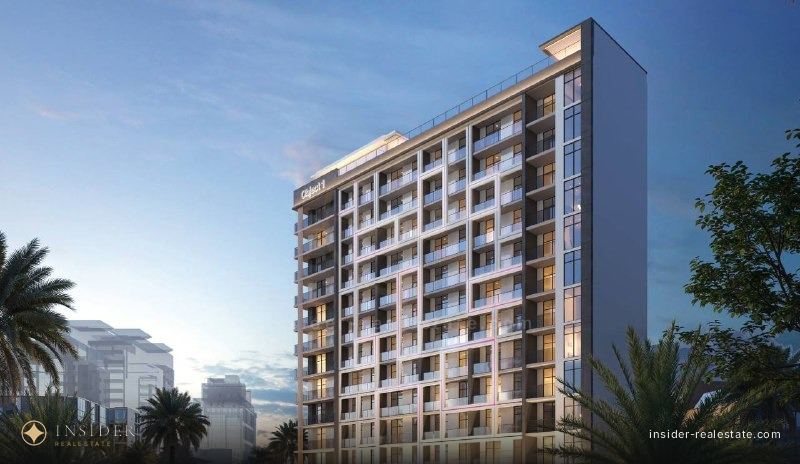
The company's flagship JVC project leans noticeably toward wellness features — dedicated yoga spaces, aromatherapy, advanced air-purification systems — which is unusual for the mid segment, where developers usually stop at a standard gym and pool. That is a deliberate attempt to differentiate on product in a densely competitive district, rather than on price or location alone.
Features like that genuinely increase appeal for a certain tenant profile, but they also demand more careful operation after handover — ventilation and air-purification systems are more complex to maintain than a standard air-conditioning setup, and that is worth factoring into an estimate of the future service charge.
Both JVC and JVT belong to a segment with active construction and a large volume of new supply, and the resale market here trades primarily by district and specific cluster rather than by a mid-scale developer's name. For this company's properties, that means competing not only with neighbours on the same street but with new supply continuing to land in both districts at once.
The company's relative youth in the market also means a shorter public track record for independently judging its delivery pace, compared with developers that have worked these districts for a decade — Object One's history offers less data for comparison.
For this company's properties I check the financial resilience of the group as a whole, not just the stated progress of a specific site — because of vertical integration, a problem at the group financing level hits the project directly, with no outside cushion. From there I look at the delivery timelines of previous phases in both districts and compare what was promised against what was actually delivered.
Separately, for a wellness-focused project, I check who services the non-standard building systems after handover and what that adds to the district's usual service charge.
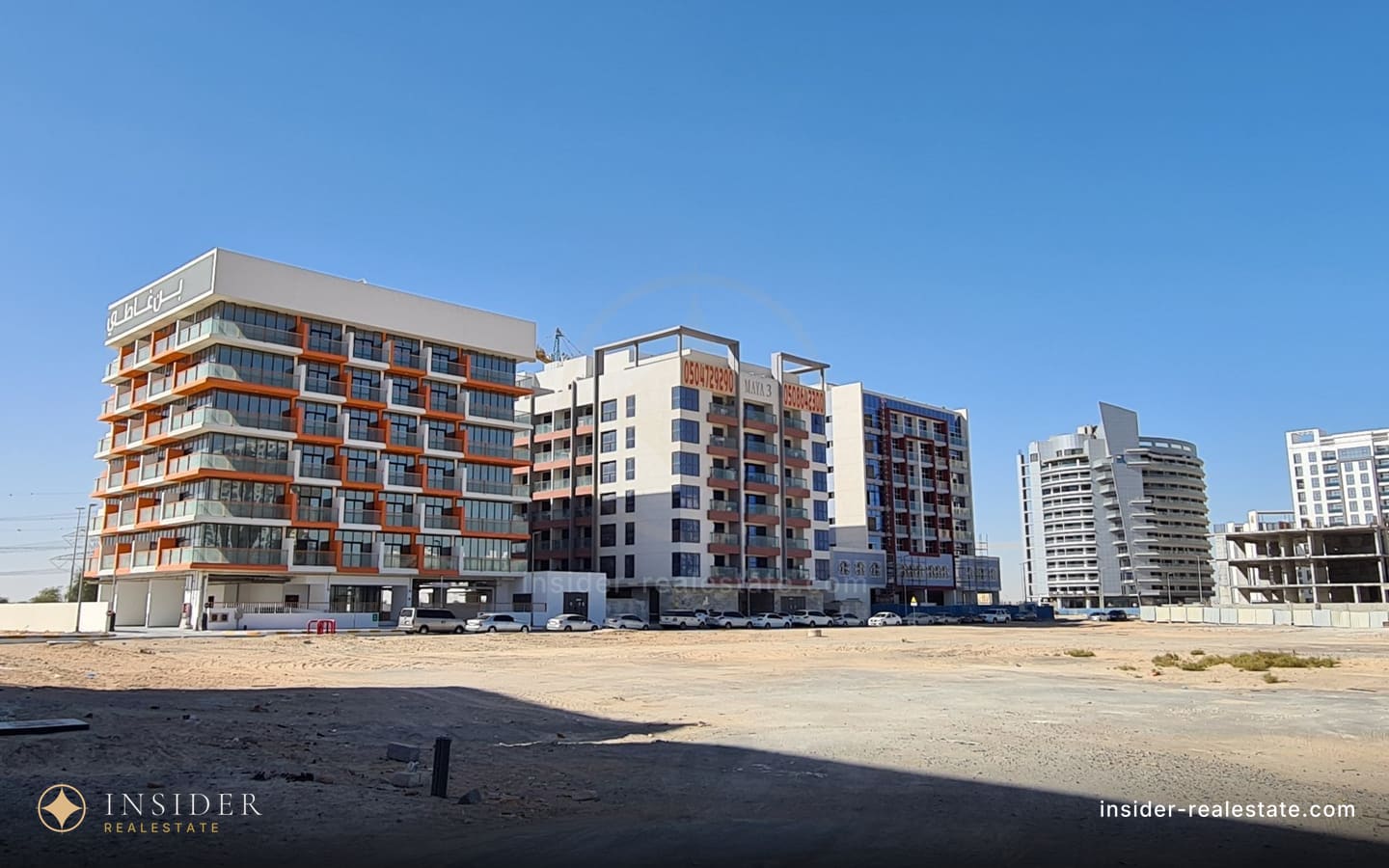
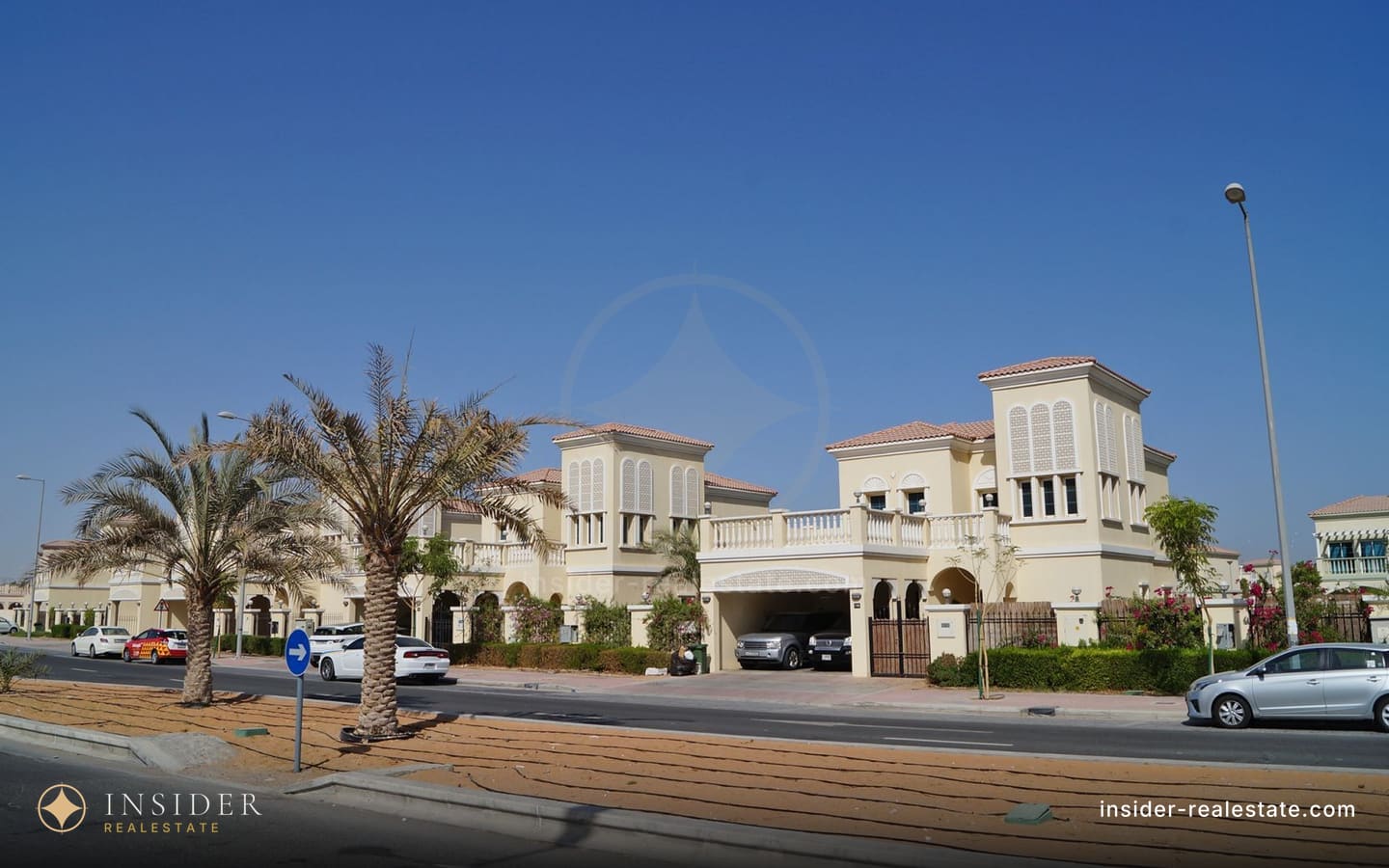
−23%  Photo of the community −7%
  Photo of the community
 Lots are matched to Object One by project name, since the base has no developer field. The numbers above therefore describe our stock rather than the company’s market share: a developer with a large completed portfolio can show fewer lots than one whose buildings are resold more often.
All prices are asking prices, not sales. For the building you pick I pull the registered Land Department transactions and show the prices deals really closed at.
Project breakdowns from the English channel. Every clip has a written version on a page of its own.
 2:35
2:35 1Wood in Jumeirah Village Circle, District 14, handover Q3 2025, from AED 700 000. Studios from 374 sq ft, one-beds from 758 sq ft. A masterclass from Object 1's development director on the long-let case.
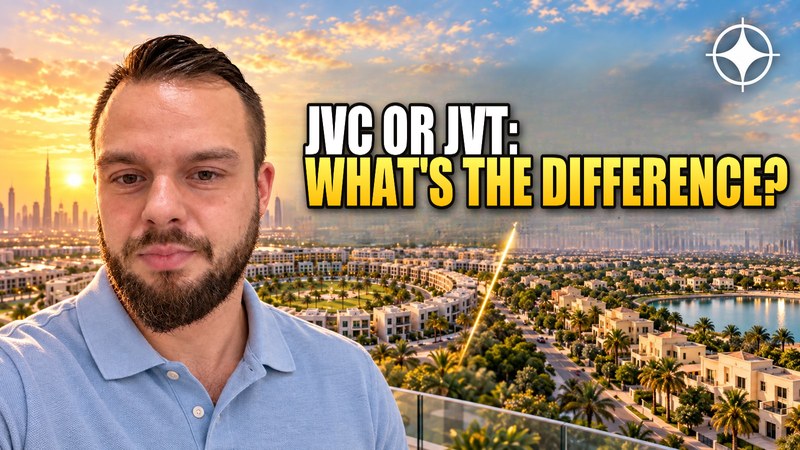
WatchA developer building in both Jumeirah Village Circle and Jumeirah Village Triangle. They share a name and a price bracket and behave differently — here is how.
The median across this developer's lots in our stock is $324K (AED 1 190 000), with entry from $264K. The median per square foot is $354. They are drawn from asking prices in our own base and refreshed every night — a picture of current supply rather than of the official price list.
Right now the base holds 2 lots from this developer priced below the market, with the deepest cut at 23%. The discount comes from the seller on a resale or an assignment, not from the developer: they have their own reason to exit quickly. The size of the cut is computed against comparable property by an algorithm, not typed in by a broker.
Founded: 2013. The register of the Land Department is the source that matters, not the brochure: it lists the licence, each project’s progress in per cent and the escrow account. On off-plan the buyer’s money sits in that account under RERA control and is paid out as construction stages are verified. The complete dossier is in the write-up above.
The site catalogue covers 4 projects by Object One, each with a building passport — storeys, units, handover date and bedroom mix. They are listed above, and the “Where they build” block shows the districts with the most of its lots. Any lots on sale appear directly beneath their project.
The price is the same: on off-plan the developer pays the broker’s commission, not the buyer, so going straight to the sales office saves nothing. The difference is elsewhere — a developer’s sales office shows its own projects only, and will not tell you that the same thing next door is cheaper or that this project is running later than advertised. On resale and assignment the commission is the standard 2% plus VAT.
It depends what you are buying and why. Send me your budget and the job it has to do — I will tell you which of this developer's projects make sense right now and which I would walk past.
Ask on WhatsAppTelegram is the fastest way — I answer personally.
Message on Telegram