
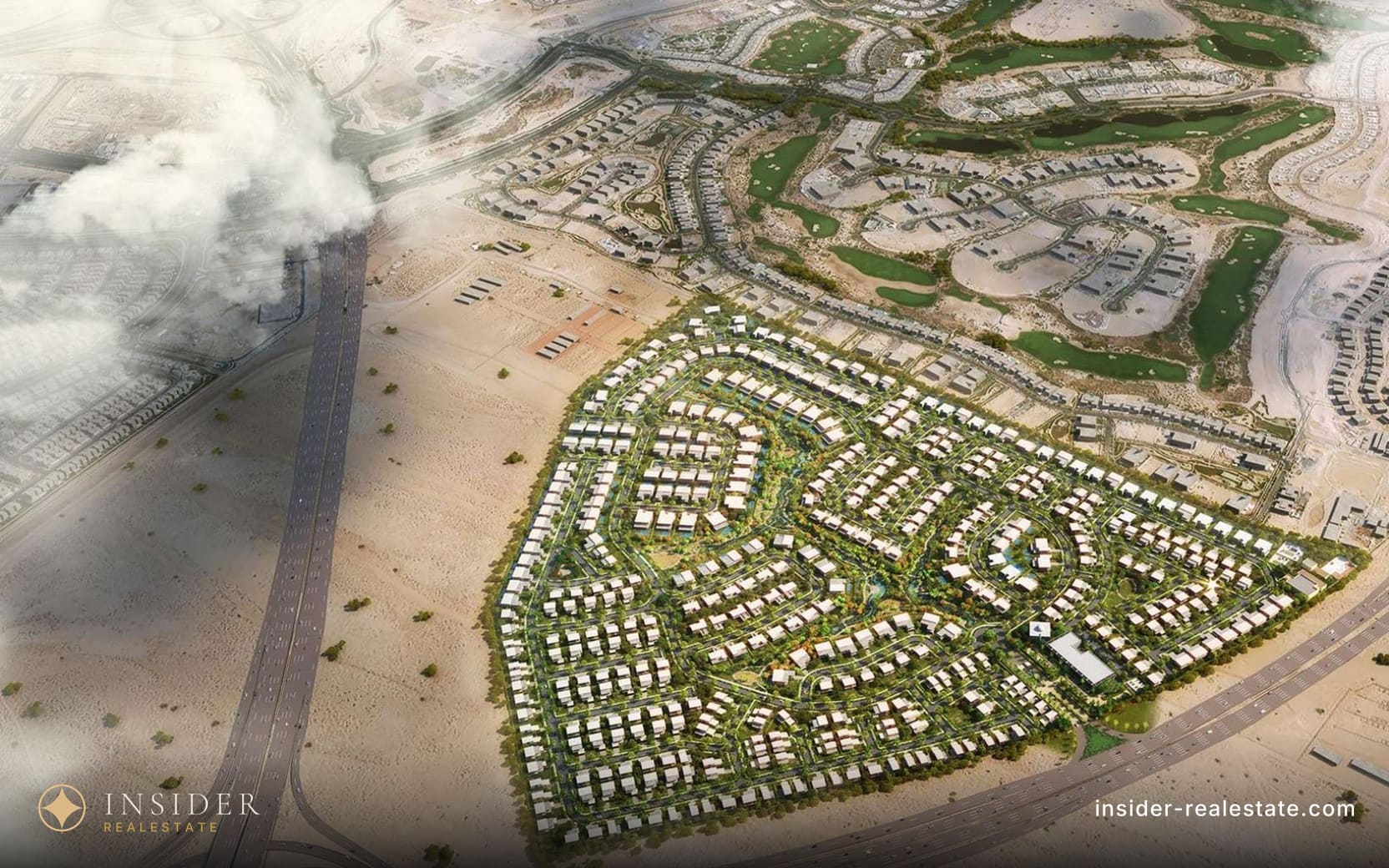
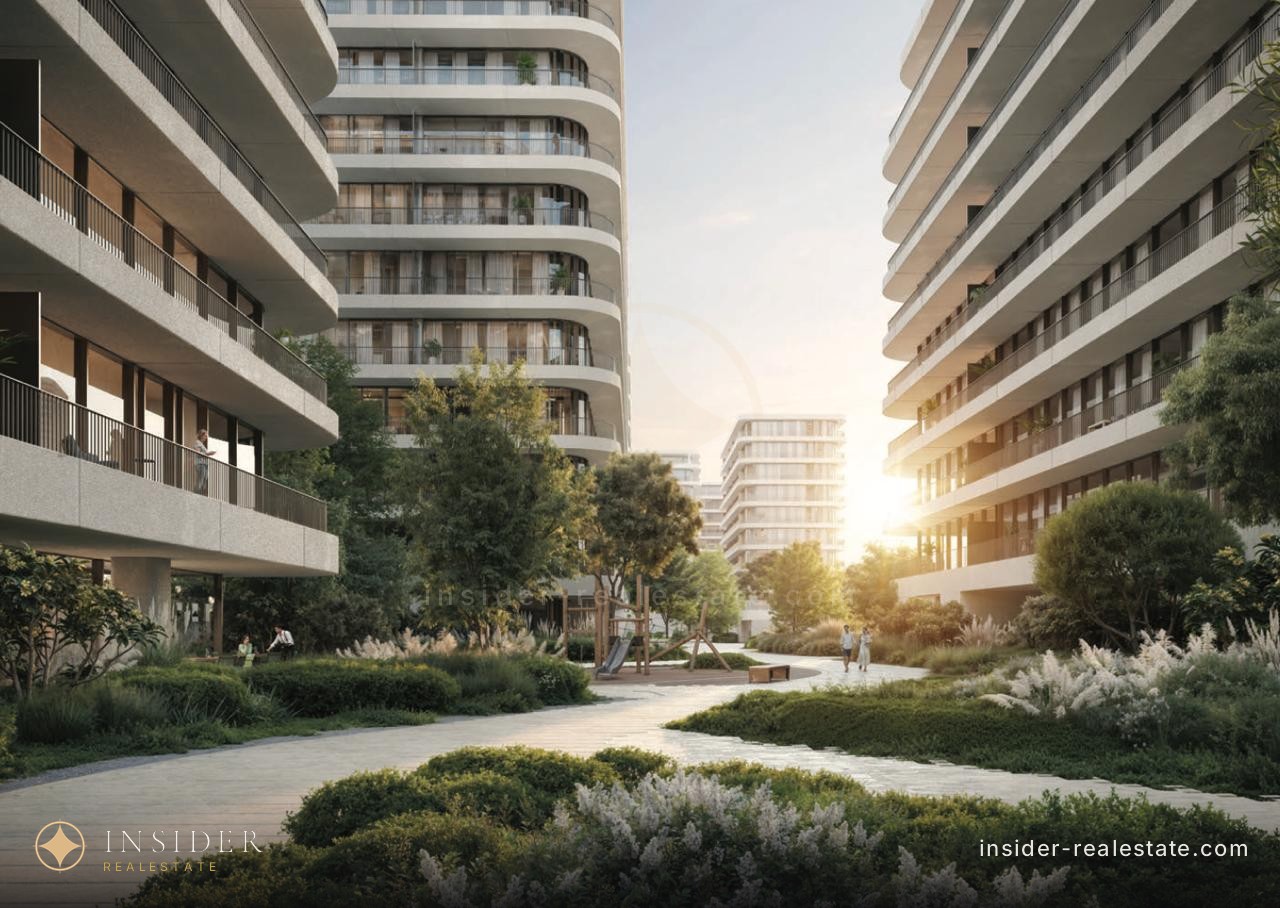
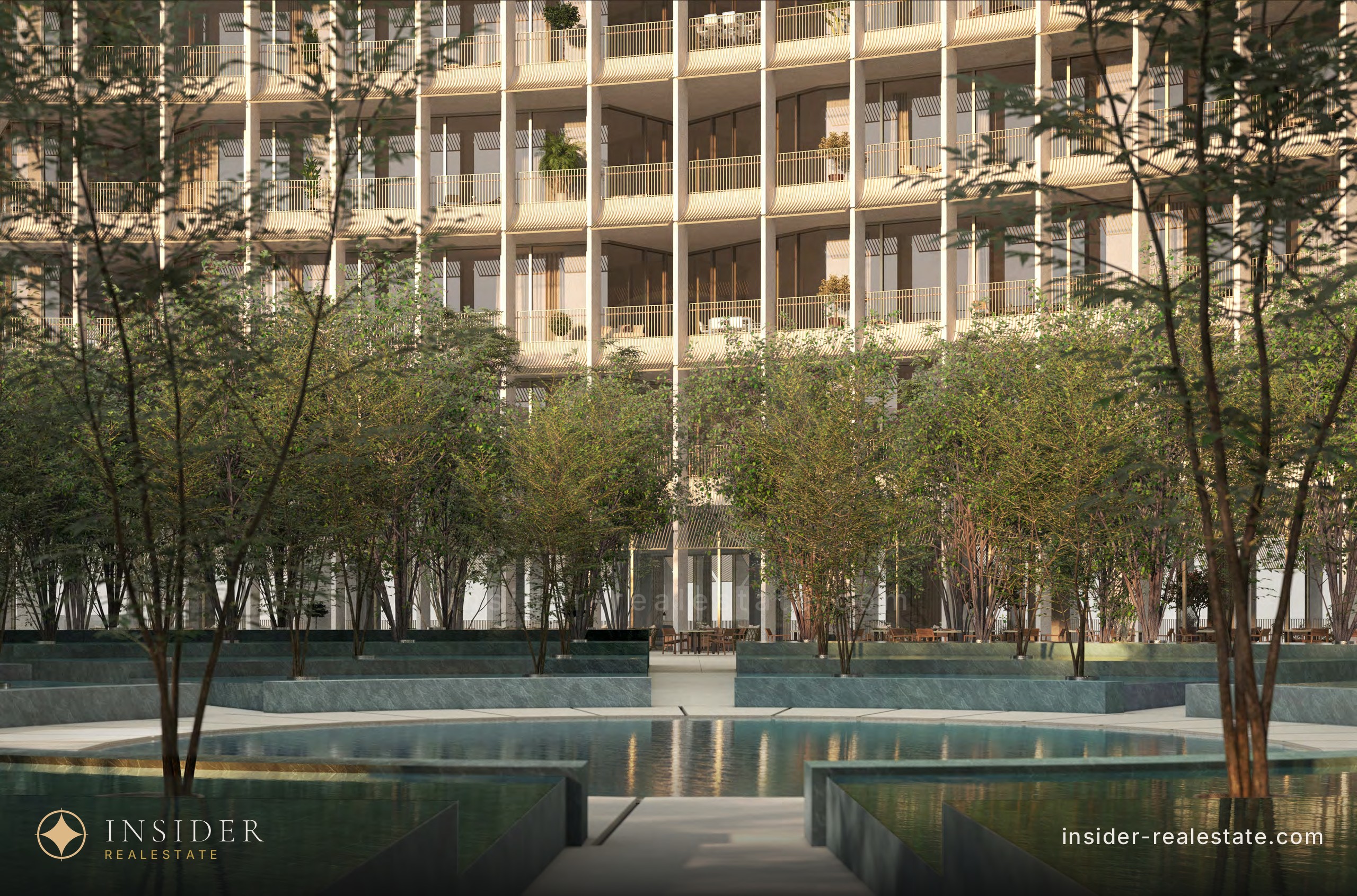
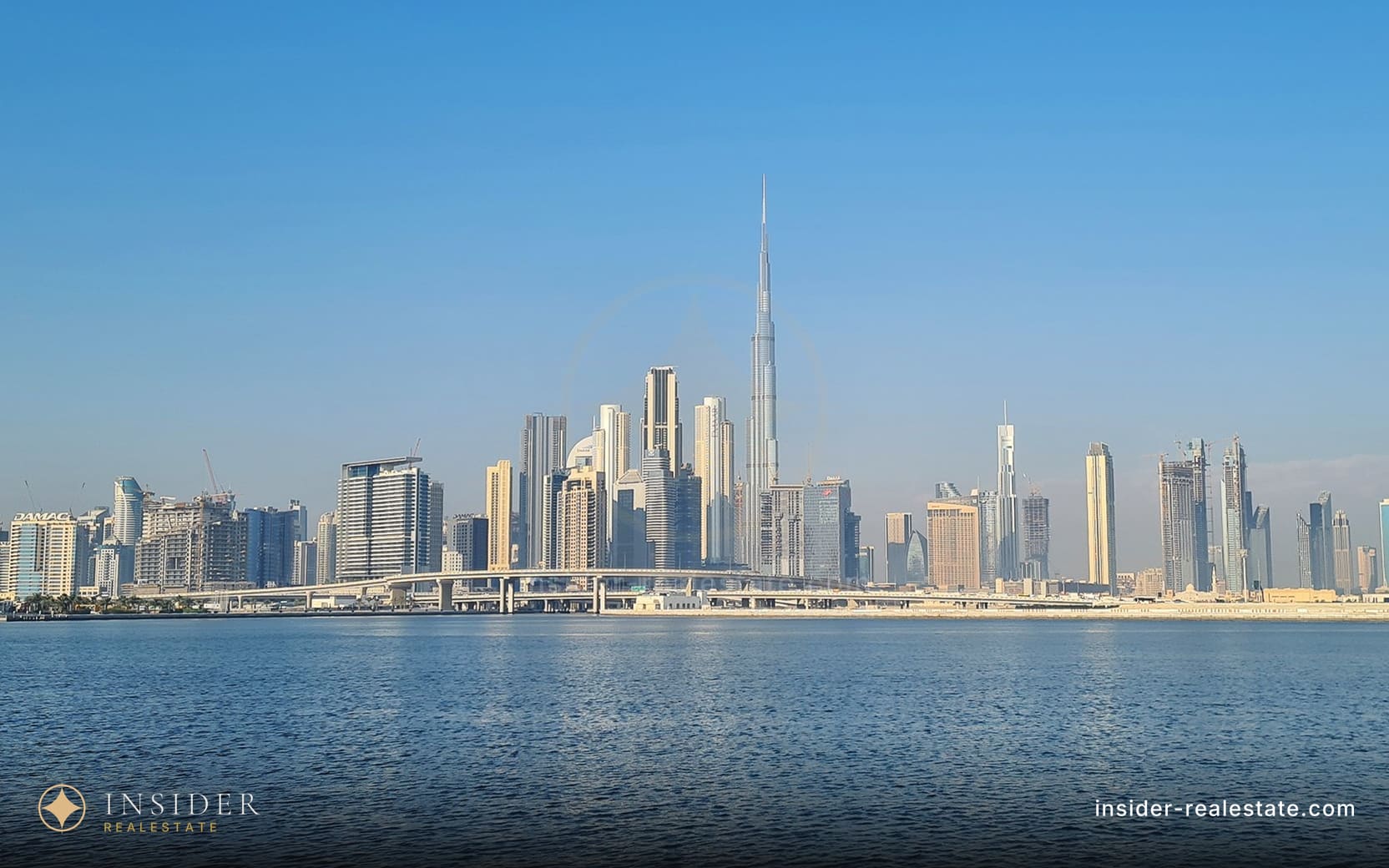
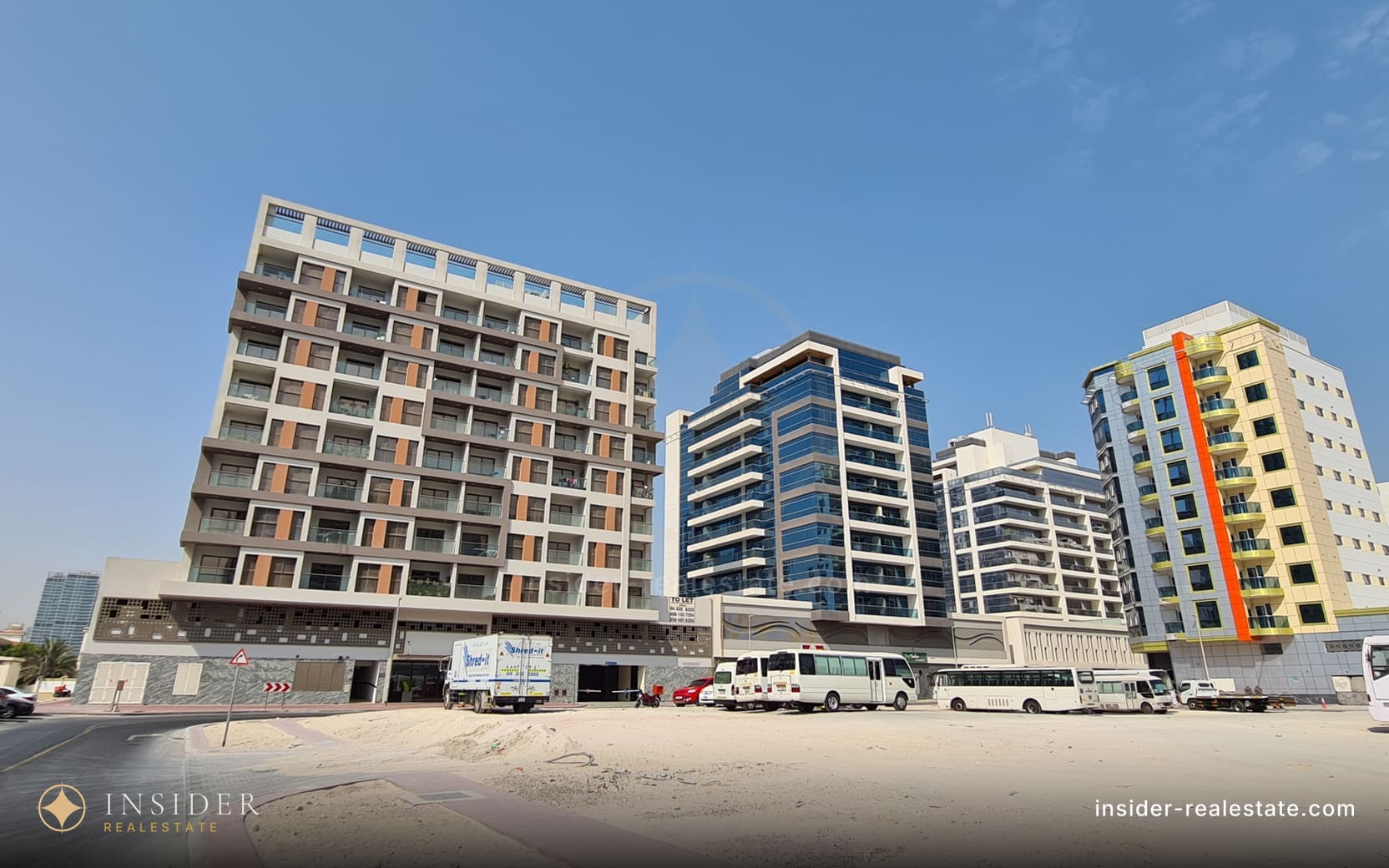
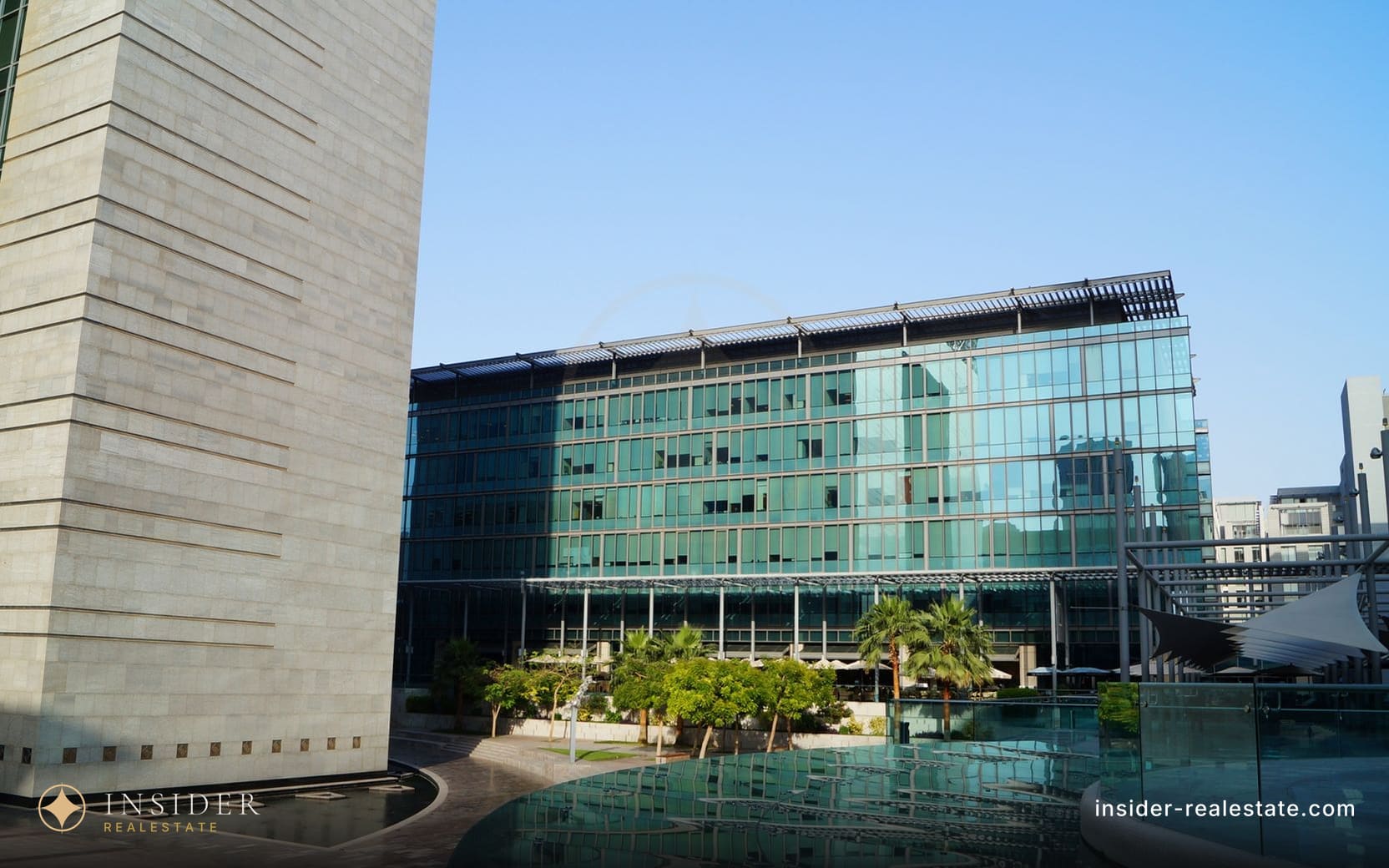
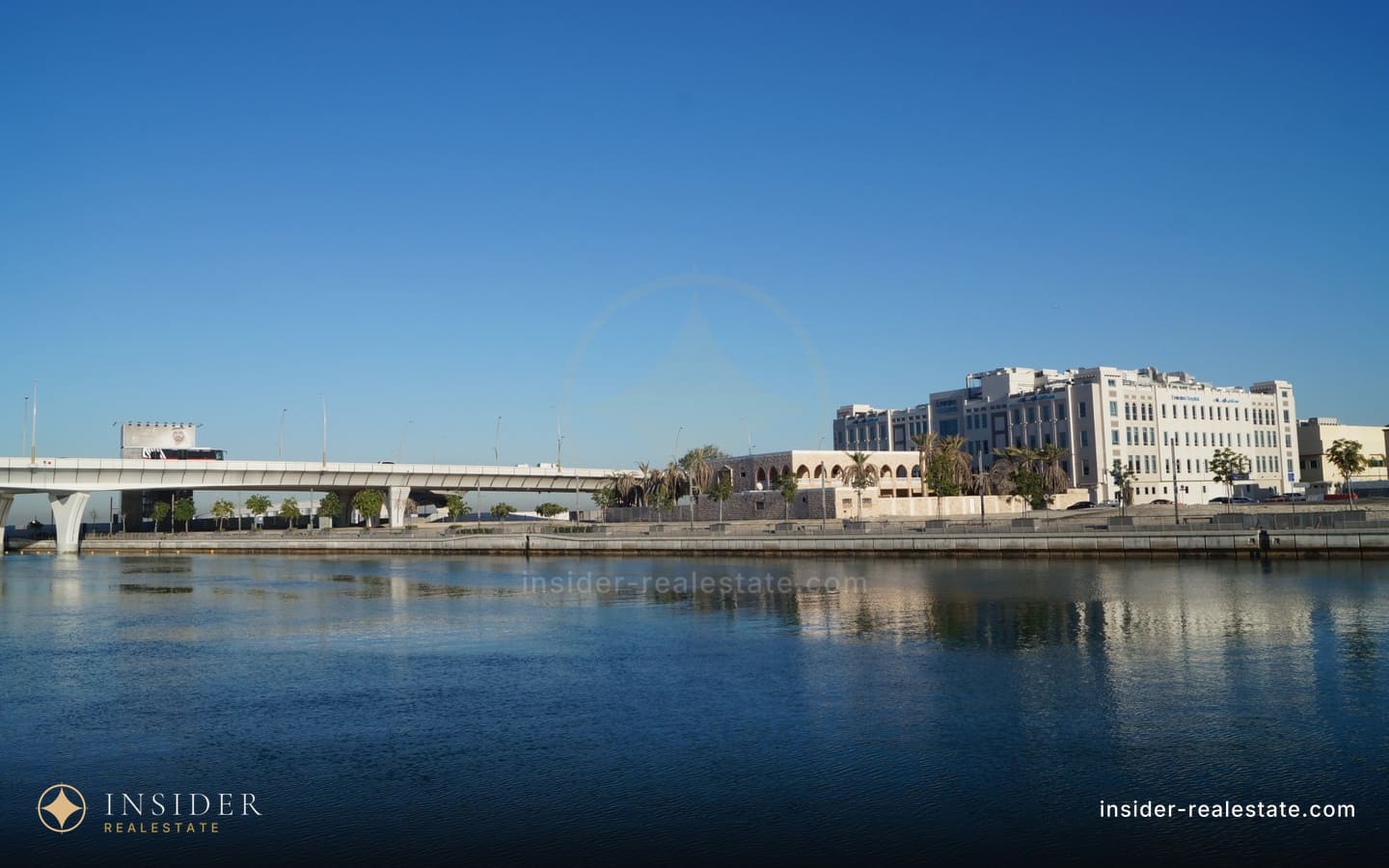
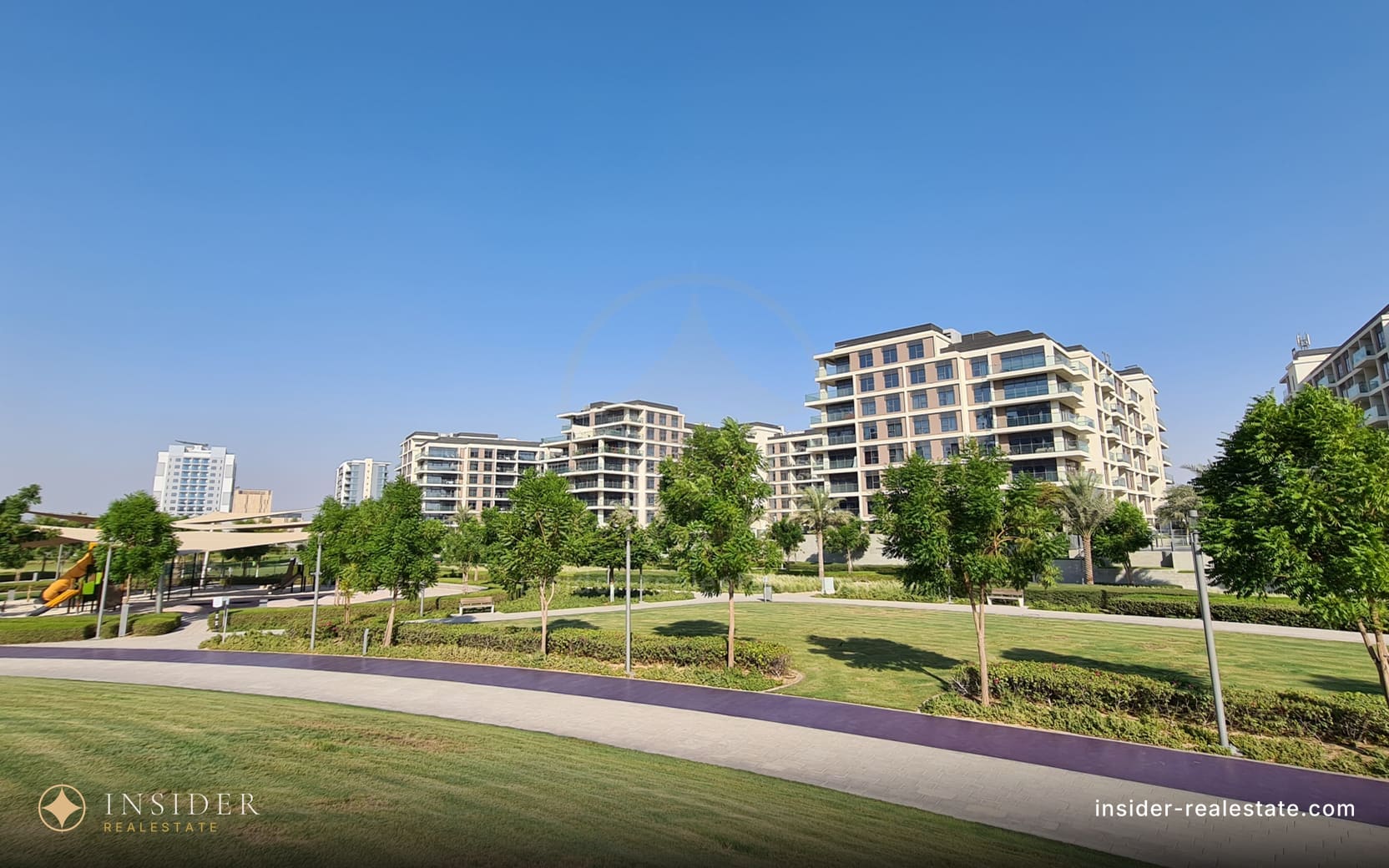
 Photo of the community
 H&H
A boutique developer with essentially one product — the Eden House line — repeated across Dubai's established central districts rather than dozens of unrelated projects chasing scale.
4 lots in stock across 3 projects. Of the 2 with a known status: 0 ready, 2 under construction. By median price — 11th of 139.
- Living in an established district
- Low-rise, courtyard-scale living
- Buyers who want to see a finished example first
- A small building over a tower
Median price $2.84M AED 10 437 500
Entry price $2.16M AED 7 941 500 — the cheapest lot
Per square foot $1 204 AED 4 421 / sq.ft, median
Completed stock 0% no discounted lots right now
Where they build
The districts where this developer has the most lots in our stock.
Jumeirah 2 Dubai Hills Estate 1 Al Satwa 1
The company in brief
Checkable facts about the developer itself. Unlike the figures above, these are not about our stock and do not move with what happens to be listed today.
- Founded
- 2007, private company
- Founders
- Shahab Lutfi and Mohamed Al Hussaini
- Portfolio
- the Eden House line — over a dozen addresses across Jumeirah, Al Wasl, Zabeel, Dubai Hills Estate and Mohammed Bin Rashid City
- Design partners
- Eden House Dubai Hills was designed with the UK-based Hopkins Architects
What kind of developer this is
What it is, and why it has one product
H&H is a private company closely tied to Dubai's ruling family, and it deliberately does not chase a wide portfolio. Instead of dozens of unrelated project names, it has one line — Eden House — that it plants, address after address, working the same idea each time: a low-rise, courtyard-scale building with a private garden, not a standard tower with a rooftop pool.
In practice this means the company brings in operating partners you would normally expect from a much larger developer: its projects carry names like Four Seasons, Aman and Rosewood, not as a licensed logo on a hoarding but as an operator genuinely running part of the address. For a buyer, that is an unusual combination — the scale of a boutique firm with access to premium hospitality operators.
Geography: established districts, not new clusters
Every address in the line sits inside a mature, central or near-central district — Jumeirah, Al Wasl, Zabeel, close to Dubai Hills Estate and Mohammed Bin Rashid City — rather than a new cluster on the city's edge. That is a different logic of land: the roads and infrastructure are already in place, neighbours have lived there for years, and the developer is not waiting for the district to grow into itself.
The trade-off is a small plot hemmed in by neighbours. That is why every project in the line stays small — dozens of units, not hundreds — and why the view and privacy in these buildings depend heavily on what stands, or may be built, on the plot next door, not just on which floor you choose. That is worth checking specifically rather than reading off a render.
What a repeated product gives you
Repetition works for the buyer here in a different way than it does for mass developers in new districts: layouts, building systems and the set of shared amenities are refined project to project instead of being invented from scratch each time. Mistakes from an earlier phase in one district tend to be fixed by the time the next phase lands somewhere else. And most practically, you can go see it — the line is old enough that a finished building under the same name exists elsewhere in the city.
The other side of that is a narrow choice. There are not many projects, each is small by unit count, and they sell quickly, helped along by the recognisable hospitality names attached to the address. Buyers who want to compare dozens of floor plans and buildings will find this narrow — the company's range runs deep into one product rather than wide across a catalogue.
Operations and the resale market
A small number of owners per building means the same absolute service charge is spread over fewer apartments, and comes out higher per unit than in a large tower down the road. That is not a sign of trouble, it is the direct consequence of the format — every boutique building works this way — but it belongs in your ownership budget deliberately, not as a comparison against mass-market service charges nearby.
On resale, small buildings have their own quirk: there are fewer comparable registered sales than for a large tower, simply because of scale, and an independent valuation needs more care as a result. Demand for the Eden House line itself tends to hold up, though — buyers who specifically want this product and this circle of districts are usually enough that a unit does not sit unsold for years.
How I work with its properties
For a new launch in the line, I build in time for a visit to an already-delivered building under the same name — the company's geography makes that possible within half an hour across the city. It is the only reliable way to understand what you are actually buying: finish quality, how the shared areas age after a few years, and what a hospitality operator on this specific address really means in practice.
From there it is the usual discipline: checking what is approved for the neighbouring plot in this dense district, pulling the service-charge history from already-delivered buildings in the line, and never taking a "premium operator" on trust — asking for the document that spells out exactly what the operator does and for how long.
Where this model is not the right fit
If the goal is building a portfolio of several similar units for diversification, the narrow line works against you — there is little to choose from, and what exists sells quickly, not always on your timeline. The same holds for anyone who cares most about exit liquidity: a mass developer in a new cluster generates an order of magnitude more comparable sales for valuation than a boutique building of a few dozen units ever will.
And a separate case: a buyer who specifically wants a tall tower with a view from height and a large in-house amenity stack — multi-floor gyms, separate kids' and spa zones — will not find it here. That is not this developer's format, and looking for it in this line wastes time better spent elsewhere.
Projects by H&H
All projects →H&H listings in stock
All stock →
What these numbers mean, and what they do not
The developer is inferred from the project name — there is no developer column in the base. So the figures describe our stock, not the company's share of the Dubai market: a developer sitting on an enormous volume of completed housing can look smaller here than one whose projects reach the resale market more often.
These are asking prices, not closed transactions. For a specific building I pull the registered Land Department sales and show where deals actually closed.
Video
H&H on video
Project breakdowns from the English channel. Every clip has a written version on a page of its own.
 23:55
23:55 Video
Baccarat Dubai: the branded residence next to the Burj
Baccarat Dubai by H&H sits on Sheikh Zayed Road beside Downtown. What a crystal-house brand actually delivers in a residence, and how to assess branded ultra-luxury in a market that is now full of it.
WatchIn the news
Nad Al Sheba villas: H&H’s Sunrise Valley — townhouses from AED 7.5m, architecture by Studio MK27
Sunrise Valley is H&H’s villa community in Nad Al Sheba 1: about 1 500 homes in five clusters over 10m sq ft, designed by Brazil’s Studio MK27. Three-bed townhouses from AED 7.5m, four-bed villas from AED 13.2m, half the price due at handover in Q4 2029.

Jumeirah property: H&H’s Peninsula Dubai — Rosewood Residences and RSHP-designed homes around a new marina
In Jumeirah 2, H&H is building Peninsula Dubai: a waterfront district with a marina, a 195-key Rosewood hotel, 63 Rosewood residences and five villas by Hopkins Architects, and residential buildings by RSHP. Rosewood opens in 2029; the RSHP residences target early 2029.
H&H: a developer that also runs other developers’ projects
A company working as both developer and development manager for third parties. Why that second role is a useful signal, and what it does not tell you.
Other developers
All developers → Questions
H&H: questions and answers
How much does a H&H apartment cost?
The median across this developer's lots in our stock is $2.84M (AED 10 437 500), with entry from $2.16M. The median per square foot is $1 204. These are asking prices out of our own base, recalculated every night; they follow what the developer and its sellers actually have on the market, not the price list on a corporate site.
Is H&H a reliable developer?
Founded: 2007, private company. Delivered: the Eden House line — over a dozen addresses across Jumeirah, Al Wasl, Zabeel, Dubai Hills Estate and Mohammed Bin Rashid City. Check H&H in the Land Department’s open register, not in the marketing: licence status, per-project construction progress and the registered escrow account are all there. Off-plan payments land in that escrow under RERA supervision and reach the developer only against verified construction milestones. The full dossier is further up the page.
What projects is H&H building?
Our catalogue holds 7 projects by this developer, each with a building passport: storeys, unit count, handover date, the mix of bedrooms. The list is on this page, and the districts where the developer has the most lots in stock are in the “Where they build” block. Under each project sit the lots on sale, where there are any.
Should I buy from H&H direct or through a broker?
Money-wise there is no difference: on off-plan the broker is paid by H&H, not by you, so calling the sales office direct saves nothing. What differs is the view — the developer’s sales team sells only its own buildings and will not mention that the same unit costs less next door or that this project hands over later. On resale and assignment the commission is the usual 2% plus VAT.
Is H&H worth buying
The answer depends on the purpose. Send your budget and goal — I will go through which H&H projects are worth considering now and which I would skip.
Ask on WhatsAppAsk a question
Telegram is the fastest way — I answer personally.
Message on Telegram