
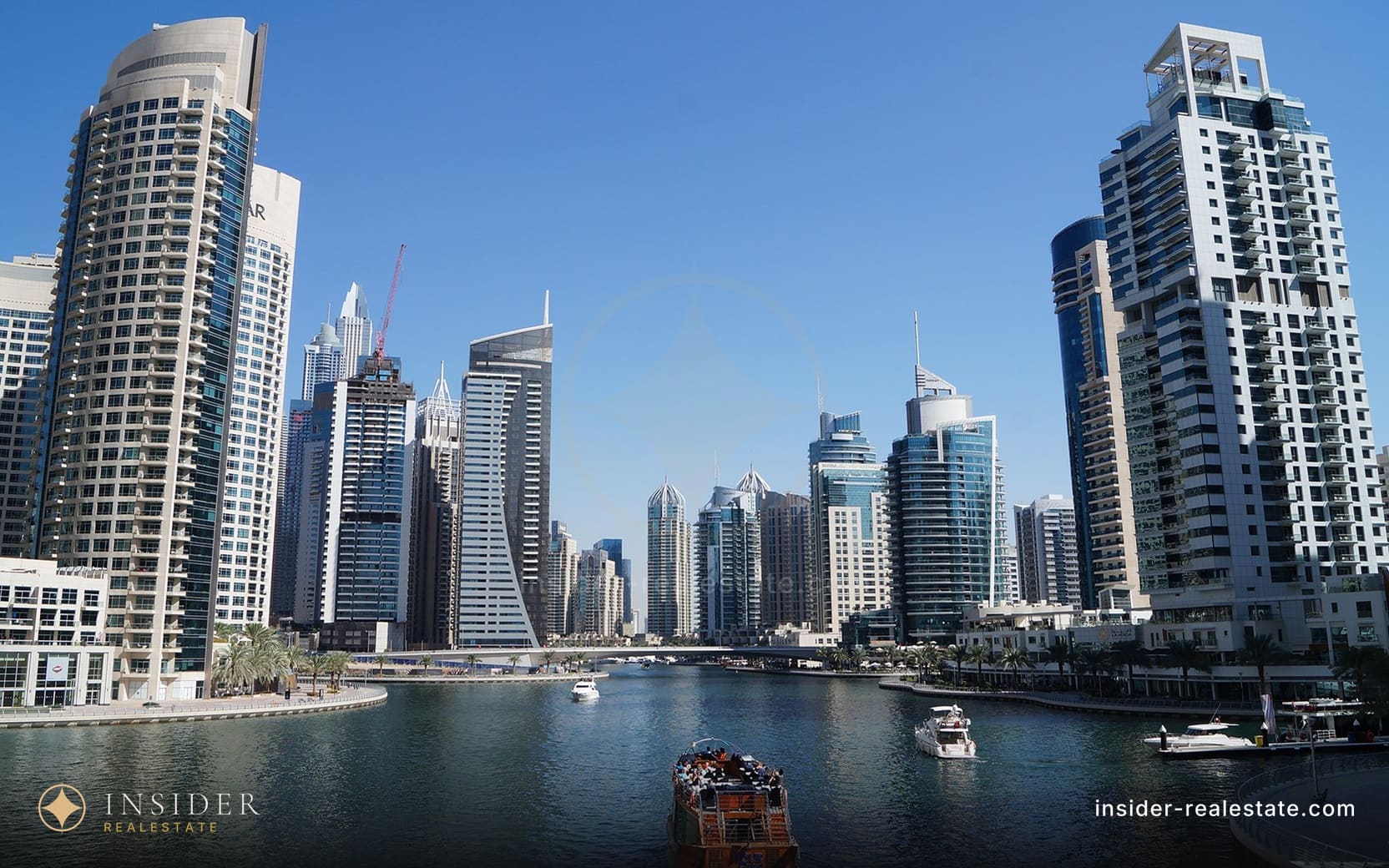
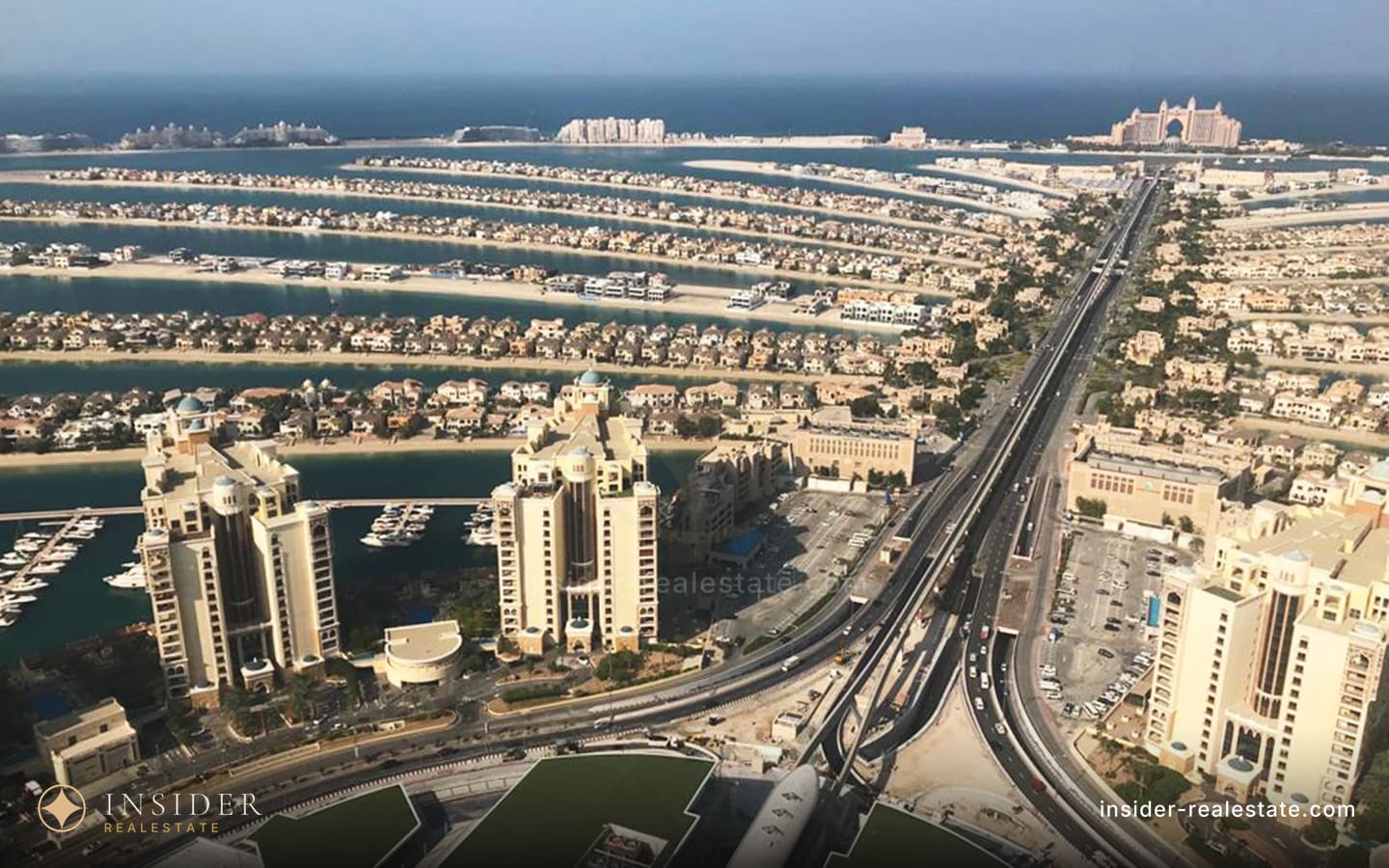
 Photo of the community
 ETA Star
The residential arm of a vast multi-industry conglomerate that grew from a family partnership into a trading and engineering empire over decades — real estate here is just one line of business among automotive, insurance, aviation and industry.
3 lots in stock across 2 projects. Of the 2 with a known status: 2 ready, 0 under construction. By median price — 42nd of 139.
- Engineering quality of building systems
- A Marina or Palm position at resale pricing
- The financial resilience of a large group behind the name
- Not for buyers seeking an active residential pipeline
Median price $926K AED 3 400 000
Entry price $681K AED 2 500 000 — the cheapest lot
Per square foot $545 AED 2 001 / sq.ft, median
Completed stock 100% no discounted lots right now
Where they build
The districts where this developer has the most lots in our stock.
Dubai Marina 2 Palm Jumeirah 1
The company in brief
Checkable facts about the developer itself. Unlike the figures above, these are not about our stock and do not move with what happens to be listed today.
- Group origins
- a partnership formed in 1973 between Al Ghurair Group and the family capital of B.S. Abdur Rahman
- Group scale
- tens of thousands of employees across more than twenty countries, group revenue in the billions of dollars
- Development arm
- ETA Star Property Developers was formed in 2004
- Dubai housing
- 23 Marina in Dubai Marina and Grandeur Residences on the Palm crescent
What kind of developer this is
What it actually is
ETA Star is not a standalone development company but the residential arm of a huge conglomerate that grew out of a partnership between two family businesses back in the 1970s and has since become a structure present in dozens of countries, active in everything from automobiles and industrial manufacturing to insurance, aviation and energy. The development line itself appeared within this structure much later, in the 2000s, as one way to apply the group's accumulated engineering and trading capital.
For a buyer, this means that behind a specific residential building is not a single-focus developer staking everything on one project, but a small part of a far larger and far more diversified structure. Financial trouble in the residential segment does not necessarily mean trouble for the whole group — and equally, the group's scale does not guarantee that the residential line gets top priority within it.
An engineering, not a residential, pedigree
Unlike developers whose core business is residential real estate itself, this group came into development from engineering, industrial contracting and trading. That leaves a visible mark on the product: such companies' strength is usually not marketing or sales but what is hidden behind the walls — building systems, ventilation, the cooling design — which determine the cost of running the building for decades far more than the marble in the lobby.
The flip side of the same origin is that residential development was never the group's central business here — more a logical extension of its engineering and trading competencies into a new market. That is worth knowing upfront: you may not find the kind of dedicated private-buyer service department that developers for whom real estate is the sole business tend to build.
Where and when it built housing in Dubai
Both of the company's residential addresses in Dubai — in the Marina and on the Palm crescent — belong to the same early wave of development in those locations, when the group actively invested accumulated capital into real estate at the peak of Dubai's first construction boom. There have been no notable new residential launches under this name in the city since — the group's interest appears to have shifted back toward its core lines of business.
For today's buyer, both properties are mature buildings with a fully established operating history, not an active pipeline to choose a new phase from. A conversation with this name in the market today is almost always about resale, not off-plan.
What that means for two different locations
The Marina building operates within the logic of a dense, competitive rental and resale market, where the engineering quality of the systems feeds directly into the service charge and, in turn, net yield for a landlord. The Palm building adds costs specific to a beachfront location — island masterplan district charges and heightened facade and engineering maintenance demands from sea air.
In both cases, the developer's engineering pedigree works as an argument for more predictable long-term system behaviour — but that is a hypothesis worth verifying with a technical survey of the specific unit, not taking on trust from the parent group's name.
The resale market
Both addresses have a long, fully registry-verifiable history of sales, rentals and service charges — enough data for an independent valuation, which is a strength of a mature asset in an established location. The weakness is the typical need for major refreshes of some engineering systems in a building this age, which should be assessed separately from the overall price history.
Bank mortgage appetite for properties this age tends to be lower than for new construction, especially for non-resident buyers, and that is worth confirming at the start of a deal, not after the price has been agreed.
How I work with its properties
For any building from this developer, I first look at what is hidden behind the walls — a technical survey covering plant rooms, chillers and pump stations, because that is where the group's claimed strength should show up in execution quality, not in the finishes or the lobby. From there I pull several years of service-charge history and owners' association minutes.
For the Palm property specifically, I separately check the masterplan district charges on top of the building's own service charge, and beach-infrastructure access, which often runs as a separate line item and is not included in the first figure a seller quotes.
Projects by ETA Star
All projects →ETA Star listings in stock
All stock →What these numbers mean, and what they do not
There is no “developer” column in the base — a lot is attributed by its project name. The figures on this page speak about our stock, not about the company’s share of the Dubai market: a large developer with a big completed portfolio may appear smaller than one whose units come up for resale more often.
Prices come from listings, not from closed deals. For a particular building I retrieve the registered Land Department sales and show the real closing prices.
Video
ETA Star on video
Project breakdowns from the English channel. Every clip has a written version on a page of its own.


In the news
ETA Star: an engineering group that built apartments
The property arm of a large regional engineering and contracting group, with towers in the Marina and on the Palm. What an engineering parent means in a delivered building.
Other developers
All developers → Questions
ETA Star: questions and answers
How much does a ETA Star apartment cost?
The median across this developer's lots in our stock is $926K (AED 3 400 000), with entry from $681K. The median per square foot is $545. The figures come from asking prices in our base, not from the ETA Star price list, and they are recalculated nightly to reflect what is actually for sale today.
What projects is ETA Star building?
Above on this page: 2 projects by ETA Star from our catalogue, each with a passport covering floors, units, handover and bedrooms. The districts holding most of its lots are grouped under “Where they build”. Lots on sale, when there are any, sit right under the project.
Should I buy from ETA Star direct or through a broker?
Money-wise there is no difference: on off-plan the broker is paid by ETA Star, not by you, so calling the sales office direct saves nothing. What differs is the view — the developer’s sales team sells only its own buildings and will not mention that the same unit costs less next door or that this project hands over later. On resale and assignment the commission is the usual 2% plus VAT.
Is ETA Star worth buying
It depends what you are buying and why. Send me your budget and the job it has to do — I will tell you which of this developer's projects make sense right now and which I would walk past.
Ask on WhatsAppAsk a question
Telegram is the fastest way — I answer personally.
Message on Telegram