
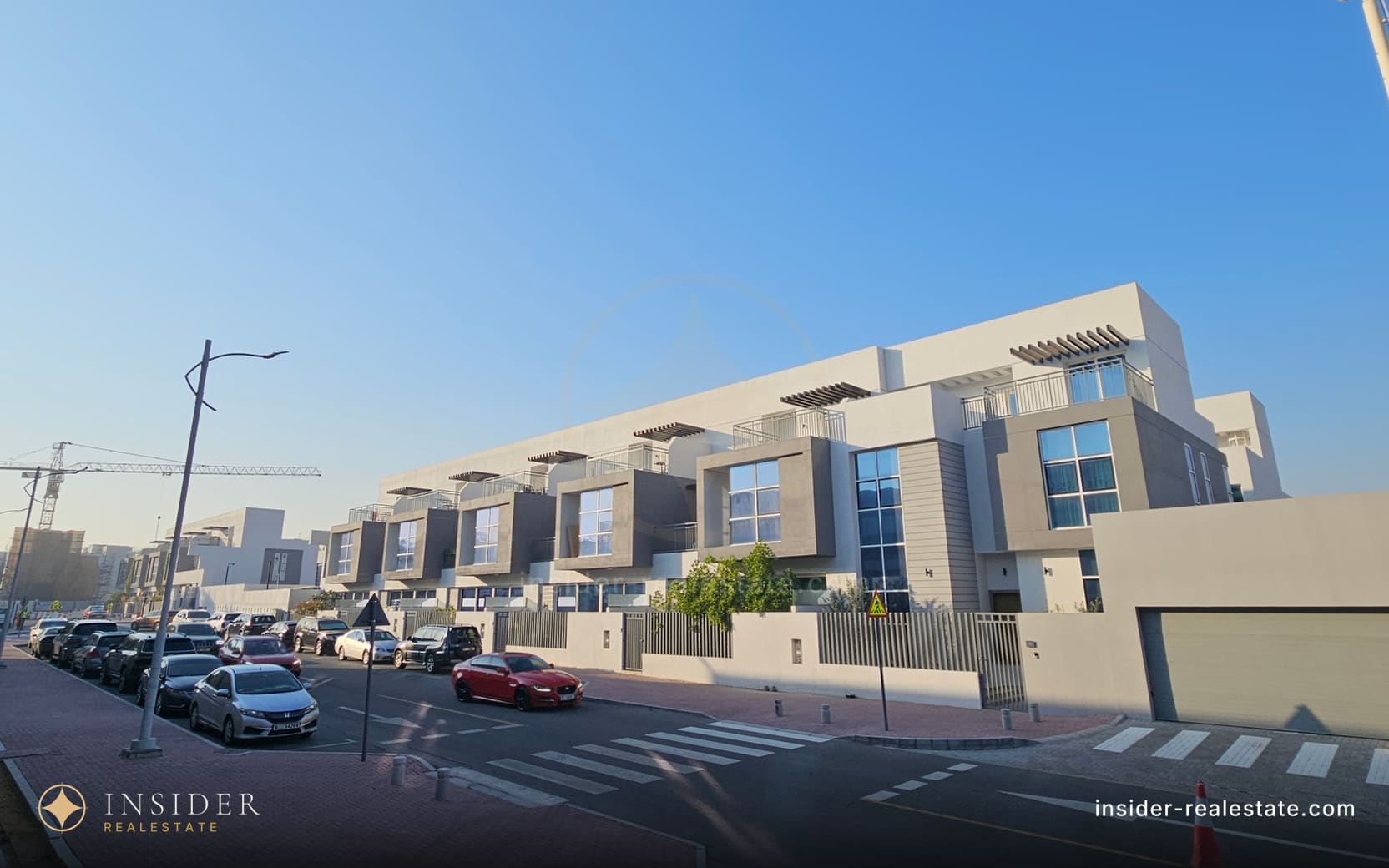
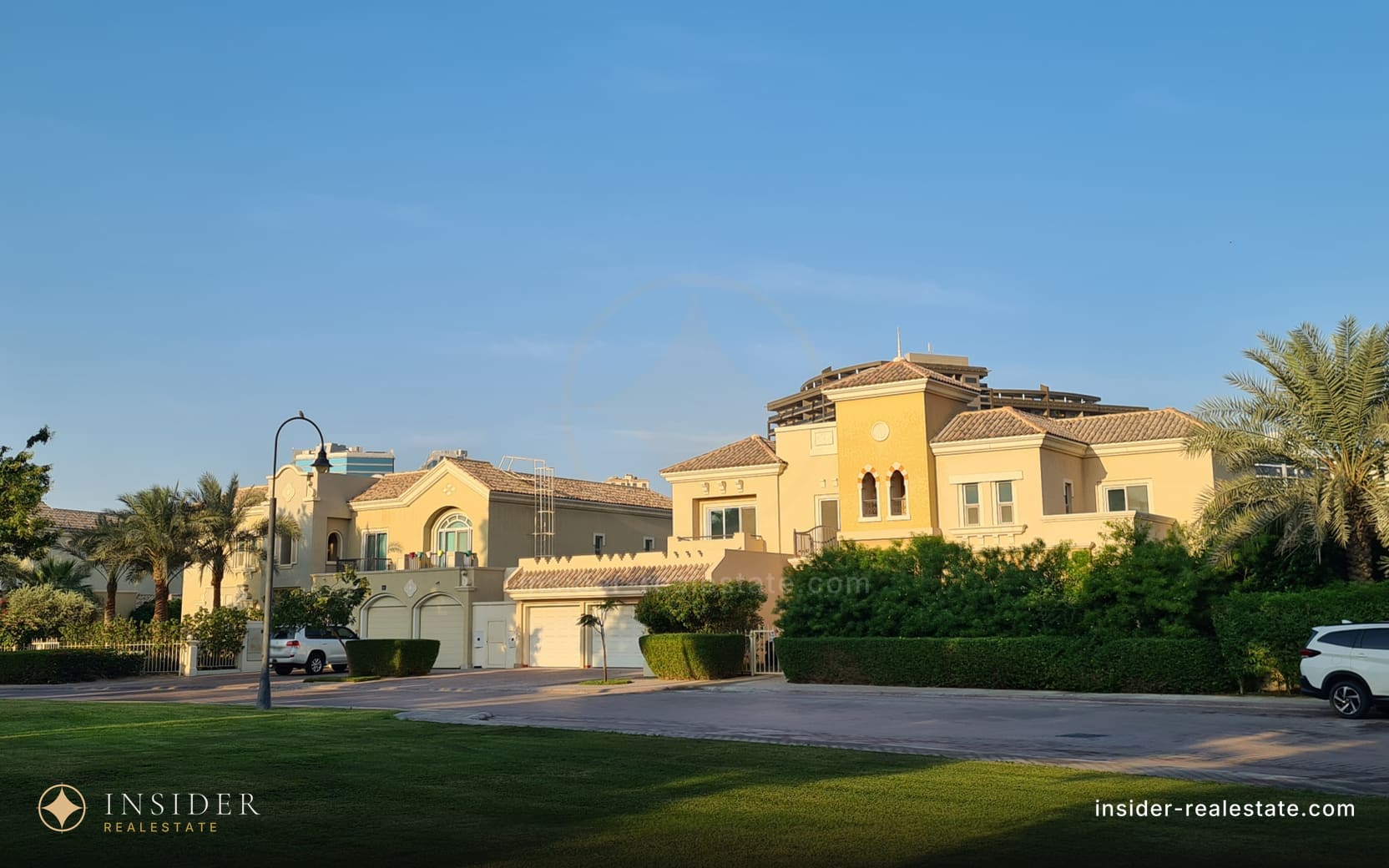
 Illustrative photo
 Dubai Sports City
A master developer that built an entire district around stadiums, sports academies and a golf course — and now that the theme is background to daily life for thousands of residents rather than a launch pitch, the district itself answers the question worth asking about any themed project: does the theme still matter once people have actually moved in.
1 lot in stock across 1 project. Of the 1 with a known status: 1 ready, 0 under construction. By median price — 138th of 139.
- Space and a lower entry price
- Rental investors who want a checkable history
- A home next to a golf course
- Buyers unbothered by event-day traffic
Median price $163K AED 600 000
Entry price $163K AED 600 000 — the cheapest lot
Completed stock 100% no discounted lots right now
Where they build
The districts where this developer has the most lots in our stock.
Dubai Sports City 1
The company in brief
Checkable facts about the developer itself. Unlike the figures above, these are not about our stock and do not move with what happens to be listed today.
- Founders
- Abdul Rahim Al Zarooni and Abdulrahman Falaknaz
- Format
- master developer of an entire themed district — stadiums, sports academies, retail and residential clusters
- Portfolio
- Canal Residence West Arabian Building, Victory Heights and other residential clusters around the sports infrastructure
What kind of developer this is
Who they are
Dubai Sports City was founded by Abdul Rahim Al Zarooni and Abdulrahman Falaknaz as the master developer of an entire themed district, rather than as a conventional single-building developer. The idea was ambitious for its time: bring together international sports academies, stadiums and a golf course in one place, and build housing around that infrastructure for people to whom sport is a lifestyle rather than a weekend hobby.
As master developer the company is responsible for infrastructure, roads, zoning and the district's overall framework, but it did not personally build every home inside it — individual clusters were developed by different companies licensed to build within the masterplan, worth remembering when judging a specific building rather than the district as a whole.
What they built
Beyond the sports infrastructure itself — an international stadium, a cricket stadium, sports academies and a golf course — the portfolio includes residential clusters such as Canal Residence West Arabian Building and Victory Heights, built as villas and townhouses around the course fairways. The layout was designed so part of the housing looks directly onto the golf course's green rather than onto neighbouring buildings.
The district is now mature enough to have a genuine operating history: its earliest phases were occupied years ago, and real rental and maintenance statistics have accumulated around them — something any new themed project entering the market simply does not have yet.
How themed districts age
The theme brings in the first residents and gives a district a recognisable face while it fills up — that is its main job at launch. Ordinary life takes over after that: a few years in, most people live there for the price, the space and the commute rather than the theme, and the district is better judged as an ordinary residential address than as an attraction. The infrastructure itself simply becomes a neighbour: what read as a landmark on the masterplan reads as traffic, parking and noise on the day of a big match.
Not every part of the theme ages the same way. The golf course is permanent greenery and a permanent view premium that does not fade with time, unlike the novelty of the concept itself. Other sports facilities simply become part of the district's everyday background, neither adding to nor subtracting from its value beyond practical proximity.
The practical advantage of a mature district
Buying here today differs from buying at launch in exactly the way it should: real rental rates gathered over years rather than a projection from a brochure, and a real service-charge history for each building rather than a promise of a 'comfortable' fee. Buildings you can already walk into and see how the earliest phases have aged are the most honest forecast available for the district's newer clusters.
A separate practical advantage is a visible tenant profile: in an established district you can see who actually lives there, unlike the target-audience sketch drawn up during the sales phase. For an investor that means a decision can be made on data rather than marketing positioning.
What to check
The specific building's developer and its reputation, separately from the district's overall name — companies of varying quality have worked within a masterplan this size, and the Dubai Sports City name alone does not guarantee identical quality across every building. Service-charge history and, for older buildings, the reserve fund and owners' association minutes should be pulled for the specific address.
Proximity to sports facilities and the events calendar should be assessed street by street rather than for the district as a whole: the gap in noise and traffic load between a block next to the stadium and one next to the golf course is significant. Peak-hour road conditions and the routes out to the highways are also worth checking — they matter more here, on Dubai's periphery, than in the city's central clusters.
Who this suits, and how it differs from neighbouring districts
A sports-themed district does not compete for buyers with central Dubai clusters but with other peripheral communities at a similar entry price, and it wins against them on exactly what it should — space, a golf course as a permanent view, and an established, checkable track record rather than a billboard promise. Anyone who wants a prestige central address rather than more space for reasonable money should not be looking here at all — these are different products for different goals.
The event-day traffic some buyers see as a downside is an upside for another group entirely: a home overlooking the stadium or near an academy suits people who play sport themselves or take their children there, not just those letting the unit out. Knowing which of these two groups a given client belongs to decides whether the district is even worth considering, before the conversation about a specific building ever starts.
Projects by Dubai Sports City
All projects →Dubai Sports City listings in stock
All stock → Illustrative photo What these numbers mean, and what they do not
Lots are matched to Dubai Sports City by project name, since the base has no developer field. The numbers above therefore describe our stock rather than the company’s market share: a developer with a large completed portfolio can show fewer lots than one whose buildings are resold more often.
All prices are asking prices, not sales. For the building you pick I pull the registered Land Department transactions and show the prices deals really closed at.
Video
Dubai Sports City on video
Project breakdowns from the English channel. Every clip has a written version on a page of its own.
Full reviews


In the news
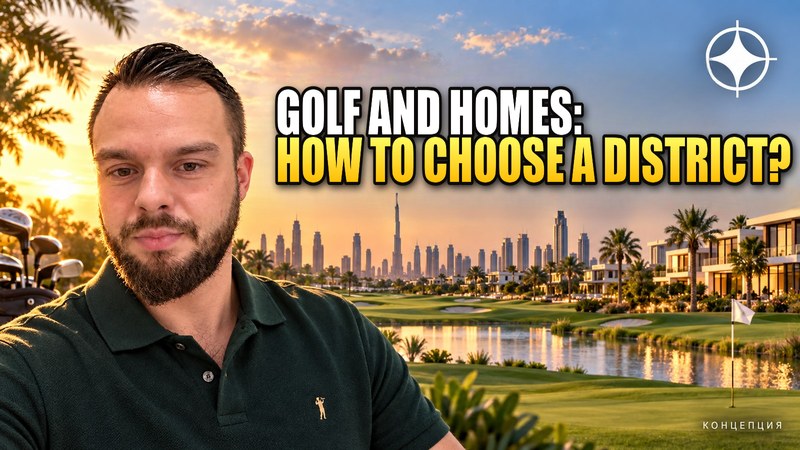
Dubai golf clubs and the communities around them: seven courses, and where to buy a home by the fairway
Emirates Golf Club, Montgomerie, Dubai Creek, The Els Club, Dubai Hills, Arabian Ranches and Jumeirah Golf Estates: when each opened, who designed it and which communities surround it. A buyer's guide for people choosing the home, not the membership.
Dubai Sports City rentals: academies and schools as the anchor of tenant demand
In a district of stadiums, academies and a golf course, housing demand comes not from spectators but from the people who train and study here.
Dubai Sports City: what a themed district looks like fifteen years on
A master development built around sports venues and academies. Themed districts age in a specific way, and this one is old enough to show how — which makes it unusually easy to assess.
Other developers
All developers → Questions
Dubai Sports City: questions and answers
How much does a Dubai Sports City apartment cost?
The median across this developer's lots in our stock is $163K (AED 600 000), with entry from $163K. The figures come from asking prices in our base, not from the Dubai Sports City price list, and they are recalculated nightly to reflect what is actually for sale today.
Is Dubai Sports City a reliable developer?
Delivered: Canal Residence West Arabian Building, Victory Heights and other residential clusters around the sports infrastructure. A developer is checked against the Land Department’s open register rather than a brochure: it shows the licence status, the construction progress of each project and the registered escrow account. On off-plan the buyer’s money goes into that account under RERA supervision and is released against verified milestones. The full dossier is in the write-up above.
What projects is Dubai Sports City building?
Our catalogue holds 3 projects by this developer, each with a building passport: storeys, unit count, handover date, the mix of bedrooms. The list is on this page, and the districts where the developer has the most lots in stock are in the “Where they build” block. Under each project sit the lots on sale, where there are any.
Should I buy from Dubai Sports City direct or through a broker?
Money-wise there is no difference: on off-plan the broker is paid by Dubai Sports City, not by you, so calling the sales office direct saves nothing. What differs is the view — the developer’s sales team sells only its own buildings and will not mention that the same unit costs less next door or that this project hands over later. On resale and assignment the commission is the usual 2% plus VAT.
Is Dubai Sports City worth buying
That depends on what you buy and why. Describe the budget and the aim — I will point out which of this developer’s buildings are justified today and which are better left alone.
Ask on WhatsAppAsk a question
Telegram is the fastest way — I answer personally.
Message on Telegram