
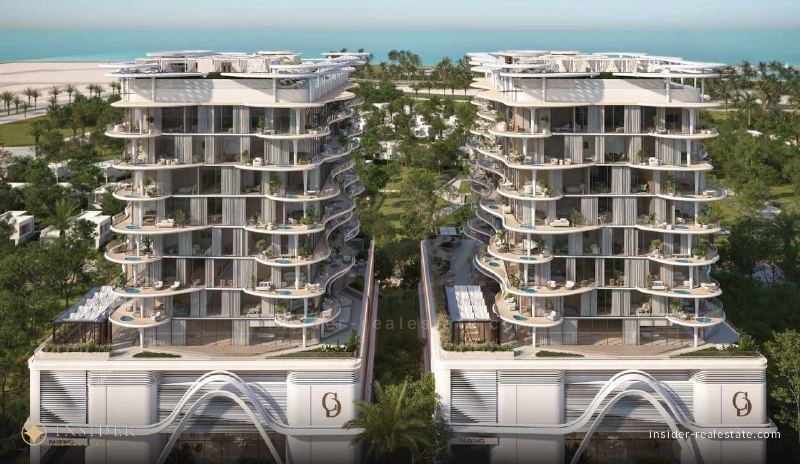
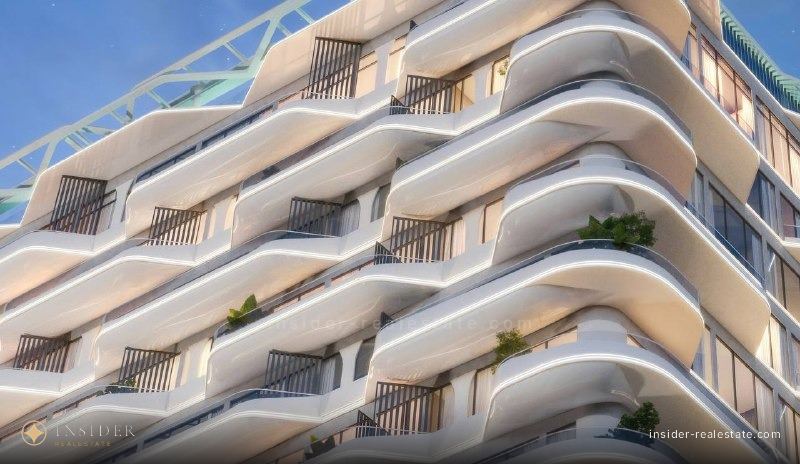
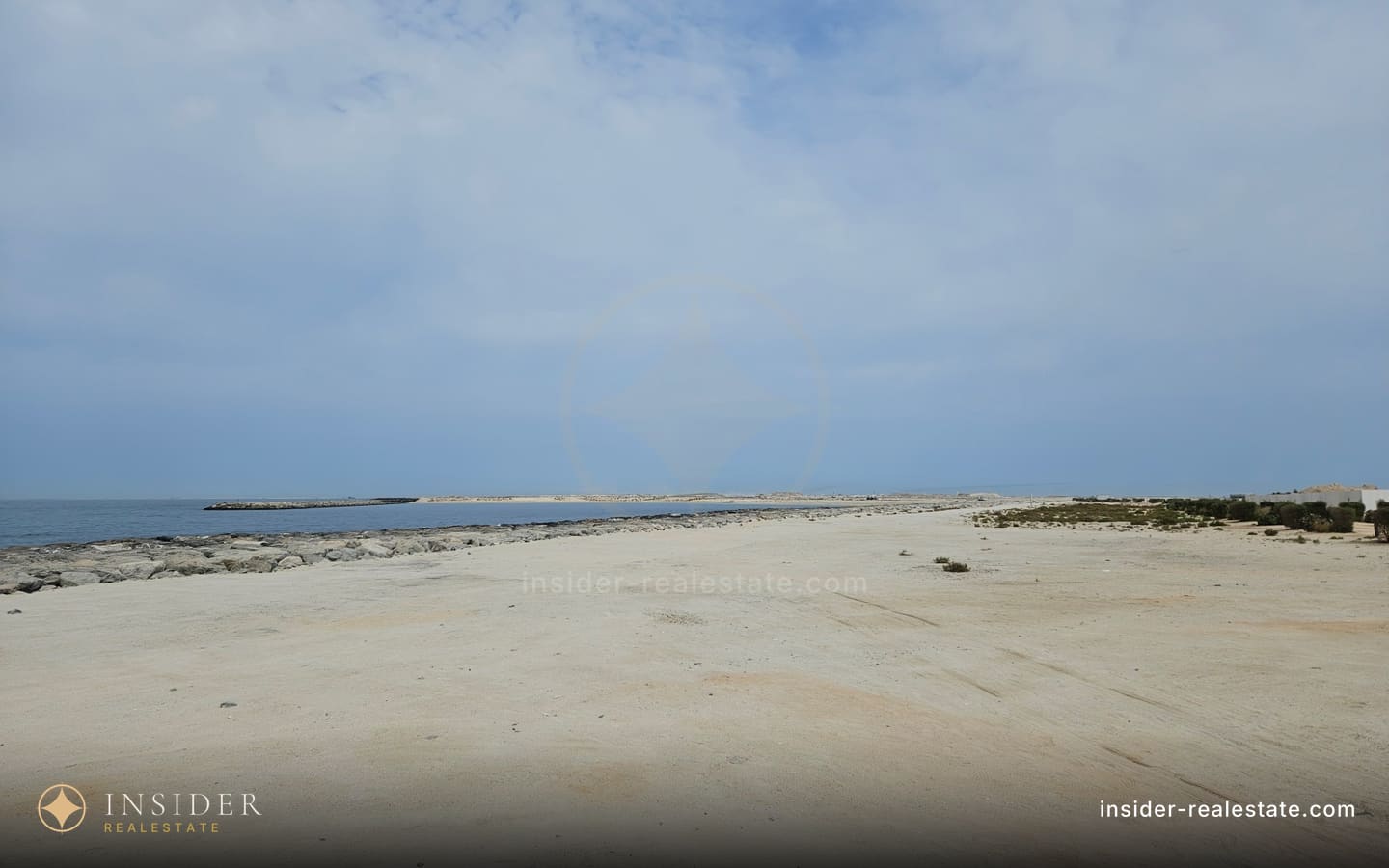
 Photo of the community
 Citi Developers
A boutique developer that grew from one successful JVC project into a flagship tower on Dubai Islands, a new man-made archipelago where, in the founder's own words, the company is betting on lifestyle and feeling rather than sheer volume.
1 lot in stock across 1 project. Of the 1 with a known status: 0 ready, 1 under construction. By median price — 49th of 139.
- Buyers entering Dubai Islands at an early stage of its development
- Design-led luxury focused on detail rather than scale
- Highly tech-enabled apartments, from AI assistants to private rooftop pools
Median price $776K AED 2 850 000
Entry price $776K AED 2 850 000 — the cheapest lot
Per square foot $611 AED 2 244 / sq.ft, median
Completed stock 0% no discounted lots right now
Where they build
The districts where this developer has the most lots in our stock.
Dubai Islands 1
The company in brief
Checkable facts about the developer itself. Unlike the figures above, these are not about our stock and do not move with what happens to be listed today.
- First breakout project
- Aveline Residences in JVC
- Flagship project
- Arya Residences on Dubai Islands — a waterfront project with a private rooftop pool for every unit
- Second archipelago project
- Agua Residences, also on Dubai Islands
- Leadership
- CEO Zoraiz Malik, who publicly frames the brand around design and feeling rather than investment yield alone
What kind of developer this is
Who they are, and how they grew into a flagship project
Citi Developers followed a path typical of a growing boutique developer: a first notable project in the residential district of JVC, where the company built its name and proved it could deliver, followed by a move into a more ambitious format on new ground. Dubai Islands is a man-made archipelago being built up from scratch, and entering at this early stage is a statement of ambition beyond a niche, single-district boutique builder.
This growth path from one successful project to a flagship is common for mid-sized Dubai developers, but it deserves its own scrutiny: delivering one JVC project does not automatically mean the company can handle a more complex, capital-intensive waterfront project on new terrain with a different engineering profile.
Positioning: design and feeling, not just yield numbers
In public statements, leadership emphasises the product's emotional dimension over investment metrics — feeling and atmosphere rather than just square footage and yield. On a market where most marketing material centres on price growth percentages and rental returns, that emphasis is a notable departure, aimed more at an end-user buyer than a pure investor.
In practice this shows up as attention to interior detail and tech features — from carefully designed common areas to options unusual for the mass market, like personal AI assistants in the residences. These details support a premium brand perception, but their real value to an owner is worth assessing separately from the marketing pitch.
Dubai Islands is new ground, not an established district
Dubai Islands is a relatively new archipelago, and buying here at an early stage differs from buying in an established district like the Marina or Palm Jumeirah: some infrastructure is still forming, and transport access and retail development on the archipelago will build out gradually rather than exist ready-made from the day the first building is handed over. For a buyer that means upside as the archipelago develops, but also uncertainty about how quickly and in what form that infrastructure actually materialises.
A private rooftop pool for every unit is a rare feature even in Dubai's premium segment, and it raises its own maintenance questions: structural load, waterproofing and upkeep of dozens of separate pools spread across different floors is a more complex engineering task than a single shared rooftop pool for the whole building.
How it differs from other waterfront luxury developers
Most waterfront luxury projects in Dubai — on the Palm, in the Marina, on new reclaimed land — compete on water views and a well-known architect's name. Citi has taken a more personal approach: not just a view, but a stated philosophy of 'creating feelings, not buildings,' voiced by a named founder, which sits closer to a boutique-hotel brand than to typical corporate development.
The risk of this positioning is that it is tied to one person and their reputation more tightly than for a large corporate developer with distributed leadership: the departure of a key figure or a change in company strategy could affect the brand more visibly than it would for a developer with a more conventional corporate structure.
What to check before buying
First, the actual state of Dubai Islands infrastructure at the time your building is handed over, not the archipelago's multi-year masterplan: transport access and neighbouring development at an early stage can look quite different from the finished picture in the sales presentation. Second, the technical details of maintaining private rooftop pools: who is responsible for waterproofing and repairs, whether it is included in the service charge, and how liability is split between owner and association.
Third, this specific developer's track record on its previous JVC project: how quickly it was delivered, whether there were delays, and how the company handled buyers when problems arose. This check matters more than usual when a developer is stepping up to a bigger, more complex next project.
Projects by Citi Developers
All projects →Citi Developers listings in stock
All stock → Photo of the community What these numbers mean, and what they do not
Lots are matched to Citi Developers by project name, since the base has no developer field. The numbers above therefore describe our stock rather than the company’s market share: a developer with a large completed portfolio can show fewer lots than one whose buildings are resold more often.
All prices are asking prices, not sales. For the building you pick I pull the registered Land Department transactions and show the prices deals really closed at.
Other developers
All developers → Questions
Citi Developers: questions and answers
How much does a Citi Developers apartment cost?
The median across this developer's lots in our stock is $776K (AED 2 850 000), with entry from $776K. The median per square foot is $611. These are asking prices out of our own base, recalculated every night; they follow what the developer and its sellers actually have on the market, not the price list on a corporate site.
What projects is Citi Developers building?
The site catalogue covers 2 projects by Citi Developers, each with a building passport — storeys, units, handover date and bedroom mix. They are listed above, and the “Where they build” block shows the districts with the most of its lots. Any lots on sale appear directly beneath their project.
Should I buy from Citi Developers direct or through a broker?
Money-wise there is no difference: on off-plan the broker is paid by Citi Developers, not by you, so calling the sales office direct saves nothing. What differs is the view — the developer’s sales team sells only its own buildings and will not mention that the same unit costs less next door or that this project hands over later. On resale and assignment the commission is the usual 2% plus VAT.
Is Citi Developers worth buying
It depends what you are buying and why. Send me your budget and the job it has to do — I will tell you which of this developer's projects make sense right now and which I would walk past.
Ask on WhatsAppAsk a question
Telegram is the fastest way — I answer personally.
Message on Telegram