
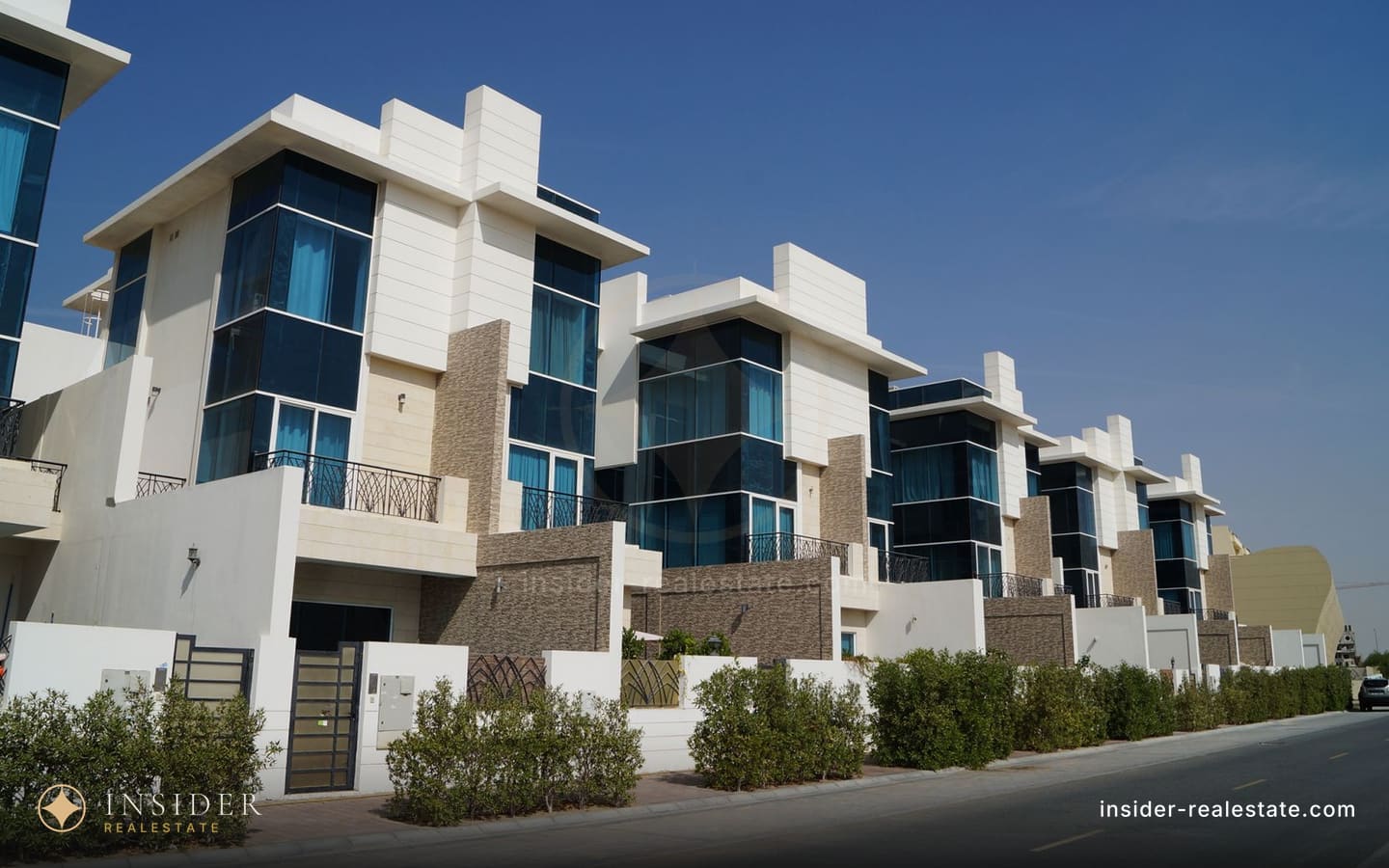
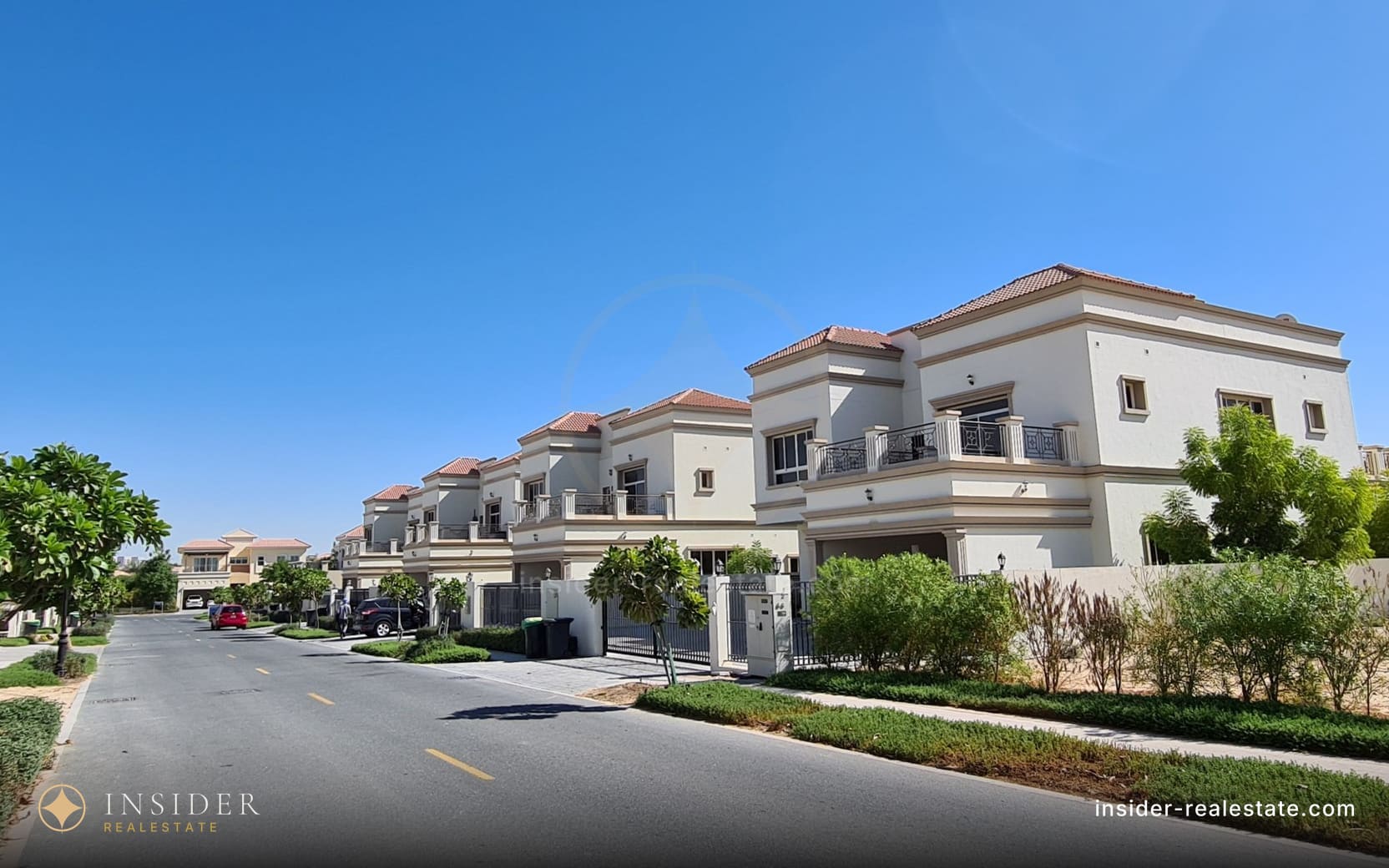
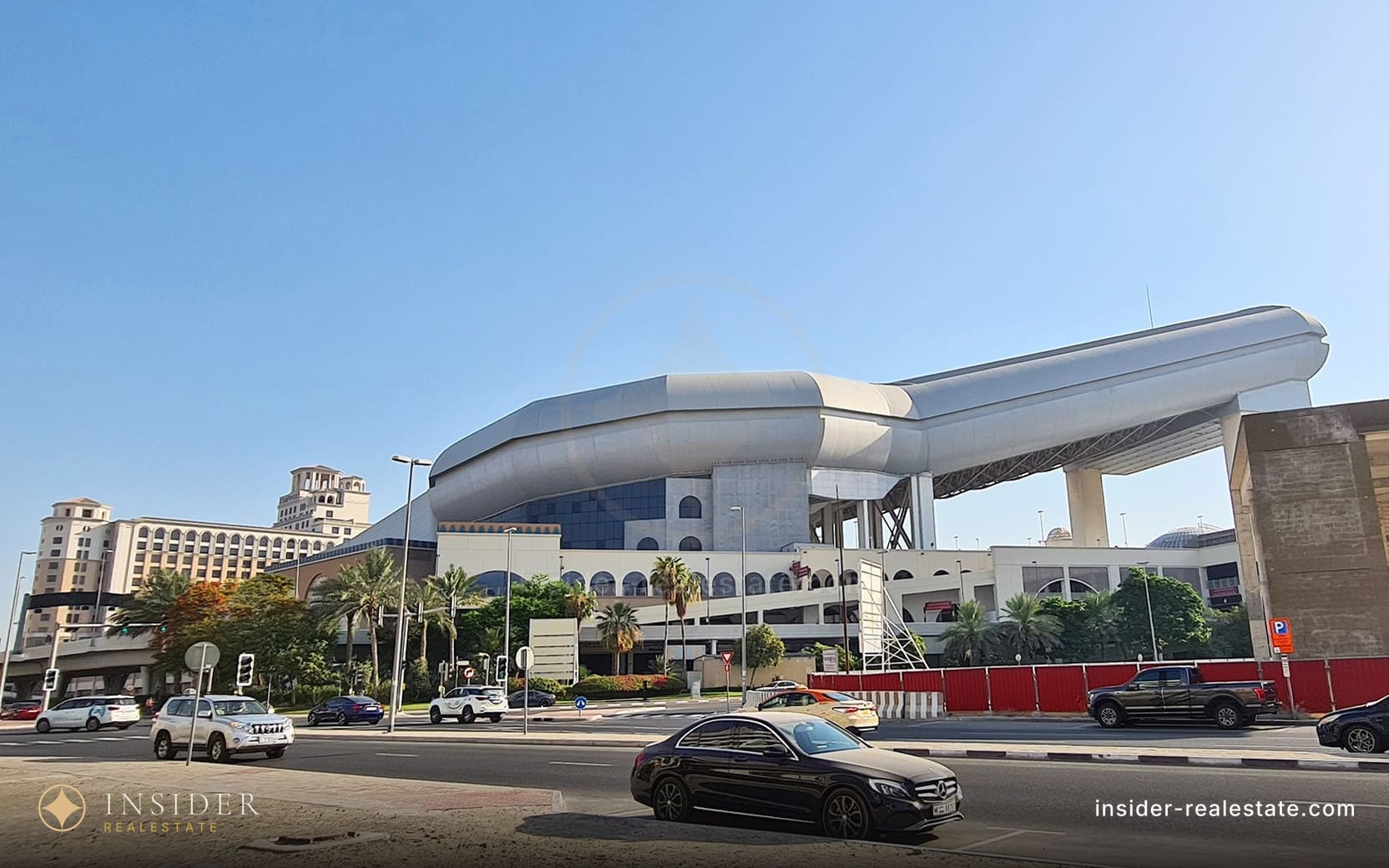
 Photo of the community
 Arabian Gulf Properties
A small independent developer of a single JVC building, with a weight nowhere near Emaar's or Nakheel's — and that is exactly why the service charge, not the name on the banner, ends up the largest figure in the whole deal over a multi-year hold.
1 lot in stock across 1 project. Of the 1 with a known status: 0 ready, 1 under construction. By median price — 80th of 139.
- A compact JVC unit at mid-market pricing
- A buyer willing to check the association's budget personally
- A long let with no claim to address status
- Not for someone who judges a developer by scale
Median price $487K AED 1 790 000
Entry price $487K AED 1 790 000 — the cheapest lot
Per square foot $401 AED 1 471 / sq.ft, median
Completed stock 0% no discounted lots right now
Where they build
The districts where this developer has the most lots in our stock.
Al Barsha 1
The company in brief
Checkable facts about the developer itself. Unlike the figures above, these are not about our stock and do not move with what happens to be listed today.
- Project
- Parkwood Residences — the developer's only known project
- Specs
- 5 storeys, 170 units, per the project record — studios and one- to three-bedroom units
- Location
- Jumeirah Village Circle
What kind of developer this is
Who this is, and how to size up a developer this small
Arabian Gulf Properties is a small independent developer with a single known project, and by any objective measure its weight in the market does not compare with a major player like Emaar or Nakheel. That is not a verdict on the specific building's quality, but an honest starting point: a company this size has no long public delivery history to lean on, and the track record needs to be checked directly rather than assumed by analogy with better-known names.
With a single project, the developer's entire reputation sits in one building, which simultaneously simplifies and complicates due diligence: it simplifies it because there is only one building to examine rather than a portfolio to sample from; it complicates it because there is simply no backup example for comparison.
The service charge is the largest figure over a hold
Dubai has no property tax, and the service charge partly fills that role — but it is a budget, not a fixed price: the building's management draws up an annual budget for upkeep, cleaning, security, insurance, cooling infrastructure and reserve-fund contributions, and splits it among owners by area. Over a multi-year hold, this figure, not the one-off purchase price, most often turns out to be the largest expense line.
The reserve-fund contribution is the most important part in the long run: it funds lifts, chillers, facade and roofing years ahead. A building with a thin reserve is not cheaper to run — it is simply deferring the cost, and sooner or later it lands on owners as a dedicated special assessment.
What to check on this line specifically before buying
The service-charge figure per square foot per year and its trend over several years, not just the current value at the time of viewing. A budget breakdown, not the total: which line items are large and why, rather than just the bottom line. The reserve fund balance relative to the building's age, and whether it covers upcoming major works.
Other owners' arrears — in a small building, a few non-payers noticeably affect what everyone else actually funds, so ask what share of the charge is actually collected, not just what is billed. Comparable buildings of the same size nearby will show what this specific building's amenities actually cost annually.
If the charge looks inflated
Attend the owners' general assembly — most owners do not, and decisions get made by the few who show up; it is the cheapest and most effective step, and almost no one takes it. Request the audited accounts and the budget breakdown — owners are entitled to see how their money is spent, and this is a standard request, not an exceptional one.
Dispute specific line items with a comparison against similar buildings, rather than the total figure as a whole — you can argue with a specific number, not with a general feeling that it is 'expensive'. A management or cleaning contract can be renegotiated on different terms; arguing with the fact of a charge itself gets nowhere, arguing with a specific service provider can.
Why this is sharper in a small building
In a building of a couple of hundred units, costs are split among a relatively small number of owners: every fixed budget line weighs more per unit than in a large tower with a thousand units, one non-payer matters visibly more, and a major repair hits each owner harder. This is a structural feature of small buildings regardless of the developer, not something specific to this project.
The offsetting advantage is real: with fewer owners, general assemblies find quorum more easily and decisions get made faster than in a building with a thousand owners, where organising a vote is a challenge in itself. That is an advantage, but it has to be used — it does not work on its own without owners actually showing up.
How I work with this property
I start by requesting the association's budget breakdown and the reserve fund balance — for a small developer's building with no long public track record, that tells you more than any conversation about the company's reputation. Next I compare the charge per square foot against comparable buildings of the same size in JVC, to see whether the level of upkeep is justified by the building's actual amenities.
I separately ask the client whether they are willing to personally attend the association's general assemblies if they buy here — in a building this size, turnout genuinely shapes maintenance decisions, and that is worth discussing before buying, not after the first unpleasant bill.
Projects by Arabian Gulf Properties
All projects →Arabian Gulf Properties listings in stock
All stock → Photo of the community What these numbers mean, and what they do not
The developer is inferred from the project name — there is no developer column in the base. So the figures describe our stock, not the company's share of the Dubai market: a developer sitting on an enormous volume of completed housing can look smaller here than one whose projects reach the resale market more often.
These are asking prices, not closed transactions. For a specific building I pull the registered Land Department sales and show where deals actually closed.
In the news
Arabian Gulf Properties: the service charge, and what to do when you disagree with it
A developer building a small residential project in JVC. The service charge is the largest recurring cost of owning in Dubai — and it is regulated, budgeted and challengeable.
Other developers
All developers → Questions
Arabian Gulf Properties: questions and answers
How much does a Arabian Gulf Properties apartment cost?
The median across this developer's lots in our stock is $487K (AED 1 790 000), with entry from $487K. The median per square foot is $401. These are asking prices out of our own base, recalculated every night; they follow what the developer and its sellers actually have on the market, not the price list on a corporate site.
What projects is Arabian Gulf Properties building?
Above on this page: 2 projects by Arabian Gulf Properties from our catalogue, each with a passport covering floors, units, handover and bedrooms. The districts holding most of its lots are grouped under “Where they build”. Lots on sale, when there are any, sit right under the project.
Should I buy from Arabian Gulf Properties direct or through a broker?
The price is the same: on off-plan the developer pays the broker’s commission, not the buyer, so going straight to the sales office saves nothing. The difference is elsewhere — a developer’s sales office shows its own projects only, and will not tell you that the same thing next door is cheaper or that this project is running later than advertised. On resale and assignment the commission is the standard 2% plus VAT.
Is Arabian Gulf Properties worth buying
The answer depends on the purpose. Send your budget and goal — I will go through which Arabian Gulf Properties projects are worth considering now and which I would skip.
Ask on WhatsAppAsk a question
Telegram is the fastest way — I answer personally.
Message on Telegram