
One developer, 28.5% of the market: what concentration costs and what it buys
Almost every third dirham spent on Dubai property in March 2026 went into one company’s projects. Concentration rose not because the leader improved but because the buyer got cautious.
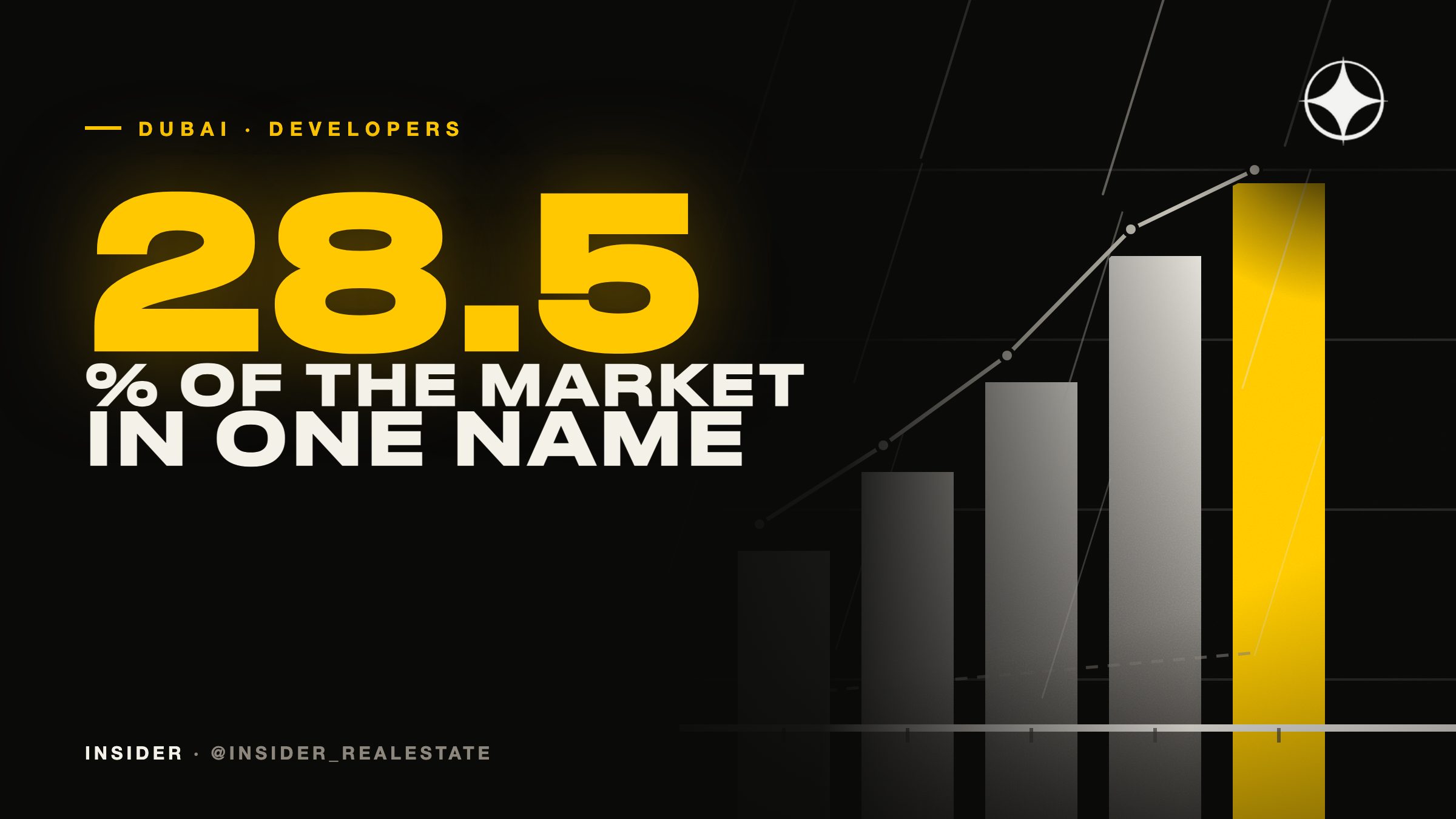
March 2026 on the Dubai market: total transaction volume AED 21.5bn, of which AED 6.13bn was the share of one largest developer. That is 28.5% of the whole market.
What that concentration means
Almost every third dirham spent on property in the emirate that month went into one company's projects. For a market with hundreds of active developers that is a very high share, and it is explained by buyer behaviour in an uncertain phase.
The mechanics are simple
When a market is rising, a buyer readily buys from a little-known developer: the price is lower, the payment plan softer, and the risk feels theoretical. When the market slows and delivery becomes the question, that same buyer overpays for a name — because a name means completed projects, financial strength and a reputation the company will not risk.
Talk to a licensed broker: 📲 +971 50 120 32 64 on WhatsApp, @dubai_oleg on Telegram
So concentration grows not because the leader got better but because the buyer got more careful.
The useful side
- Predictability. A large player has a delivery history from which real delay can be estimated.
- Resale liquidity. A property by a known developer is easier to sell: the buyer does not need it explained who that is.
- Community infrastructure quality, because a large developer builds the whole district rather than a single block.
The other side
- The premium for the name is already in the price. You are paying for reliability, and on the upside that caps the return.
- Portfolio uniformity across the market. If a large share of what is under construction belongs to one player, their delivery schedule affects supply across the whole city.
- Less room to negotiate: a leader rarely gives individual terms.
The practical conclusion: the developer's name is a legitimate selection criterion but not the only one. Location, payment plan and price per square foot stay exactly where they were.
Video on this topic
The same subject on the English channel — each clip has a written version of its own.


In the news
Other write-ups on the site about the same thing.

A developer share index is not house prices: how not to confuse two markets
When the index falls, headlines turn it into “the Dubai property market is falling”. In some weeks of 2026 the index dropped 17% — and not one apartment moved by 17%.
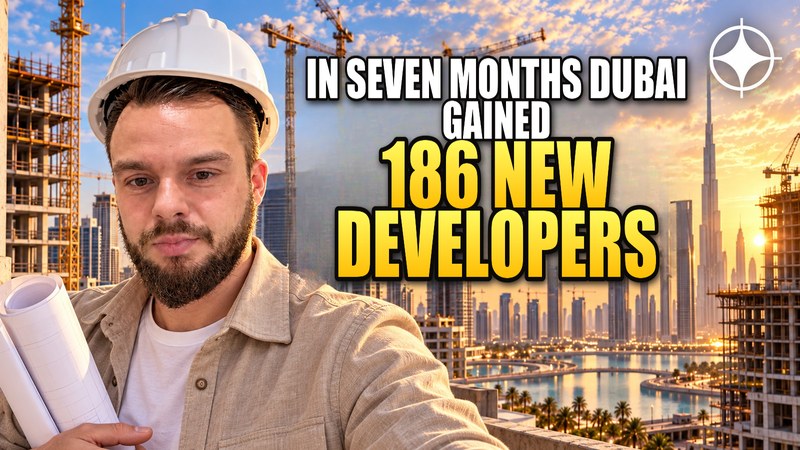
186 new developers appeared in Dubai in seven months — about 25 a month
The inflow makes sense from the developer’s side. From the buyer’s side it says the opposite thing, and a licence in the Land Department register is not the answer to it.
The largest Dubai developer’s revenue rose 65% in a half-year
A developer’s financial statements are not obvious reading for an apartment buyer, but they answer the main question: will the company finish what you are paying for?

Almost half the projects due that quarter were handed over late
A quarter of 2023 is useful not for its records but for one number reported less often — and it is the number that makes the choice of developer matter more than the choice of layout.
The developer raised the price the day before signing: how that risk works
A broker and a developer had agreed a specific unit, the buyer had confirmed and sent documents, the deposit meeting was booked. The day before, the price went up. Why this happens with new entrants, and how to close the gap.
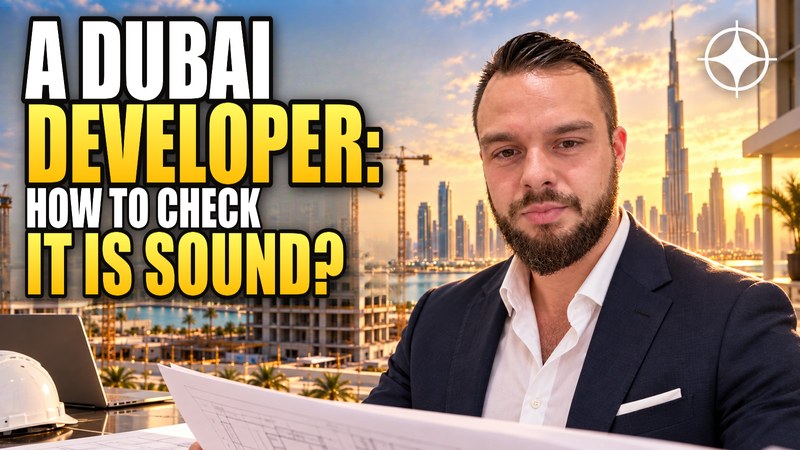
Land Department registration does not make a developer reliable: eight questions first
Every developer selling off-plan in Dubai has a registration and an escrow account. That is not an achievement, it is the condition of entry — and buyers read it as a guarantee.