
Binghatti: a recognisable facade, a short build cycle, and what that costs
A family developer that became the second largest by project count in Dubai. The model behind the architecture — concentration in a few districts, fast delivery, branded collaborations — and what a buyer should check.
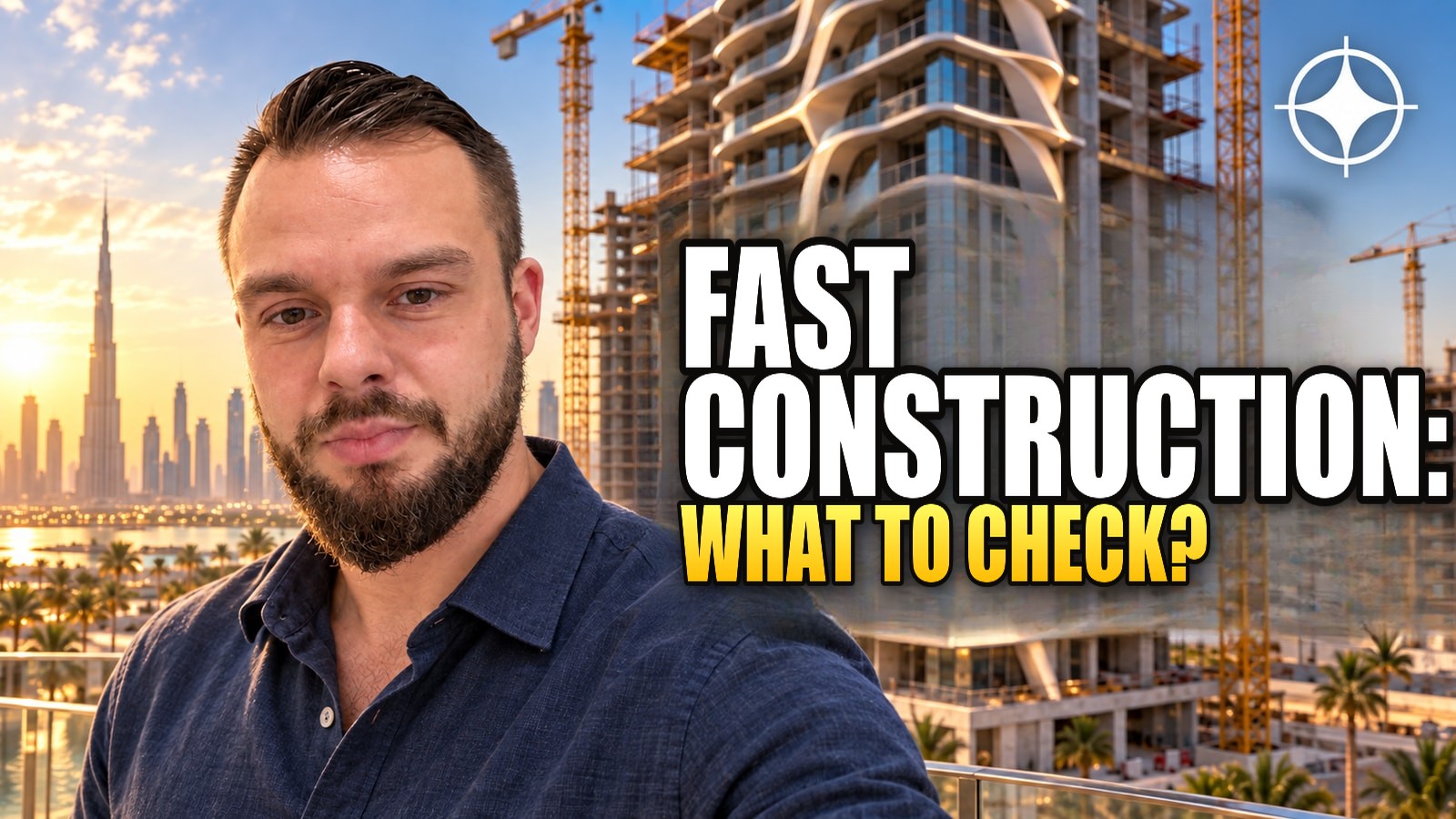
You recognise a Binghatti building before you read the sign: interlocking concrete balconies in a rhythm nothing else in the city uses. That is not decoration. It is the business model, and it is worth unpacking.
The company
A privately held family developer that grew within a decade into the second most prolific builder in Dubai by number of projects. Private means no published accounts: unlike Emaar or Deyaar, you assess this developer by what it has delivered rather than by its balance sheet.
The facade functions as a brand. A distinctive building sells faster because buyers can see it on the render and then on the street — which shortens the sales cycle and, in turn, the build cycle.
Talk to a licensed broker: 📲 +971 50 120 32 64 on WhatsApp, @dubai_oleg on Telegram
Where and what it builds
- Concentrated in a handful of districts — Jumeirah Village Circle, Business Bay, Al Jaddaf, Dubai Silicon Oasis: mid-market, densely built areas.
- Apartments rather than villas, which sets both the entry price and the buyer profile.
- A separate line of branded collaborations with luxury houses, at a different price point and in a different segment altogether.
What a short cycle means in practice
Faster delivery is a genuine advantage: less time with capital tied up, and a sooner start to rental income. It has a reverse side that should be priced in.
- The payment schedule is compressed. Instalments come more frequently than on a four-year project, and that demands more payment discipline from you.
- Density. In districts holding many buildings from one developer, competition for tenants is direct, and in JVC it is already visible in achieved rents.
- Finish and fit-out are where a fast cycle is most often economised. Do not judge from the render — visit a delivered building by the same developer nearby.
What to check
- A completed building two or three years old. Binghatti has enough of them that you can walk into one and look at the facade, the lifts and the common areas.
- The project escrow account and Oqood registration.
- Your own default terms. On compressed schedules the consequences of a missed instalment are tighter.
- The service charge and what it covers — in dense developments, maintenance of common property is a meaningful line.
- The actual layout against the render. Projecting balconies read well from outside and behave differently from inside.
Who it suits
- A mid-budget buyer who values a short time to keys and a building people can identify.
- Anyone modelling rental yield, since early completion shortens the period when the asset only consumes money.
- Not somebody looking for quiet and low density — that is not what JVC or Business Bay offer.
Based on the Dubai Land Department project register and observation of the developer's completed buildings.
Video on this topic
The same subject on the English channel — each clip has a written version of its own.
 1:38Binghatti Hills at Arjan: the volume play, examined10 September 2025
 1:31Binghatti Haven in Dubai Sports City: cheap for a reason, or cheap for a good reason?9 September 2025
 2:35Object 1 in JVC: 1Wood, V1ter, Ra1n and Ozone, explained by the development director7 February 2024
 1:35Binghatti Aquarise, Business Bay: the pitch and the reality check12 September 2025
 1:17Skyrise by Binghatti: a landmark tower at mid-market pricing11 September 2025
 1:15Binghatti Circle in JVC: retail and offices at the entry level8 September 2025
In the news
Other write-ups on the site about the same thing.
Dubai's top developers by 2025 sales, and the 648 projects launched in a single year
Emaar sold about AED 65.8bn in Dubai in 2025, DAMAC AED 35.9bn, Sobha about AED 30bn and Binghatti AED 26bn. Meanwhile 258 developers launched 648 projects with 167 000 units. What that mix of concentration and crowding means for buyers.
Iman Developers: one tower in a district full of towers
A developer building in Jumeirah Village Circle, the most competitive rental cluster in Dubai. What decides a single building’s performance when everything around it is comparable.
Mr Mhamed Bakri & Mr Majed Hawayy developer profile: buying off-plan in JVC when the developer is two individuals
A JVC tower built by private individuals rather than a company. It happens more often than people think, and it changes exactly one thing: who your protections actually work against.
DHG Properties: what happens if you want out of an off-plan purchase
A developer building in JVC. Circumstances change over a three-year build, and there is a defined framework for a buyer who cannot or will not continue.
Segrex Development: how to read a specification honestly
A small developer with residential projects in JVC. Specifications are written to sound generous, and four phrases in particular mean far less than buyers assume.
Dar Al Karama Real Estate: a tall tower in a district of short ones
A developer building a 33-storey tower in Jumeirah Village Circle. Height in a low-rise cluster changes the economics in both directions — here is how.