
Azizi Developments: a volume model, and why the programme is the risk
A company running a large number of simultaneous projects in the mid-market. What the volume model implies, how to verify a delivery record, and what density does to achieved rents.
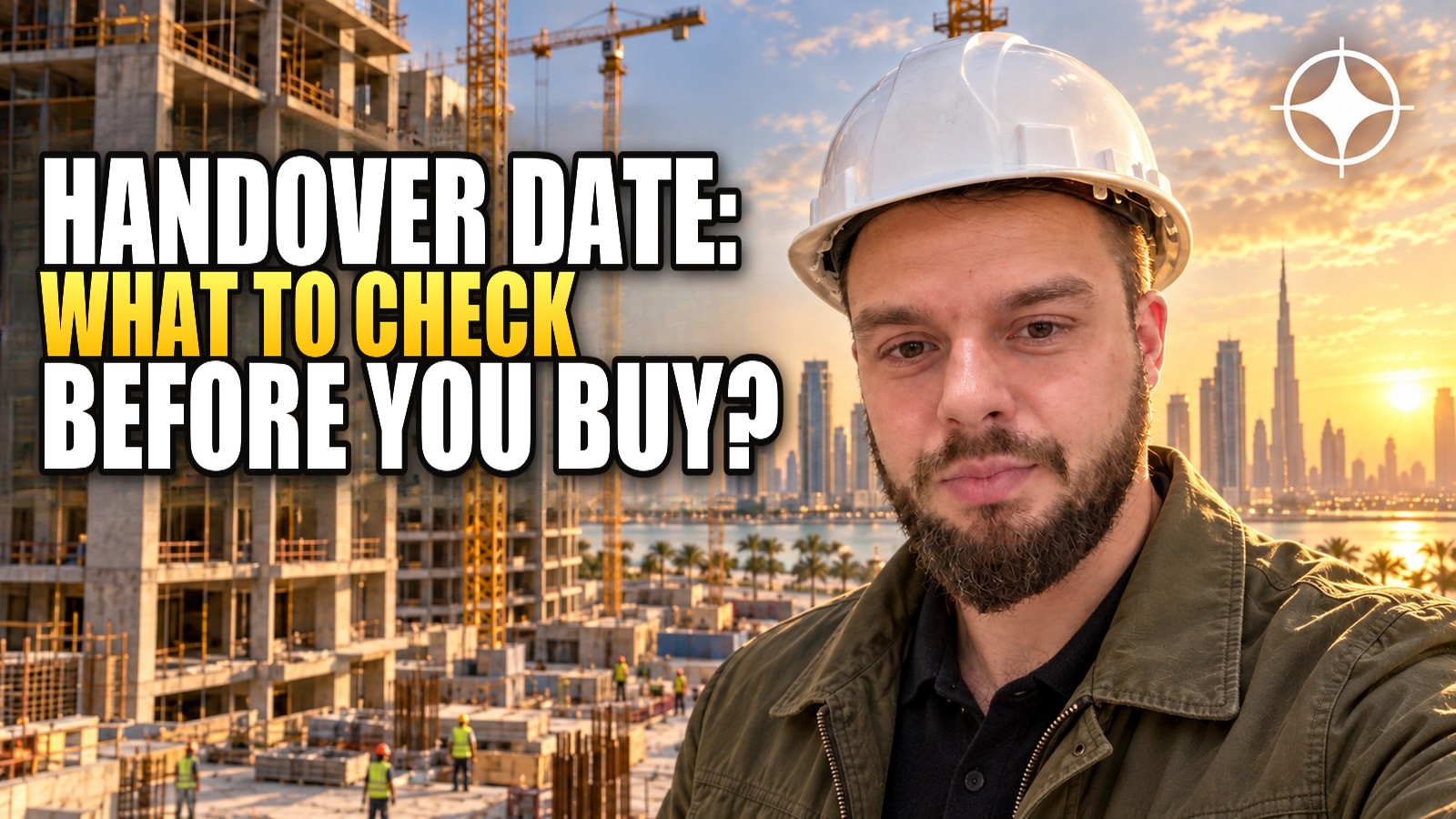
Azizi runs a volume model: many projects at once, mid-market pricing, a visible concentration in a few districts. Here is what that model implies for a buyer and where the attention belongs.
The company
A privately held developer founded by Mirwais Azizi, active in Dubai since the early 2010s. There is no public reporting, so assessment rests on delivered buildings and on the current state of the sites.
Where it builds
- Al Furjan — dense apartment development with metro stations.
- Mohammed Bin Rashid City — a large line of projects along the canal.
- Dubai Healthcare City, Studio City and adjacent clusters.
- Individual landmark projects in a markedly higher segment, standing apart from the main range.
The core product is studios and small apartments with a low entry price, which makes the company prominent among buyers entering the Dubai market on a modest budget.
Talk to a licensed broker: 📲 +971 50 120 32 64 on WhatsApp, @dubai_oleg on Telegram
The programme is the question
With many simultaneous sites, the principal risk is not finish quality — it is the schedule. This is a property of the volume model generally rather than a judgement on one company: the more projects run in parallel, the more each is exposed to the reallocation of resources.
You verify it with facts rather than assurances:
- The delivery record. Completed projects and the gap between the announced and the actual handover date.
- Current construction progress on your project from the register, not from the render.
- The wording of the delay remedy in the contract — what you can actually do if the date moves.
What else to check
- Escrow account and Oqood registration.
- District density. In clusters full of comparable studios, competition for tenants is direct and sets the achievable rent regardless of your unit's merits.
- What the fit-out includes and whether the unit is furnished.
- The service charge in already-delivered buildings by the same developer nearby.
- Distance to a metro station — in these districts it visibly affects both rent and resale.
Who it suits
- A buyer with a limited budget for whom the entry price into Dubai property is the deciding factor.
- Yield-focused investors in the mass segment who understand the competition within the specific cluster.
- Not somebody for whom the handover date is critical: in a volume model the programme needs verification of its own.
Based on the Dubai Land Department project register and standard off-plan escrow practice.
Video on this topic
The same subject on the English channel — each clip has a written version of its own.
 19:45Oceano on Al Marjan Island: the Luxe Developers project and the island being built around it14 August 2026
 1:35Binghatti Aquarise, Business Bay: the pitch and the reality check12 September 2025
 1:38Binghatti Hills at Arjan: the volume play, examined10 September 2025
 1:31Binghatti Haven in Dubai Sports City: cheap for a reason, or cheap for a good reason?9 September 2025


In the news
Other write-ups on the site about the same thing.
Tiger Properties: volume at the low end, and how to check a delivery record
One of the oldest builders in the affordable segment. What a low entry price is built from, and the specific checks that matter more here than anywhere else in the market.
ORO24: rapid scaling in the mid-market, and how to price that risk
A developer that built a large pipeline quickly in Arjan and the growth clusters. What to verify when the pipeline is bigger than the delivery record.
Binghatti: a recognisable facade, a short build cycle, and what that costs
A family developer that became the second largest by project count in Dubai. The model behind the architecture — concentration in a few districts, fast delivery, branded collaborations — and what a buyer should check.
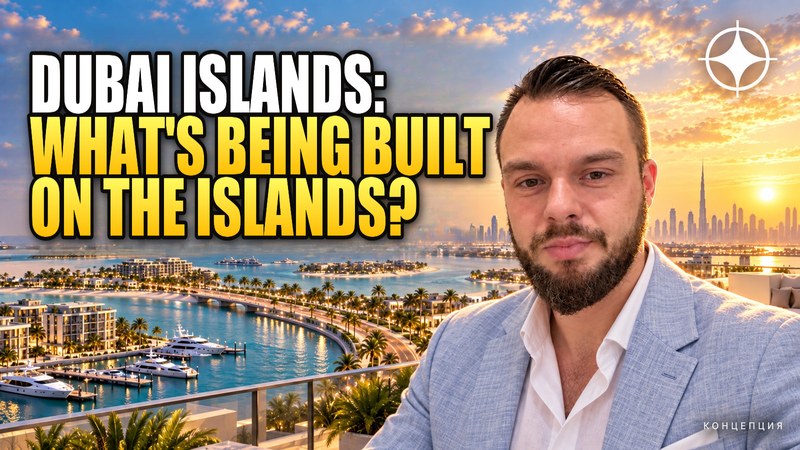
Dubai Islands: JW Marriott Residences by CG Developers, and Nakheel's AED 527m infrastructure contract
CG Developers is building Dubai's first JW Marriott residence, priced from AED 1.72 million with a Q1 2028 handover. In parallel, Nakheel has awarded a AED 527 million contract for Island B's core infrastructure — roads, water and sewage for a future 49 000 homes.

Dubai's top developers by 2025 sales, and the 648 projects launched in a single year
Emaar sold about AED 65.8bn in Dubai in 2025, DAMAC AED 35.9bn, Sobha about AED 30bn and Binghatti AED 26bn. Meanwhile 258 developers launched 648 projects with 167 000 units. What that mix of concentration and crowding means for buyers.

How a Dubai launch price list is built, and how to read one
A launch sells out in an afternoon, which is exactly the problem: the buyer has the least time to think at the moment the most is being decided. What the price list is actually telling you, and which columns matter.