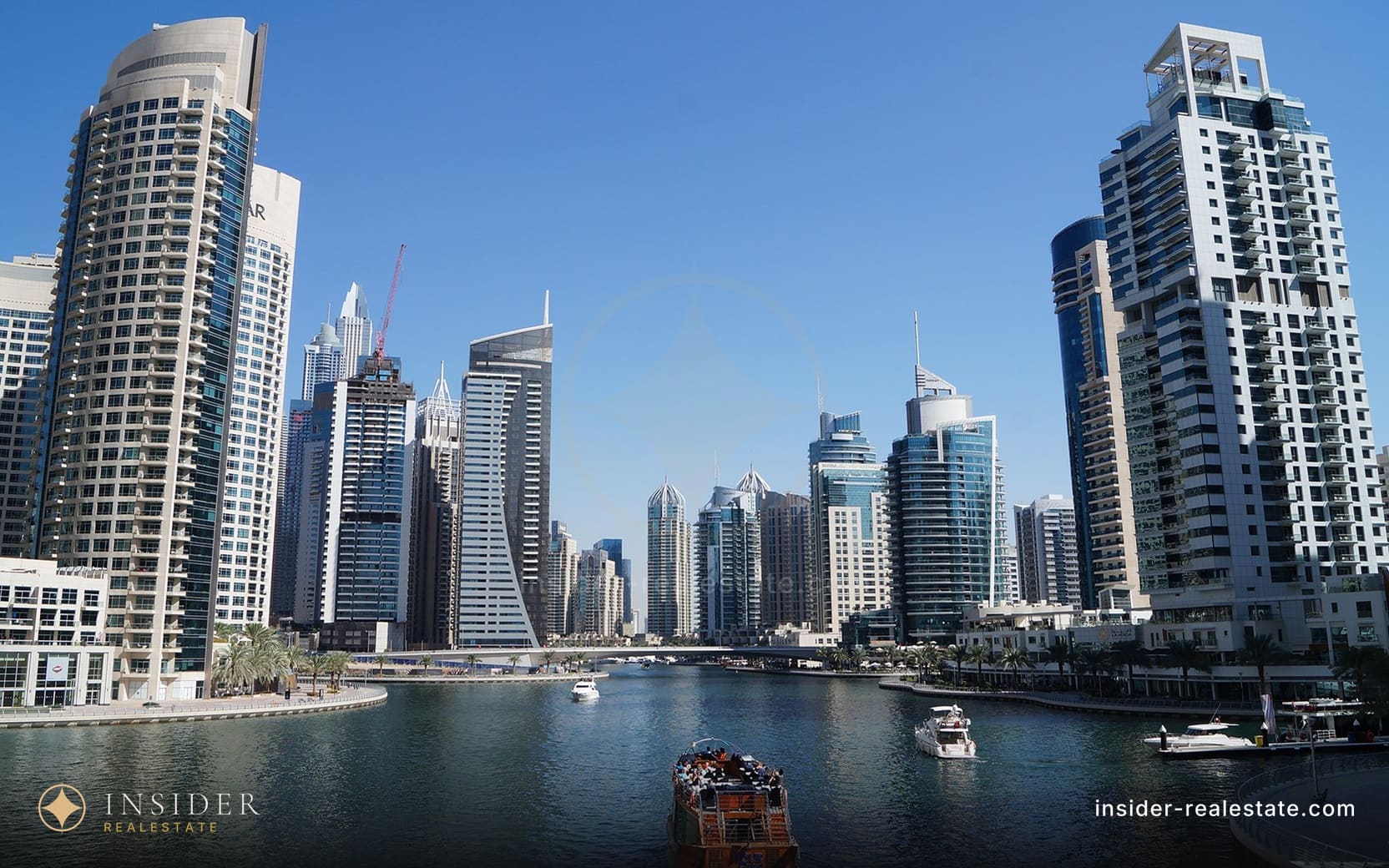
What it is
Mall of the Emirates opened in September 2005 on Sheikh Zayed Road: around 630 stores, some 223 000 square metres of retail space and Ski Dubai, a 22 500-square-metre indoor ski slope with real snow.
A red line metro station named after the mall adjoins the entrance, along with a bus interchange. That is a rare combination in Dubai: a large destination you can genuinely reach on foot and by metro rather than only by car.
The centre long ago stopped being only retail — cinema, theatre, gyms, clinics, co-working. For the districts around it, it functions as the centre of everyday life.
What it did to the district
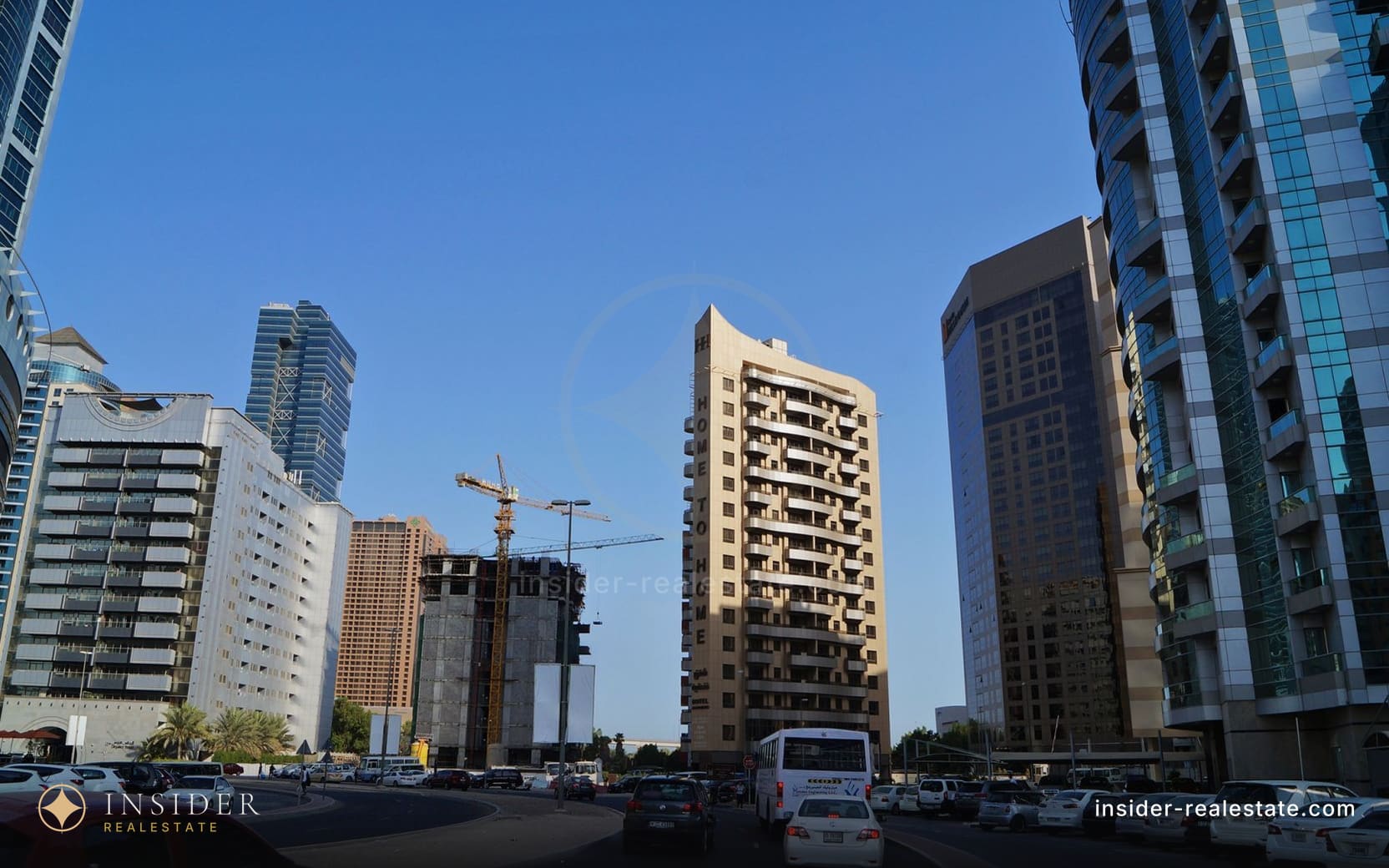
In 2005 Al Barsha was periphery: dusty low-rise, and no reason to go there. The mall gave the district a purpose, and the metro in 2009 gave it connection.
What followed was the usual chain: schools and clinics after the mall, families after them, and after the families a durable rental demand for two- and three-bedroom flats and townhouses. Al Barsha today is one of the steadiest mid-market districts in the city.
The neighbours got the same effect: Tecom, The Greens and Al Sufouh live off this centre as their everyday infrastructure, and listings there still quote the drive time to it.
That is the lesson of the object: a shopping centre in Dubai is not about shopping but about everything that grows around it. The same script ran again at Dubai Hills in 2022.
What it means when buying
Here the effect has played out fully and is in the price. Buying in Al Barsha in the hope of growth from the mall is twenty years late.
What still works is durability. A district with settled infrastructure, a metro station and schools barely sits vacant, and in a downturn it falls more softly than districts living on a promise.
The entry price is well below the waterfront, and the tenant is a family that stays for years. For a yield driven by occupancy rather than by headline rent, that is a good combination.
What to check
The actual walking distance rather than the one on the map. Sheikh Zayed Road is twelve lanes, and a building on the far side can be three minutes away in a straight line and twenty in practice.
The age of the building and the condition of the common areas. Much of Al Barsha dates from the mid-2000s, and the spread in management quality between neighbouring buildings is wider here than between districts.
And noise. Proximity to the highway and the interchange is paid for in convenience and charged to the windows.
What is nearby and how it differs
Tecom and The Greens share the infrastructure but not the stock: more towers and less low-rise, and a tenant more often single or a couple than a family.
Al Sufouh sits between the mall and the sea, and prices there are higher because of the coast rather than because of the centre.
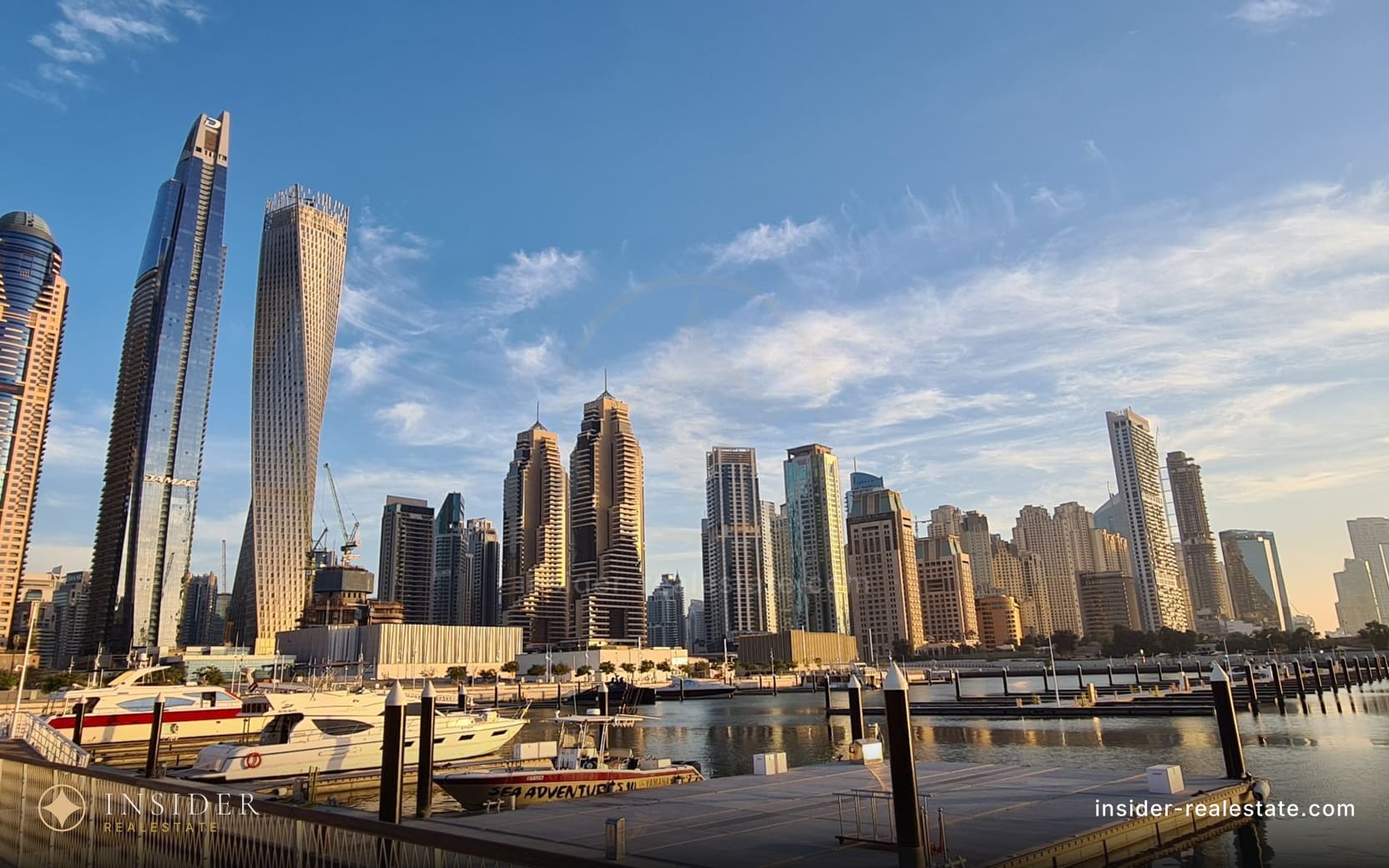
Further along the red line come Dubai Marina and JLT — a different segment at a different price. For most buyers, the gap in price per square foot between Al Barsha and the Marina is what the sea costs.
The practical conclusion: for yield through occupancy, look at Al Barsha and Tecom. For living by the water, the mall does not enter the decision at all.

 Dubai Metro
  Burj Khalifa
  Al Maktoum International
  Dubai Tram
  Dubai Water Canal
  The Dubai Mall
  Etihad Rail
  Dubai International (DXB)
  Jebel Ali Port
  Sheikh Zayed Road
  Expo City Dubai
  Dubai Creek
  Museum of the Future
  Ain Dubai
  Dubai Hills Mall
  Palm Monorail
  Infinity Bridge
  Metro Gold Line
  Dubai Opera
  The Dubai Fountain