

MGS Development: setting up a property you have never visited
A developer building on the Dubai Islands. Between handover and the first tenant there is a list of connections and registrations, and every one of them needs someone on the ground.
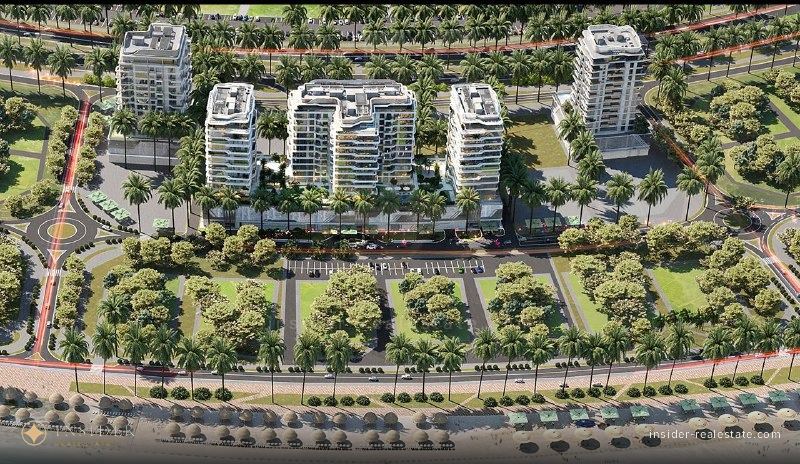
A developer entering Dubai Islands, one of the city's most actively developed waterfront directions of recent years, with Edgewater Residences growing across several phases as the island itself acquires infrastructure alongside the new blocks.
2 projects by this developer in the catalogue. Nothing of theirs is in the discounted stock right now — nearby listings are below.
Checkable facts about the developer itself. Unlike the figures above, these are not about our stock and do not move with what happens to be listed today.
MGS Development has concentrated its public activity on one large direction, Dubai Islands, a coastal masterplan in the Deira area that has become one of the fastest-developing stretches of the city's coastline in recent years. The company's portfolio is built around one project, Edgewater Residences, delivered across several successive phases.
That concentration on a single direction is not unusual for a developer betting on one specific growth district: rather than spreading itself across different parts of the city, the company focuses resources and reputation on one large project, watching the surrounding district form alongside construction.
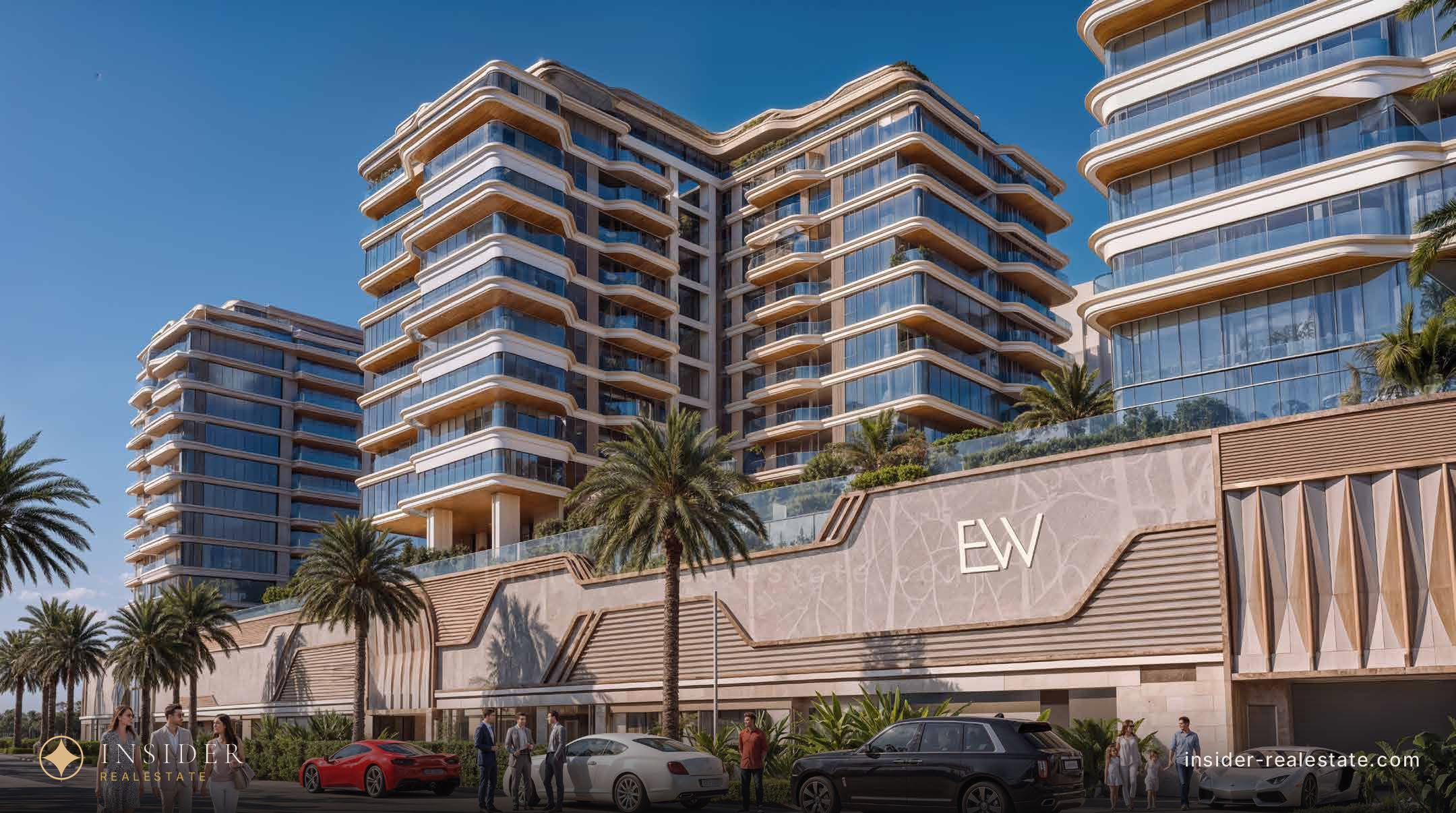
Edgewater Residences is a high-rise residential project on Dubai Islands with views toward neighbouring parts of the city, including Palm Jumeirah and Dubai Creek Harbour, and convenient access to the international airport. The project is delivered across several phases, with each new stage adding buildings to those already standing, gradually shaping a complete quarter.
A multi-phase format means an early-phase buyer lives next to construction of later phases for a while — a normal feature of a growth-stage direction rather than a flaw specific to this developer, but worth factoring into expectations in advance rather than discovering after moving in.
Dubai Islands is a relatively new waterfront direction, and its infrastructure — shops, cafes, transport links beyond the main roads — is forming alongside construction rather than running ahead of it, as it does in the city's established districts. For a buyer that means part of the urban environment promised in the renders will arrive gradually rather than on the day the keys are handed over.
The direction as a whole carries real potential: proximity to several landmark parts of the city and status as one of the priority development directions of recent years are building demand that will grow alongside the infrastructure's maturity — but that is exactly why early housing here should be assessed against the district's current state, not its eventual finished form.
Getting the keys is not the finish line but the start of a series of practical steps often left out of a yield calculation: completing title registration, connecting electricity and water, and in buildings with district cooling, a separate cooling-capacity bill with its own deposit that runs regardless of whether a tenant is actually living there.
Snagging should be handled before a tenant moves in, not during: empty months are not free — the service charge and cooling-capacity fee run from handover regardless of occupancy, and a slow start in the first months is entirely avoidable with proper organisation but costs real money with a careless approach.
For an owner living outside the UAE, a managing agent handles the entire post-handover checklist for a percentage of the rent, and in most cases this is not an optional extra but a sensible standard, especially in a growth-stage direction like Dubai Islands, where connection requirements can differ from the well-worn procedures in the city's older districts.
The managing agent should be appointed separately from whoever sold the unit — combining the two roles weakens the owner's leverage in both at once. The scope of service is worth putting in writing: what is included, what is billed separately, the spending limit without owner sign-off, and how often the agent reports on the property's status.
The escrow account and registration number for the specific phase you are considering — each phase is registered separately. Actual construction progress on that specific phase against the stated schedule, rather than the general status of Dubai Islands as a whole.
The building's cooling scheme and the size of utility deposits — worth budgeting for in advance, before handover, rather than discovering after the fact. Whether infrastructure around the specific phase is developed enough for comfortable letting right now, not only on the district's final, fully built-out masterplan.
The developer is inferred from the project name — there is no developer column in the base. So the figures describe our stock, not the company's share of the Dubai market: a developer sitting on an enormous volume of completed housing can look smaller here than one whose projects reach the resale market more often.
These are asking prices, not closed transactions. For a specific building I pull the registered Land Department sales and show where deals actually closed.
A developer building on the Dubai Islands. Between handover and the first tenant there is a list of connections and registrations, and every one of them needs someone on the ground.
Delivered: Edgewater Residences on Dubai Islands, delivered across several phases. The register of the Land Department is the source that matters, not the brochure: it lists the licence, each project’s progress in per cent and the escrow account. On off-plan the buyer’s money sits in that account under RERA control and is paid out as construction stages are verified. The complete dossier is in the write-up above.
Above on this page: 2 projects by MGS Development from our catalogue, each with a passport covering floors, units, handover and bedrooms. Lots on sale, when there are any, sit right under the project.
Money-wise there is no difference: on off-plan the broker is paid by MGS Development, not by you, so calling the sales office direct saves nothing. What differs is the view — the developer’s sales team sells only its own buildings and will not mention that the same unit costs less next door or that this project hands over later. On resale and assignment the commission is the usual 2% plus VAT.
That depends on what you buy and why. Describe the budget and the aim — I will point out which of this developer’s buildings are justified today and which are better left alone.
Ask on WhatsAppTelegram is the fastest way — I answer personally.
Message on Telegram