
Kerzner International
A hospitality company first, not a developer: a publicly traded resort operator that turned one fading Bahamas hotel into a global brand, then brought the same standard to Palm Jumeirah.
18 lots in stock across 6 projects. Of the 6 with a known status: 6 ready, 0 under construction. By median price — 6th of 139.
- A serviced residence at a global resort brand
- A recognisable name for international tenants
- Patient capital with no need for a fast exit
- Not for a pure-yield investor
Median price $8.17M AED 30 000 000
Entry price $354K AED 1 300 000 — the cheapest lot
Per square foot $3 155 AED 11 587 / sq.ft, median
Completed stock 100% no discounted lots right now
Where they build
The districts where this developer has the most lots in our stock.
Palm Jumeirah 18
The company in brief
Checkable facts about the developer itself. Unlike the figures above, these are not about our stock and do not move with what happens to be listed today.
- Founder
- Sol Kerzner
- Company status
- publicly traded on the New York Stock Exchange
- Flagship brand
- Atlantis — its first resort opened in the Bahamas in the mid-1990s, now also on Dubai's Palm
- Second brand
- One&Only — a chain of luxury resorts across several continents, including Dubai
- Dubai residences
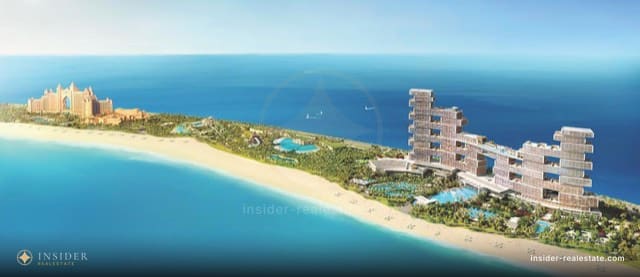
- The Royal Atlantis Resort & Residences on the Palm crescent
What kind of developer this is
What it actually is
Kerzner International did not grow out of residential real estate and remains, to this day, a hospitality company: a publicly traded resort operator, not a developer that decided to also run a hotel. The founder started by buying a struggling Bahamas hotel and turned it into one of the most recognisable resort brands on the planet — a story the company has since systematically repeated in new locations.
The company's public listing on the New York exchange is a rarity among the players represented in Dubai through branded residences: it means open financial reporting and a stricter level of corporate governance than most private developers in the region. For a buyer, that is not a guarantee of quality for a specific residence, but it is an independent way to verify the company's own resilience.
Two brands, one standard
The company runs two flagship names — mega-resort properties in the format proven in the Bahamas and repeated on the Palm, and a more intimate luxury hotel line present across several continents at once, from the Middle East to the Indian Ocean and Africa. Operating in so many different markets means its service and maintenance standards have been developed and tested far beyond one city.
For a Dubai residence, that means the operator applies the same operating standard to the building as it does to its properties on other continents, rather than inventing an approach specifically for the local market. That is a rare advantage among resort brands, many of which have a single flagship property and little proven standard beyond it.
Hospitality DNA versus residential DNA
A company that has spent its entire history running hotels rather than selling apartments approaches a residence differently from a typical residential developer: priority goes to the guest experience and shared infrastructure rather than floor-plan efficiency per square foot. That shows up in the product itself — generous common areas and full resort infrastructure rather than a standard set of residential-building amenities.
The flip side of that same DNA is that the company is less experienced at selling real estate to private investors than at managing hotel guests. A resort operator's residence purchase agreement is often more complex than a standard property sale contract, and it is worth understanding on its own terms rather than assuming it works like an ordinary apartment purchase.
What public status means for a buyer
A company with years of public financial reporting is easier to independently vet than a private developer that does not disclose figures: an investor can see revenue, debt load and overall financial health before deciding, rather than relying purely on brand reputation. That matters especially for a resort residence, where the long-term stability of the operator, rather than the building's developer, determines the asset's value for years to come.
That said, public status does not automatically extend to the specific Dubai entity signing the residence agreement — the deal structure may involve a local project company, and that is worth confirming separately rather than treating the parent group's public reporting as an automatic guarantee on the local contract.
The resale market
Residences at resort brands of this calibre trade in a narrow but stable segment: buyers are few, but they are specifically looking for the combination of status, service and a rare address, not just square footage. Time on market at sale tends to be longer than in the mass segment, but the pool of interested buyers is international and not tied to one market.
Liquidity for an asset like this depends heavily on the operator's reputation at the time of sale — a decline in service or a change of management company affects appeal to the next buyer more directly than it would for ordinary residential property, where a change of building management company passes almost unnoticed.
How I work with its properties
For residences at the company's resort brands, I always start with the management agreement — not the advertised yield but the revenue-split terms, the agreement's length and how it renews — because that document, not the unit itself, determines the real economics of ownership.
From there I check which entity is actually the developer and counterparty on the sale and purchase agreement — the parent public company or a local project structure — and explain to the client that the group's public reporting speaks to overall brand stability but does not automatically extend to a specific local contract.
Projects by Kerzner International
All projects →Kerzner International listings in stock
All stock → 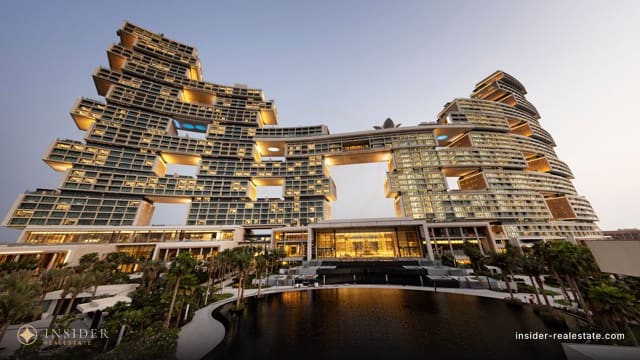
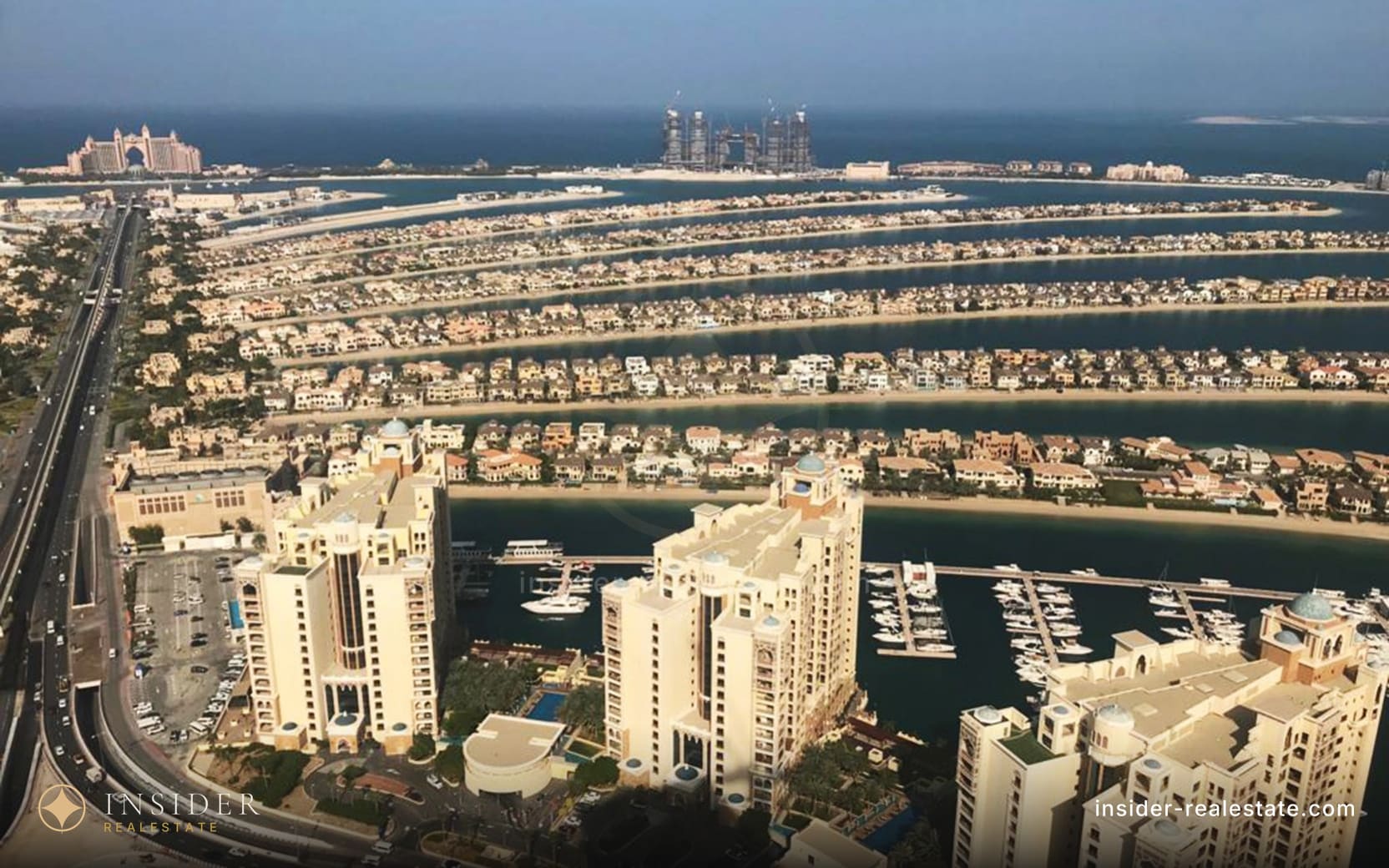 Photo of the community
 The Royal Atlantis Resort & Residences Palm Jumeirah · 2 BR · Apartment 19 800 000 AED
Ask about lot NP9-108326
Photo of the community The Royal Atlantis Resort & Residences Palm Jumeirah · 2 BR · Apartment 22 000 000 AED
Ask about lot NP9-108325
Photo of the community The Royal Atlantis Resort & Residences Palm Jumeirah · 2 BR · Apartment 26 500 000 AED
Ask about lot NP9-108327
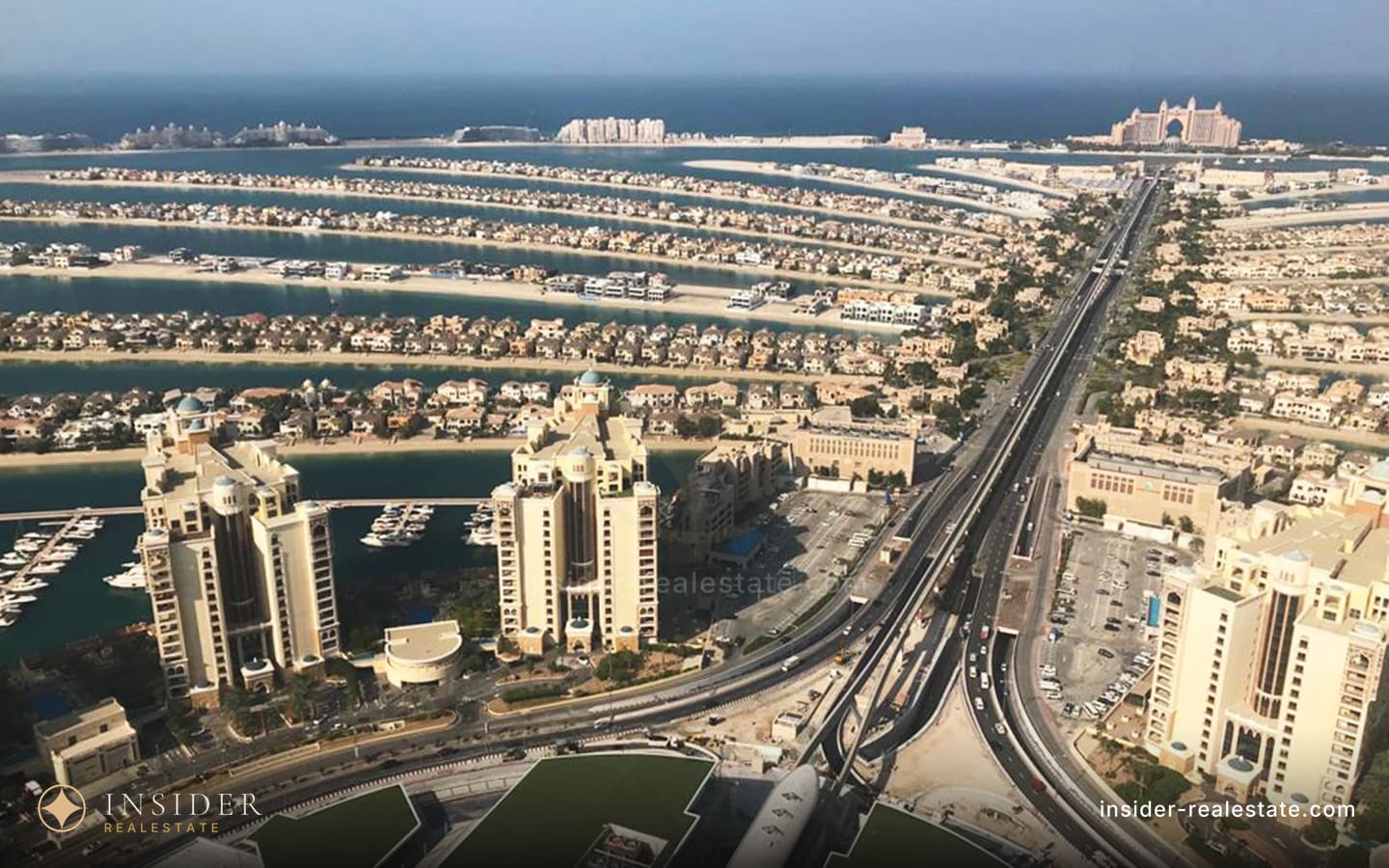 Photo of the community Photo of the community
 The Royal Atlantis Residences Palm Jumeirah · 2 BR · Apartment 27 500 000 AED
Ask about lot P1-180963
Photo of the community The Royal Atlantis Residences Palm Jumeirah · 2 BR · Apartment 32 500 000 AED
Ask about lot P1-180962
Photo of the community The Royal Atlantis Resort & Residences Palm Jumeirah · 2 BR · Apartment 39 000 000 AED
Ask about lot NP9-108336
What these numbers mean, and what they do not
Lots are matched to Kerzner International by project name, since the base has no developer field. The numbers above therefore describe our stock rather than the company’s market share: a developer with a large completed portfolio can show fewer lots than one whose buildings are resold more often.
All prices are asking prices, not sales. For the building you pick I pull the registered Land Department transactions and show the prices deals really closed at.
In the news

Kerzner International: when the hotel operator is the name on your home
The operator behind Atlantis and One&Only, with residences attached to its resorts. What an operator-led residence gives, what it costs annually, and where the value sits.
Other developers
All developers → Questions
Kerzner International: questions and answers
How much does a Kerzner International apartment cost?
The median across this developer's lots in our stock is $8.17M (AED 30 000 000), with entry from $354K. The median per square foot is $3 155. They are drawn from asking prices in our own base and refreshed every night — a picture of current supply rather than of the official price list.
What projects is Kerzner International building?
The site catalogue covers 1 project by Kerzner International, each with a building passport — storeys, units, handover date and bedroom mix. They are listed above, and the “Where they build” block shows the districts with the most of its lots. Any lots on sale appear directly beneath their project.
Should I buy from Kerzner International direct or through a broker?
The price is the same: on off-plan the developer pays the broker’s commission, not the buyer, so going straight to the sales office saves nothing. The difference is elsewhere — a developer’s sales office shows its own projects only, and will not tell you that the same thing next door is cheaper or that this project is running later than advertised. On resale and assignment the commission is the standard 2% plus VAT.
Is Kerzner International worth buying
The answer depends on the purpose. Send your budget and goal — I will go through which Kerzner International projects are worth considering now and which I would skip.
Ask on WhatsAppAsk a question
Telegram is the fastest way — I answer personally.
Message on Telegram