
 −5%
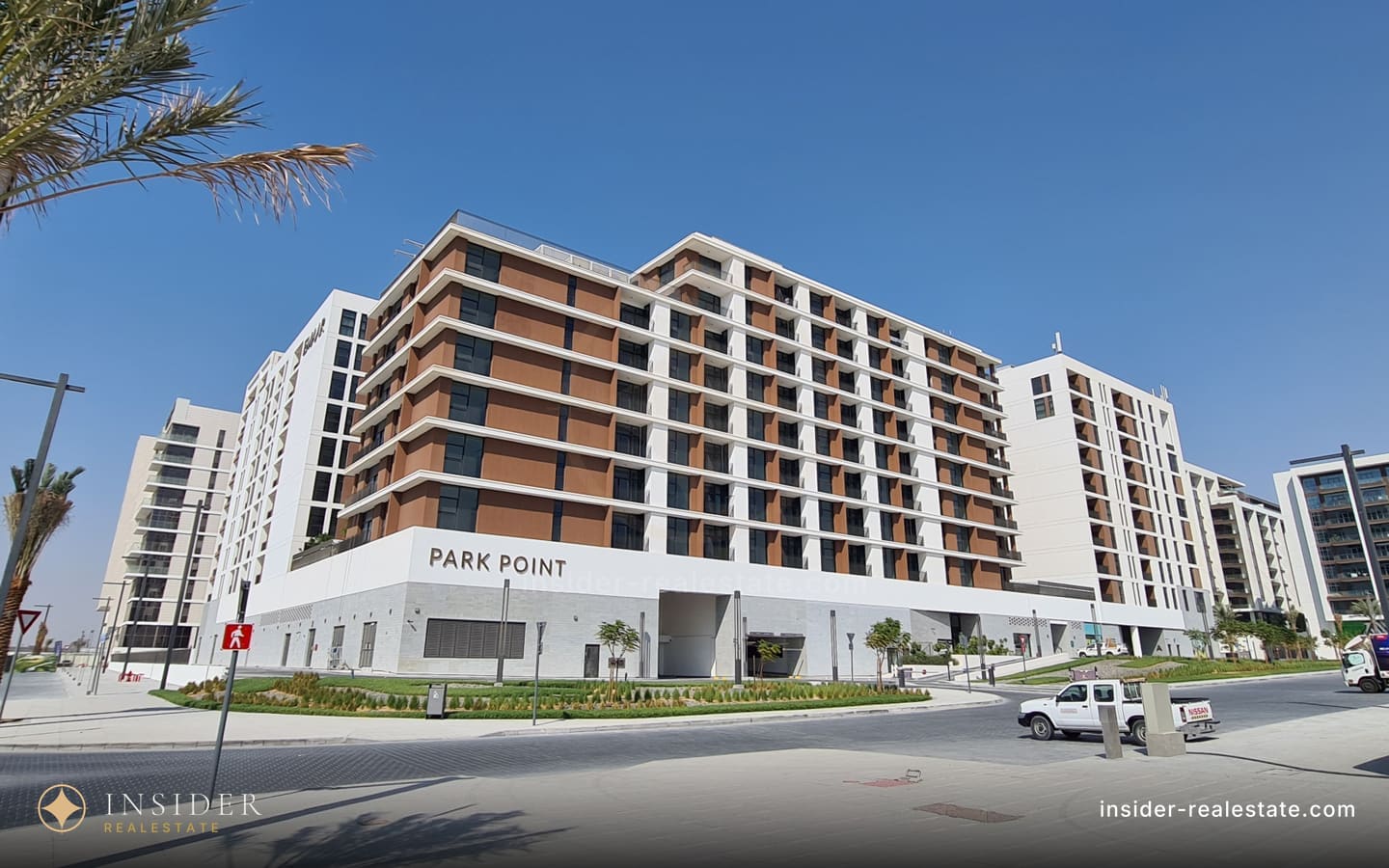
−5% Golf Residences by Fortimo Dubai Hills Estate · 2 BR · Apartment 2 950 000 AED 3 100 000
Ask about lot NP4-430956
A Swiss development group with a quarter-century history in Europe that entered Dubai only a few years ago and has so far built three properties here — a rare case where a newcomer to the local market is anything but a newcomer as a company.
1 lot in stock across 1 project. Of the 1 with a known status: 1 ready, 0 under construction. By median price — 48th of 139.
The districts where this developer has the most lots in our stock.
Checkable facts about the developer itself. Unlike the figures above, these are not about our stock and do not move with what happens to be listed today.
Fortimo Group is a Swiss company that has developed, held on its balance sheet and managed property for a quarter century, but has only been present in Dubai for about ten years. That is an unusual combination on a market where the overwhelming majority of "new" names are either genuinely fresh companies with no history, or local structures operating only in the UAE. Behind the recent Dubai entry stands a mature foreign company with its own development model, tested in another market.
The practical takeaway for a buyer is to assess the company on two separate levels: as a Swiss group with a long history of managing property generally, and separately as a participant in the Dubai market specifically, where experience is still limited. The two do not substitute for each other: the parent structure's solidity does not automatically mean the same discipline in local contracting chains and local regulation.
The company entered the market not with one large project but sequentially: first a residential building, then a hospitality property, now a third project in a mixed residential format in one of the city's more established family districts. That sequence differs from the typical scenario of a developer with no history announcing an ambitious tower in a prestige location straight away — here you can see gradual growth in scale and confidence.
For a buyer, that sequence is a good sign of discipline, but it also means clean Dubai-specific statistics on delivery timelines and post-handover quality are still thin: three properties in ten years is a cautious, not an aggressive, growth pace.
The company operates in a mixed residential format — from apartments to properties with a hospitality component — aimed at established family destinations like Dubai Hills Estate rather than tourist high-rises downtown. That is a deliberate niche choice: not speculative turnover in the city centre, but a product for people buying to live in a developed but still-growing district.
That location choice makes sense for a company of European origin: it competes not on a loud downtown brand but on execution quality and reliability in a segment where the buyer is more conservative and less driven by a fashionable address.
The main trap in assessing this kind of developer is carrying the European group's solid history directly onto a Dubai project without checking how the local team and contracting chain are actually organised. The company's Swiss origin is a real fact, but it does not guarantee construction in Dubai runs to the same management standards as in Europe: local contractors, local regulation and local market pace all need their own check, independent of the parent structure's history.
A second point: with few Dubai properties, statistics on delivery timelines and post-handover quality are not yet enough for confident conclusions. One or two examples are a reference point, not a proven pattern, and that is worth keeping in mind when deciding.
The actual delivery timelines of the company's already-built Dubai properties against what was originally announced — the only direct indicator of local team discipline available today. The condition of the already-delivered residential building several years after move-in — how common areas and facade look, whether the management company performs predictably.
The current under-construction project's registration and escrow status — as with any developer, regardless of international reputation. The exact ownership structure of the local Dubai company relative to the Swiss parent group — exactly who is contractually liable in a dispute.
For a client impressed by the company's European origin, I always explain that this adds to overall trust but does not substitute for checking the Dubai-specific track record — I show both already-delivered local properties and their current condition, where it is possible to see them in person. I separately check how the local company's ownership structure relates to the parent group, so the client understands exactly who they are contracting with.
On the third, under-construction project, I watch build pace more closely than usual — the company continues scaling up in the city, and this project will largely decide whether it earns a reputation as a reliable Dubai developer or stays a niche name with a limited portfolio.
−5% There is no “developer” column in the base — a lot is attributed by its project name. The figures on this page speak about our stock, not about the company’s share of the Dubai market: a large developer with a big completed portfolio may appear smaller than one whose units come up for resale more often.
Prices come from listings, not from closed deals. For a particular building I retrieve the registered Land Department sales and show the real closing prices.
The median across this developer's lots in our stock is $803K (AED 2 950 000), with entry from $803K. They are drawn from asking prices in our own base and refreshed every night — a picture of current supply rather than of the official price list.
Right now the base holds 1 lot from this developer priced below the market, with the deepest cut at 5%. It is the seller on the secondary market or on an assignment who cuts the price, not the developer — each has a reason to hurry. The discount is calculated by an algorithm relative to comparable property, with no manual broker estimate.
The price is the same: on off-plan the developer pays the broker’s commission, not the buyer, so going straight to the sales office saves nothing. The difference is elsewhere — a developer’s sales office shows its own projects only, and will not tell you that the same thing next door is cheaper or that this project is running later than advertised. On resale and assignment the commission is the standard 2% plus VAT.
The answer depends on the purpose. Send your budget and goal — I will go through which Fortimo Real Estate projects are worth considering now and which I would skip.
Ask on WhatsAppTelegram is the fastest way — I answer personally.
Message on Telegram