
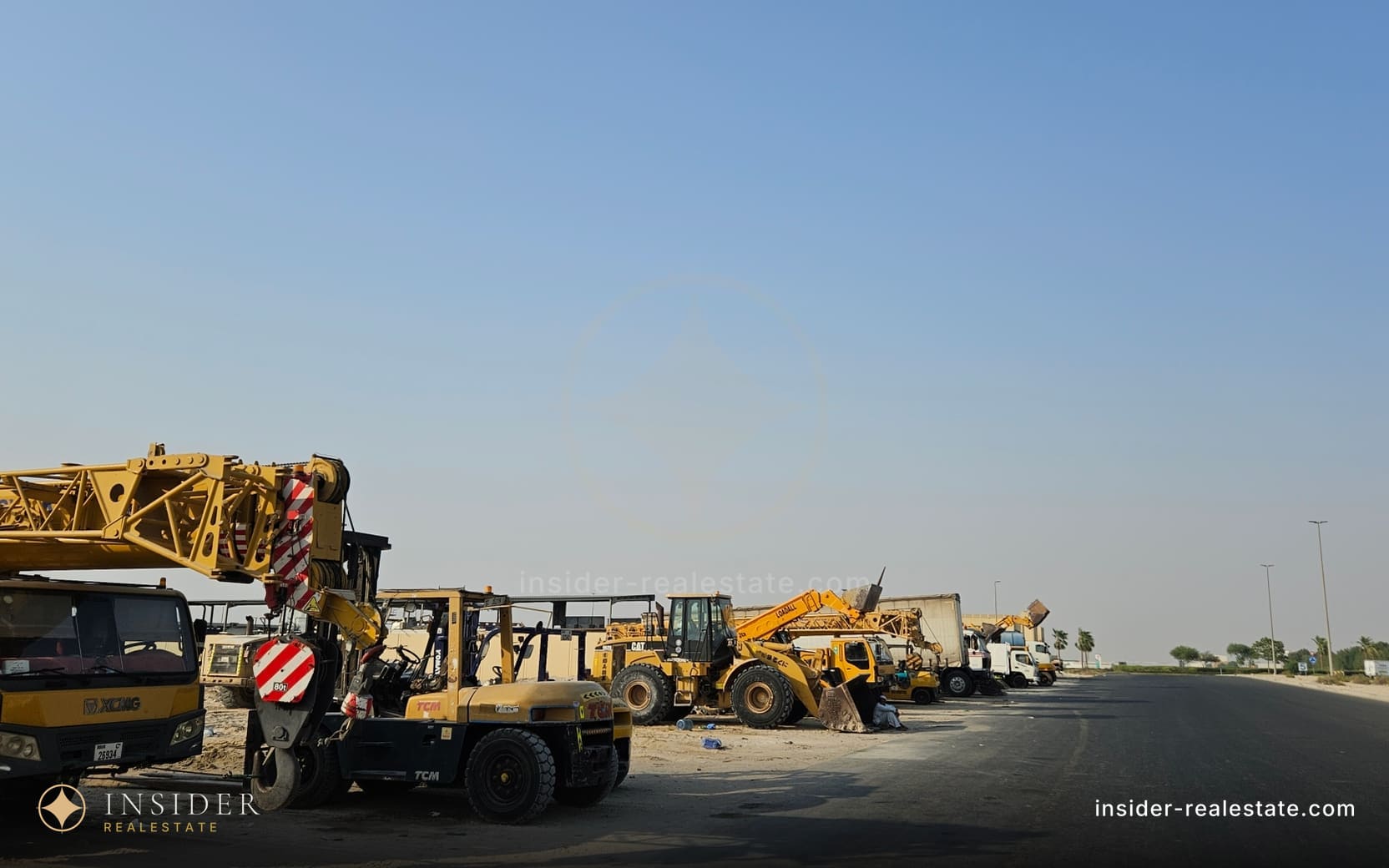
 Photo of the community
 Dugasta Properties
A developer with one of the longest histories among Dubai's small companies — and for almost all of it, it has built where the large developers rarely go: in industrial and outlying districts, where success depends not on a loud name on the facade but on a sober read of who will actually rent the place.
1 lot in stock across 1 project. Of the 1 with a known status: 1 ready, 0 under construction. By median price — 107th of 139.
- A company with decades of experience specifically in the budget segment
- Housing near real jobs, not just a low price tag
- A finished asset with an operating history
- Investors willing to verify surrounding employment themselves
Median price $354K AED 1 300 000
Entry price $354K AED 1 300 000 — the cheapest lot
Per square foot $470 AED 1 726 / sq.ft, median
Completed stock 100% no discounted lots right now
Where they build
The districts where this developer has the most lots in our stock.
Dubai Industrial City 1
The company in brief
Checkable facts about the developer itself. Unlike the figures above, these are not about our stock and do not move with what happens to be listed today.
- Founded
- 1991, still run by its founder and chairman personally
- Focus
- housing in industrial and outlying districts — Dubai Industrial City, Majan, Dubai South, and also JVC
- Flagship delivered project
- a residential complex in an industrial zone in the south of the city — a low-rise building with several dozen apartments
What kind of developer this is
Who they are, and why a long history matters especially here
The company has operated in the Dubai market longer than most of the city's small developers — its founder and chairman has personally steered the business through several full cycles of the Dubai property market's booms and busts. For a company this size that's unusual: small developers more often appear and disappear within a single market cycle, while this one has survived more than one.
That whole history was built not in prestigious central districts but in a segment the large developers usually avoid — housing in industrial zones and areas set back from the business centre. That's a deliberate niche: competition is thinner here, and knowledge of specific sites and their quirks builds up over years a young company simply doesn't have.
What they actually build
The company's portfolio is concentrated in districts built for people who work nearby, not for those chasing a status address: an industrial zone in the south of the city, growing mixed-use clusters, territory around the government's airport masterplan, and separately, the denser and more competitive JVC. The format is low- and mid-rise residential buildings, with no hospitality branding and no premium ambitions.
That portfolio follows directly from the developer's specialisation: rather than competing for buyer attention in overheated central locations, the company consistently builds where real demand is driven not by a district's fashionability but by proximity to jobs in specific industries — logistics, manufacturing, airport-support services.
Why the paper yield can mislead in districts like these
In outlying industrial districts, people rent near where they work — in a city as spread out as Dubai, that's close to an absolute rule. So the key question for a buyer isn't "is this housing cheap" but "who actually works within reasonable walking or commuting distance of this specific building" and whether their income can support the advertised rent.
A cheap apartment with a high headline yield but months of vacancy between tenants ends up earning less than a more modestly yielding apartment in a district with steady demand. In this end of the market, vacancy decides the outcome, not the rent itself — and vacancy is exactly what advertised-yield calculations tend to leave out.
How to check a specific building before buying
Map out employment within a fifteen-to-twenty-minute commute of the building — business parks, free zones, industrial clusters, logistics hubs — and check whether the income of people working there matches the rent you need. It's also worth driving the route yourself at rush hour rather than judging accessibility from a map: a single congested road makes a district further away than it looks on a diagram.
A useful practical tell is everyday retail within walking distance: a supermarket near the building usually means people genuinely live in the area rather than housing having been built and left empty. It's also worth counting current rental listings nearby and how long they sit unanswered — a free and reasonably honest gauge of real demand.
Life after handover
The company's flagship delivered project has built up its own history over years of use — the condition of common areas, service-charge collection discipline and actual occupancy can be checked in person, not just taken from an agent's word at a viewing. For a district with less obvious demand, that's an especially important source of information: it shows how the building actually lives, not how it was sold at launch.
In a segment where the entry price is low, a building's condition and management matter more than in the premium segment — they determine whether the savings on entry price actually pay off over years of ownership or get eaten up by the cost of running a poorly kept building.
Who it suits, and who it does not
This developer suits investors who have personally verified the surrounding district's employment base rather than taking an advertised yield on faith, and those with the means to manage the asset locally — this end of the market demands closer oversight than premium districts with a ready-made sales and rental infrastructure.
It doesn't suit buyers purchasing on advertised headline yield without verification — the least reliable number on the whole market — or anyone seeking a status address or a resale premium tied to a fashionable district name. The investment logic here is different: not the name, but a sober read of real demand.
Projects by Dugasta Properties
All projects →Dugasta Properties listings in stock
All stock → Photo of the community What these numbers mean, and what they do not
The developer is inferred from the project name — there is no developer column in the base. So the figures describe our stock, not the company's share of the Dubai market: a developer sitting on an enormous volume of completed housing can look smaller here than one whose projects reach the resale market more often.
These are asking prices, not closed transactions. For a specific building I pull the registered Land Department sales and show where deals actually closed.
In the news
Dugasta Properties: why some cheap districts never let
A developer with a completed building in an outlying district. A low price is only a bargain if somebody wants to live there — and that is checkable before you buy.
Other developers
All developers → Questions
Dugasta Properties: questions and answers
How much does a Dugasta Properties apartment cost?
The median across this developer's lots in our stock is $354K (AED 1 300 000), with entry from $354K. The median per square foot is $470. They are drawn from asking prices in our own base and refreshed every night — a picture of current supply rather than of the official price list.
Is Dugasta Properties a reliable developer?
Founded: 1991, still run by its founder and chairman personally. The register of the Land Department is the source that matters, not the brochure: it lists the licence, each project’s progress in per cent and the escrow account. On off-plan the buyer’s money sits in that account under RERA control and is paid out as construction stages are verified. The complete dossier is in the write-up above.
What projects is Dugasta Properties building?
The site catalogue covers 1 project by Dugasta Properties, each with a building passport — storeys, units, handover date and bedroom mix. They are listed above, and the “Where they build” block shows the districts with the most of its lots. Any lots on sale appear directly beneath their project.
Should I buy from Dugasta Properties direct or through a broker?
The price is the same: on off-plan the developer pays the broker’s commission, not the buyer, so going straight to the sales office saves nothing. The difference is elsewhere — a developer’s sales office shows its own projects only, and will not tell you that the same thing next door is cheaper or that this project is running later than advertised. On resale and assignment the commission is the standard 2% plus VAT.
Is Dugasta Properties worth buying
The answer depends on the purpose. Send your budget and goal — I will go through which Dugasta Properties projects are worth considering now and which I would skip.
Ask on WhatsAppAsk a question
Telegram is the fastest way — I answer personally.
Message on Telegram