What the place is
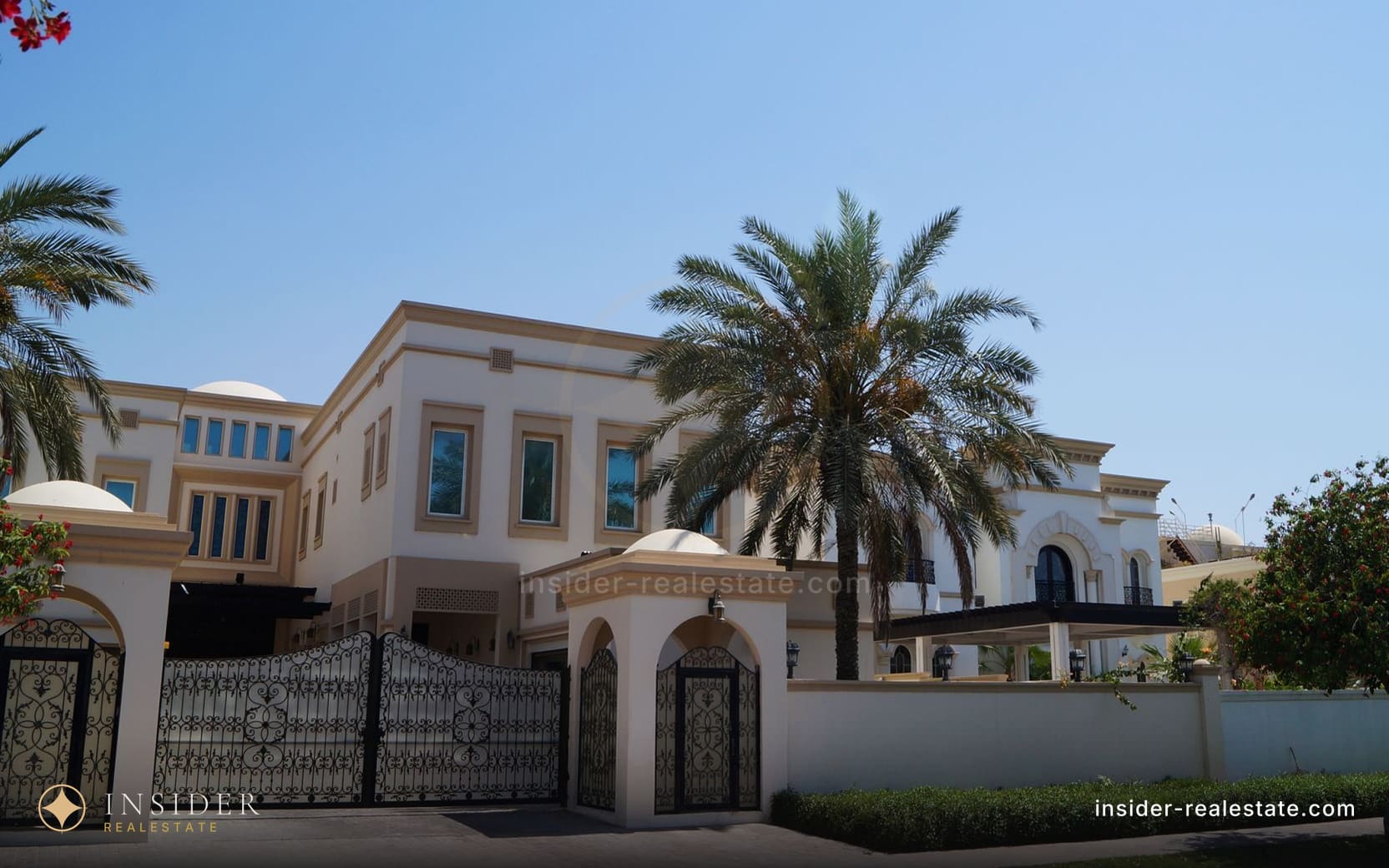
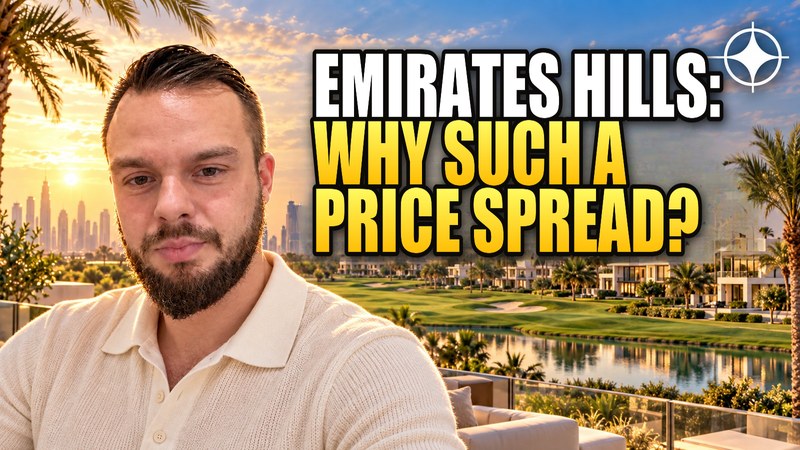
Emirates Hills is a gated Emaar community within Emirates Living, laid out around the Montgomerie golf course. The perimeter is guarded, the plots are cut into the slope, the roads wind, density is low and there are no towers at all. The name nods to Beverly Hills, and the planning logic is the same.
The essential difference from the rest of Dubai is what changes hands. Plots are sold here, and the owner designs and builds the house. There are consequently no two identical villas in the district and no typical price per square foot.
Inside the community there are no shops and no cafes: daily life is deliberately pushed outside, into the neighbouring parts of Emirates Living, into Dubai Marina and to Mall of the Emirates. That is the plan working, not a gap in it.
The district sits within the designated zones where a foreigner takes full freehold, and transactions run on ordinary terms.
What is actually being bought
Two different assets, and confusing them is expensive. The first is land: you acquire the right to build to your own design, and with it a two- to three-year construction project, your own contractor, approvals, and a budget that rarely matches the first estimate.
The second is a finished mansion built by somebody before you. Here you buy another person’s taste entire — the layout, the finishes, the size of the pool, the style of the facade. Reworking it costs less than building from scratch, but not by much.
From which the practical rule follows. If you are not prepared to act as the client of a building project, look at finished houses and budget for a refit. A plot is a project, not a purchase.
Liquidity, and what it means here
This is the narrowest market we deal in. The number of buyers in the city for a mansion at this level is small, and finding yours can take a year or two.
The reason lies in the nature of the product: the more unique the house, the fewer people it suits. A standard villa in Arabian Ranches sells in weeks precisely because there are hundreds of them and hundreds of buyers for them.
None of which makes the district a poor one. It makes the holding period long by definition, and buying Emirates Hills intending to exit in two years is choosing the wrong instrument.
A rental market exists but is equally bespoke: mansions are taken by the families of senior executives and diplomats, contracts run long, and voids between tenants are measured in months.
Who it suits
Someone relocating for the long term who wants a house to their own design rather than a choice among finished ones.
Someone for whom privacy outranks a waterfront address: there are no tourists here, no promenade and no neighbours through the wall.
Families with school-age children — one of the densest clusters of schools in the city has grown up around Emirates Living.
And it does not suit anyone counting yield: as a rental asset the district loses to almost everything cheaper than it.
What to check before buying
On a plot — what may actually be built: height, footprint, setbacks. The community’s building rules constrain the imagination more than the neighbouring houses suggest.
On a finished house — the age of the services. A fifteen-year-old mansion often needs its air conditioning, pool plant and electrics replaced outright, and that is a budget of its own.
The community service charge and what it covers: security, landscaping of the common ground, the roads. Golf club membership is a separate matter with its own terms.
And the outlook. Plots along the fairways cost more than plots inside a block, and the difference is only visible on the ground.