
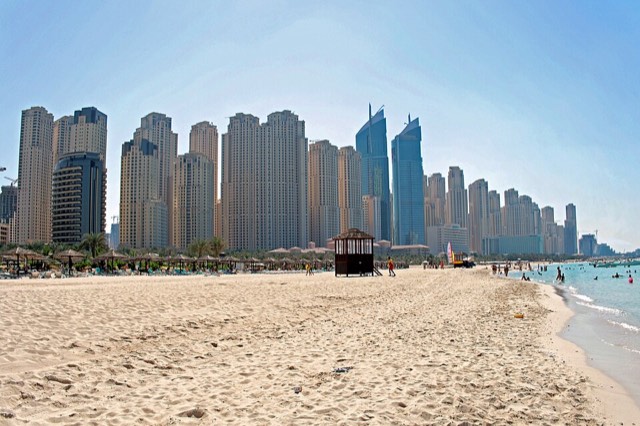
 −4% Illustrative photo
 Zayed City
The Plan 2030 masterplan for 370 000 residents: rail, metro and housing five minutes from the airport.
- a new house at a low price
- airport proximity
- a long horizon
Entry price $599K AED 2 199 828 · for a villa
Format Houses villas and townhouses
Regulator DMT Dept. of Municipalities & Transport, Abu Dhabi
What this district is actually like
What Zayed City is
Zayed City is a large mainland masterplan conceived as a new urban quarter of the emirate under Abu Dhabi Plan 2030. Its historic name was New Khalifa City, which is where the confusion with neighbouring Khalifa City comes from.
The scale is serious: the plan plots for some 370 000 residents across villas, townhouses and apartments. This is a district the size of a city rather than a neighbourhood.
Its most visible part today is Bloom Living, built in a Mediterranean idiom — townhouses and villas around a lake, with their own schools and retail.
Judge it as a build-out with a horizon rather than as a finished environment. Some phases are delivered and occupied; a substantial part of the land is still being developed.
What the masterplan promises
The headline promise is transport: an integrated network of high-speed rail, regional rail connections and metro links.
Treat that the way you would treat any regional announcement — value what is built and hold the plans as possibility rather than as a basis for price. The distance between announced and operating is measured in years here.
The second promise is position. The district sits minutes from the airport on Al Khaleej Al Arabi Street, and that will not change regardless of how the build-out goes.
The third is the environment: parks, community centres, schools and clinics are in the plan from the start rather than retrofitted, as they are in districts that grew organically.
The investment case
The entry price is among the lowest of the emirate’s new-build districts, and that is the main argument. What buys a compact apartment on the islands buys a house here.
Market summaries put villa yields in the emirate’s affordable band, with rental demand supported by the airport and by proximity to the central districts.
The risk is the standard one for a phased masterplan: competition from the developer’s own next release. Each new phase comes with a payment plan attached and presses on the resale value of the last.
The horizon is correspondingly long. This is a purchase measured in years, not a quick repricing — the district has yet to grow into the environment it promises.
What to check
The ownership form for the specific property. Foreign freehold is available in designated zones, and whether your home falls inside one is established from the documents.
What is actually built and occupied around the plot today, versus what is drawn on the plan.
The phase and the timeline, which in a building community determines both the price and how many years you live beside a site.
The track record of the developer of your specific phase and its delivery history in the emirate.
The transport plans — as possibility, not promise. They should not be in today’s price.
Who it suits
A family wanting a new house at well below island prices; frequent flyers, given the airport minutes away; an investor with a long horizon prepared to wait while the district grows into its masterplan.
It suits poorly anyone who needs a finished environment now, anyone expecting a quick resale while new phases compete with them, and anyone buying for the promised metro rather than for the house.
The district by the numbers
The masterplan is drawn for roughly 370 000 residents, making it one of the largest projects under Abu Dhabi Plan 2030.
The international airport is five to ten minutes away on Al Khaleej Al Arabi Street, the beaches about twenty. The Sheikh Zayed Grand Mosque, Qasr Al Watan and Emirates Park Zoo are all nearby.
The announced transport network covers high-speed rail, regional rail connections and metro — all at the planning stage rather than in operation.
On entry pricing: apartments at Bloom Living started around AED 590 000 and villas from AED 2.2 million, with summaries putting yields in the district at six to seven per cent.
What we have in Zayed City
1 unit −4% Illustrative photo Video
Abu Dhabi on camera
Films from the channel about the emirate. They are not cut by district — the market, the islands and the ownership rules are the same conversation across all of them — so the rail is the emirate's rather than this district's.
Full reviews


Questions about Zayed City
Are Zayed City and Mohammed Bin Zayed City different districts?
Entirely different, and the names are confused constantly. Zayed City is the large masterplan under construction by the airport, historically called New Khalifa City. Mohammed Bin Zayed City is a long-established residential district to the south-east, laid out in numbered zones.
Can foreigners buy in Zayed City?
The district contains zones where foreign nationals take full title to a plot, villa or apartment. It does not apply across the whole territory, so the status of the specific property is established from the documents before any deposit.
When will the metro reach Zayed City?
There is no date you can underwrite a purchase against. High-speed rail, regional connections and metro are all in the district masterplan, but they are plans rather than infrastructure under construction. Assume you are buying the house and the location, with transport as a possible bonus.
The yield and entry price shown above are indicative figures for comparing districts against each other, drawn from market summaries rather than calculated from our own inventory the way the Dubai numbers are. They are not a valuation of any specific property and they are not investment advice. Foreign freehold ownership in Abu Dhabi is available only within designated investment zones — confirm the designation for any specific property before proceeding.
In the news
Abu Dhabi 2040: a doubling population, AED 240bn of infrastructure and the transport pipeline
Abu Dhabi expects its population and GDP to double by 2040; the emirate had 4.14m residents at the end of 2024. AED 240bn is earmarked for housing, transport, health and schools. The widely quoted "6 million by 2040" is not an official figure. What is actually being built.
Hafeet Rail: the UAE–Oman railway, Abu Dhabi to Sohar in 100 minutes, and 40% built
Hafeet Rail is a $2.5bn joint venture between Etihad Rail, Oman Rail and Mubadala: 238km from Abu Dhabi through Al Ain to the Omani port of Sohar. The passenger service will run at up to 200km/h; as of spring 2026 the line was 40% complete, and Oman ratified the agreement in September.
Zayed International Airport, Abu Dhabi: Terminal A, a record 32.5m passengers, and what it did for Yas Island and Al Raha
Terminal A at Abu Dhabi’s airport opened in November 2023 after years on hold: 742 000 sq m, capacity for 45m passengers a year. Renamed Zayed International in February 2024, it handled a record 32.5m passengers in 2025 (+12.8%). What that means for housing on Yas Island and in Al Raha.
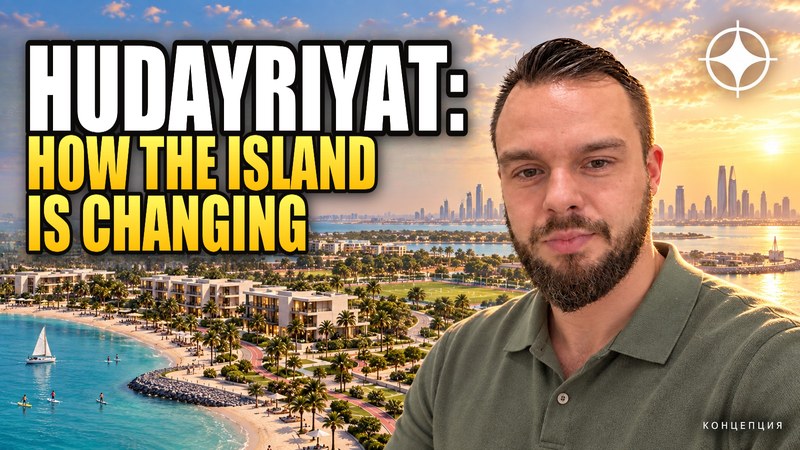
Hudayriyat Island, Abu Dhabi: Modon’s masterplan, Nawayef and Bashayer, and what people are actually buying
Hudayriyat is a 3 000+ hectare island off Abu Dhabi’s southern shore that state developer Modon is turning into a sports and residential district. Nawayef Village’s 378 townhouses (about AED 2bn) sold out on launch day; Bashayer sold roughly AED 3bn in a day in December 2025.
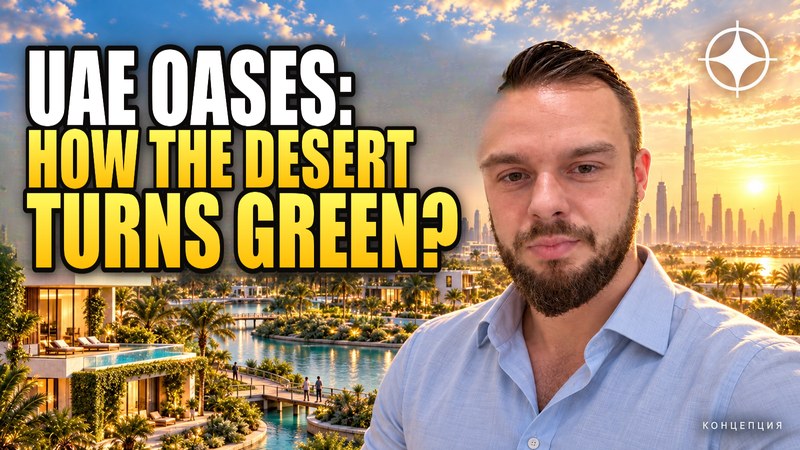
UAE's New Oases: How Dubai and Abu Dhabi Are Turning the Desert Green
Dubai ecotourism and green communities: Al Layan Oasis in Al Marmoom, Expo Valley Nature Reserve at Expo City Dubai, Hudayriyat Island in Abu Dhabi and Kalba in Sharjah. What is being built, when it opens and why nature is becoming part of UAE real estate.
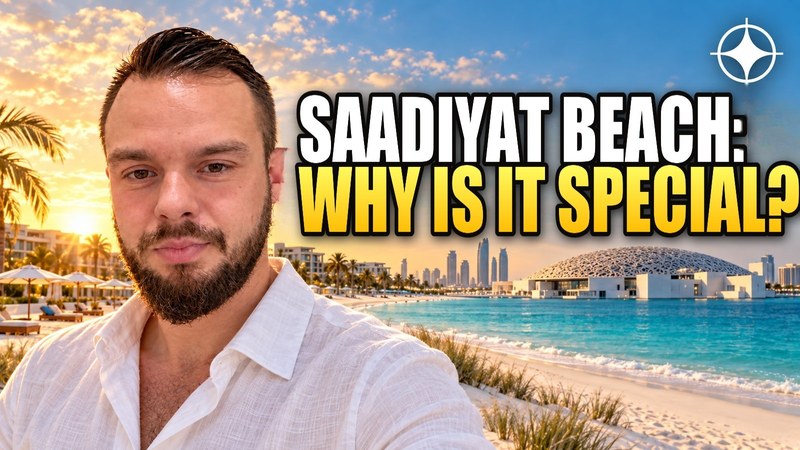
Saadiyat Beach Ranks in the World's Top 20: Abu Dhabi Beats Famous Resorts
Saadiyat Beach in Abu Dhabi is No. 19 in The World's 50 Best Beaches 2026. Why Saadiyat Island made the list of the best beaches in the world, and how the Louvre, a marine reserve and luxury resorts are turning it into Abu Dhabi's main tourism hub.
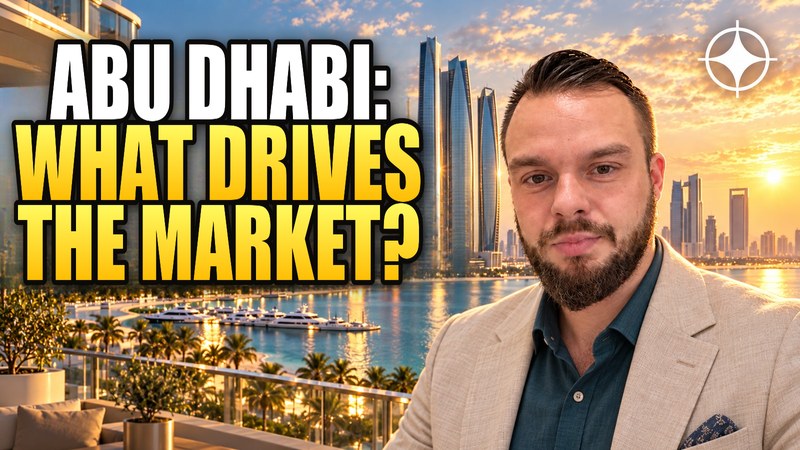
Abu Dhabi property market 2026: AED 117bn in six months and a run of ADREC records
ADREC data: AED 117bn of transactions in H1 2026 (+112%), AED 86.1bn of sales and AED 13.8bn of foreign direct investment (+309%, more than all of 2025). Full-year 2025 was a record AED 142bn. What sits behind the numbers.
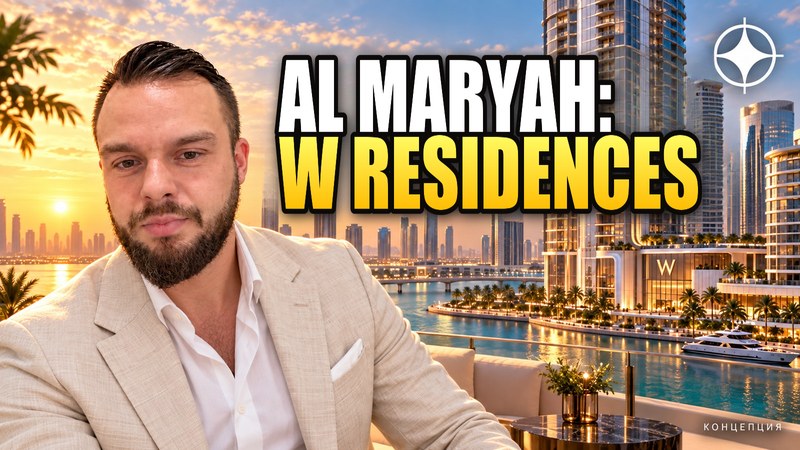
Al Maryah Island apartments: W Residences Abu Dhabi, the capital’s first W-branded homes, due in 2027
W Residences Abu Dhabi is the first W-branded residential project in the UAE capital, on the financial district of Al Maryah Island. Developer Taraf (Yas Holding) broke ground in January 2025 with Marriott; 1–4 bed apartments, duplexes and penthouses launched from AED 2.2m, with handover in Q4 2027.
Off-plan escrow in Dubai and Abu Dhabi: AED 500 000 fines for early marketing and EOIs only through Madhmoun
In June 2024 the Dubai Land Department fined three developers AED 500 000 each for marketing projects before registration and escrow. Since 16 February 2026 Abu Dhabi takes off-plan EOIs only through ADREC’s Madhmoun platform and a government escrow. What it means for buyers.
Other villa districts
All Abu Dhabi districts →Is Zayed City the right call for you?
Tell me the budget and what the purchase is for — a percentage, a resale, or somewhere for the family to live. I will run it against the Dubai alternative at the same money and say plainly which side wins. It is often not the side people expect.
Ask on WhatsAppAsk a question
Telegram is the fastest way — I answer personally.
Message on Telegram