Wasl: the landlord that develops, and what a rental portfolio implies
A state company that owns and lets a very large share of Dubai’s rental stock. Why a developer that keeps its buildings behaves differently, and what that means for the units it does sell.
Wasl is not primarily a seller of apartments. It is one of Dubai's largest landlords — a state company holding and letting an enormous portfolio of residential and commercial property across the older parts of the city. Development is a function of that portfolio rather than the business itself.
Why that changes behaviour
- It holds what it builds. A company that will still own the building in twenty years has different incentives on specification and maintenance than one that sells and leaves.
- Its income is rent, not sales velocity. That removes the pressure to launch continuously, and it means the pipeline is paced rather than driven by presales.
- Counterparty risk is low — it sits within the emirate's state structure.
- Sales stock is limited. Much of the portfolio is not for sale at all, and that is the first thing to establish about any particular building.
What it holds and builds
- Large residential and commercial holdings in Deira, Bur Dubai, Al Qusais, Karama and the older districts — the parts of the city where most of Dubai actually lives.
- Hotels and hospitality assets, held and operated.
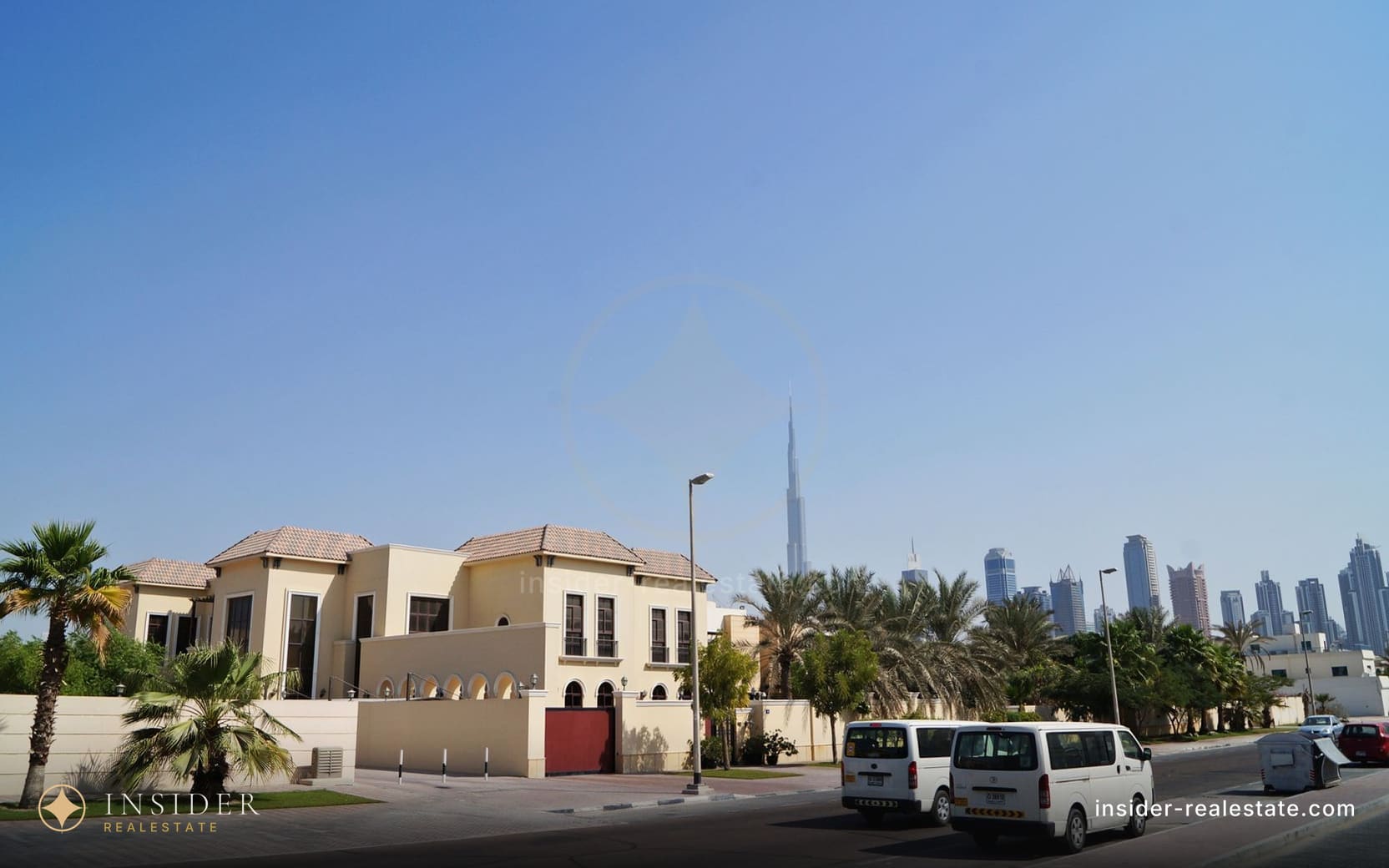
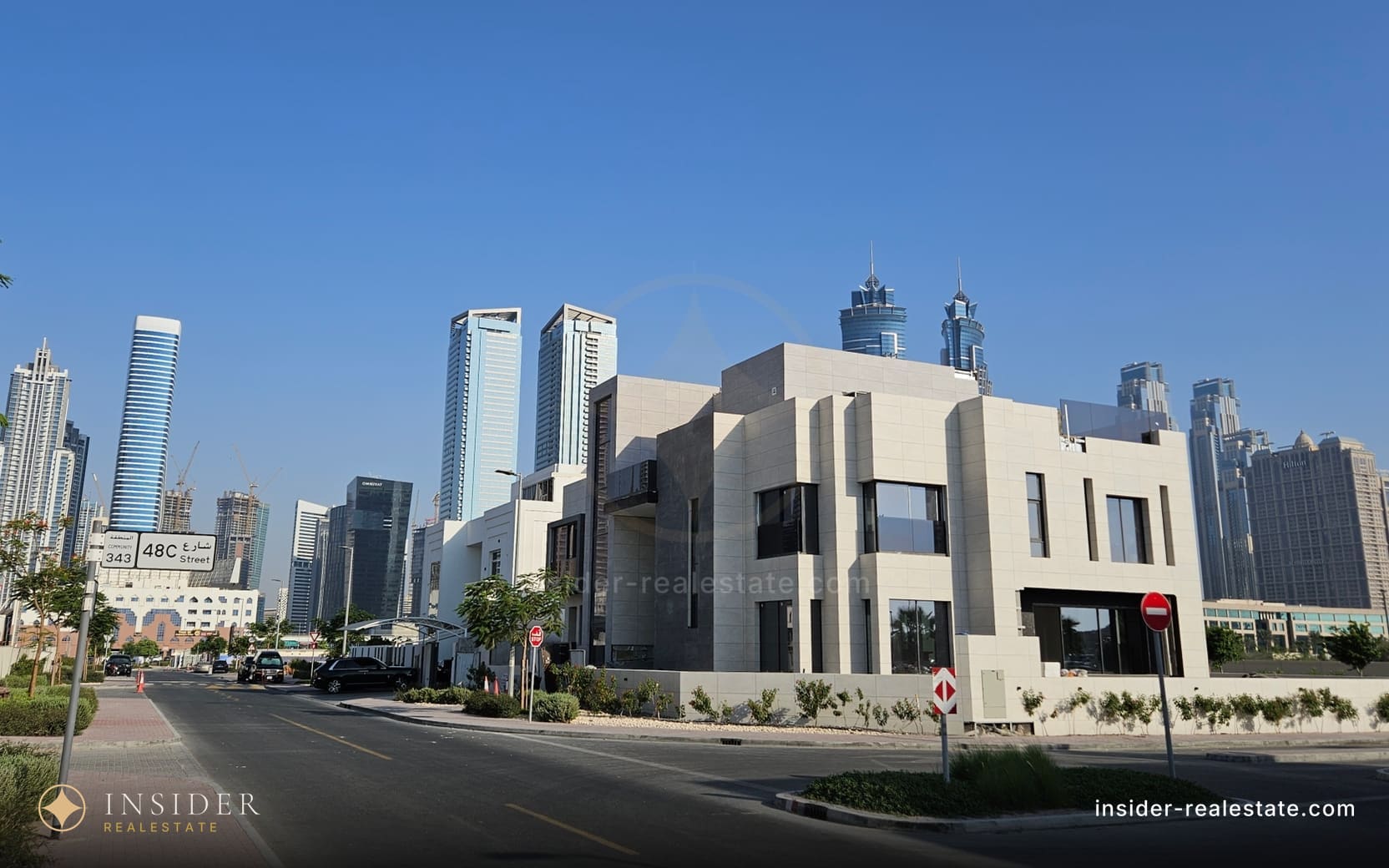
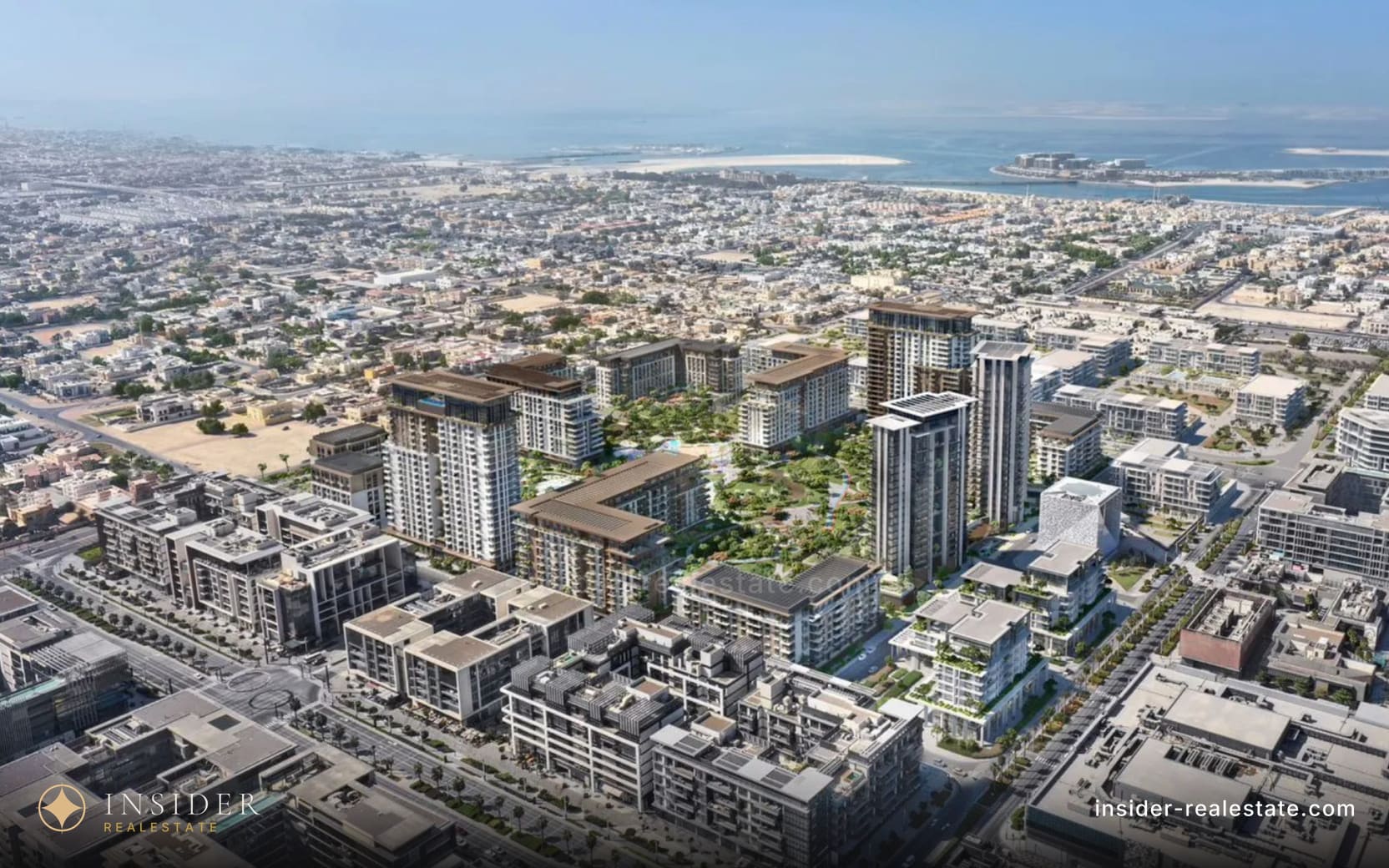
- Newer development around Al Wasl and the central districts, including projects with sale components.
- Golf and leisure assets.
What to establish before anything else
With this developer more than any other, the first question is what is actually on offer:
- Is the unit for sale, and on what tenure? Freehold, leasehold and pure rental stock all exist within the portfolio, and they are entirely different propositions.
- If leasehold, what is the remaining term, and what happens at expiry. A shortening lease is a depreciating asset and finance for it gets harder as the term runs down.
- Whether foreign ownership is permitted at that location — the older districts are not uniformly freehold zones.
Get these answered in writing before discussing price. Everything else follows from them.
Talk to a licensed broker: 📲 +971 50 120 32 64 on WhatsApp, @dubai_oleg on Telegram
What to check after that
- Building age and condition, and the state of the reserve fund where one applies.
- Service charge history.
- Real rents in the district, which in the older areas are set by a large, stable and price-sensitive tenant base — a different market from the new towers.
- Escrow and Oqood on anything off-plan.
Who it suits
- Buyers who want exposure to the established rental districts rather than to new-build appreciation.
- Anyone prioritising a low counterparty risk and a developer that stays in the building.
- Not a buyer who has not first confirmed the tenure — that is the whole question here.
Based on the Dubai Land Department register and the ownership structure of the state holding. Confirm tenure and foreign-ownership eligibility for the specific property before committing.
Video on this topic
The same subject on the English channel — each clip has a written version of its own.


In the news
Other write-ups on the site about the same thing.

Al Wasl leasehold: buying a right of use instead of ownership, and what you are actually paying for
In mainland districts part of what is on offer is not freehold but a long-term right of use. It is a different instrument, and confusing the two is expensive.
Prescott Real Estate Development: new stock priced against twenty-year-old neighbours
A developer building in Arjan and Discovery Gardens. In districts with large amounts of old, cheap rental stock, your new building competes with it — and that sets a ceiling.

Business Bay overtakes Palm Jumeirah in prime deals in August 2026, even as Dubai's wider market cools
Business Bay recorded 14 prime transactions in August 2026 against Palm Jumeirah's 10 — while Dubai-wide transaction volume fell 37% year-on-year and value fell 44%. Rental search demand rose 44% over the same period. What these seemingly contradictory numbers actually mean.
Deira / Bur Dubai: the oldest rental market in the city
The historic centre on both sides of the creek, where a very large share of Dubai actually lives. What a foreign buyer can own here, and who rents.
Dubai Airport’s Welcome Back Program Signals the Rental Market’s Busiest Season
Through 30 August, Terminal 3 greets arriving passengers with live music, treats, photo spots and gifts. Behind the charm sits Dubai’s most predictable cycle: late August brings residents home and kicks off the rental season.
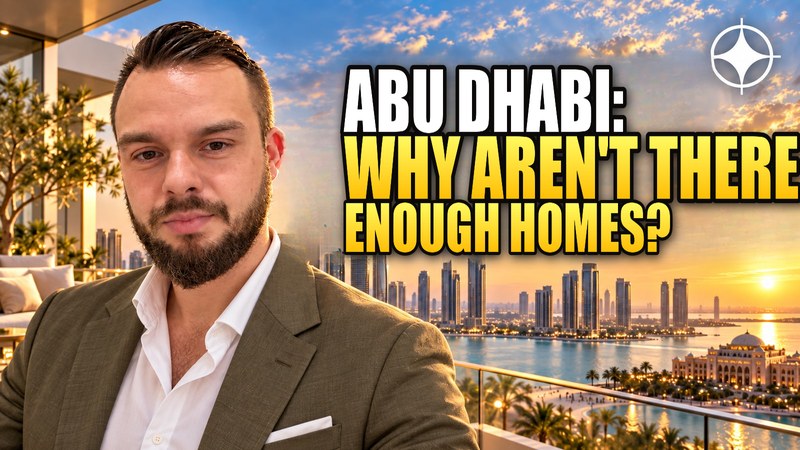
Abu Dhabi housing supply in 2026: why so little gets built, and what changes by 2028
Abu Dhabi completed about 2 700 apartments, villas and townhouses in the first nine months of 2025 — Dubai delivers more than that in a single quarter. Colliers puts the supply peak at 2028, around 21 800 units, with roughly 71 000 new homes citywide by 2030.
Below market in Al Wasl right now
From the daily off-market feed. Availability and price are confirmed on request.
All below-market listings →