
Peace Homes Development: what a lagoon costs to keep
A mid-market developer building a lagoon-themed project in Dubailand. Water features are the current standard amenity — here is what they actually add and what they take every year.
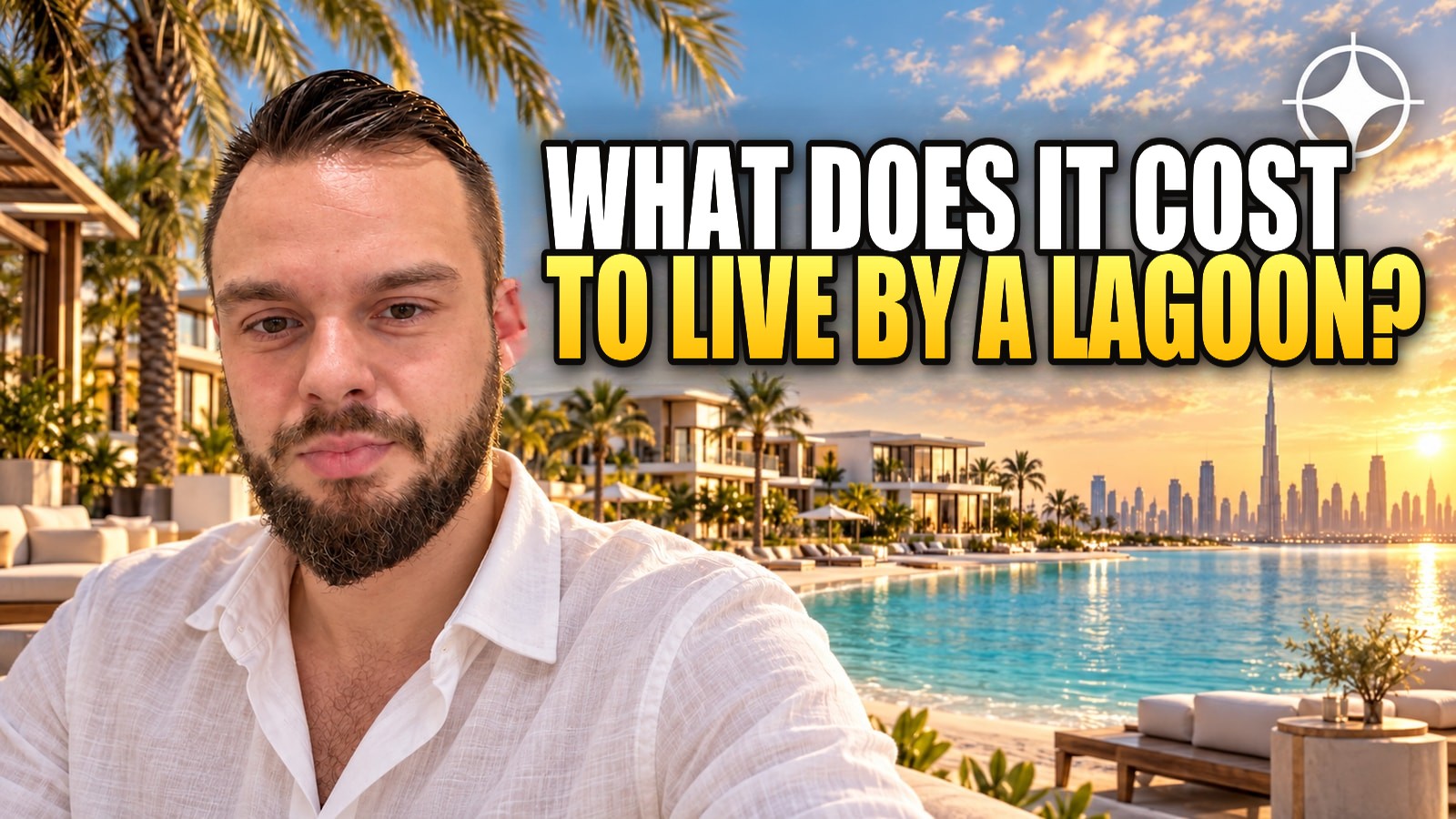
Peace Homes Development is building a lagoon-themed project in Dubailand. Water features have become the default differentiator in the Dubai mid-market, and they are worth assessing as what they are: an amenity with a permanent operating cost attached.
What a lagoon genuinely adds
- A visible difference in a market of identical buildings. In listings and photographs it works, and that converts into faster letting and faster sales.
- Microclimate. Water and planting measurably change the temperature and feel of a courtyard, which in this climate is not a cosmetic point.
- A view that is not another building — which in dense mid-market districts is scarce.
What it takes, every year
- Filtration, circulation and treatment run continuously, and the equipment has a service life.
- Water and evaporation. In desert heat an open body of water loses volume constantly and has to be topped up.
- Cleaning and algae control, which in high temperatures is a year-round task rather than a seasonal one.
- Plant replacement in the medium term, funded from the reserve.
All of it lands in the service charge, and in a mid-market project the rent is modest while the lagoon costs what it costs. Ask for the maintenance budget line specifically — not the total charge, the line — and compare it against a comparable building without a water feature nearby.
The question that decides it
Does the lagoon raise the rent by more than it raises the charge?
Talk to a licensed broker: 📲 +971 50 120 32 64 on WhatsApp, @dubai_oleg on Telegram
Sometimes it does, particularly for short lets where a photograph drives bookings. Often it does not, because a long-let tenant in this segment sorts by price first. Check achieved rents in comparable buildings with and without the feature — the answer is available from live listings, and it is specific to the cluster rather than general.
What else to check
- Who maintains the water feature, under what contract, and what happens if that contract lapses. An unmaintained lagoon becomes a liability rather than an amenity.
- Whether it is common property and how the cost is apportioned.
- Escrow account, Oqood registration, contractor and the delay remedy.
- Distance and commute — Dubailand is far out, and that is what the price reflects.
- How many units complete nearby in the same period.
Who it suits
- Short-let investors, where the feature earns its cost through bookings.
- Buyers who want the amenity for themselves and have priced the charge.
- Not a long-let yield investor who has not compared the rent uplift against the annual cost.
Based on the Dubai Land Department register and standard community-amenity maintenance practice.
Video on this topic
The same subject on the English channel — each clip has a written version of its own.
 19:45
19:45 Oceano on Al Marjan Island: the Luxe Developers project and the island being built around it
A walkthrough of Al Marjan Island as it is being built: current infrastructure, the resort plots still under construction, and the architectural vision for the hotels going up around Oceano.
WatchIn the news
Other write-ups on the site about the same thing.
Damac Hills 2: who pays to maintain the community’s themed attractions
Beaches, sports courts and water attractions inside the community look like a gift. Each one has an owner, a budget and a service life.
KOA: what a golf community actually costs, and who it suits
A developer building in a golf-course community. A fairway view is one of the few outlooks that cannot be built out — and the arrangement behind it has a price.
Green Group: the case for a six-storey building in a district of towers
A developer with a low-rise building in JVC, a district otherwise going vertical. Low-rise has structural cost advantages that almost nobody prices in.
BNH Real Estate Developer: homes above shops, and what that changes
A developer with mixed retail-and-residential buildings in Al Furjan. Living above active commercial space has specific advantages and specific problems, and both are checkable.
IFA Hotels & Resorts: a hospitality company that built homes on the Palm
A resort developer whose Palm Jumeirah buildings sit beside its own hotels. What sharing a site with a hotel means for daily life, service charges and governance.
Al Barari: half the land given to greenery, and what that costs every year
A very low-density community built around planted landscape. Low density is the rarest product in Dubai — here is what it delivers, and the recurring cost that pays for it.