
Dubai to plant 1.5 million trees and build 120 parks by 2030
The AED 4bn Blue and Green Spaces Roadmap 2030: 120 new parks, about 1.5 million trees, more than 15 coastal projects and three new public beaches a year. What greenery and beach access do to housing values.
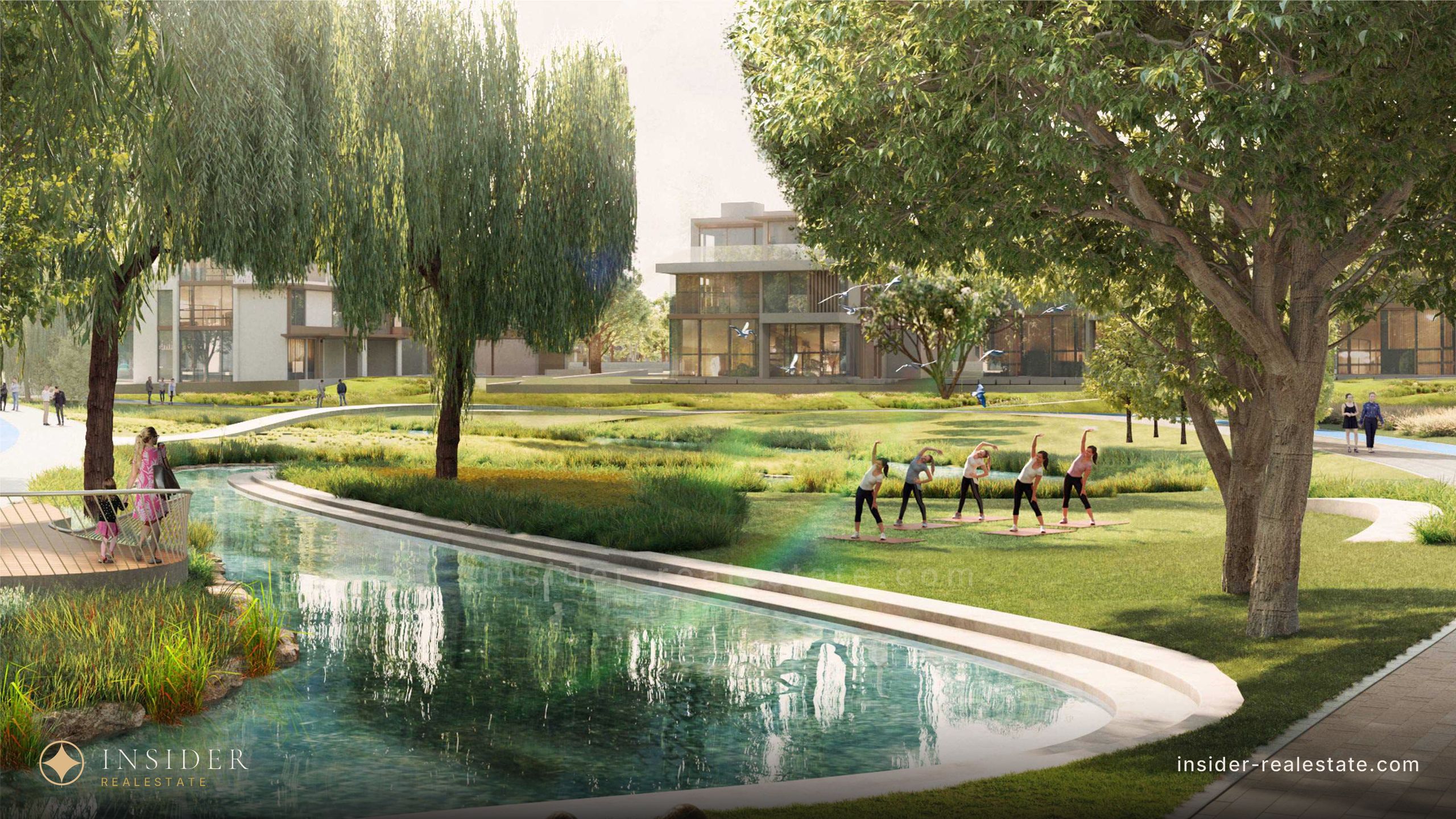
Dubai has approved the Blue and Green Spaces Roadmap 2030, an AED 4 billion programme: 120 new parks and around 1.5 million trees by 2030. How the document frames the task matters more than the numbers themselves: parks, beaches and public spaces are to be treated as infrastructure on par with roads and the metro.
What is planned
- Walkable neighbourhood parks — not one grand park for the city, but many small ones near homes.
- Hundreds of sports and recreation spaces: running and cycling tracks, activity zones, family and children's playgrounds.
- More than 15 major coastal projects and three new public beaches every year.
- Beachfront services up more than 400% and beach capacity up 150%.
The programme sits inside the Dubai 2040 master plan and the quality-of-life strategy — meaning it has a deadline and an owner, not just an intention.
Greenery and price: an underrated link
A park within walking distance is one of the few factors whose effect on housing values shows a consistently positive sign in studies worldwide. In Dubai it comes with a local twist: greenery here does not grow by itself. Every tree means irrigation, and irrigation means desalinated water and a bill for it.
Talk to a licensed broker: 📲 +971 50 120 32 64 on WhatsApp, @dubai_oleg on Telegram
Hence a practical consequence for buyers. Greenery inside a private development is maintained by the community and sits in the service charge. A city park outside the gate is maintained by the city. Two identical buildings — one beside a public park, one with its own internal garden — impose different annual costs on their owners for the same quality of life.
About the public beaches
Three new public beaches a year is a figure worth holding in mind when buying on the water. The value of a front-row property combines the view with access to the sea; where the city opens the shoreline to everyone, that access stops being one building's privilege. For an owner this cuts both ways: the district becomes livelier and more expensive, while any single development's exclusivity declines.
Based on Dubai Municipality data and the Blue and Green Spaces Roadmap 2030.
In the news
Other write-ups on the site about the same thing.
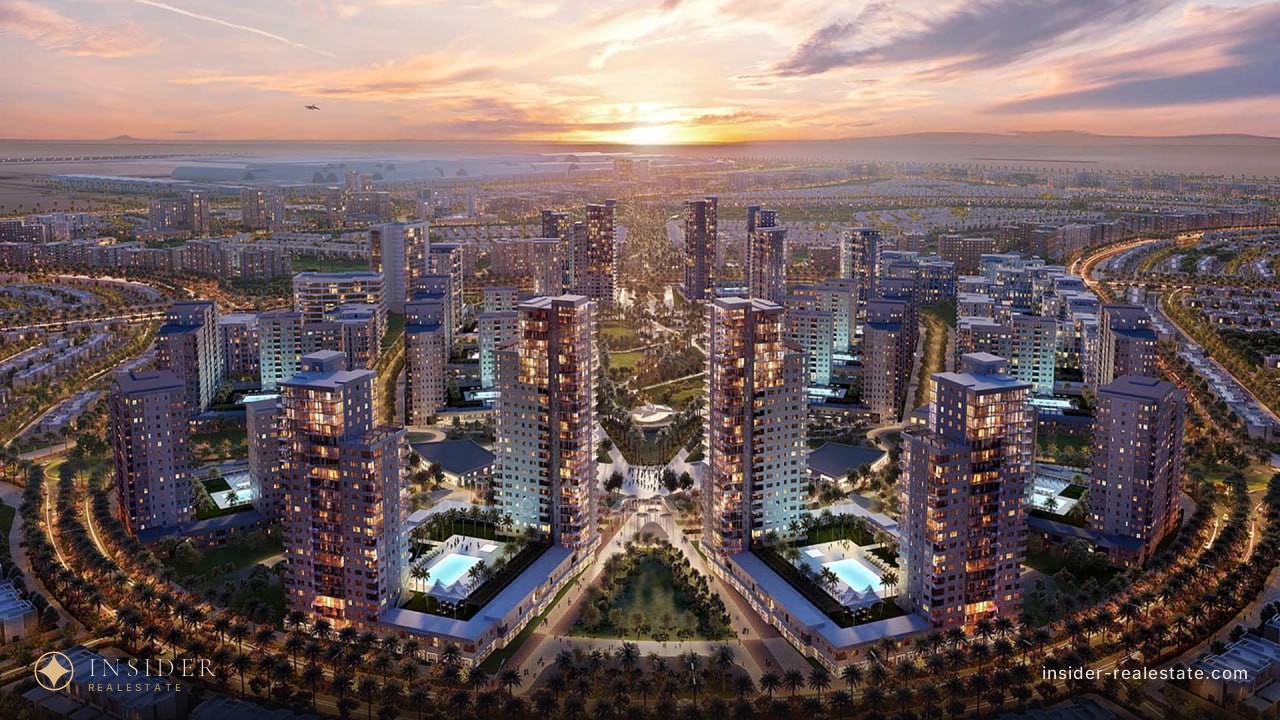
Dubai will close DXB by 2035 and move all traffic to Al Maktoum
DXB — the world’s busiest international airport with 95.2m passengers in 2025 — is to close by 2035. Al Maktoum, a $35bn project designed for 260m passengers, replaces it. The vacated land will be folded into the city.
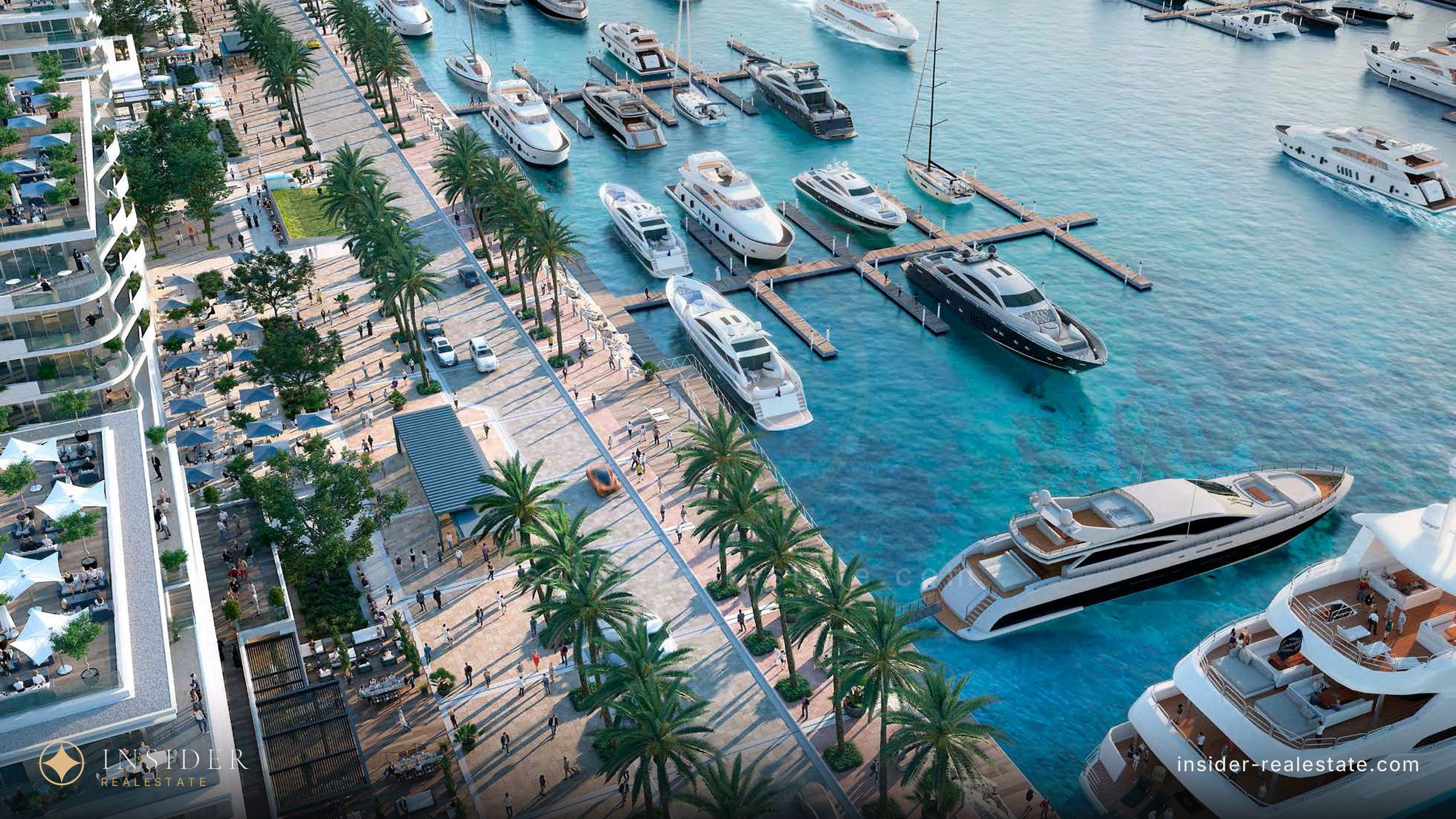
Dubai Walk: 6 000 km of pedestrian routes and 110 bridges by 2040
RTA has begun phase one of Dubai Walk: 12 km of routes, 5 km of cycle lanes and 11 transport interchange points. By 2040 — 6 000 km of pedestrian infrastructure across 160 districts and 110 bridges, lifting walking’s share of trips from 16% to 25%.
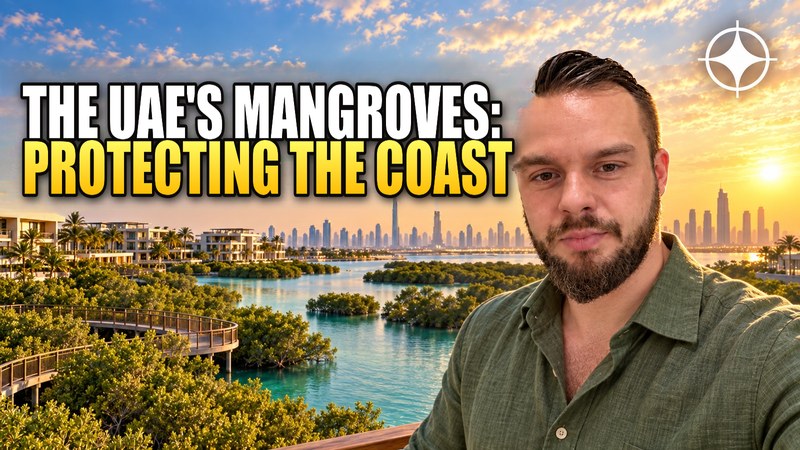
UAE Mangroves: Halfway to 100 Million Trees
The UAE has planted 51% of its target 100 million mangrove trees by 2030. The program protects the coastline from erosion — and it's the one environmental initiative that directly affects owners of waterfront property.
Best Parks in Dubai: Mushrif, Zabeel, Creek Park and Al Mamzar Beach Park Compared
The four best-known parks in Dubai — Mushrif, Zabeel, Dubai Creek Park and Al Mamzar Beach Park: how they differ, which one to pick for a barbecue, a run, the kids or the sea, and why green space in the desert runs on engineering.
Dubai’s Quality of Life Strategy 2033: 200 parks, the Green Spine, and what districts gain
Dubai is rolling out a 200-plus project quality-of-life plan through 2033, anchored by a 15km green corridor along Sheikh Zayed Road. We break down what is already under way and which districts benefit first.
DEWA raises the bar: 36% clean energy in Dubai by 2030, up from 25%
Dubai Electricity and Water Authority has revised its target — clean energy will reach 36% of the mix by 2030 instead of the planned 25%. The backbone is the Mohammed bin Rashid solar park, a green hydrogen plant and the Hatta pumped-storage station.