
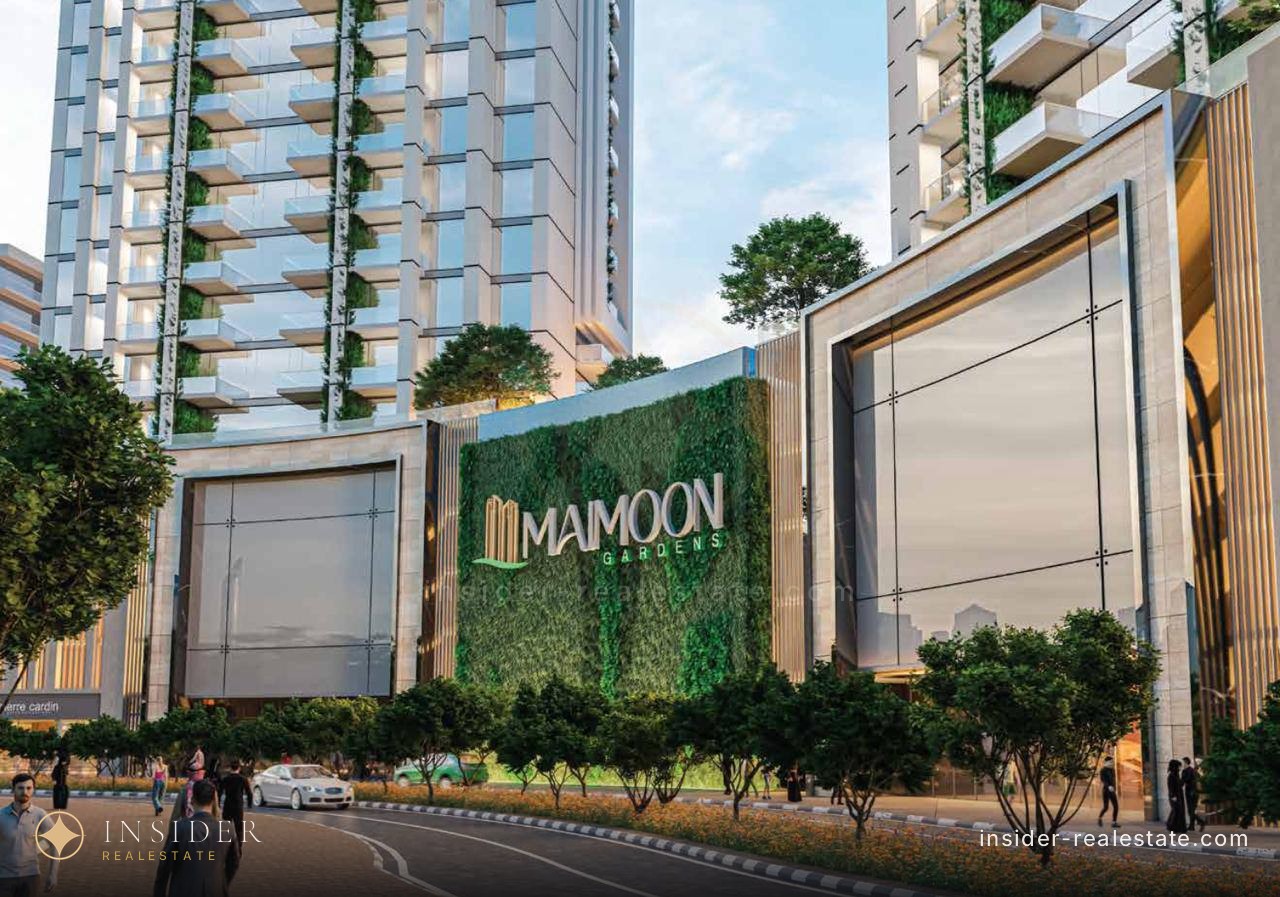
 Photo of the community
 Maimoon Gardens Tower A Jumeirah Village Circle (JVC) · 2 BR · Apartment 1 500 000 AED
Ask about lot NP9-423470
A company that has existed for more than two decades and, after a long pause between launches, has come back with a positioning rarely seen in Dubai: not architecture or location as the headline, but indoor air quality, built on technology the developer describes as drawn from aviation and healthcare.
1 lot in stock across 1 project. Of the 1 with a known status: 0 ready, 1 under construction. By median price — 92nd of 139.
The districts where this developer has the most lots in our stock.
Checkable facts about the developer itself. Unlike the figures above, these are not about our stock and do not move with what happens to be listed today.
Fakhruddin Properties is not a newcomer — the company has been registered since the early 2000s, but a visible new project on the market is a recent development. A long gap between launches usually means either a business pivot or time spent building capital for a fresh push, and here the developer chose a less obvious route back: rather than compete on height or finish level, it is leading with resident health as the main sales argument.
Betting on air and water quality is unusual for the Dubai market, where the overwhelming majority of new projects compete on view, rooftop pool and smart-home features instead. Technology positioning here is a way to stand out among dozens of similar JVC towers, and it also narrows the audience to buyers who genuinely care about this, rather than buyers chasing the flashiest brochure image.
The stated filtration technology is a building-level engineering decision, not a switch a resident can toggle — ventilation, filters, and likely a separate water treatment system are built into the design at construction stage rather than added later. That means the system cannot be assessed from renders and a brochure alone — only once residents move in and it becomes clear whether the engineering delivers on its promise in Dubai's dust and humidity.
Buyers should separate the marketing language from the technical spec: what matters is not the name of the technology but the specific filtration standard installed, who services the systems after handover, and what happens to this feature if the management company changes over time. Health as a product feature requires ongoing maintenance, not a one-time installation during construction.
Unlike the larger JVC developers who build tall towers with hundreds or thousands of units, this company's project is compact, with a limited resident count. That smaller scale makes the building easier to run: less strain on lifts and common areas, an easier owners' association to organise, and an easier promise to keep on the stated technology standard without diluting it across a thousand front doors.
The flip side of compactness is a smaller infrastructure ambition — do not expect a dedicated retail floor, a large sports complex or a sprawling landscaped park of the kind a developer with a bigger land bank can offer. This is a building for someone who values engineering inside the apartment over the scale of shared grounds.
Jumeirah Village Circle is built up densely and unevenly, from budget studios to boutique projects, and most developers in the district compete on price per square foot and delivery speed. Fakhruddin has chosen a narrower niche — not the cheapest and not the fastest project, but one that sells itself on engineering quality that competitors in the same price bracket usually do not claim at all.
That is a sensible strategy for a comeback: rather than compete head-on against dozens of neighbouring towers on the same terms, it occupies a position with no direct comparison. The risk is that the niche is narrow, and demand for it rests on trust in the claim itself — trust the developer is only beginning to rebuild after its long absence from new launches.
The main question is independent verification of the stated technology: ask for the ventilation and filtration system's documentation, not just the marketing description, and confirm who installs and services the engineering systems. Second, check warranty terms and post-handover support: since the company was absent from new launches for a long stretch, it matters who today is responsible for customer service and defect resolution timelines.
Third, compare the price premium against neighbouring JVC projects without this positioning: if the technology premium is significant, ask the developer for concrete, measurable specifications rather than general phrases about air quality, so you understand exactly what the extra cost is buying.
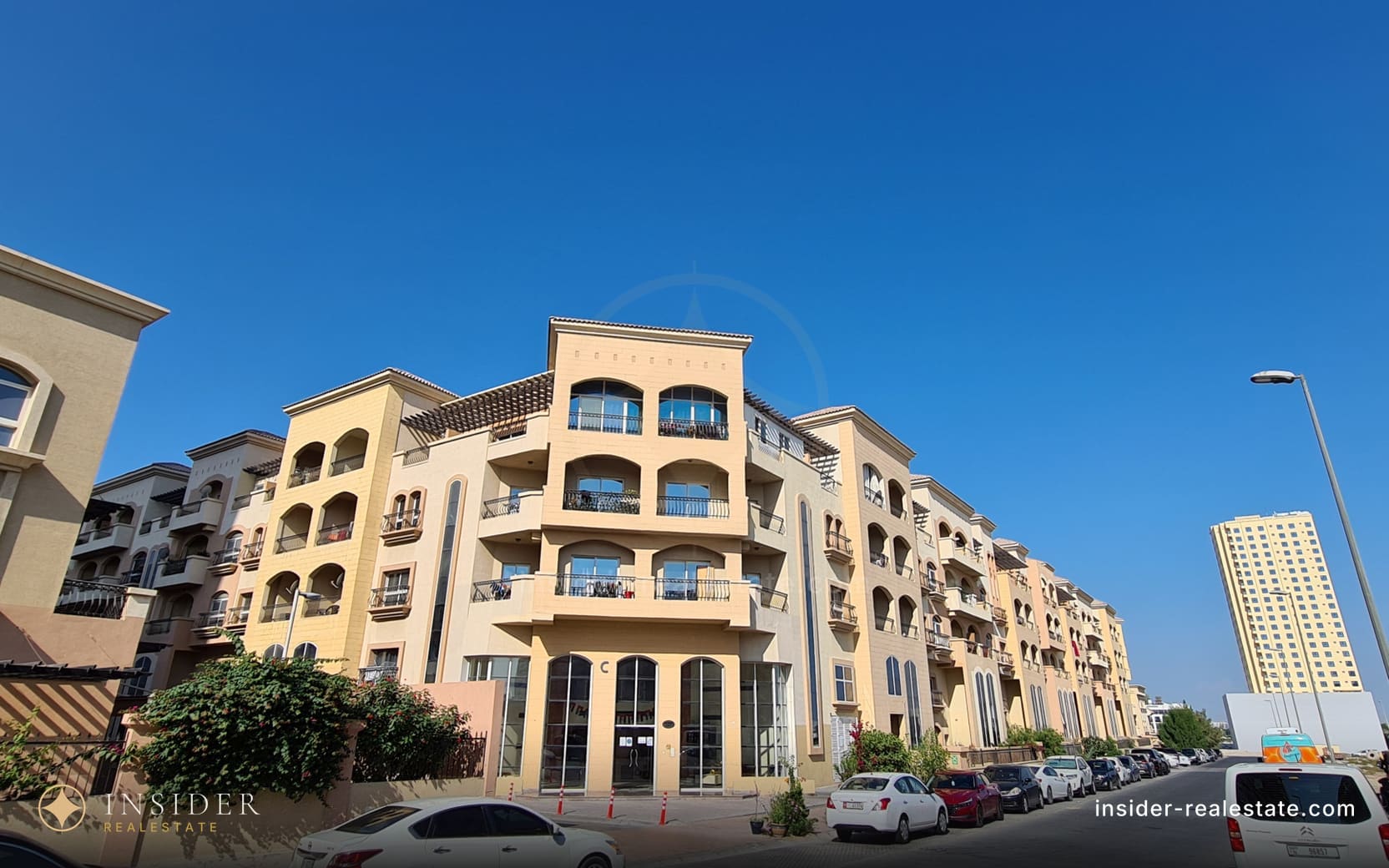
Photo of the community There is no “developer” column in the base — a lot is attributed by its project name. The figures on this page speak about our stock, not about the company’s share of the Dubai market: a large developer with a big completed portfolio may appear smaller than one whose units come up for resale more often.
Prices come from listings, not from closed deals. For a particular building I retrieve the registered Land Department sales and show the real closing prices.
The median across this developer's lots in our stock is $408K (AED 1 500 000), with entry from $408K. The median per square foot is $423. The figures come from asking prices in our base, not from the Fakhruddin Properties price list, and they are recalculated nightly to reflect what is actually for sale today.
Our catalogue holds 1 project by this developer, each with a building passport: storeys, unit count, handover date, the mix of bedrooms. The list is on this page, and the districts where the developer has the most lots in stock are in the “Where they build” block. Under each project sit the lots on sale, where there are any.
Money-wise there is no difference: on off-plan the broker is paid by Fakhruddin Properties, not by you, so calling the sales office direct saves nothing. What differs is the view — the developer’s sales team sells only its own buildings and will not mention that the same unit costs less next door or that this project hands over later. On resale and assignment the commission is the usual 2% plus VAT.
The answer depends on the purpose. Send your budget and goal — I will go through which Fakhruddin Properties projects are worth considering now and which I would skip.
Ask on WhatsAppTelegram is the fastest way — I answer personally.
Message on Telegram